
Exercise plays an important role in keeping dogs physically healthy, mentally stimulated, and content. However, there is no single exercise routine that works for every dog. Age, breed, size, health, personality, and individual energy level can all influence how much activity a dog needs.
Some dogs may be perfectly content with daily walks and playtime around the house, while high-energy and working breeds often need considerably more activity. Even two dogs of the same breed can have very different exercise needs.
The important thing is to pay attention to your individual dog. When dogs don’t have enough appropriate outlets for their energy, changes can sometimes appear in their weight, behavior, and daily habits.

How to Tell If Your Dog Needs More Exercise
Dogs can’t tell us when they’re feeling bored or have energy to burn, but their behavior can offer plenty of clues. While the following signs can have several possible causes, they may indicate that your dog’s current routine isn’t providing enough physical activity or mental stimulation. Here are signs that it may be time to get your pup moving more.
#1 – Obesity and Weight Gain

Weight gain can be one of the more noticeable signs that your dog’s daily routine may need an adjustment. When dogs consistently consume more calories than they burn, those extra calories can contribute to excess weight.
Exercise is only one part of maintaining a healthy weight, though. Diet, treats, age, health conditions, and metabolism can also make a difference. If your dog has gained weight unexpectedly, don’t assume that simply adding a long run will solve the problem.
Instead, consider your dog’s overall routine. Are walks becoming shorter? Has playtime decreased? Are treats becoming more frequent? A combination of appropriate physical activity and a properly portioned diet can help support healthy weight management. If you’re unsure whether your dog is obese or overweight or how much exercise is safe, your veterinarian can help you establish an appropriate diet and activity plan.
#2 – Destructive Behavior

A shredded pillow, chewed shoe, dug-up garden, or mysteriously emptied trash can certainly be frustrating. But before assuming your dog is simply being “bad,” consider whether boredom or unused energy could be contributing to the behavior.
Destructive behavior can sometimes be a sign that a dog isn’t receiving enough physical activity or mental stimulation. Dogs need appropriate ways to explore, play, chew, sniff, and interact with their surroundings. Without those outlets, some dogs may find their own entertainment, and their choices aren’t always compatible with your furniture.
Increasing walks, play sessions, training, and enrichment may help keep an energetic dog occupied. However, destructive behavior shouldn’t automatically be blamed on insufficient exercise. Fear, anxiety, separation-related problems, and other behavioral or medical issues can also contribute. Sudden or severe destructive behavior deserves closer attention.
#3 – Excessive Barking

Dogs bark for many reasons. They may be alerting you to something outside, responding to another dog, asking for attention, expressing excitement, or communicating discomfort. Boredom can be another possible reason.
A dog that spends much of the day without enough activity or stimulation may discover that barking is something to do. It can also quickly attract your attention, making it especially rewarding for a dog looking for interaction.
If your dog frequently seems to bark because they want something to happen, try adding more purposeful activity to the day. An additional walk, game of fetch, training session, or sniffing activity may provide a more appropriate outlet.
Just remember that persistent barking can have many causes. Exercise may help a bored dog, but it isn’t a universal solution for every barking problem.
#4 – Constant Rough Play

Do you have a dog that just can’t play nice? Do they jump, wrestle, body slam, grab toys, race around the room, and have difficulty dialing their excitement back down? While enthusiastic play isn’t necessarily a problem, constantly over-the-top behavior can sometimes indicate that a dog has a lot of unused energy.
Regular exercise can give energetic dogs appropriate outlets before they become completely wound up. At the same time, dogs also benefit from learning how to settle and engage in calmer activities. Try balancing energetic games with activities that require concentration, such as training, sniffing, searching for hidden treats, or working on a food puzzle. The goal isn’t to exhaust your dog every day. It’s to create a healthy balance between activity, mental stimulation, and rest.
#5 – Restlessness & Anxiety

Does your dog wander from room to room with seemingly nowhere to go? Maybe they repeatedly get up after lying down, follow you around the house, pace in the evening, or struggle to settle. For some dogs, restlessness may be a clue that they haven’t had enough appropriate activity during the day.
A dog that has spent hours waiting for something interesting to happen may understandably be ready for action when everyone else wants to relax. Adding another walk or interactive activity may help, particularly if the restlessness tends to occur on days when your dog has been less active. However, frequent pacing or a sudden inability to settle shouldn’t automatically be attributed to pent-up energy. Pain, discomfort, anxiety, cognitive changes, and other health concerns can also cause restlessness. If the behavior is new, severe, or persistent, speak with your veterinarian.
#6 – Pulling On Leash
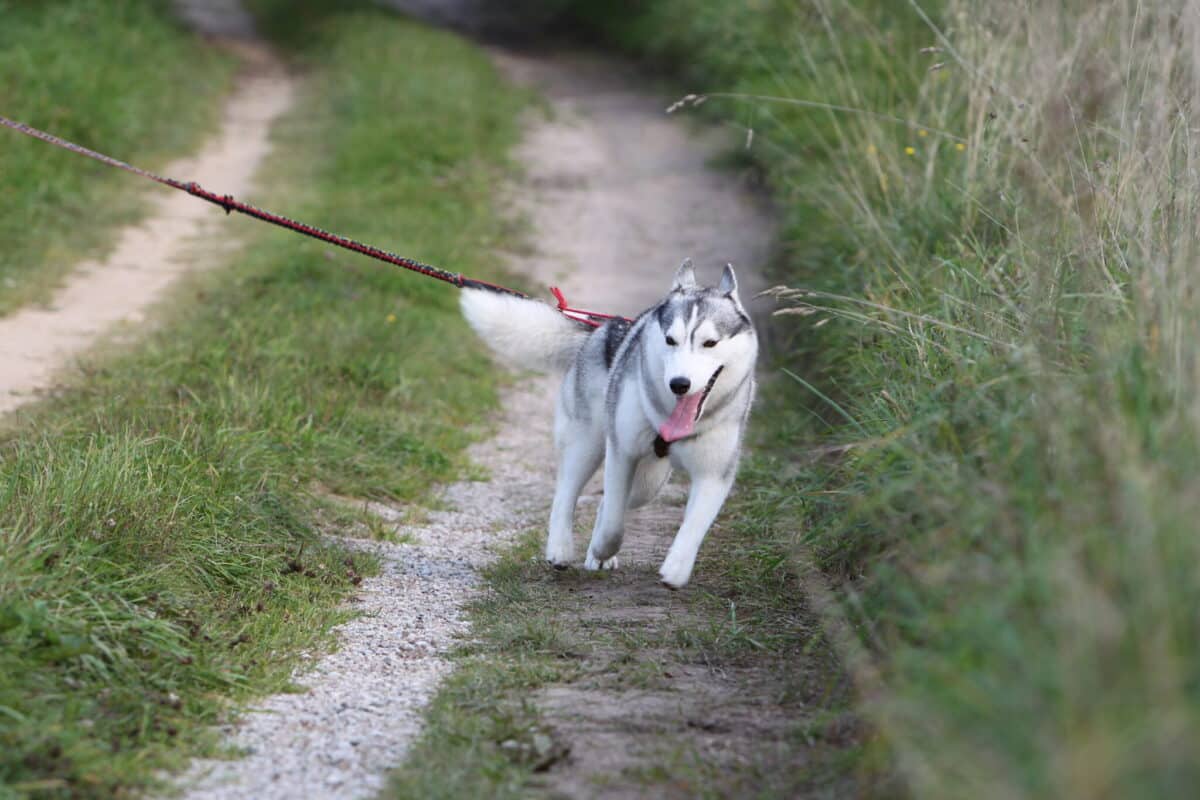
You grab the leash, and suddenly your normally calm dog transforms into a four-legged rocket. They race toward the door, pull down the sidewalk, sniff everything in sight, and seem determined to explore the entire neighborhood in five minutes. An extremely excited dog who pulls throughout walks may have plenty of pent-up energy.
However, pulling by itself doesn’t necessarily mean a dog needs more exercise. Dogs can pull because they’re excited, haven’t learned loose-leash walking, are highly interested in the environment, or have discovered that pulling gets them where they want to go. Exercise and training can therefore work together. Rather than making every outing a race to cover as much distance as possible, give your dog opportunities to walk, sniff, explore, and practice good leash manners. Some outings can be exercise-focused, while others can move at a slower pace and allow plenty of time for investigating interesting smells.
#7 – Attention Seeking
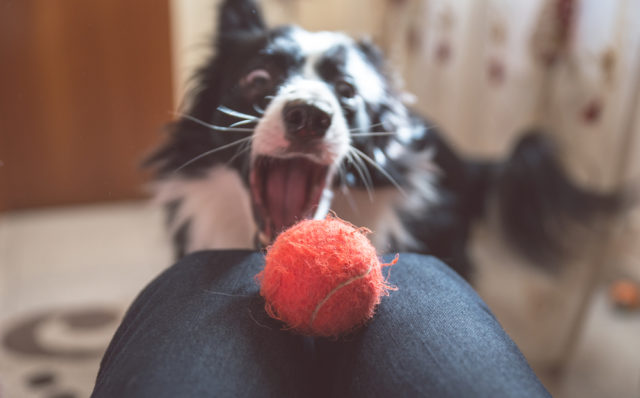
Most dogs occasionally nudge a hand, drop a toy in someone’s lap, or stare intensely at their favorite person until that person finally gets the message. But some dogs seem to ask for entertainment all day long. Your dog might repeatedly bring toys, whine, bark, paw at you, follow you from room to room, push their nose under your hand, or wander around looking for something to do. Constant attention seeking may be your dog’s way of asking for more interaction, stimulation, or activity.
If your dog seems perpetually bored, take a look at what their typical day involves. They may not necessarily need a five-mile run. They might simply need more opportunities to engage their brain and body throughout the day. Breaking activity into several smaller sessions can work well. A morning walk, short afternoon training game, evening play session, and a few enrichment activities can make the day much more interesting.
How Much Exercise Does a Dog Need?
There isn’t a magic number that applies to every dog. Exercise needs can vary significantly based on breed, age, physical condition, health, and individual personality. A young, energetic working dog may require considerably more activity than an older companion dog. Puppies and senior dogs also have different physical considerations than healthy adult dogs.
Instead of focusing only on minutes or miles, pay attention to how your dog responds to their routine. After appropriate activity, your dog should generally be able to relax comfortably. Exercise shouldn’t routinely leave them exhausted, sore, limping, or reluctant to move. Dogs that have been relatively inactive should also have their exercise increased gradually rather than suddenly jumping into strenuous activity.
Don’t Forget About Mental Exercise
Physical activity is only part of the equation. Dogs experience much of their world through their noses, and opportunities to sniff, explore, solve problems, learn, and play can make everyday life far more interesting. Mental enrichment can be especially useful when weather, mobility, or your schedule makes a long outdoor adventure difficult.
Simple activities include:
- Allowing extra sniffing time during walks
- Hiding treats or kibble around the house
- Using puzzle feeders or food-dispensing toys
- Practicing basic obedience or learning new tricks
- Playing hide-and-seek
- Rotating toys
- Creating simple scent games
- Playing fetch or tug
- Giving your dog appropriate things to chew
- Taking walks in different dog-friendly locations
Even a short training session can require plenty of concentration and give your dog a productive way to use some of that energy.
Easy Ways to Add More Activity to Your Dog’s Day
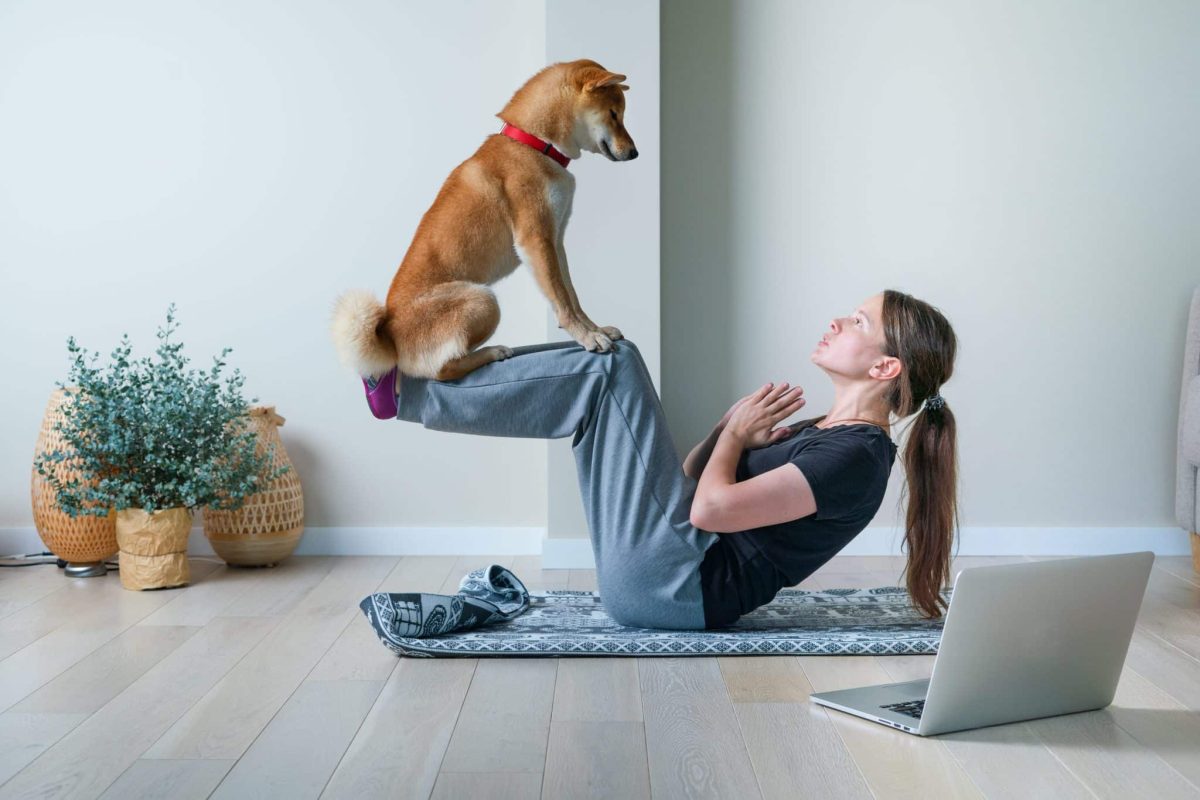
If your dog seems ready for more activity, you don’t necessarily have to completely overhaul your schedule. Small changes can add up. Try taking an extra short walk in the morning or evening. Spend ten minutes playing fetch in the backyard. Turn part of dinner into a search game rather than serving everything in a bowl. Practice recalls between family members across the house. Take a different walking route so your dog has new smells to investigate.
For dogs that enjoy more vigorous activities and are physically suited for them, hiking, swimming, longer walks, or dog-friendly sports may provide additional exercise. You can also vary activities throughout the week. A longer adventure one day might be followed by a leisurely sniff walk and indoor enrichment the next. Variety can help keep activities interesting while exercising your dog’s body and brain in different ways. The best activity is one that’s appropriate for your dog’s health and something you can realistically incorporate into your routine.
Can Your Dog Get Too Much Exercise?
More exercise isn’t automatically better. Dogs can overdo physical activity, particularly when they aren’t accustomed to strenuous exercise. Puppies, seniors, overweight dogs, dogs with certain medical conditions, and some breeds may need additional precautions.
Watch your dog while you’re exercising together. Excessive panting, repeatedly trying to stop, unusual slowing, limping, soreness, or reluctance to continue can all signal that it’s time to stop and allow your dog to recover.
Weather matters too. Hot and humid conditions can make exercise more strenuous and increase the risk of overheating.
Instead of trying to tire your dog out as much as possible, aim for a sustainable routine that provides appropriate physical movement, mental stimulation, and plenty of opportunities for rest.
When Exercise Isn’t the Answer
One of the most important things to remember is that none of these seven behaviors proves that your dog isn’t getting enough exercise. Weight changes, destructive behavior, excessive barking, pacing, sleep changes, leash pulling, and attention seeking can have multiple explanations.
If a behavior appears suddenly, becomes severe, or continues despite providing appropriate activity and enrichment, consider talking with your veterinarian. Medical problems, pain, fear, anxiety, and other issues can sometimes look like boredom or excess energy. Knowing your dog’s normal behavior makes it easier to recognize when something has changed.
Finding the Right Balance for Your Dog
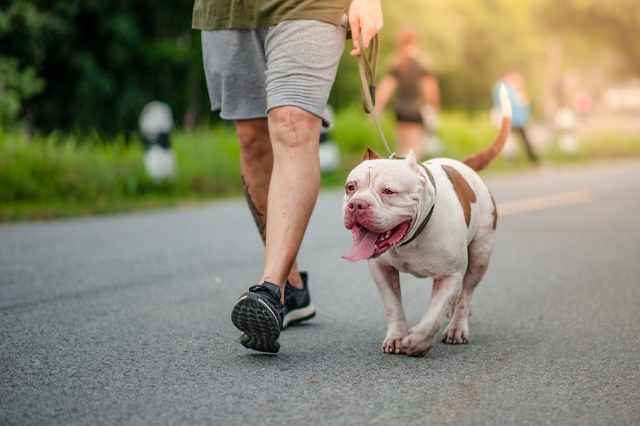
A well-rounded routine is about much more than wearing your dog out. Dogs benefit from opportunities to move their bodies, explore their surroundings, use their noses, solve problems, interact with their families, play, and rest.
If your dog is bouncing off the walls, constantly asking for attention, getting into trouble, or struggling to settle, take another look at their daily routine. A little more activity or enrichment could make a noticeable difference.
Most importantly, pay attention to the dog in front of you. Their behavior, health, age, and energy level can help you determine whether it’s time for another adventure or whether they’re perfectly happy curling up beside you for a well-earned nap.
 Toledo, United States.