
iHeartDogs is reader-supported. When you buy via links on our site, we may earn an affiliate commission at no extra cost to you.
Schnauzers are famously loyal and friendly, and are often seen as strong, intelligent, and protective family pets. But have you ever seen your Schnauzer licking their paws? While it may seem strange, it’s actually a relatively common behavior in dogs. While it can be a sign of anxiety or boredom, there are some other reasons why a Schnauzer might be licking their paws. In this article, we’ll explore the four most common reasons why a Schnauzer might be licking their paws.

Reasons Why Your Shnauzer Licks and Bites Its Paws
1. Allergies
Just like humans, dogs can suffer from allergies. If a Schnauzer is licking their paws, it could be because of an allergic reaction to something in the environment. This can include pollen, dust, or even certain food items. If your Schnauzer is licking their paws more than normal, it could be a sign that they’re dealing with some sort of allergy. Have them checked out by a vet so that you can get to the bottom of the problem.
Many Schnauzer owners see success after giving their dog a natural allergy supplement, such as fish oil or quercetin, also known as “Nature’s Benadryl. One popular supplement is the iHeartDogs Allergy & Itch chews, available here or on Amazon Prime.


2. Skin Infections
It’s not unusual for a Schnauzer to develop a skin infection, especially if they’re outdoors a lot and exposed to a variety of different elements. Skin infections can be caused by a variety of different things, including bacteria, fungi, and parasites. If your Schnauzer is licking their paws, it could be because they’re trying to soothe an itchy or irritated area of skin. If this is the case, then it’s important to take them to the vet so that they can receive the appropriate treatment.
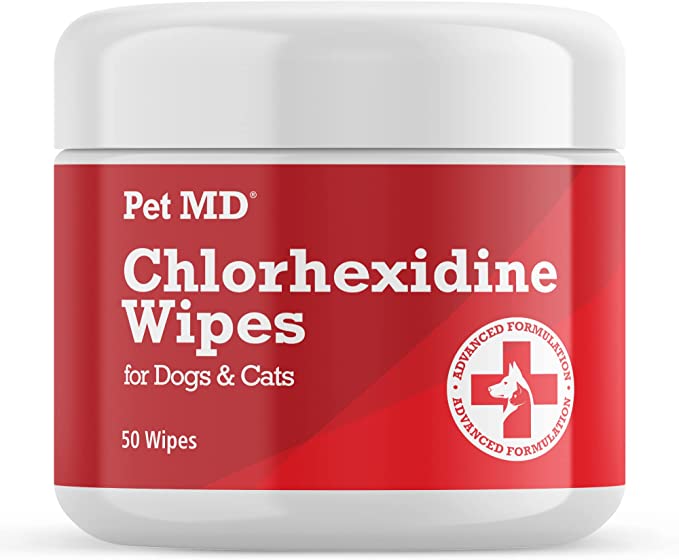
For minor paw irritations, a chlorhexidine wipe may offer relief. Always be sure to consult your veterinarian.
3. Anxiety or Stress
Schnauzers are highly sensitive to their environment, so it’s not unusual for them to develop anxiety or stress if something changes. If your Schnauzer is licking their paws, it could be a sign that they’re feeling anxious or stressed. This could be caused by a move to a new home, the introduction of a new pet, or even changes in the weather. In any case, it’s important to pay attention to your Schnauzer’s behavior and to try to alleviate any stress they may be feeling.
If you believe your Schnauzer is suffering from anxiety, it’s important to address the root cause of the stressor. Natural calming chews may also be helpful.
4. Boredom
Schnauzers are highly active and need plenty of exercise in order to stay healthy and happy. If they’re not getting enough exercise, they can become bored and start to display behaviors such as licking their paws. This is why it’s important to make sure your Schnauzer is getting enough physical activity. Make sure to take them for plenty of walks, play with them, and give them some interactive toys such as a nose work mat (many available on Amazon as well)
Frequently Asked Questions About Licking or Biting Its Paws
1. Why is my Schnauzer constantly licking or biting its paws?
Your Schnauzer may be licking or biting its paws due to allergies, skin irritation, parasites, or anxiety. These are the four most common reasons. Identifying the root cause with a vet is essential before it leads to infection or chronic discomfort.
2. Can allergies make my Schnauzer chew its paws?
Yes. Schnauzers are prone to food and environmental allergies, such as pollen, dust mites, or certain proteins. These trigger itching, leading to paw chewing and licking.
3. How do I know if my Schnauzer’s paw licking is from allergies or boredom?
If licking happens seasonally or after exposure to certain foods, it’s likely an allergy. If your Schnauzer licks mostly when alone or unstimulated, it may be due to boredom or stress.
4. Could fleas or mites cause my Schnauzer to bite its paws?
Absolutely. Fleas, mites, or ticks can irritate the skin between the toes. Even one bite can cause intense itching and licking, especially if your dog has flea allergy dermatitis.
5. Is paw licking normal grooming for Schnauzers?
Occasional licking is normal. However, excessive or obsessive licking that leads to redness, swelling, or hair loss is not normal and needs attention.
6. What are the signs that my Schnauzer’s paw biting has become a problem?
Look for red or inflamed skin, bald spots, scabs, foul odor, or limping. These signs mean the licking has caused irritation or infection and needs veterinary treatment.
7. Can stress or anxiety cause my Schnauzer to lick its paws?
Yes. Schnauzers can develop compulsive licking behaviors when stressed or anxious. Changes in routine, loud noises, or separation anxiety are common triggers.
8. What home remedies can help a Schnauzer stop licking its paws?
You can try paw soaks with Epsom salt, hypoallergenic wipes, or dog-safe anti-itch sprays. Keep paws clean and dry, and use an Elizabethan collar if needed to prevent further chewing.
9. Should I change my Schnauzer’s diet if it’s licking its paws?
Yes, if food allergies are suspected. Try a limited-ingredient or hypoallergenic diet. Avoid common allergens like chicken, beef, wheat, or soy and monitor for improvement.
10. How can I prevent paw licking in my Schnauzer?
Regular grooming, paw inspections, and using paw balms or protective boots can help. Managing allergies and providing mental stimulation also prevents excessive licking.
11. How do I treat a Schnauzer’s paw infection from excessive licking?
Use vet-prescribed antibiotics or antifungal creams, depending on the infection type. Always follow your vet’s directions and prevent your dog from licking the area while healing.
12. Are Schnauzers more prone to paw allergies than other breeds?
Yes, especially Miniature Schnauzers, who are known for sensitive skin. Their wiry coat and compact build make them more vulnerable to skin allergies and paw irritation.
13. Can weather changes cause my Schnauzer to lick its paws?
Yes. Hot pavements, cold surfaces, or road salts can dry or crack paw pads, causing irritation and licking. Moisturizing and protecting paws during extreme weather can help.
14. What can I do if my Schnauzer licks its paws at night?
Nighttime licking often points to itchiness or anxiety. Try calming routines, allergy medication (if prescribed), or keeping your Schnauzer’s sleeping area clean and allergen-free.
15. When should I take my Schnauzer to the vet for paw licking?
Visit the vet if licking becomes persistent, causes redness or bleeding, or leads to limping. Persistent licking can indicate underlying health issues that require medical care.
Licking their paws is a common behavior in Schnauzers, and there can be a few different reasons for it. The most common are allergies, skin infections, anxiety or stress, and boredom. If you notice your Schnauzer licking their paws more than normal, it’s important to pay attention to their behavior and take them to the vet if necessary.

Keeping Those Little Paws Healthy
If your Schnauzer is constantly licking or biting its paws, it’s often an indication of an underlying problem such as allergies, anxiety, injuries, or parasites. These behaviors shouldn’t be ignored, as they can lead to skin irritation or infection if left untreated. Observing your dog’s habits and addressing the root cause early is crucial for its comfort and well-being. Consistent grooming, regular vet checkups, and a balanced diet play a vital role in keeping your Schnauzer’s paws clean, pain-free, and healthy every day.
 Toledo, United States.