
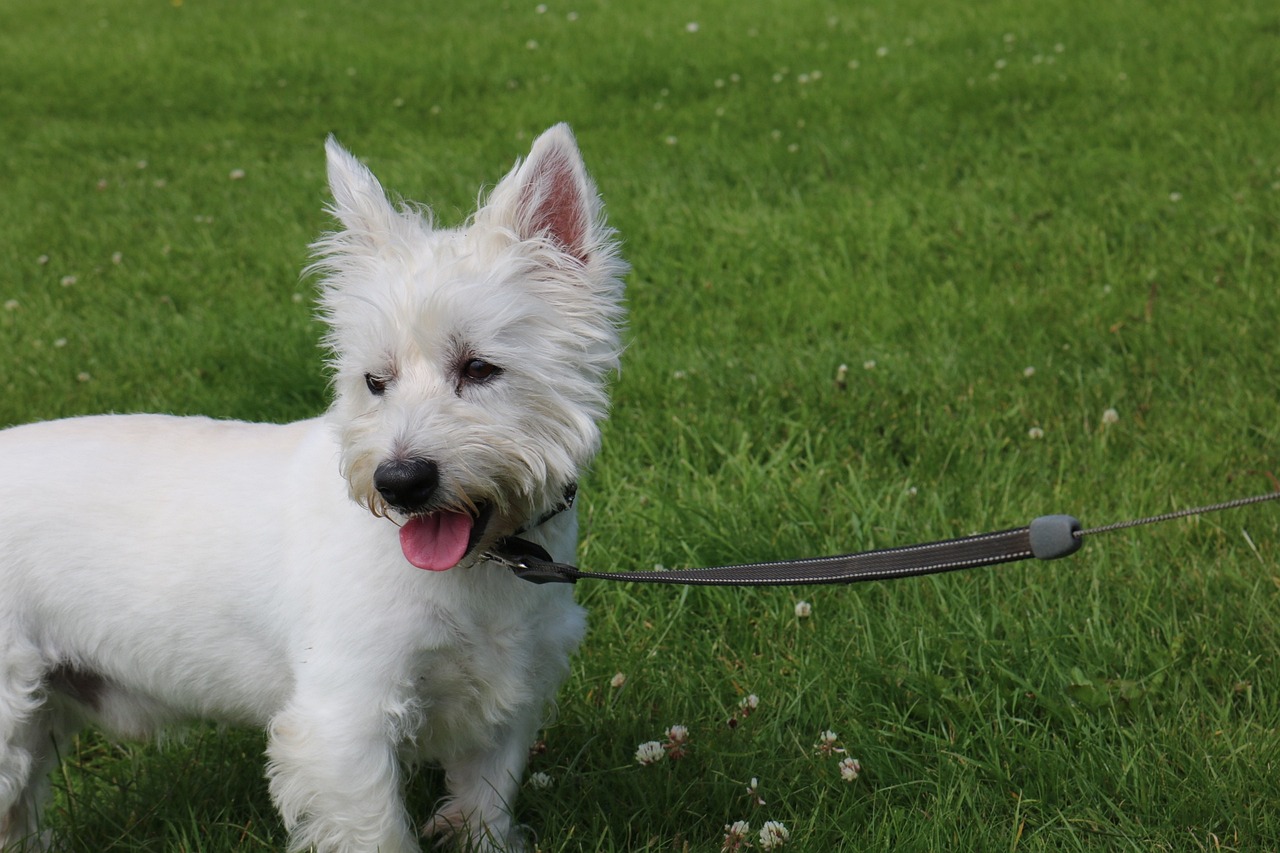
The West Highland White Terrier, affectionately known as the “Westie,” is a small, spunky breed that hails from Scotland. Their fluffy white coat and spirited personality have endeared them to dog lovers worldwide. However, when it comes to the bite force behind those cute little jaws, many are left wondering. How powerful is a Westie’s bite, and does it really hurt? This comprehensive guide delves into the world of Westie bites.
Tracing Back to the Westie’s Roots
To fully understand the bite force of a Westie, it’s pivotal to explore the breed’s origins. The Westie was primarily bred for hunting small rodents, like rats and foxes, in the rocky terrains of Scotland. Such hunting expeditions required tenacity, agility, and a strong bite to grip and dispatch their prey efficiently.
Westie Bite Force in Numbers
When we discuss bite force, we often refer to a measurement called PSI (pounds per square inch). This metric determines the pressure exerted when a dog clamps down. Although the exact PSI of a Westie’s bite hasn’t been scientifically documented, given their size and historical purpose, it can be inferred that they possess a moderately strong bite force, especially when compared to other small breeds.
The Pain Scale: Can a Westie’s Bite Hurt?
Addressing the question many potential Westie owners ask: Can a Westie bite cause pain?
- Compared to Larger Breeds: Naturally, a Westie’s bite will be less forceful than that of larger, more robust breeds. However, it’s essential to remember that the bite’s pain isn’t solely about force but also about the situation and the individual’s pain tolerance.
- Bite Context: A playful nip during a game might surprise more than it hurts. However, a bite from a scared or threatened Westie can be more painful, as they might bite with more force in such scenarios.
Decoding Westie Temperament: Are They Naturally Bite-Prone?
Westies are known for their confident and sometimes stubborn demeanor. This section explores whether their personality traits make them prone to biting:
- Typical Westie Traits: Generally, Westies are friendly, energetic, and curious. However, they can be assertive and have a high prey drive due to their hunting background.
- Training & Upbringing: A Westie’s propensity to bite largely depends on their upbringing. Proper training, early socialization, and consistent boundaries can significantly reduce biting tendencies.
Tips to Minimize Biting Incidents with Your Westie
Being proactive is key to ensuring that your Westie exhibits well-mannered behavior. Here are some pointers:
- Early Socialization: Familiarize your Westie with various people, animals, and environments during their puppy days. This helps in reducing fearful or aggressive reactions to new situations.
- Training & Positive Reinforcement: Establish a reward-based training routine, praising and treating your Westie for good behavior.
- Understanding Their Needs: Ensure your Westie has sufficient physical and mental stimulation. A bored Westie can sometimes resort to nipping or biting to grab attention or out of frustration.
Conclusion
While the Westie might have a strong bite for their size, understanding their history and inherent nature provides context. With a hunting background, their bite evolved as a functional tool. However, their modern-day role as beloved companions means that with proper care, training, and understanding, a Westie’s bite becomes less about aggression and more about communication. Proper upbringing ensures that your relationship with your Westie remains a harmonious one, devoid of painful encounters.
Frequently Asked Questions About Westie Bites
1. Why does my Westie puppy keep nipping at my fingers?
Puppy nipping is common among most breeds, including Westies. It’s a way for them to explore their surroundings and can be more prevalent during teething periods. It’s essential to redirect this behavior early on, offering chew toys and encouraging bite inhibition.
2. Are Westies naturally aggressive or known to be biters?
While Westies have a hunting background and can be assertive, they aren’t inherently aggressive. Proper training, socialization, and understanding their needs can prevent biting tendencies. It’s also crucial to remember that each dog is an individual, and behavior can vary.
3. How can I prevent my Westie from biting strangers or guests?
Early socialization is key. Expose your Westie to various people, environments, and situations while they’re young. Always supervise interactions and use positive reinforcement techniques to reward calm and friendly behavior towards new people.
4. My Westie gets possessive over food and toys. How do I address this biting behavior?
Resource guarding can lead to biting if not addressed. It’s advisable to practice “trade-up” methods where you offer a higher value item in exchange for what they’re guarding. Consultation with a professional dog trainer can also provide tailored strategies for your Westie.
5. Can a Westie’s bite cause significant injury?
While Westies are small, their bite can still cause pain and potential injury, especially if they bite with intent. It’s essential to address any aggressive tendencies and ensure children understand how to approach and play with the dog appropriately.
6. Why does my Westie snap or bite when I try to groom them?
Some Westies might be sensitive or uncomfortable with certain grooming procedures. Gradual positive introductions to grooming tools and practices, combined with treats and praises, can make the experience more pleasant for them.
7. How can I teach bite inhibition to my Westie?
When your Westie bites too hard during play or interaction, let out a yelp or use a word like “ouch” to indicate the discomfort. Over time, this will help them understand the acceptable pressure limits and avoid biting down hard.
8. Are Westie puppies more prone to biting than adults?
Westie puppies might exhibit more nipping and mouthing behaviors due to teething and exploration. However, with consistent training and boundaries, this behavior can be reduced as they mature.
9. Could health issues be causing my Westie to bite?
Yes, pain, discomfort, or underlying health problems can make a Westie more irritable or aggressive. If there’s a sudden change in their behavior, it’s advisable to consult with a veterinarian.
10. How do toys and playtime factor into a Westie’s biting behavior?
Interactive toys and playtime can help channel a Westie’s energy and reduce boredom-related nipping. However, always supervise play sessions and teach them not to guard toys or become overly excited, leading to accidental bites.
 Toledo, United States.