
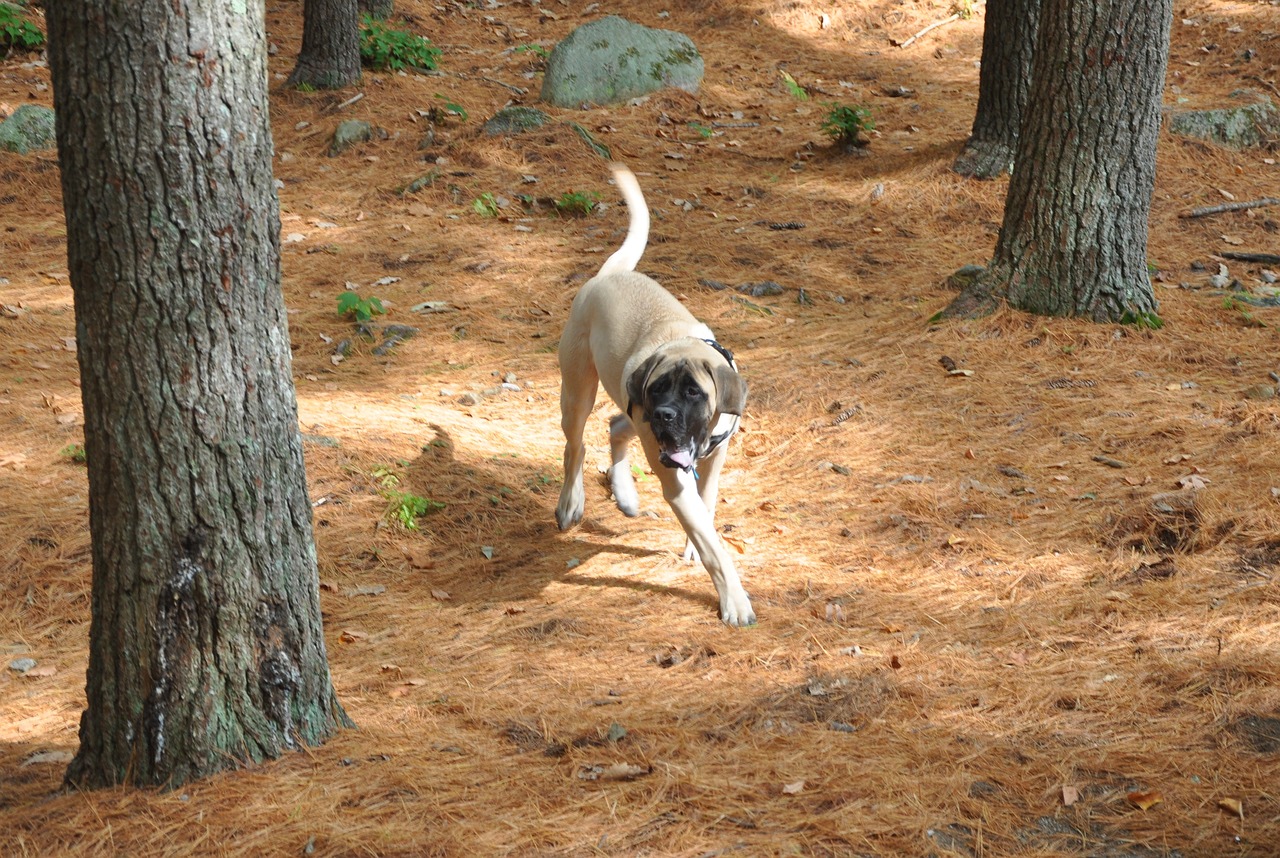
Mastiffs are known for their imposing size and gentle nature, making them a popular choice for families seeking a loyal and affectionate companion. However, as with any large breed, training a mastiff to come when called is essential for their safety and the safety of others. A mastiff who refuses to come when called can pose a danger to themselves and others, especially in high traffic areas.
In this article, we will explore effective training methods to teach your mastiff to come when called, ensuring a safe and enjoyable experience for both you and your furry friend.
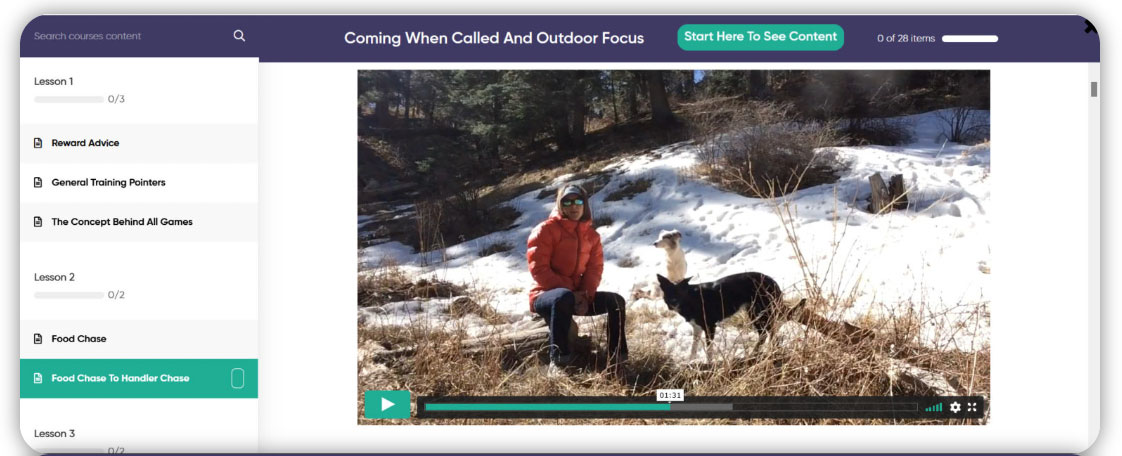
Note: For a complete training, we highly recommend this SpiritDog Online Training Course “Coming When Called”.
1. Start with a Strong Foundation
Before you begin training your mastiff to come when called, it’s crucial to establish a strong bond with your pet. Spend time playing with your dog, engaging in activities they enjoy, and providing positive reinforcement through praise and treats. Building trust and a strong connection with your mastiff will make them more likely to respond positively to your commands.
2. Choose a Distinct Command Word
Select a specific word or phrase for the recall command, such as “come” or “here.” Ensure that the command is distinct from other commands you use and that all family members use the same word consistently. Consistency is critical to avoid confusing your mastiff and ensuring that they understand what you expect from them.
3. Begin Training Your Mastiff in a Controlled Environment
Start training your mastiff to come when called in a controlled, distraction-free environment like your home or a fenced yard. In the early stages of training, it’s essential to minimize distractions to help your dog focus on learning the new command. As your dog becomes more reliable in responding to the recall command, gradually introduce distractions and practice in various environments.
4. Use Positive Reinforcement with Your Mastiff
When training your mastiff to come when called, always use positive reinforcement techniques. Reward your pup with praise, treats, or playtime when they respond to your recall command. This will help create a positive association with the command and motivate your dog to respond consistently. Remember to be patient and consistent in your training, as it may take time for your dog to master the recall command.
If you’re using treats, these are currently the most popular training treats on Amazon.

5. Gradually Increase Distance and Distractions
As your mastiff becomes more reliable in responding to the recall command in a controlled environment, begin to increase the distance between you and your dog during training sessions. Practice calling your dog from various distances and gradually introduce distractions, such as other dogs, people, or toys. This will help your dog learn to respond to the command even in challenging situations.
Related: Looking for the fastest way to train your mastiff to come when called? Try this video course.
6. Make Yourself Interesting and Rewarding to Your Mastiff
To encourage your mastiff to come when called, make yourself more appealing and rewarding to your dog. Use an enthusiastic, high-pitched voice when calling your dog, and reward them with a treat or praise when they respond. You can also try running away from your dog when calling them, as this can entice your dog to chase after you and respond to the recall command.
7. Never Punish Your Mastiff for Coming When Called
It’s essential to avoid punishing your mastiff if they do not immediately respond to the recall command or if they come to you slowly. Punishing your dog can create a negative association with the command and make them less likely to respond in the future. Instead, be patient and continue to practice and reinforce the command using positive reinforcement techniques.
8. Practice the Recall Command Regularly with Your Mastiff
Consistent practice is crucial for training your mastiff to come when called. Incorporate recall training into your dog’s daily routine, and practice the command in various environments and situations. This will help reinforce the behavior and make it more reliable over time.
9. Use a Long Training Leash on Your Mastiff
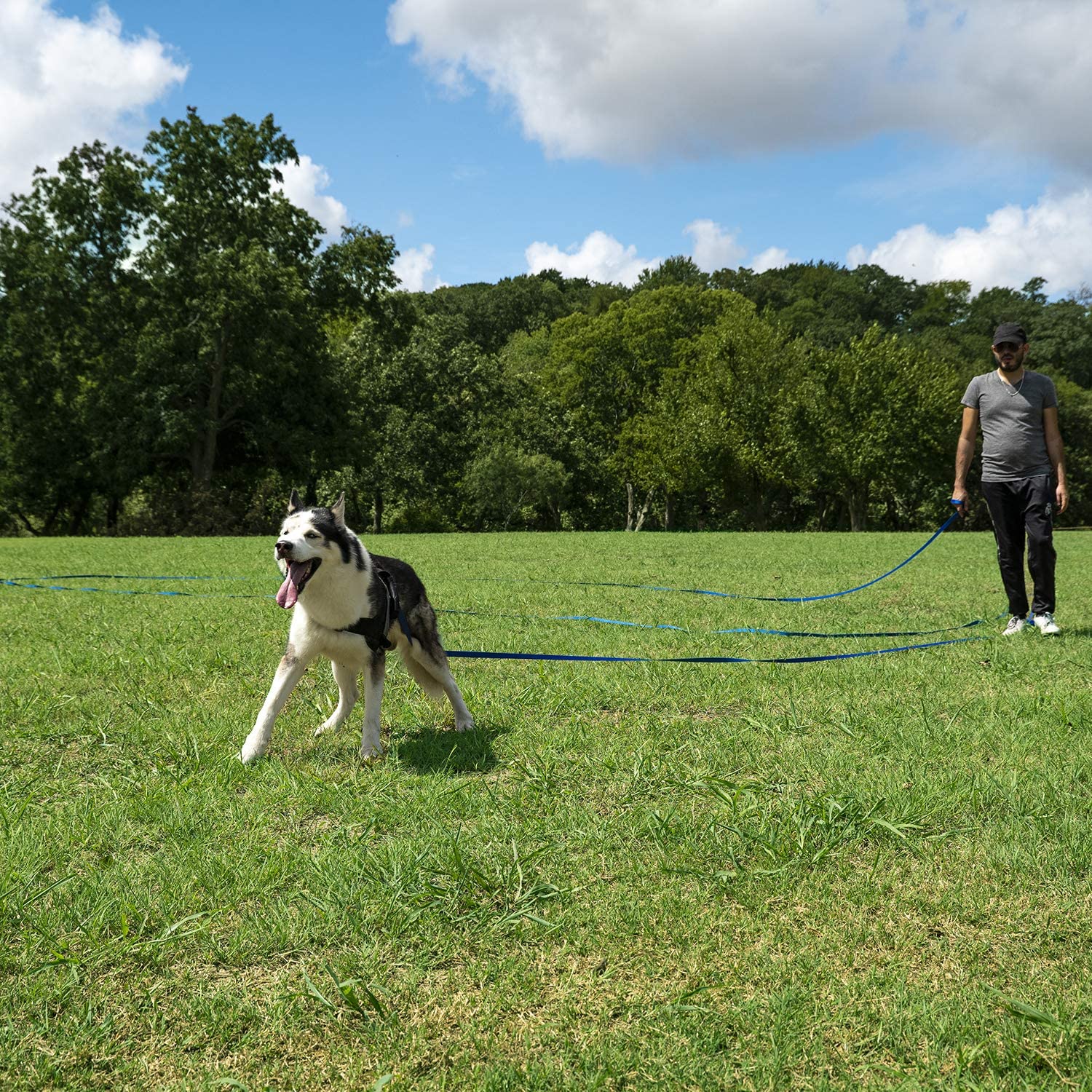
When transitioning from a controlled environment to a more open space, consider using a long training leash to maintain control over your mastiff while they learn to respond to the recall command. This will help you avoid losing control of your dog and provide a safety measure as you gradually increase the distance and distractions during training sessions.
This is the most popular long training leash on Amazon.
10. Be Patient and Persistent with Your Mastiff
Training your mastiff to come when called takes time, patience, and persistence. Some dogs may learn the command quickly, while others may require more time and consistent practice. Be patient with your dog and maintain a positive attitude during training sessions. Remember that every dog is unique, and the key to success is consistent practice and positive reinforcement.
11. Use a Professional Online Mastiff Training Course
While this article provides many helpful tips for training your mastiff, you can increase your chances of success by enlisting the help of a professional online dog trainer. We love the SpiritDog online courses, since its includes unlimited questions with a real dog trainer.
You can check out their Teach Your Mastiff to Come Online Course Here
In conclusion, training your mastiff to come when called is a crucial aspect of responsible pet ownership. With patience, consistency, and positive reinforcement, you can teach your furry friend this important command, ensuring their safety and preventing potentially dangerous situations. Remember to always use a clear and distinct tone when calling your mastiff, and to reward them with treats, praise, and affection when they respond appropriately. With time and effort, your mastiff will become a well-trained and obedient companion, allowing you to enjoy many happy years together. So start training today, and enjoy the benefits of a well-behaved mastiff for years to come!
More Frequently Asked Questions For Training Your Mastiff
1. How can I teach my mastiff to stop jumping on people?
Jumping on people is a common behavior in mastiffs, especially when they are excited or want attention. However, it can be dangerous, particularly for children or older adults who may not be able to withstand the force of a large dog jumping on them. Here are some tips to help you train your mastiff to stop jumping on people:
- Consistency is key: Be consistent in your training and make sure that all family members and visitors are aware of the training process and follow the same rules.
- Ignore bad behavior: When your mastiff jumps on you or a visitor, turn your back and ignore them until they calm down.
- Reward good behavior: When your mastiff greets you or a visitor calmly and without jumping, reward them with praise and a treat.
- Use a leash: If your mastiff is particularly excitable, use a leash to control their movements when greeting visitors.
- Provide an alternative: Train your mastiff to sit or lie down when they greet visitors. This will give them something to do instead of jumping.
- Use a command: Train your mastiff to respond to a specific command, such as “down” or “off,” when they try to jump on someone.
2. How can I stop my mastiff from barking excessively?
Mastiffs are known to be vocal dogs, and barking is a natural part of their behavior. However, excessive barking can be a nuisance to neighbors and can lead to complaints. Here are some tips to help you stop your mastiff from barking excessively:
- Identify the cause: Determine what is triggering your mastiff’s barking. Is it boredom, anxiety, or excitement? Once you identify the cause, you can work on addressing it.
- Provide mental stimulation: Mastiffs need mental stimulation to keep them occupied and prevent boredom. Provide your mastiff with toys and puzzles that require mental effort.
- Exercise regularly: Mastiffs need regular exercise to burn off excess energy and prevent boredom. Make sure your mastiff gets enough exercise each day.
- Train your mastiff to be quiet: Teach your mastiff a “quiet” command and reward them when they stop barking on command.
- Use positive reinforcement: Reward your mastiff for being quiet and not barking excessively.
- Seek professional help: If your mastiff’s barking is causing problems and you are unable to address the issue on your own, seek the help of a professional dog trainer.
3. How can I teach my mastiff to walk calmly on a leash?
Mastiffs are powerful dogs, and walking them on a leash can be a challenge, especially if they are not used to it. Here are some tips to help you train your mastiff to walk calmly on a leash:
- Start slowly: Introduce your mastiff to the leash gradually, allowing them to get used to the sensation before attempting to walk them.
- Use a proper leash: Use a sturdy, comfortable leash that fits your mastiff properly.
- Use positive reinforcement: Reward your mastiff with treats and praise when they walk calmly on the leash.
- Keep the leash loose: Avoid pulling on the leash or tightening it. Instead, keep the leash loose and let your mastiff lead the way.
- Use a harness: A harness can help you control your mastiff’s movements more effectively and prevent them from pulling on the leash.
- Train your mastiff to walk beside you: Teach your mastiff to walk beside you on the leash, rather than in front of you or pulling you along.
- Practice regularly: Practice walking your mastiff on the leash regularly.
4. What’s the best online course for teaching a mastiff to come when called? At iHeartDogs, we recommend the SpiritDog online course “Coming When Called.” The course includes unlimited questions with a real dog trainer.
iHeartDogs is reader supported. Our articles contain affiliate links where we are paid a small commission for linking to a product at no additional cost to the reader.
 Toledo, United States.