
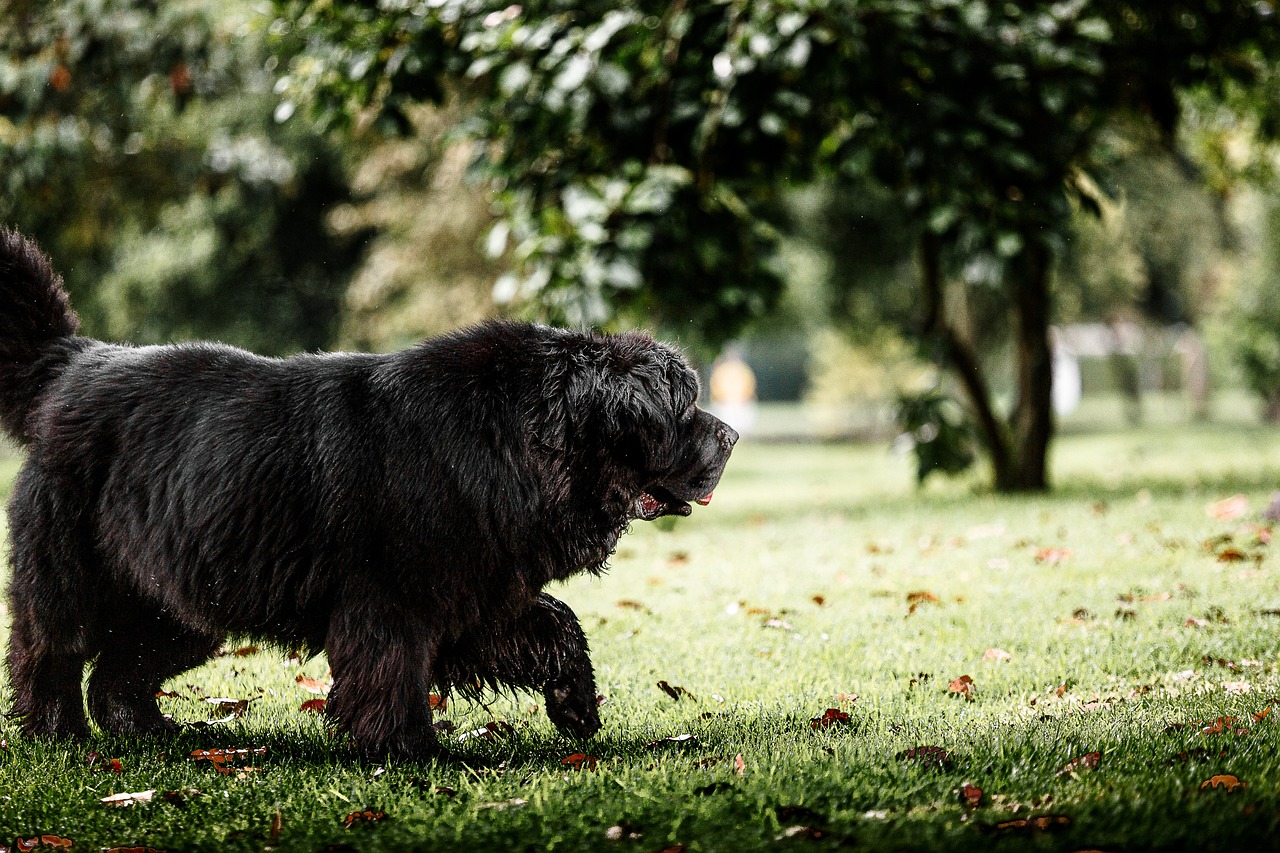
Newfoundlands are known for their intelligence, loyalty, and gentle nature, making them great family pets. However, as with any breed, training is key to ensure a well-behaved dog. One of the most important commands to teach your Newfoundland is to come when called. Not only does this improve their safety, but it also helps to establish a strong bond between you and your furry companion.
In this article, we’ll explore some effective strategies for training your Newfoundland to come when called, as well as tips to help reinforce the behavior over time.
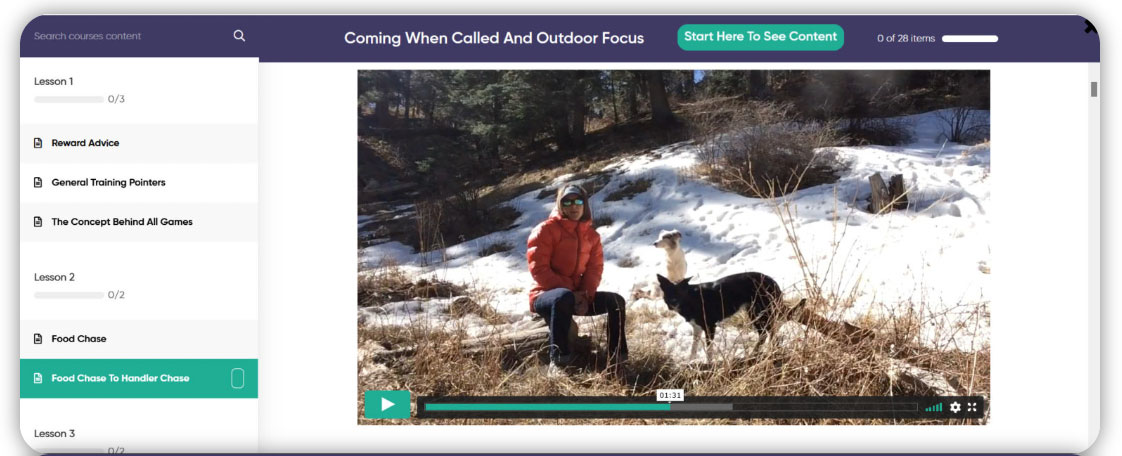
Note: For a complete training, we highly recommend this SpiritDog Online Training Course “Coming When Called”.
1. Start with a Strong Foundation
Before you begin training your newfoundland to come when called, it’s crucial to establish a strong bond with your pet. Spend time playing with your dog, engaging in activities they enjoy, and providing positive reinforcement through praise and treats. Building trust and a strong connection with your newfoundland will make them more likely to respond positively to your commands.
2. Choose a Distinct Command Word
Select a specific word or phrase for the recall command, such as “come” or “here.” Ensure that the command is distinct from other commands you use and that all family members use the same word consistently. Consistency is critical to avoid confusing your newfoundland and ensuring that they understand what you expect from them.
3. Begin Training Your Newfoundland in a Controlled Environment
Start training your newfoundland to come when called in a controlled, distraction-free environment like your home or a fenced yard. In the early stages of training, it’s essential to minimize distractions to help your dog focus on learning the new command. As your dog becomes more reliable in responding to the recall command, gradually introduce distractions and practice in various environments.
4. Use Positive Reinforcement with Your Newfoundland
When training your newfoundland to come when called, always use positive reinforcement techniques. Reward your pup with praise, treats, or playtime when they respond to your recall command. This will help create a positive association with the command and motivate your dog to respond consistently. Remember to be patient and consistent in your training, as it may take time for your dog to master the recall command.
If you’re using treats, these are currently the most popular training treats on Amazon.

5. Gradually Increase Distance and Distractions
As your newfoundland becomes more reliable in responding to the recall command in a controlled environment, begin to increase the distance between you and your dog during training sessions. Practice calling your dog from various distances and gradually introduce distractions, such as other dogs, people, or toys. This will help your dog learn to respond to the command even in challenging situations.
Related: Looking for the fastest way to train your newfoundland to come when called? Try this video course.
6. Make Yourself Interesting and Rewarding to Your Newfoundland
To encourage your newfoundland to come when called, make yourself more appealing and rewarding to your dog. Use an enthusiastic, high-pitched voice when calling your dog, and reward them with a treat or praise when they respond. You can also try running away from your dog when calling them, as this can entice your dog to chase after you and respond to the recall command.
7. Never Punish Your Newfoundland for Coming When Called
It’s essential to avoid punishing your newfoundland if they do not immediately respond to the recall command or if they come to you slowly. Punishing your dog can create a negative association with the command and make them less likely to respond in the future. Instead, be patient and continue to practice and reinforce the command using positive reinforcement techniques.
8. Practice the Recall Command Regularly with Your Newfoundland
Consistent practice is crucial for training your newfoundland to come when called. Incorporate recall training into your dog’s daily routine, and practice the command in various environments and situations. This will help reinforce the behavior and make it more reliable over time.
9. Use a Long Training Leash on Your Newfoundland
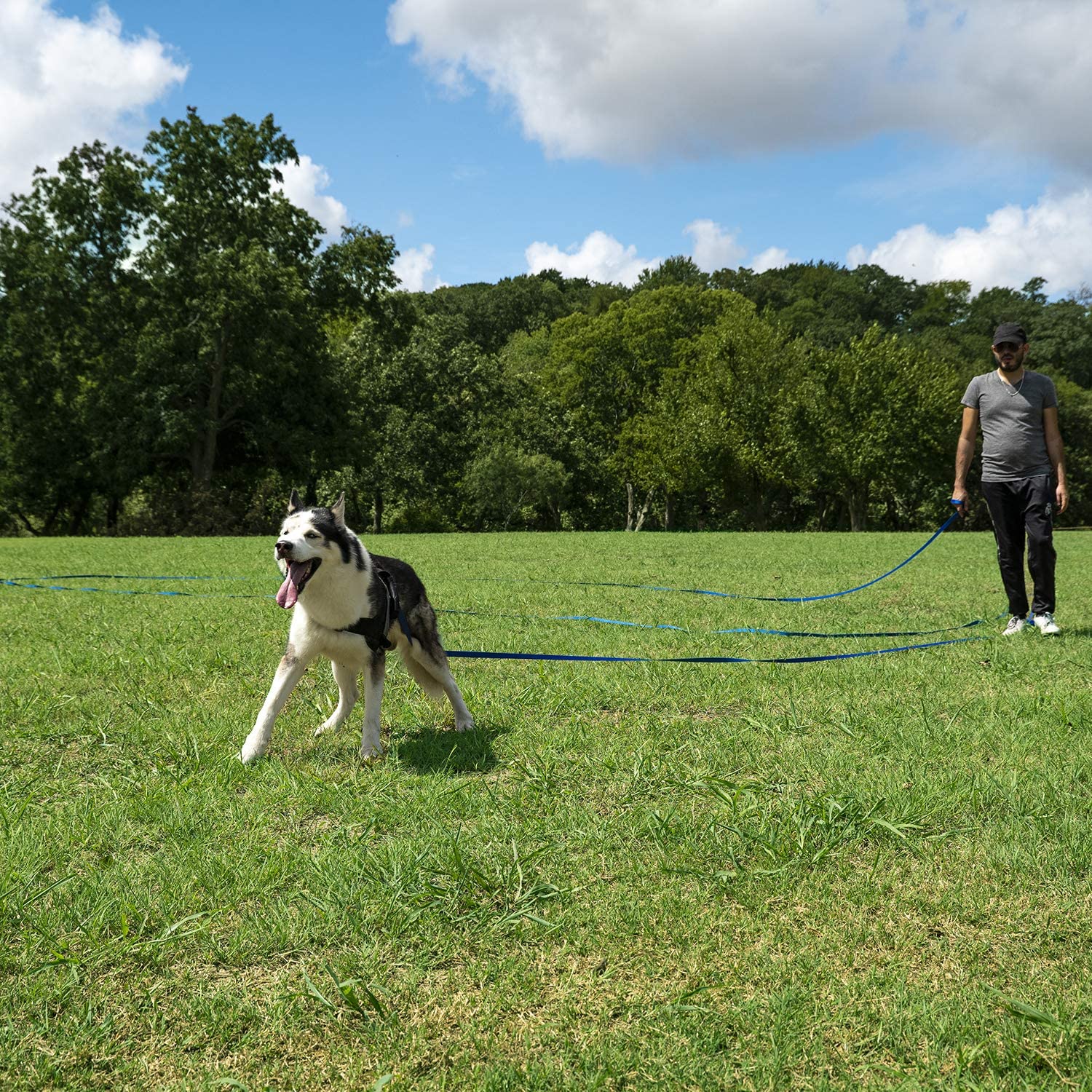
When transitioning from a controlled environment to a more open space, consider using a long training leash to maintain control over your newfoundland while they learn to respond to the recall command. This will help you avoid losing control of your dog and provide a safety measure as you gradually increase the distance and distractions during training sessions.
This is the most popular long training leash on Amazon.
10. Be Patient and Persistent with Your Newfoundland
Training your newfoundland to come when called takes time, patience, and persistence. Some dogs may learn the command quickly, while others may require more time and consistent practice. Be patient with your dog and maintain a positive attitude during training sessions. Remember that every dog is unique, and the key to success is consistent practice and positive reinforcement.
11. Use a Professional Online Newfoundland Training Course
While this article provides many helpful tips for training your newfoundland, you can increase your chances of success by enlisting the help of a professional online dog trainer. We love the SpiritDog online courses, since its includes unlimited questions with a real dog trainer.
You can check out their Teach Your Newfoundland to Come Online Course Here
In conclusion, training your Newfoundland to come when called is an essential skill for both their safety and your peace of mind. By using positive reinforcement, consistency, and patience, you can help your furry friend learn this command and reinforce it over time. Remember to always make the training sessions fun and rewarding for your dog, and to avoid punishment or negative reinforcement, which can damage the trust and bond between you and your pet. With practice and dedication, you and your Newfoundland can build a strong and lasting relationship based on love, trust, and mutual respect.
More Frequently Asked Questions For Training Your Newfoundland
1. How do I teach my Newfoundland to stop jumping on people?
Newfoundlands are known for their friendly and affectionate nature, which can sometimes manifest as jumping on people. While this behavior may seem harmless, it can be uncomfortable or even dangerous for both your dog and others. To teach your Newfoundland to stop jumping on people, follow these steps:
- Be consistent: Ensure that everyone in your household is consistent with the training, as mixed messages can confuse your dog.
- Use positive reinforcement: When your Newfoundland approaches you without jumping, reward them with praise, treats, or toys. This will encourage them to repeat the behavior.
- Ignore jumping behavior: When your dog jumps on you or someone else, immediately turn your back and ignore them. This will teach them that jumping does not get attention.
- Teach an alternative behavior: Train your Newfoundland to sit or offer a paw when they want attention. This will redirect their energy and give them a positive way to interact with people.
2. How do I socialize my Newfoundland?
Socialization is essential for all dogs, but it is especially important for large breeds like Newfoundlands. Socializing your dog means exposing them to a variety of people, animals, and environments to help them feel comfortable and confident in different situations. To socialize your Newfoundland, follow these tips:
- Start early: Begin socializing your dog as soon as possible, ideally before they reach 14 weeks of age. This is when they are most receptive to new experiences.
- Take it slow: Introduce your dog to new people and animals gradually, in a controlled and safe environment. Avoid overwhelming them with too much stimulation at once.
- Use positive reinforcement: Reward your Newfoundland with treats, praise, and toys when they exhibit good behavior during socialization. This will encourage them to feel comfortable in new situations.
- Practice regularly: Make socialization a regular part of your dog’s routine, by taking them to different places and exposing them to new experiences.
3. How can I train my Newfoundland to walk on a leash?
Newfoundlands are large and powerful dogs, so it’s important to train them to walk on a leash safely and comfortably. Follow these tips to teach your Newfoundland to walk on a leash:
- Use the right equipment: Choose a sturdy, well-fitting collar or harness, and a strong leash. Avoid using retractable leashes, as they give your dog too much freedom and can be dangerous.
- Start small: Begin by walking your dog in a quiet, familiar area, such as your backyard or a quiet street. This will help them feel more comfortable with the leash.
- Use positive reinforcement: Reward your Newfoundland with treats, praise, or toys when they walk calmly on the leash. This will encourage them to repeat the behavior.
- Correct unwanted behavior: When your dog pulls or tries to run, stop walking and wait for them to calm down before resuming. This will teach them that pulling does not get them where they want to go.
- Be patient: It takes time and practice for dogs to learn to walk calmly on a leash, so be patient and consistent with the training.
In conclusion, training your Newfoundland requires patience, consistency, and positive reinforcement. By following these tips and being consistent with your training, you can help your furry friend learn important skills, such as coming when called, walking on a leash, and socializing with other dogs and people. Remember to always use positive reinforcement, avoid punishment, and make training a fun and rewarding experience for both you and your dog.
4. What’s the best online course for teaching a newfoundland to come when called? At iHeartDogs, we recommend the SpiritDog online course “Coming When Called.” The course includes unlimited questions with a real dog trainer.
iHeartDogs is reader supported. Our articles contain affiliate links where we are paid a small commission for linking to a product at no additional cost to the reader.
 Toledo, United States.