
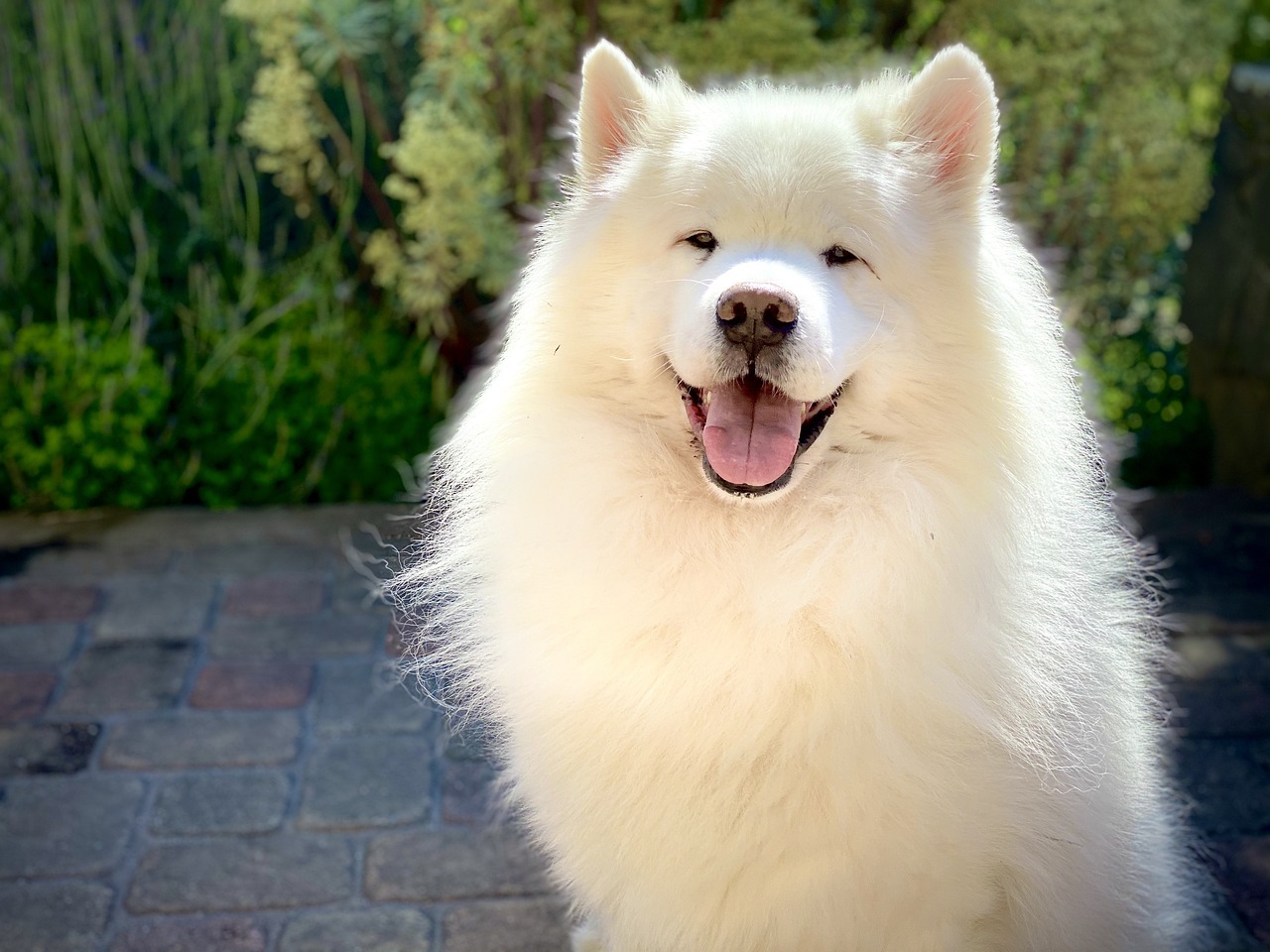
Samoyeds are beautiful and friendly dogs known for their white, fluffy coats and gentle nature. Whether you’re considering bringing home a Samoyed puppy or adopting a rescue, it’s important to be well-prepared for the responsibilities that come with owning this delightful breed. Here are 12 essential things to know before bringing home a new Samoyed.
1. Research the Breed
Before welcoming a Samoyed into your home, conduct thorough research about the breed. Samoyeds are known for their friendly and sociable nature. They require companionship and thrive in a loving family environment. Understanding their characteristics, exercise needs, and grooming requirements will help you provide the best care for your new furry friend.
2. Assess Your Lifestyle
Samoyeds are active and energetic dogs that require regular exercise and mental stimulation. Assess your lifestyle and ensure that you have enough time and energy to dedicate to your Samoyed’s needs. If you have a busy schedule or limited availability for exercise, a Samoyed may not be the best fit for your lifestyle.
3. Grooming and Coat Care
Samoyeds have a thick double coat that requires regular grooming to keep it clean and tangle-free. Their coats shed throughout the year and “blow out” twice a year, during which they shed more heavily. Be prepared to brush your Samoyed’s coat at least once a week and more frequently during shedding seasons. Additionally, regular bathing, nail trimming, and teeth brushing are necessary for their overall health and hygiene.
4. Training is Essential
Training is crucial for Samoyeds to ensure they become well-behaved and obedient companions. Start training your Samoyed early, as they are intelligent dogs and eager to please. Positive reinforcement training methods work best with Samoyeds, as they respond well to praise and rewards. Consider enrolling your Samoyed in obedience classes or working with a professional dog trainer to establish good behavior and strengthen the bond between you and your pet.
Check out the Best 7 Online Dog Training Programs here.
5. Early Socialization is Key
Early socialization is important for Samoyeds to help them become friendly and well-mannered around people and other animals. Expose your Samoyed to various environments, sights, sounds, and experiences from a young age. Introduce them to different people, animals, and situations to help them develop into confident and well-adjusted dogs.
6. Consider Pet Insurance
One important aspect of responsible pet ownership is considering pet insurance. Samoyeds, like any other breed, may be prone to certain health issues such as hip dysplasia and progressive retinal atrophy (PRA). Having pet insurance can provide financial protection and help cover unexpected veterinary expenses, ensuring your Samoyed receives the necessary care without putting a strain on your finances.
Tip: This free tool lets you compare pet insurance prices across all the major carriers.
7. Provide Adequate Exercise
Samoyeds are an active breed that requires daily exercise to keep them physically and mentally stimulated. Plan for regular walks, playtime, and activities that engage their minds. Samoyeds love outdoor adventures, such as hiking and swimming, so providing opportunities for them to explore and expend their energy is essential for their well-being.
8. Embrace the Affectionate Nature
Samoyeds are known for their friendly and affectionate nature. They thrive on companionship and love to be a part of family activities. Be prepared to shower your Samoyed with love, attention, and plenty of cuddles. Their loving and gentle disposition makes them excellent family pets and companions for people of all ages.
9. Be Mindful of Heat Sensitivity
Samoyeds have a thick coat that insulates them in colder climates. However, they can be sensitive to heat. Ensure that your Samoyed has access to shade and fresh water during hot weather. Avoid exercising them during the hottest parts of the day, and be cautious of heat-related illnesses, such as heatstroke.
10. Be Patient with House Training
House training can take time and patience with any dog, including Samoyeds. Be prepared for accidents during the initial stages of house training. Establish a consistent routine, use positive reinforcement techniques, and be patient and consistent in your training efforts. With time and consistency, your Samoyed will learn to become a well-trained and housebroken pet.
11. Provide Mental Stimulation
Samoyeds are intelligent dogs that require mental stimulation to prevent boredom and destructive behavior. Provide them with puzzle toys, interactive games, and training exercises that challenge their minds. Engaging their intelligence and problem-solving skills will help keep them happy and prevent behavioral issues.
12. Prepare for Vocalization
Samoyeds are known for their vocal nature. They have a wide range of vocalizations, including barks, howls, and “talking” noises. Be prepared for some level of vocalization from your Samoyed, especially when they want attention or if they perceive something as a threat. Training and socialization can help manage excessive barking and promote appropriate communication.
13. Make Sure These Products Are On Your Shopping List!
Bringing home a new Samoyed can be overwhelming, so we compiled a comprehensive list of every product you’ll need for your new Samoyed here.
Frequently Asked Questions (FAQ)
Q: Are Samoyeds good with children?
A: Yes, Samoyeds are known for their gentle and friendly nature, making them great companions for children. However, as with any dog, supervision is important to ensure safe interactions and teach children how to properly interact with dogs.
Q: Do Samoyeds require a lot of exercise?
A: Yes, Samoyeds are an active breed that requires daily exercise. Plan for walks, playtime, and engaging activities to keep them physically and mentally stimulated. A tired Samoyed is a happy and well-behaved Samoyed.
Q: Are Samoyeds hypoallergenic?
A: While no dog is truly hypoallergenic, Samoyeds have a relatively low dander production, which can make them more tolerable for some people with allergies. However, it’s important to spend time with a Samoyed before bringing one home if you have allergies to ensure you’re not sensitive to them.
Q: Can Samoyeds live in apartments or small spaces?
A: Samoyeds are active and energetic dogs that require space to roam and exercise. While they can adapt to living in apartments or small spaces, it’s important to provide them with regular exercise, mental stimulation, and opportunities to be outdoors. Access to nearby parks or open areas is beneficial for their well-being.
Q: Are Samoyeds prone to any health issues?
A: Samoyeds can be prone to certain health issues, including hip dysplasia, progressive retinal atrophy (PRA), and hypothyroidism. Regular veterinary check-ups, a balanced diet, and exercise are important for maintaining their overall health. It’s essential to work closely with a reputable breeder or rescue organization to ensure that the Samoyed you bring home is from a healthy lineage and has undergone necessary health screenings.
Q: Do Samoyeds get along well with other pets?
A: Samoyeds generally have a friendly and social nature, which can extend to other pets if they are properly introduced and socialized from an early age. However, as with any breed, individual temperaments may vary, and it’s important to monitor and supervise interactions between your Samoyed and other pets to ensure harmony in the household.
Q: How often should I groom my Samoyed?
A: Samoyeds have a thick double coat that requires regular grooming to keep it clean and prevent matting. Brush your Samoyed’s coat at least once a week to remove loose fur and tangles. During shedding seasons, more frequent brushing may be necessary. Additionally, regular bathing, nail trimming, and teeth brushing should be part of their grooming routine.
Q: Are Samoyeds prone to separation anxiety?
A: Samoyeds are known for their strong bond with their owners and can be prone to separation anxiety if left alone for long periods. It’s important to gradually acclimate your Samoyed to being alone and provide them with mental stimulation and toys to keep them occupied when you’re away. Consider crate training and implementing a consistent routine to help alleviate separation anxiety.
Q: Can Samoyeds be trained off-leash?
A: With proper training and socialization, some Samoyeds can be trained to be reliable off-leash. However, it’s important to note that Samoyeds have a high prey drive and may be easily distracted by scents or animals. Training should be consistent, and off-leash activities should be conducted in secure, fenced areas to ensure the safety of your Samoyed.
Conclusion
Bringing home a new Samoyed is an exciting and rewarding experience. By understanding the breed’s unique characteristics, grooming needs, exercise requirements, and training considerations, you can ensure a smooth transition and a happy life together. Remember to provide your Samoyed with love, attention, and proper care to foster a strong bond and a lifelong companionship.
 Toledo, United States.