
iHeartDogs is reader-supported. When you buy via links on our site, we may earn an affiliate commission at no extra cost to you.
When your dog gets sick, do you ever consider it could be the food in his bowl that is bringing him down? We often place blame for illness on issues like exposure to other sick pups, genetics, or sensitivities, but the truth is your dog’s diet is the cornerstone of his overall health. You place a lot of faith in the can or bag of food you pull off the shelf.
These are 5 health conditions – some extremely severe – that could be caused by your dog’s food, and one easy way to avoid them all.
1. Pica/Coprophagia

You might be familiar with the words “Pica” or “Coprophagia,” but most pet parents know it by a different name: poop eating.
A dog who is starving for nutrients will put anything he can in his belly. Dogs often eat poop or grass, but some poor pups will even attempt to eat rocks or dirt to fill in the gaps in their diet. Not only can this behavior expose your pup to potentially dangerous diseases, but it can also lead to hefty surgery bills.
Though it’s sometimes caused by other issues, such as anxiety or boredom, making sure your dog is getting all the nutrients he needs will help keep non-food objects out of his stomach.
2. Food Allergies

Food allergies are extremely common in pups of all ages, breeds, and genders, and are often caused by ingredients you might never suspect. Some common allergens include chicken, corn, dairy products, and wheat ingredients you’ll probably notice when you read the nutritional contents on any package of dog food.
If your dog has food allergies, you may notice itchy skin, hives, a swollen face, and tummy troubles. Many pet parents blame allergic reactions on the environment, but don’t forget that your food could be the culprit. See our list of the 12 Best Dog Foods For Allergies if you think your dog may be suffering from food allergies.
RELATED: The Complete Dog Food Guide: Nutrition, Ingredients, Feeding & How to Choose
3. Heart Disease

The FDA has been investigating a link between grain-free diets and Canine Dilated Cardiomyopathy (CDC), which enlarges the heart, making it more difficult for the circulation of blood throughout the body. Several foods, most of which have been labeled “grain-free,” are thought to cause this disease in dogs. Though they have not concluded their investigation, the FDA is advising pet parents to consult their vets before feeding grain-free diets.
Unfortunately, many manufacturers still proudly make and label their food as grain-free, and numerous unaware dog lovers continue to feed their pups these foods because they believe dogs are carnivores. The truth is, dogs need a variety of foods to satisfy their dietary needs, including vegetables and grains.
4. Diabetes mellitus

Diabetes is sometimes an unfortunate side effect of obesity. Excess sugar in the bloodstream can cause damage to vital organs and make the body “starve” for fuel, which will lead to it breaking down fats and proteins to make its own. Dogs who are overweight can develop insulin resistance, resulting in a need for lifelong care, as there is no cure for diabetes. When not treated, it can lead to kidney failure, liver disease, and even blindness.
Dogs with diabetes require frequent monitoring and daily insulin injections, as well as special diets that will keep their glucose levels low. The best preventative is to keep your dog on a healthy diet and lifestyle to help him avoid developing diabetes. You’d be surprised how much sugar the dog food in your pantry might have. It’s usually in the form of starchy fillers, which make up much more of the recipe than your dog needs – or can handle.
5. Obesity
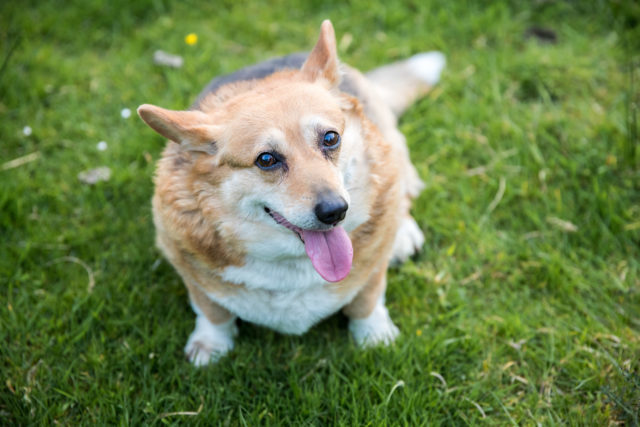
Serving sizes on packaged food are often one-size-fits-all, and those numbers are not specific to the unique needs of your dog. Pet parents who feed according to package directions are often shocked to find they’ve been over- or under-feeding their dogs. Additionally, obesity can cause painful joint problems, breathing issues, or can even shorten your pup’s lifespan.
Your dog must get enough to eat without going overboard. Calorie counting is the usual solution, but it can be challenging to make sure your pup is getting the proper nutrition and calories while still getting enough food to keep his belly feeling full. Talk to your vet to make sure you’re meeting your dog’s caloric needs.
How To Avoid Food-Related Health Issues
Feeding your dog a healthy, balanced diet is rarely as easy as picking a bag off a shelf. Many vets recommend fresh-made or raw diets over kibble, but these options can be expensive, time-consuming, and difficult to prepare and store safely.
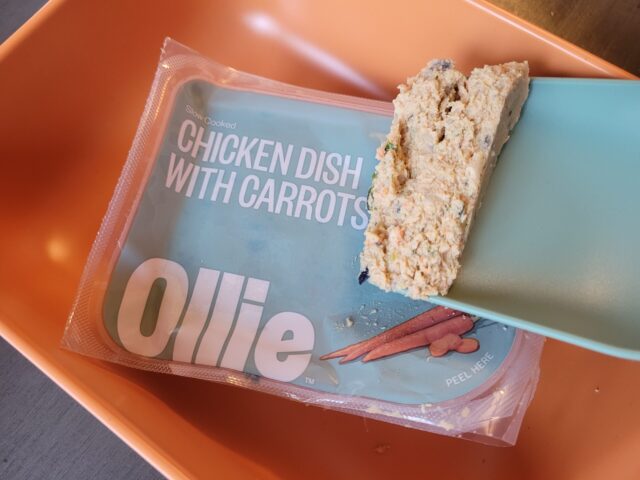
The alternative is Ollie, a convenient, fresh-made meal option crafted to support your dog’s health without the hassle of DIY diets. With Ollie, you can avoid the pitfalls of many processed foods, such as those listed above. Ollie’s meals are carefully formulated with high-quality proteins, fresh vegetables, and essential nutrients, so your pup gets a complete, balanced diet in every bite. By choosing Ollie, you’re making a simple, healthy choice to give your dog the nutrition they need to thrive.
And don’t forget, get 60% off your first box of meals when you subscribe today! With Ollie, you can rest easy knowing your dog’s food is fresh, nutritious, and delivered on a schedule that fits your life. Plus, they offer free shipping across the contiguous United States!

FAQs About Health Problems That Could Be Caused By Your Dog’s Food
1. Can my dog’s food really cause health problems?
Yes, your dog’s diet plays a major role in their overall health. Poor-quality ingredients, allergens, or imbalanced nutrition can lead to a variety of health issues over time.
2. What are common signs that my dog’s food is causing problems?
Signs may include itching, digestive issues, dull coat, ear infections, low energy, or unexplained weight changes. These symptoms often point to food-related concerns.
3. Can food allergies lead to serious health issues in dogs?
Absolutely. Food allergies can cause chronic skin irritation, infections, and gastrointestinal problems if not properly managed.
4. How does poor-quality dog food affect digestion?
Low-quality food can be harder to digest, leading to gas, diarrhea, constipation, or nutrient deficiencies that impact your dog’s overall well-being.
5. Can my dog’s food contribute to obesity?
Yes, foods high in fillers, unhealthy fats, and excess calories can lead to weight gain. Obesity increases the risk of joint problems, diabetes, and heart disease.
6. Are artificial additives harmful to dogs?
Some artificial colors, flavors, and preservatives may trigger allergic reactions or sensitivities in certain dogs, especially over long-term exposure.
7. Can diet affect my dog’s skin and coat health?
Definitely. A lack of essential nutrients like omega-3 fatty acids can result in dry skin, excessive shedding, and a dull coat.
8. How can I tell if my dog has a food intolerance?
Food intolerances often show up as digestive issues like diarrhea, vomiting, or chronic gas. An elimination diet can help identify the specific trigger.
9. Should I change my dog’s food immediately if I suspect a problem?
It’s best to transition gradually to avoid further digestive upset. Consulting a veterinarian before making major changes is also recommended.
10. How can I choose the right food to prevent these health issues?
Look for high-quality, balanced dog food with recognizable ingredients. Consider your dog’s age, breed, and specific health needs, and consult your vet for guidance.
Better Nutrition for a Healthier Dog
Your dog’s health starts with what’s in their bowl. From preventing nutrient deficiencies and food allergies to reducing the risk of obesity and chronic conditions, choosing the right diet can make all the difference. By focusing on high-quality, balanced nutrition and avoiding heavily processed foods, you can help your dog live a longer, healthier, and happier life. Making the switch to fresh, thoughtfully prepared meals is a simple yet powerful step toward giving your pup the care they truly deserve.
 Toledo, United States.