
Most dog owners brush their own teeth twice a day without thinking about it. But how often do you think about your dog’s teeth? If the answer is “not much,” you’re not alone. Dental disease is the single most common health condition diagnosed in dogs, and by the time you notice symptoms, the damage may already be spreading far beyond your dog’s mouth.
Here’s what catches most people off guard: canine dental disease doesn’t just cause bad breath and sore gums. Left untreated, the bacteria building up along your dog’s gumline can enter the bloodstream and travel to vital organs. The result? Serious, sometimes life-threatening illness that started with something as simple as plaque buildup.
We talked to veterinarians and dug into the research to bring you the full picture of what dental disease can do to your dog, how to spot it early, and what you can do about it right now.

How Canine Dental Disease Develops
Dental disease in dogs follows a predictable pattern. It starts with plaque, a sticky film of bacteria that forms on the teeth after eating. Within 36 to 72 hours, that plaque hardens into tartar (also called calculus), which can’t be removed by brushing alone.
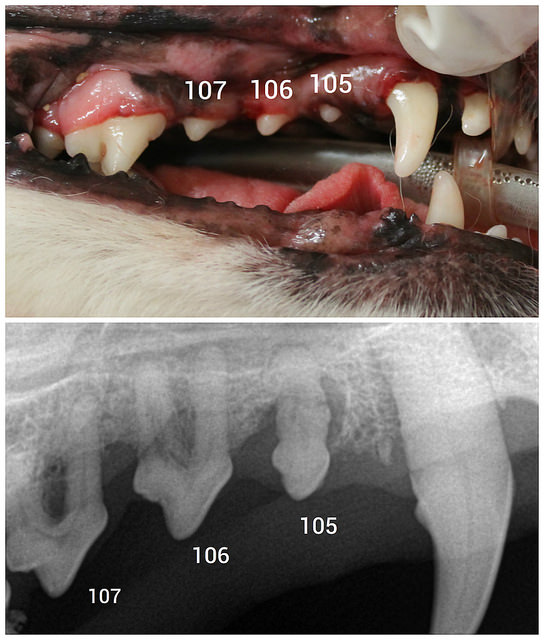
As tartar builds up along and under the gumline, it triggers inflammation called gingivitis. At this early stage, the damage is still reversible with a professional veterinary cleaning. But once the infection works deeper into the tooth’s supporting structures (the ligaments and bone), it becomes periodontal disease, and that’s where things get dangerous.
Periodontal disease creates pockets of infection between the teeth and gums. Bacteria from these pockets don’t stay in the mouth. They leak into the bloodstream every time your dog chews, and they hitch a ride to the heart, liver, kidneys, and other organs. That’s how a “simple” dental problem becomes a whole-body crisis.
1. Heart Disease From Oral Bacteria
The connection between dental disease and heart problems in dogs is well documented. When bacteria from infected gums enter the bloodstream, they can attach to the heart valves and the inner lining of the heart. This condition, called bacterial endocarditis, is as serious as it sounds.
Once bacteria colonize the heart valves, they form small clusters called vegetations. These growths damage the valve tissue, making it harder for the heart to pump blood properly. Over time, this leads to heart murmurs, congestive heart failure, and in some cases, sudden death.
Small and toy breed dogs face the highest risk here. Breeds like Cavalier King Charles Spaniels, Dachshunds, and Chihuahuas are already prone to both dental disease and heart conditions, creating a dangerous combination.
Symptoms to Watch For
Signs that dental bacteria may be affecting your dog’s heart include persistent coughing (especially at night), exercise intolerance, rapid breathing at rest, and swollen abdomen from fluid buildup. If your dog has known dental disease and develops any of these symptoms, get to your vet immediately.
2. Liver Damage and Abscesses
Your dog’s liver filters blood from the entire digestive tract, which means it’s one of the first organs to encounter bacteria swallowed from an infected mouth. When the liver gets overwhelmed by a steady stream of oral bacteria, abscesses can form inside the organ.
Liver abscesses are pockets of infection trapped inside the liver tissue. Treatment requires long courses of antibiotics (sometimes lasting months), and even with aggressive treatment, the prognosis can be uncertain. In severe cases, the infection damages enough liver tissue to cause liver failure.
Dogs with liver problems from dental infection often show vague symptoms at first: decreased appetite, low energy, and occasional vomiting. As the condition worsens, you might notice yellowing of the gums and whites of the eyes (jaundice), increased thirst, and weight loss. These signs overlap with many other conditions, which is why vets will often check the teeth when investigating unexplained liver issues.
3. Kidney Disease and Infection
The kidneys are another organ system vulnerable to bacteria from the mouth. Because the kidneys constantly filter the blood, they’re repeatedly exposed to any bacteria circulating in the bloodstream. Chronic dental infection gives bacteria a persistent entry point.
Research published in veterinary journals has shown that dogs with severe dental disease have a significantly higher risk of developing kidney disease compared to dogs with healthy mouths. The bacteria can cause direct infection of the kidney tissue (pyelonephritis) or contribute to chronic inflammation that gradually destroys kidney function over months and years.
What makes this particularly concerning is that kidney disease in dogs is often silent until 65% to 75% of kidney function is already lost. By the time you notice your dog drinking more water, urinating more frequently, or losing weight, the damage is usually irreversible. Preventing dental disease is one tangible step you can take to protect your dog’s kidneys long-term.
4. Diabetes Complications
The relationship between dental disease and diabetes in dogs runs both ways. Dogs with diabetes are more prone to infections of all kinds, including gum disease. And chronic dental infection makes diabetes significantly harder to manage because infection drives up blood sugar levels and makes the body more resistant to insulin.
If your diabetic dog’s blood sugar seems impossible to regulate despite proper insulin doses and diet, your vet may want to look inside your dog’s mouth. A dental infection acting as a constant source of inflammation can throw off glucose control entirely. Treating the dental disease often leads to noticeable improvement in blood sugar management.
Even in dogs that aren’t diabetic, chronic inflammation from dental disease contributes to insulin resistance. While we can’t say dental disease directly causes diabetes, it creates the kind of metabolic stress that pushes a predisposed dog closer to developing the condition. For breeds already at higher risk for diabetes (like Samoyeds, Australian Terriers, and Miniature Schnauzers), keeping teeth clean is especially important.
5. Jaw Fractures and Bone Infection
This is the complication that surprises most dog owners. Severe dental disease doesn’t just affect the teeth; it destroys the bone that holds the teeth in place. When infection penetrates deep into the jawbone, it causes osteomyelitis, a painful bone infection that weakens the jaw structure.
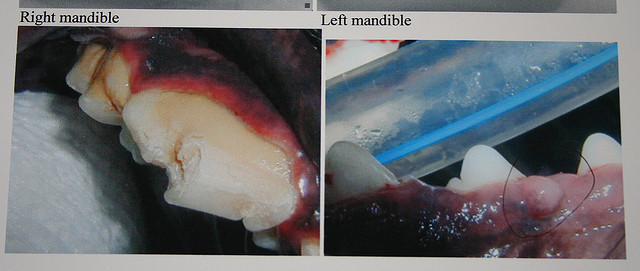
In small breed dogs, the lower jawbone (mandible) can become so brittle from chronic infection that it fractures during normal activity, like chewing on a toy or even yawning. These pathologic fractures are notoriously difficult to repair because the infected, weakened bone doesn’t heal well. Some dogs end up needing specialized surgical plates, while others face permanent jaw instability.
Small and toy breeds are at highest risk because their jawbones are naturally thin. A Yorkshire Terrier or Maltese with advanced dental disease may have lost so much bone density that the jaw is paper-thin in places. This is one of the strongest arguments for preventing dental disease before it gets to an advanced stage.
Signs Your Dog May Have Dental Disease
Dogs are masters at hiding pain, so dental disease can progress quite far before you notice obvious signs. Here’s what to watch for, roughly in order from early to advanced:
Early signs: Bad breath is usually the first clue. A healthy dog’s mouth shouldn’t smell particularly foul. If your dog’s breath has gotten noticeably worse, bacteria are building up. You might also see yellowish-brown tartar along the gumline, especially on the upper back teeth.
Moderate signs: Red, swollen, or bleeding gums (you might notice blood on chew toys). Drooling more than usual. Dropping food while eating. Chewing on one side of the mouth. Pawing at the face or mouth.
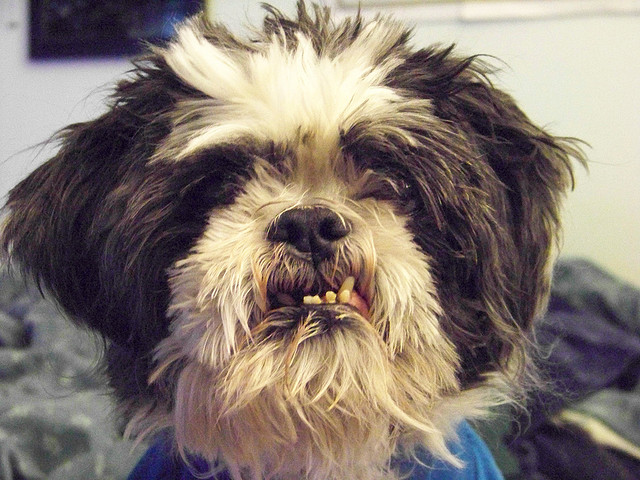
Advanced signs: Loose or missing teeth. Visible pus along the gumline. Swelling under the eyes (which can indicate a tooth root abscess). Refusing to eat hard food or treats. Nasal discharge from one nostril, which can happen when an upper tooth root abscess breaks through into the nasal cavity.
If you’re seeing any of these signs, your dog needs a veterinary dental evaluation as soon as possible. The earlier dental disease is caught, the simpler and less expensive treatment will be.
How to Prevent Dental Disease in Dogs
The good news is that dental disease is largely preventable. You don’t need to be perfect, but doing something is dramatically better than doing nothing. Here are the most effective strategies, ranked by impact:
Daily tooth brushing: This is the gold standard. Using a soft-bristled dog toothbrush and enzymatic dog toothpaste (never human toothpaste, which contains ingredients toxic to dogs), brush along the gumline where bacteria accumulate. Even brushing three times per week makes a measurable difference. If your dog won’t tolerate a brush, finger brushes or dental wipes are a reasonable alternative.
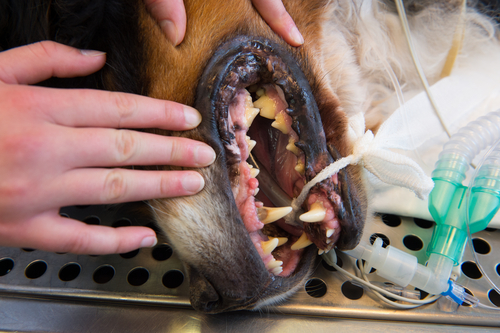
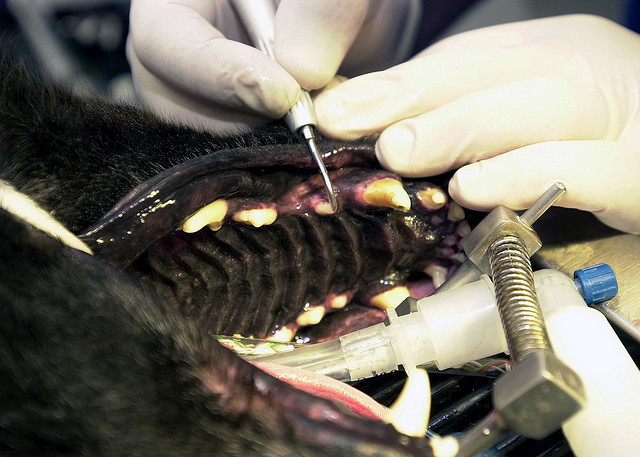
Annual professional cleanings: Your vet can remove tartar below the gumline that brushing can’t reach. Professional cleanings require anesthesia, which understandably makes some owners nervous. But modern veterinary anesthesia is very safe, and the benefits of a thorough cleaning far outweigh the small risks, particularly for senior dogs who are more vulnerable to the systemic effects of dental bacteria.
Dental treats and chews: Look for products carrying the Veterinary Oral Health Council (VOHC) seal, which means they’ve been tested and proven to reduce plaque or tartar. Dental chews work by mechanically scraping the teeth as your dog chews, and some contain enzymes that break down bacterial films.
iHeartDogs Brushy Sticks Dental Treats
If your dog treats toothbrush time like a wrestling match, Brushy Sticks are a stress-free alternative that still gets the job done. The triple-enzyme formula works on plaque and tartar while your dog chews, and the textured shape reaches spots that flat treats miss. They freshen breath too, which your nose will appreciate during those up-close cuddle sessions. One stick after dinner turns dental care into something your dog actually looks forward to.

Water additives: Enzymatic water additives can help reduce bacteria in your dog’s mouth throughout the day. They’re not a substitute for brushing, but they add another layer of protection. Look for products with the VOHC seal here too.
Diet considerations: Some veterinary dental diets use specially shaped kibble that scrubs the teeth as your dog eats. While regular kibble doesn’t do much for dental health (contrary to popular belief), these prescription diets are formulated specifically to reduce plaque accumulation.
When to Call Your Vet About Your Dog’s Teeth
Some dental situations need professional attention sooner rather than later. Call your vet right away if you notice:
- Facial swelling, especially below the eye
- Bleeding from the mouth that doesn’t stop
- A broken or visibly fractured tooth
- Your dog suddenly refusing to eat
- Discharge from the nose on one side only
- A lump or mass on the gums
For less urgent concerns like gradually worsening breath or visible tartar, bring it up at your dog’s next wellness visit. Your vet can assess whether a professional cleaning is needed and check for any signs that infection has spread beyond the mouth. Dogs dealing with common health issues that develop with age should get dental checks more frequently, since their immune systems are already working harder.
Keeping your dog at a healthy weight also matters for overall health and recovery. Obesity in dogs compounds the inflammatory load on the body, making it harder to fight off infections, including dental ones. And staying on top of hydration is important too, since dogs recovering from dental procedures or dealing with kidney stress from chronic infection need plenty of fresh water. Watch for signs of dehydration if your dog has been eating or drinking less due to mouth pain.
Frequently Asked Questions About Canine Dental Disease
Can a dog die from dental disease?
Yes, a dog can die from complications of untreated dental disease. When oral bacteria enter the bloodstream, they can cause infections in the heart, liver, and kidneys that become life-threatening without treatment. Bacterial endocarditis (heart valve infection) and sepsis (bodywide blood infection) are two of the most dangerous outcomes. While death directly from a bad tooth is uncommon, the secondary organ damage from chronic dental infection is a real and documented risk.
Can bad teeth cause seizures in dogs?
While dental disease itself doesn’t directly cause seizures, there is an indirect connection. Severe dental infections can lead to sepsis, where bacteria and toxins flood the bloodstream. In rare cases, this systemic infection can affect the brain, potentially triggering seizures. Additionally, the kidney and liver damage caused by dental bacteria can lead to toxin buildup in the blood (uremia or hepatic encephalopathy), which may cause neurological symptoms including seizures.
How fast can a tooth infection spread in dogs?
A tooth infection can spread to surrounding tissues within days to weeks. An abscessed tooth root can break through bone and skin in as little as one to two weeks, creating a draining tract below the eye. The systemic spread of bacteria through the bloodstream, however, is a gradual process that happens over months of chronic dental disease. That said, an acute severe infection can cause sepsis within 24 to 48 hours in some cases, which is why sudden facial swelling or a dog that stops eating entirely warrants an emergency vet visit.
What does severe dental disease look like in dogs?
Severe dental disease in dogs typically shows heavy brown or green tartar covering most of the teeth, bright red or purple gums that bleed easily, visibly loose teeth, receding gums exposing tooth roots, pus along the gumline, and strong foul odor from the mouth. You may also see facial swelling from tooth root abscesses, missing teeth, and difficulty eating. In advanced cases, the gum tissue may appear to be growing over the teeth or pulling away dramatically.
How much does dog dental cleaning cost?
A professional dog dental cleaning typically costs between $300 and $800, depending on your location, your dog’s size, and the extent of dental disease. This base price usually covers anesthesia, scaling, polishing, and dental X-rays. If extractions are needed, costs can climb to $1,000 to $3,000 or more, depending on how many teeth need to come out and how complicated the extractions are. While not cheap, a cleaning at the early stages of dental disease is far less expensive than treating organ damage caused by years of neglected dental health.
Can dental disease be reversed in dogs?
Gingivitis (the earliest stage of dental disease) is fully reversible with a professional cleaning followed by regular at-home dental care. Once the disease progresses to periodontitis, where the bone and ligaments supporting the teeth are damaged, that structural damage is permanent. However, treatment can stop the disease from getting worse, manage infection, and prevent the dangerous systemic complications described above. The key is catching it early, which is why annual veterinary dental evaluations are so important.

Your Dog’s Teeth Tell a Bigger Story Than You Think
Dental disease in dogs is one of those problems that’s easy to put off. Your dog is still eating, still wagging their tail, still greeting you at the door. Everything seems fine on the surface. But underneath, bacteria may be quietly doing damage to organs your dog can’t live without.
The five illnesses covered here (heart disease, liver damage, kidney disease, diabetes complications, and jaw fractures) are all preventable when you stay ahead of dental care. You don’t need to be perfect. Brushing a few times a week, offering dental chews, and keeping up with your vet’s cleaning recommendations goes a long way.
Take a minute today to lift your dog’s lip and look at their gums. If you see redness, tartar buildup, or smell something off, it’s time to schedule a dental checkup. Your dog will thank you with better breath, less pain, and many more healthy years by your side. For more ways to support your dog’s health as they age, start with regular vet visits and daily dental care.
 Toledo, United States.