

If you’re a West Highland White Terrier (Westie) owner, you know that these little dogs are full of energy and personality. However, their independent nature can sometimes make it difficult to train them to come when called. This can be frustrating and even dangerous if your Westie runs off and gets into trouble. But don’t worry, with patience and consistent training, you can teach your Westie to come when called.
In this article, we’ll go over some effective methods for training your Westie to come when called, so you can enjoy worry-free playtime with your furry friend.
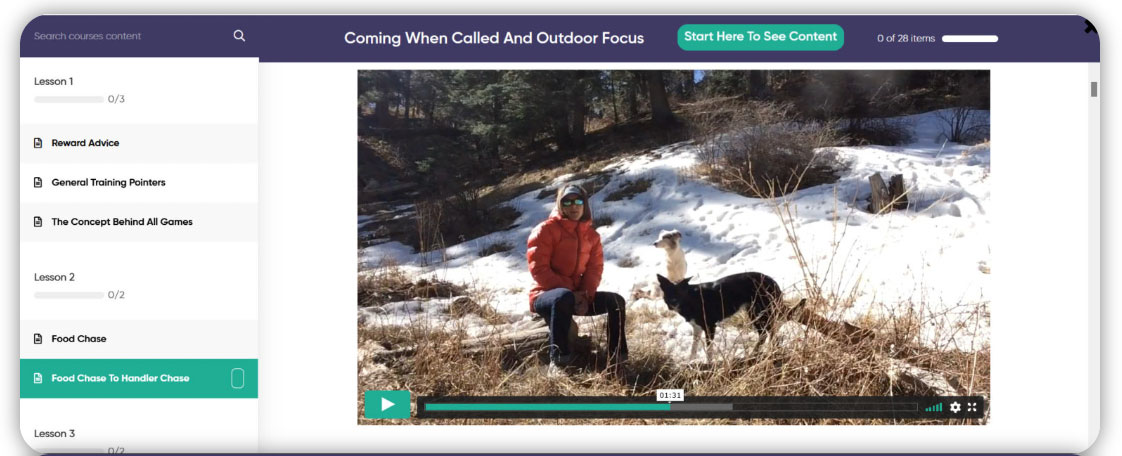
Note: For a complete training, we highly recommend this SpiritDog Online Training Course “Coming When Called”.
1. Start with a Strong Foundation
Before you begin training your westie to come when called, it’s crucial to establish a strong bond with your pet. Spend time playing with your dog, engaging in activities they enjoy, and providing positive reinforcement through praise and treats. Building trust and a strong connection with your westie will make them more likely to respond positively to your commands.
2. Choose a Distinct Command Word
Select a specific word or phrase for the recall command, such as “come” or “here.” Ensure that the command is distinct from other commands you use and that all family members use the same word consistently. Consistency is critical to avoid confusing your westie and ensuring that they understand what you expect from them.
3. Begin Training Your Westie in a Controlled Environment
Start training your westie to come when called in a controlled, distraction-free environment like your home or a fenced yard. In the early stages of training, it’s essential to minimize distractions to help your dog focus on learning the new command. As your dog becomes more reliable in responding to the recall command, gradually introduce distractions and practice in various environments.
4. Use Positive Reinforcement with Your Westie
When training your westie to come when called, always use positive reinforcement techniques. Reward your pup with praise, treats, or playtime when they respond to your recall command. This will help create a positive association with the command and motivate your dog to respond consistently. Remember to be patient and consistent in your training, as it may take time for your dog to master the recall command.
If you’re using treats, these are currently the most popular training treats on Amazon.

5. Gradually Increase Distance and Distractions
As your westie becomes more reliable in responding to the recall command in a controlled environment, begin to increase the distance between you and your dog during training sessions. Practice calling your dog from various distances and gradually introduce distractions, such as other dogs, people, or toys. This will help your dog learn to respond to the command even in challenging situations.
Related: Looking for the fastest way to train your westie to come when called? Try this video course.
6. Make Yourself Interesting and Rewarding to Your Westie
To encourage your westie to come when called, make yourself more appealing and rewarding to your dog. Use an enthusiastic, high-pitched voice when calling your dog, and reward them with a treat or praise when they respond. You can also try running away from your dog when calling them, as this can entice your dog to chase after you and respond to the recall command.
7. Never Punish Your Westie for Coming When Called
It’s essential to avoid punishing your westie if they do not immediately respond to the recall command or if they come to you slowly. Punishing your dog can create a negative association with the command and make them less likely to respond in the future. Instead, be patient and continue to practice and reinforce the command using positive reinforcement techniques.
8. Practice the Recall Command Regularly with Your Westie
Consistent practice is crucial for training your westie to come when called. Incorporate recall training into your dog’s daily routine, and practice the command in various environments and situations. This will help reinforce the behavior and make it more reliable over time.
9. Use a Long Training Leash on Your Westie
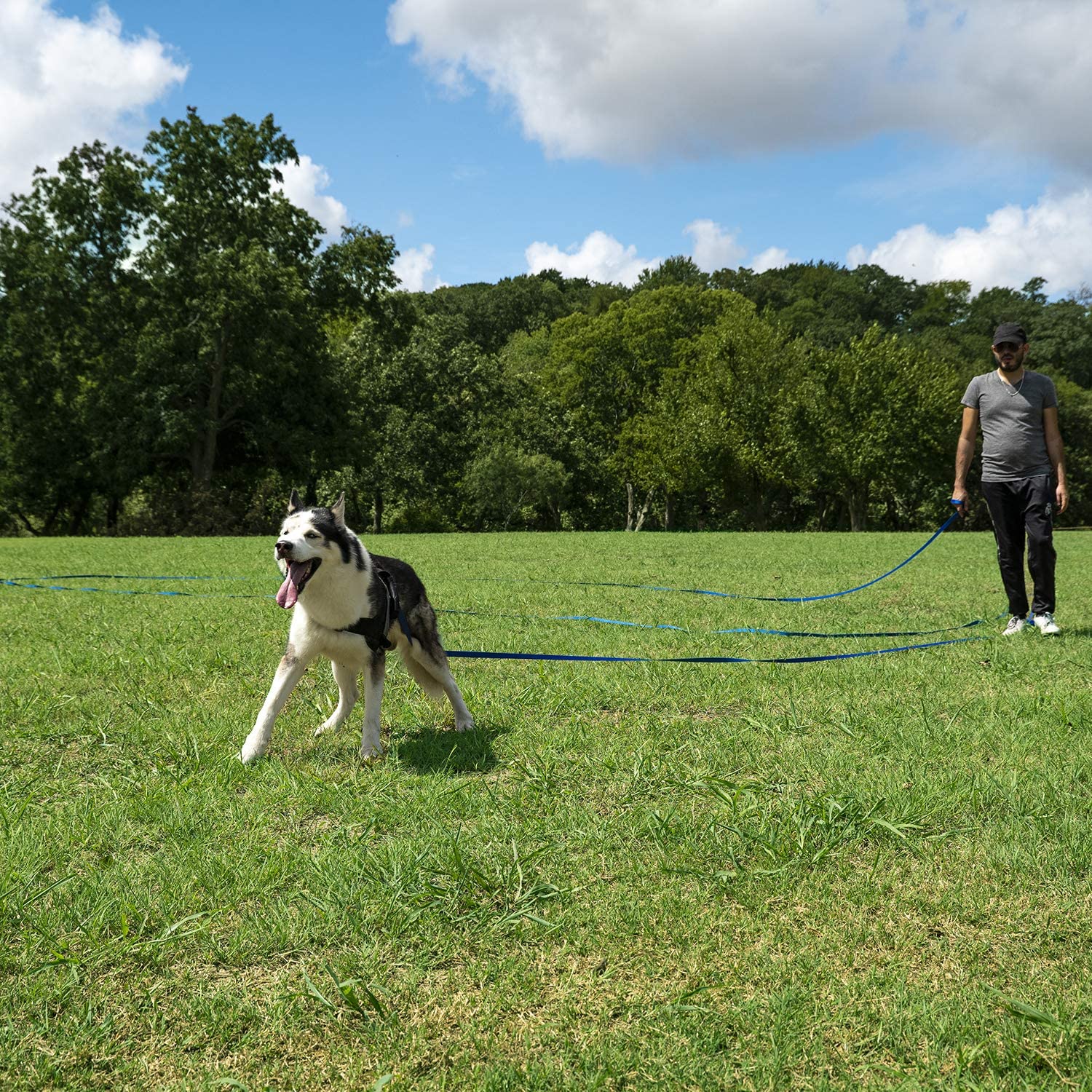
When transitioning from a controlled environment to a more open space, consider using a long training leash to maintain control over your westie while they learn to respond to the recall command. This will help you avoid losing control of your dog and provide a safety measure as you gradually increase the distance and distractions during training sessions.
This is the most popular long training leash on Amazon.
10. Be Patient and Persistent with Your Westie
Training your westie to come when called takes time, patience, and persistence. Some dogs may learn the command quickly, while others may require more time and consistent practice. Be patient with your dog and maintain a positive attitude during training sessions. Remember that every dog is unique, and the key to success is consistent practice and positive reinforcement.
11. Use a Professional Online Westie Training Course
While this article provides many helpful tips for training your westie, you can increase your chances of success by enlisting the help of a professional online dog trainer. We love the SpiritDog online courses, since its includes unlimited questions with a real dog trainer.
You can check out their Teach Your Westie to Come Online Course Here
Training your Westie to come when called is an essential part of their obedience training and ensures their safety. With patience, consistency, and positive reinforcement, you can teach your Westie to come when called reliably. Start by establishing a strong bond with your Westie and practicing in a quiet and distraction-free environment before gradually increasing the level of difficulty. Remember to always reward your Westie with praise, treats, or playtime to reinforce good behavior. With time and effort, your Westie will learn to come when called, and you can enjoy worry-free playtime with your furry friend for years to come.
More Frequently Asked Questions For Training Your Westie
1. How can I train my Westie to stop barking excessively?
Westies are known for their tendency to bark excessively, which can be annoying to their owners and their neighbors. However, it’s essential to understand that barking is a natural behavior for dogs, and it’s their way of communicating with us. Therefore, you cannot entirely stop your Westie from barking, but you can train them to bark only when necessary.
One effective way to train your Westie to stop barking excessively is to use the “quiet” command. Start by creating a situation that triggers your Westie to bark, such as ringing the doorbell or knocking on the door. Once your Westie starts barking, say “quiet” in a firm and authoritative tone. Wait for a few seconds, and when your Westie stops barking, reward them with a treat and praise. Repeat this process several times, gradually increasing the time between the “quiet” command and the reward.
Another effective way to train your Westie to stop barking excessively is to redirect their attention. When you notice your Westie barking excessively, call their attention and redirect it to a toy or a treat. This way, you can distract them from whatever is causing them to bark and teach them to associate quiet behavior with positive rewards.
2. How can I teach my Westie to walk on a leash without pulling?
Westies are energetic dogs that enjoy going for walks, but they have a strong prey drive, which can cause them to pull on the leash. This can be frustrating and even dangerous if your Westie pulls you towards a moving vehicle or a busy street. However, you can train your Westie to walk on a leash without pulling by following these steps:
First, start by getting your Westie used to wearing a collar or a harness. Let them wear it around the house for a few days, so they get used to the sensation.
Next, attach a lightweight leash to the collar or harness, and let your Westie drag it around the house. This will help them get used to the sensation of the leash without the distraction of going for a walk.
When your Westie is comfortable wearing the leash, take them for short walks around the house or in a quiet and distraction-free environment. Use treats and praise to reward good behavior, such as walking by your side without pulling.
If your Westie starts pulling on the leash, stop walking and stand still until they stop pulling. When they stop, reward them with a treat and praise, and continue walking. Repeat this process until your Westie learns that pulling on the leash will not get them where they want to go.
3. How can I teach my Westie to stay off furniture?
While many owners allow their dogs to jump on furniture, some prefer to keep their Westies off the couch or bed. This can be challenging, especially since Westies are known for their stubbornness and independence. However, with consistency and positive reinforcement, you can train your Westie to stay off furniture.
Start by designating a specific spot for your Westie, such as a dog bed or a mat. Encourage them to use that spot by placing treats and toys on it and praising them when they use it. If your Westie tries to jump on the furniture, say “off” in a firm and authoritative tone and guide them to their designated spot. Reward them with a treat and praise when they use it.
Be consistent with your training and always redirect your Westie to their designated spot when they try to jump on furniture. Never punish them for not using the designated spot, as this can cause them to associate negative feelings
4. What’s the best online course for teaching a westie to come when called? At iHeartDogs, we recommend the SpiritDog online course “Coming When Called.” The course includes unlimited questions with a real dog trainer.
iHeartDogs is reader supported. Our articles contain affiliate links where we are paid a small commission for linking to a product at no additional cost to the reader.
 Toledo, United States.