
Bringing home a new Bloodhound, whether it’s a puppy or a rescue, is an exciting and rewarding experience. Bloodhounds are known for their exceptional tracking abilities, gentle nature, and distinctive appearance. However, before welcoming a Bloodhound into your home, there are several important things to consider. In this article, we’ll discuss 12 essential things to know before bringing home a new Bloodhound.
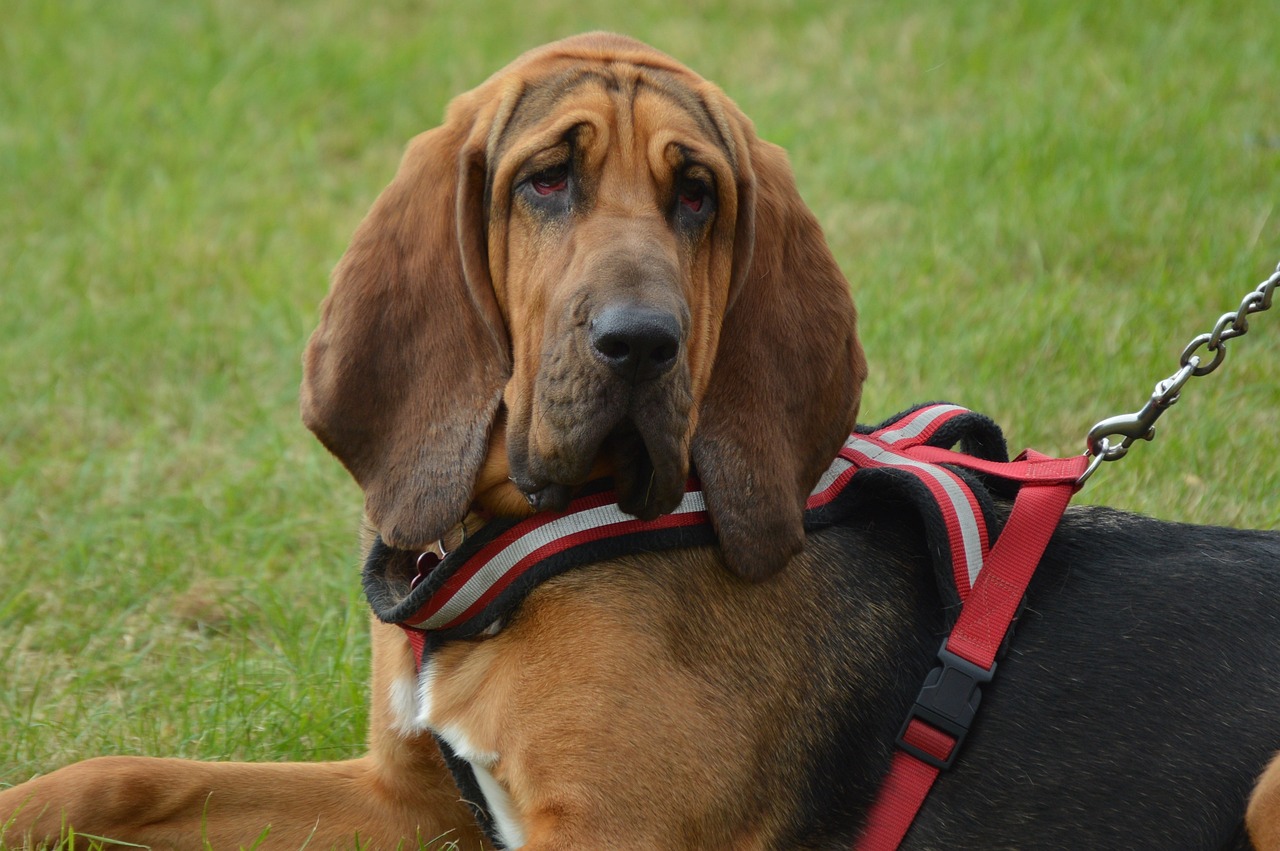
1. Research the Breed
Before bringing a Bloodhound into your home, it’s crucial to research and familiarize yourself with the breed’s characteristics. Bloodhounds are large, scent-driven dogs with an incredible sense of smell. They are known for their tracking abilities and are often used in search and rescue operations. Understanding their traits, temperament, and care requirements will help you provide the best environment for your new companion.
2. Space and Exercise Needs
Due to their size and energy level, Bloodhounds require ample space to roam and regular exercise. They benefit from a securely fenced yard where they can explore and play safely. Daily walks, interactive play sessions, and mental stimulation are essential to keep them physically and mentally healthy. Keep in mind that Bloodhounds are not well-suited for apartment living or confined spaces.
3. Grooming Requirements
Bloodhounds have a short, dense coat that is relatively easy to maintain. Regular brushing will help remove loose hair and keep their coat healthy. Additionally, their floppy ears require special attention to prevent infections. Regular cleaning and drying of the ears are necessary to prevent moisture buildup. Be prepared for occasional drooling, especially after eating or drinking.
4. Training and Socialization
Proper training and socialization are crucial for Bloodhounds. Their natural tracking instincts can make them independent and easily distracted by scents. Consistent and positive reinforcement-based training methods are recommended to help them become well-behaved and responsive. Early socialization with people, animals, and various environments is important to prevent shyness or aggression.
Check out the Best 7 Online Dog Training Programs here.
5. Health Considerations
Like any breed, Bloodhounds are prone to certain health conditions. Bloat, hip dysplasia, and ear infections are common concerns in Bloodhounds. Regular veterinary check-ups, a balanced diet, and maintaining a healthy weight are important for their overall well-being. It’s also advisable to inquire about the health history of the dog if adopting a rescue Bloodhound.
6. Scenting Abilities and Tracking Instincts
Bloodhounds have an incredible sense of smell and a strong instinct for tracking scents. They are often used in search and rescue operations and can pick up scents from long distances. It’s important to provide them with outlets for their scenting abilities, such as engaging in tracking activities or nose work. The mental stimulation that taps into their natural abilities can help keep them content and fulfilled.
7. Energy Level
While Bloodhounds may have a calm and laid-back demeanor, they still require regular exercise to prevent obesity and maintain their overall health. Engaging them in activities that challenge their minds and bodies will keep them happy and content. Adequate exercise will also help prevent destructive behaviors that can result from boredom or pent-up energy.
8. Pet Insurance
Considering pet insurance is highly recommended for Bloodhounds. They are prone to certain health conditions, and veterinary expenses can accumulate quickly. Pet insurance can help offset the costs of routine veterinary care, as well as unexpected illnesses or injuries. Before bringing home your Bloodhound, research different pet insurance options and choose a plan that suits your needs and budget. Having pet insurance will give you peace of mind and ensure that your Bloodhound receives the necessary medical care without financial strain.
Tip: This free tool lets you compare pet insurance prices across all the major carriers.
9. Lifespan and Commitment
Bloodhounds have an average lifespan of 8 to 10 years. It’s important to consider the long-term commitment of caring for a Bloodhound before bringing one into your home. They require time, attention, and consistent care throughout their lives. Be prepared to provide them with love, companionship, and all the necessary resources for their well-being for the duration of their lifespan.
10. Sensitivity and Gentle Handling
Bloodhounds are known for their gentle and sensitive nature. They respond best to positive reinforcement and gentle handling. Harsh training methods or physical corrections can be counterproductive and may lead to fear or anxiety. Approach training and interactions with your Bloodhound in a calm and patient manner to foster a trusting and positive relationship.
11. Social Interaction
Bloodhounds are generally friendly and get along well with people and other animals. However, early socialization is key to ensuring they develop proper social skills. Expose them to a variety of experiences, environments, and individuals to promote their confidence and sociability. Regular social interactions and playdates with other dogs can also contribute to their overall well-being.
12. Consider Adoption or Reputable Breeders
When bringing home a new Bloodhound, you have the option to adopt from a rescue organization or work with a reputable breeder. Adoption gives a loving home to a dog in need, while reputable breeders prioritize the health and well-being of their dogs. Research and choose a reliable source that aligns with your values and provides the necessary support and guidance throughout the adoption or purchasing process.
13. Make Sure These Products Are On Your Shopping List!
Bringing home a new Bloodhound can be overwhelming, so we compiled a comprehensive list of every product you’ll need for your new Bloodhound here.
Frequently Asked Questions (FAQ)
Q: Are Bloodhounds good with children?
A: Bloodhounds are generally gentle and patient with children, making them good family dogs. However, due to their large size and potential for accidental knocks, supervision is always necessary when children interact with any dog breed.
Q: Do Bloodhounds require a lot of exercises?
A: Bloodhounds have moderate exercise needs. While they enjoy daily walks and playtime, they are not overly active dogs. However, it’s important to provide them with mental stimulation and outlets for their scenting abilities to keep them mentally and physically stimulated.
Q: Do Bloodhounds drool a lot?
A: Yes, Bloodhounds are known for their tendency to drool. It’s important to keep a towel handy to wipe their drool, especially after eating or drinking. Regular cleaning of their facial folds can also help minimize any discomfort or odor caused by moisture accumulation.
Q: Can Bloodhounds live in apartments or small homes?
A: Bloodhounds are large dogs and require space to move around comfortably. They are not well-suited for apartments or small homes without access to a yard. They thrive in homes with ample indoor and outdoor space where they can explore and relax.
Conclusion
By considering these 12 important aspects and being well-prepared, you can create a loving and fulfilling environment for your new Bloodhound. With their tracking skills, scenting abilities, and gentle nature, Bloodhounds can be wonderful companions. Remember to provide them with proper training, socialization, and regular veterinary care to ensure their well-being. Enjoy the journey of welcoming a Bloodhound into your home and cherish the special moments you’ll share together!
 Toledo, United States.