
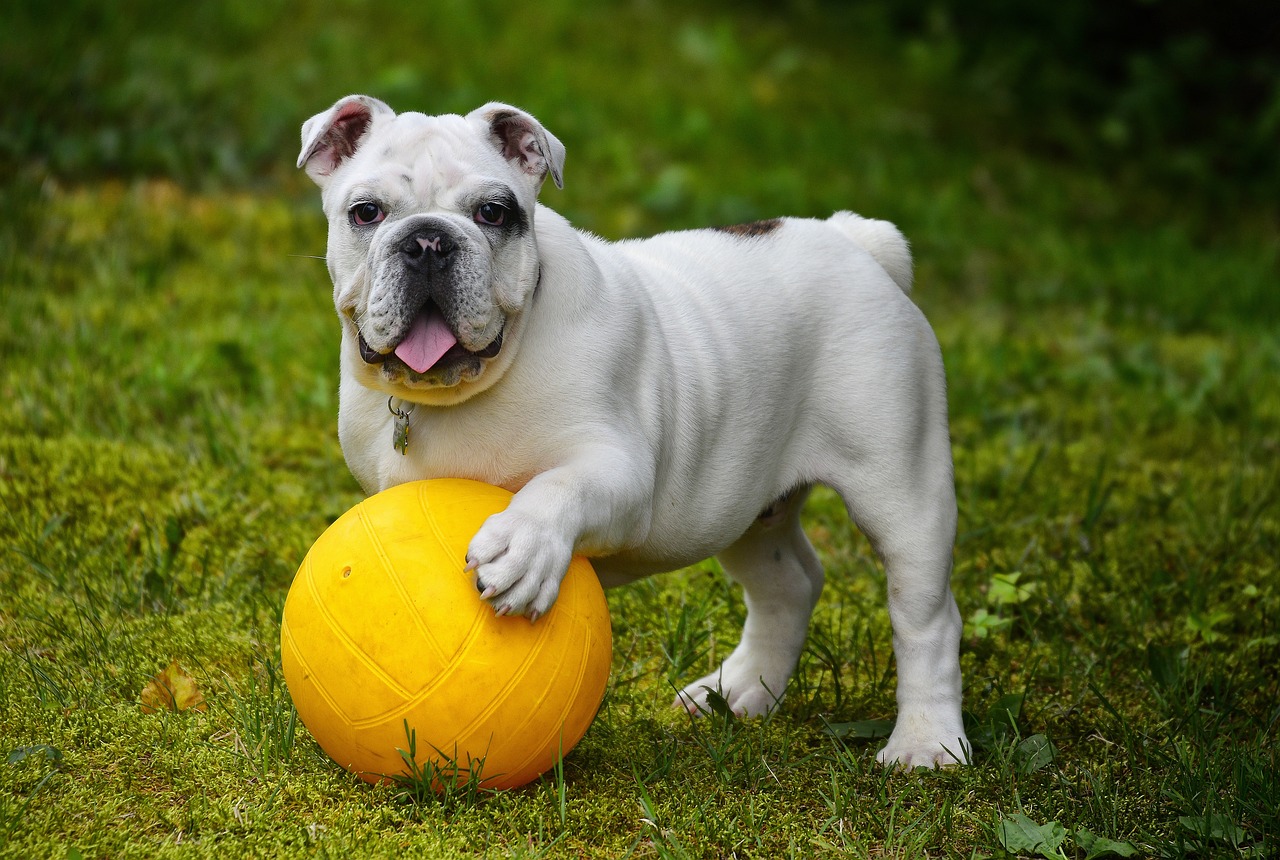
Bulldogs, with their muscular build, unique looks, and lovable nature, are a favorite among many pet owners. Despite their robust appearance, Bulldogs can have specific health challenges due to their unique breed characteristics. As a Bulldog owner, recognizing the signs that demand immediate veterinary intervention is critical for your dog’s well-being.
Here are five emergency red flags for Bulldog owners:
1. Difficulty Breathing or Wheezing:
Bulldogs are a brachycephalic breed, meaning they have short noses and flat faces, making them prone to breathing difficulties. If your Bulldog is struggling to breathe, panting excessively, wheezing, or exhibiting a bluish tongue or gums, seek immediate veterinary attention as these could indicate a breathing crisis.
2. Sudden Onset of Weakness or Collapse:
If your Bulldog suddenly seems weak, has difficulty standing or walking, or collapses, it could indicate a serious health condition like heart disease or heatstroke, which Bulldogs are particularly susceptible to due to their brachycephalic nature.
3. Changes in Eating or Drinking Habits:
Significant changes in your Bulldog’s eating or drinking habits could signal various health issues. Excessive thirst and urination could point to conditions like diabetes or kidney disease. Conversely, loss of appetite might indicate dental problems, digestive issues, or more serious conditions like cancer.
4. Unusual Skin Conditions or Excessive Scratching:
Bulldogs are known for their skin folds, which can be prone to infection if not kept clean and dry. If your Bulldog is scratching excessively, or you notice redness, swelling, or a foul smell from the skin folds, it could indicate a skin infection that requires prompt veterinary care.
5. Vomiting or Diarrhea:
Occasional vomiting or diarrhea may be due to minor digestive upsets or changes in diet. However, if these symptoms persist for more than 24 hours, or if your Bulldog appears lethargic and uninterested in food, it may signal serious conditions like gastrointestinal blockage, pancreatitis, or even poisoning.
Aside from these signs, trust your instincts as a pet owner. If your Bulldog seems “off,” or if there’s a sudden change in their behavior or physical condition, it’s always wise to consult your vet. Early recognition and response to health issues can often lead to faster recovery and improved outcomes for your Bulldog.
As Bulldog owners, our dogs rely on us for their well-being. Recognizing these emergency red flags helps ensure our Bulldogs get the urgent care they need when they need it the most. Despite their tough exterior, Bulldogs need our care and protection to live their healthiest, happiest lives.
 Toledo, United States.