
Hailing from the Arctic, the Alaskan Malamute is a breed often mistaken for the Siberian Husky due to their similar appearance. However, delving into their temperament reveals unique traits that distinctly define the Malamute. Strong, resilient, and affectionate, the Alaskan Malamute is a breed with a multifaceted personality.
1. Strong and Enduring
Historically bred to haul heavy freight due to their strength and endurance, Alaskan Malamutes are robust and resilient animals. They possess a deep-seated drive and stamina, which requires owners to engage them in substantial physical activity. This trait isn’t merely physical; their mental endurance matches their physical prowess.
2. Affectionate and Loyal
Alaskan Malamutes are deeply loyal to their families, often forming strong bonds with their human companions. They display great affection, enjoying the company of their family members, and often seek physical closeness, such as snuggles or playful interactions.
3. High Energy Levels
Malamutes are not couch potatoes. Their energy levels are notably high, necessitating regular exercise. Whether it’s a long walk, a hike, or playtime in the yard, these dogs need daily physical activity to remain happy and healthy.
4. Social but Dominant
Malamutes are inherently social creatures. They often get along well with children and other animals when properly socialized. However, they have a dominant streak. This means that while they might be friendly, they also like to establish themselves as the “alpha” in various settings, especially if other dogs are present.
5. Intelligent but Independent
Their intelligence is undeniable. However, Malamutes have an independent nature, which can sometimes be mistaken for stubbornness. They are thinkers, often weighing their options before obeying a command, especially if they don’t see the direct benefit of following it immediately.
6. Protective Instincts
Malamutes are protective of their families and territories. While they aren’t typically aggressive without reason, their size and protective nature can be intimidating to strangers. Early socialization is crucial to ensure they are discerning in their protective behaviors.
7. Vocal Communicators
Malamutes are known for their vocal nature. From “talking” to howling, they’re not the quietest breed. While they don’t typically bark without cause, they use a range of vocalizations to communicate with their human family.
8. Adaptable to Cold Climates
Naturally suited for cold environments due to their thick double coat, Malamutes thrive in colder climates. While they can adapt to warmer temperatures, it’s essential to ensure they have a cool, shaded place during hot weather and are not over-exerted in the heat.
9. Need for Mental Stimulation
While physical exercise is crucial, Malamutes also need mental stimulation. Engaging in activities that challenge their minds, such as puzzle toys, training sessions, or agility courses, helps prevent boredom and related destructive behaviors.
The Alaskan Malamute is a blend of strength, loyalty, intelligence, and independence. While they can be a joy to have around due to their affectionate nature, it’s vital to understand and respect their inherent traits. They require an owner who can match their energy, provide consistent training, and appreciate their unique temperament. With the right environment and understanding, the Malamute is not just a pet but becomes a cherished family member, a loyal companion, and a testament to the wild spirit of the Arctic.
How Does a Male Alaskan Malamute Temperament Compare to a Female Alaskan Malamute?
Male Alaskan Malamute Temperament:
1. Dominant Nature
Males often possess a more dominant and assertive temperament. They naturally strive to be the “alpha,” which might necessitate more rigorous training and socialization efforts to establish a harmonious household dynamic.
2. Consistent Energy Levels
Male Malamutes typically display consistent energy levels throughout their lives, demanding regular exercise and mental stimulation. Owners should be prepared to engage them in daily physical activities and challenging mental exercises to keep them satisfied and well-behaved.
3. Affectionate Yet Independent
While males are affectionate, they often showcase their love in bursts, oscillating between seeking attention and enjoying their independence. They can be loving and cuddly one moment and prefer solitude the next.
4. Territorial Instincts
Male Malamutes tend to be more territorial. They might mark their space more frequently, and while this behavior can be curbed with training, potential owners should be aware of this instinct.
Female Alaskan Malamute Temperament:
1. Maternal Instincts
Females often exhibit strong maternal instincts, making them extremely protective of their family members, both human and canine. This protective nature can make them excellent watchdogs, always alert and ready to defend their loved ones.
2. Mood Variations
Female Malamutes may experience mood swings, particularly during their heat cycles if not spayed. Their energy levels and demeanor can fluctuate during these periods, requiring owners to approach training and exercise with flexibility and understanding.
3. Consistent Affection
Females tend to offer a more consistent level of affection compared to males. They might be more attuned to their owner’s emotions, providing comfort and companionship in a more steady and reliable manner.
4. Trainability
Often, females are perceived as easier to train due to their slightly less dominant nature. They may respond better to training sessions, mastering commands, and tricks with greater ease and speed than their male counterparts.
While the differences in temperament between male and female Alaskan Malamutes are subtle, they can impact the relationship between the dog and the owner. Regardless of gender, potential Malamute owners should be prepared for a dog that is strong-willed, energetic, and requires consistent training and ample exercise. Understanding these gender-specific traits can help in selecting a dog that aligns more closely with your lifestyle and expectations, fostering a rewarding and lifelong companionship with these magnificent Arctic dogs.
Frequently Asked Questions about an Alaskan Malamute‘s Temperament and Personality
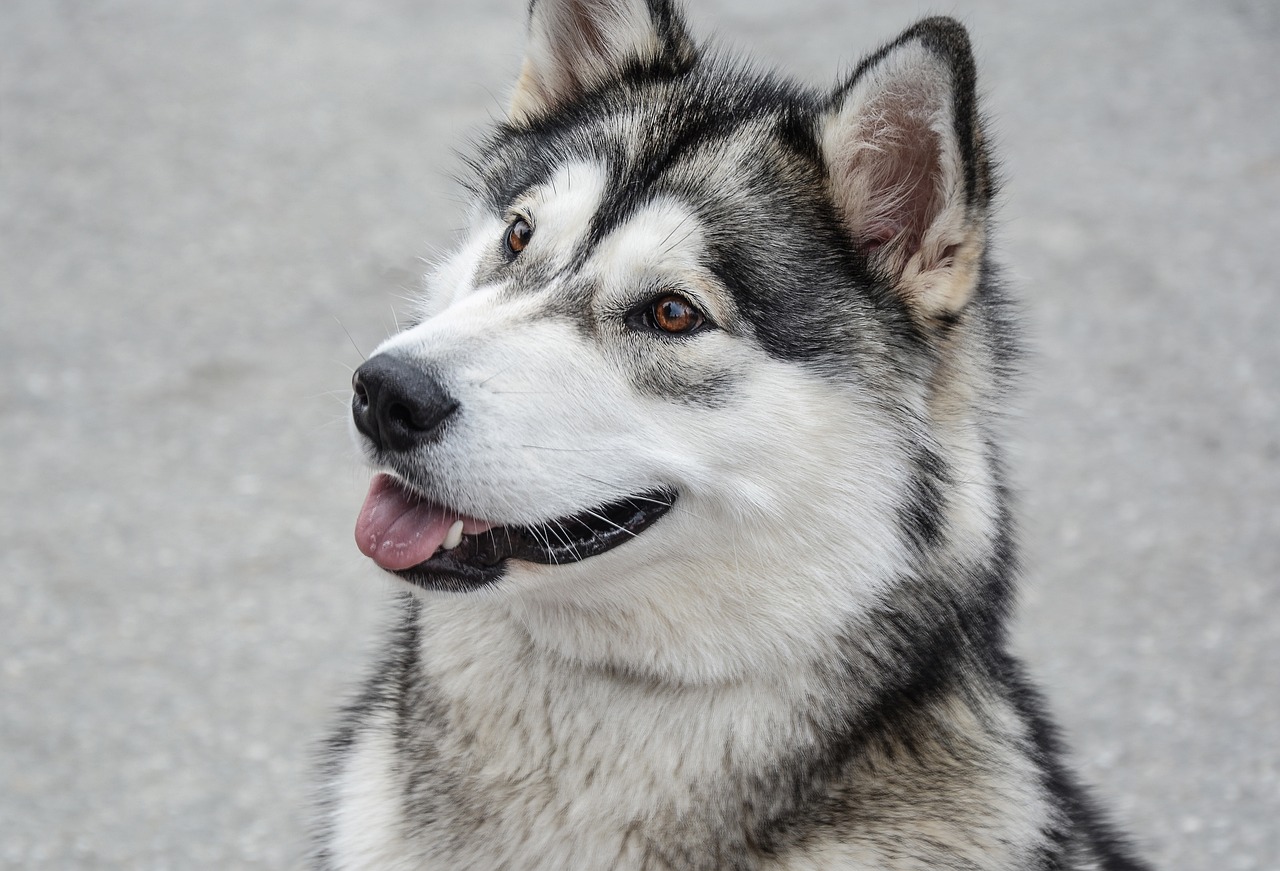
1. How would you describe an Alaskan Malamute’s overall temperament?
Alaskan Malamutes are known for being strong-willed, independent, and loyal. They are highly intelligent, energetic, and affectionate with their families, making them excellent companions for those who understand their unique temperament.
2. Are Malamutes good with children?
Malamutes generally do well with children, often being protective and gentle with them. However, due to their size and energy, supervision during interactions is crucial to ensure the safety of both the child and the dog.
3. Are Alaskan Malamutes easy to train?
Malamutes are intelligent, but their independent streak can make training a challenge. Consistent, patient, and positive reinforcement-based training from an early age is vital for best results.
4. Do Malamutes get along with other pets?
With proper socialization, they can coexist with other pets. However, they have a strong prey drive, so careful introductions and monitoring are necessary, especially with smaller animals.
5. Are Malamutes excessive barkers?
While not typically excessive barkers, Malamutes are vocal and will bark, howl, or “talk” to communicate. Training can help manage their vocalizations in inappropriate situations.
6. How much exercise do Malamutes need?
Malamutes require a significant amount of exercise due to their high energy levels. Daily walks, play sessions, and mental stimulation are crucial for their physical and mental health.
7. Are Malamutes suitable for apartment living?
While adaptable, their size and energy levels make Malamutes better suited for homes with yards where they can move freely. If residing in an apartment, ample daily exercise is non-negotiable.
8. Do Malamutes suffer separation anxiety?
Malamutes can experience separation anxiety if left alone for extended periods regularly. They thrive on human companionship and need engagement and activity to prevent anxiety and boredom.
9. Are Malamutes hypoallergenic?
No, Malamutes are not hypoallergenic. They have a dense double coat that sheds, particularly during shedding seasons, which can trigger allergies in sensitive individuals.
10. Is aggression common in Malamutes?
While not naturally aggressive, Malamutes are strong and protective, which can be mistaken for aggression. Proper training and socialization are essential to curb any unwanted behaviors.
11. How do Malamutes behave around strangers?
Malamutes can be reserved or aloof around strangers. While they are not typically aggressive without provocation, early socialization is essential to promote comfortable behavior around unfamiliar people.
12. Are Malamutes good for first-time dog owners?
Due to their independent and strong-willed nature, Malamutes can be challenging for first-time dog owners. They require an owner who is committed to training and can establish themselves as the pack leader.
13. Can Malamutes tolerate hot climates?
Malamutes prefer colder climates due to their thick coats. In hot weather, they need extra precautions like plenty of water, shade, and limited exercise during the hottest parts of the day.
14. How independent are Malamutes?
While loyal to their families, Malamutes are notably independent. This independence can sometimes make them appear distant or stubborn, but they are still deeply attached to their owners.
15. Do male and female Malamutes differ in temperament?
Male Malamutes may be more dominant and territorial, while females might be slightly easier to train and more consistent in showing affection. However, individual personalities and training play significant roles in determining their behavior.
What Kind of Person Is a Good Fit for an Alaskan Malamute?
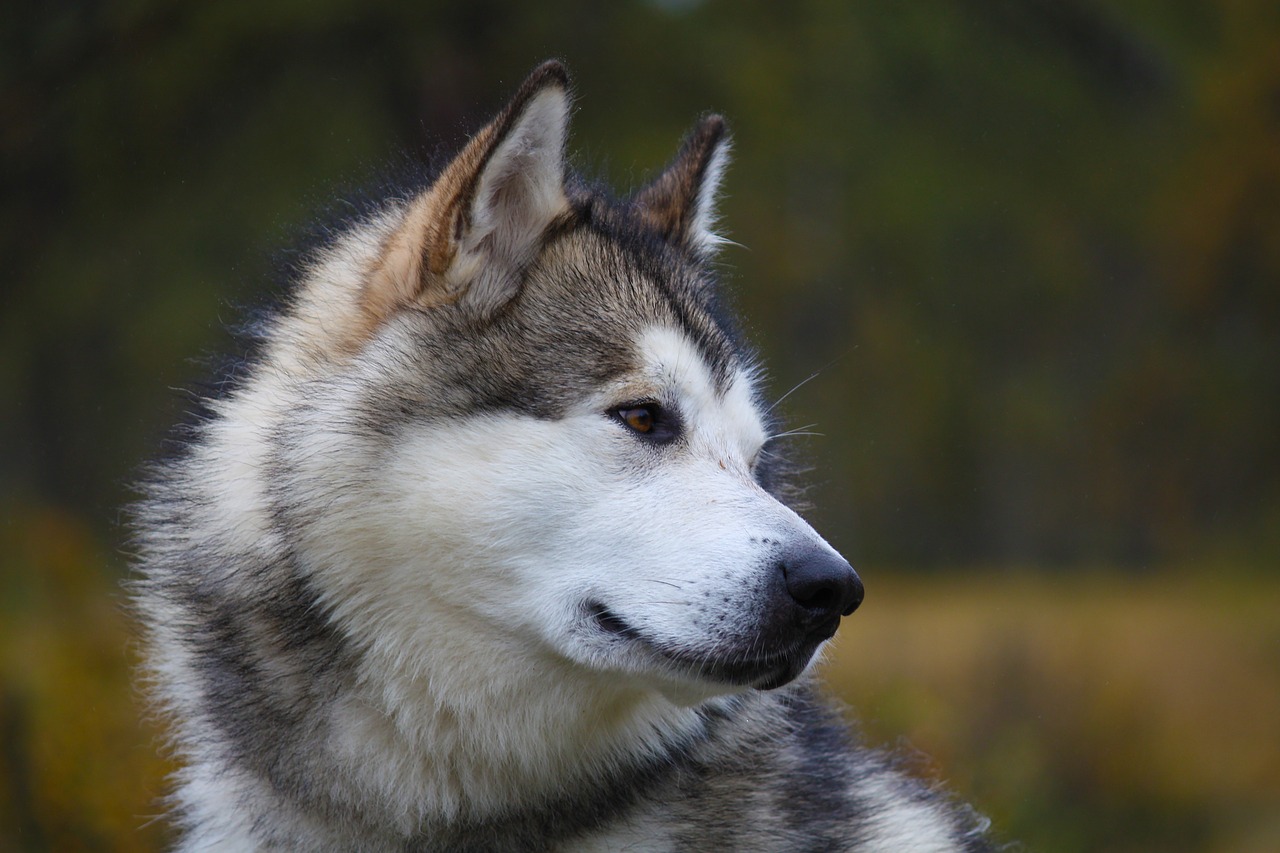 Alaskan Malamutes are not for everyone due to their unique temperament and needs. Here’s a guide for understanding who makes an ideal owner for these majestic Northern breeds.
1. Active Individuals
Alaskan Malamutes possess high energy levels and require substantial exercise to maintain their physical and mental health. If you lead an active lifestyle and enjoy outdoor activities such as hiking, running, or trekking, a Malamute might be your perfect companion.
2. Experienced Dog Owners
Malamutes benefit from an owner who has experience with dogs, particularly large or strong-willed breeds. If you understand canine behavior, training techniques, and the importance of socialization, you will likely form a successful partnership with an Alaskan Malamute.
3. Families with Older Children
While Malamutes are known to be affectionate and protective, their size and strength can be overwhelming for very young children. Families with older children who understand how to interact with large dogs responsibly may find the Malamute a loving and loyal family member.
4. Individuals with Space
Owing to their size and exercise requirements, Malamutes thrive in environments where they have plenty of space to move and play. Homes with large yards or access to open spaces are ideal, though they can adapt to various living situations provided their exercise needs are met.
5. Cold Weather Enthusiasts
Alaskan Malamutes have a dense double coat designed to withstand freezing temperatures. Individuals residing in colder climates, or those who appreciate and understand how to care for a dog in a cold-weather environment, would be well-suited for this breed.
6. Patient and Consistent Individuals
Training a Malamute requires patience and consistency due to their independent and sometimes stubborn nature. If you are willing to invest time and energy into training, with a commitment to using positive reinforcement techniques, you and your Malamute can build a strong and respectful bond.
7. Long-Term Commitment Seekers
Malamutes have a life expectancy of 10 to 14 years. Individuals who are prepared for the long-term commitment of dog ownership, including providing for their pet’s health, exercise, and well-being into their senior years, will make ideal Malamute owners.
Alaskan Malamutes are magnificent, loyal, and intelligent dogs that offer companionship like no other. However, they require specific care, attention, and a compatible lifestyle to truly thrive. Understanding if you fit the profile of an ideal Malamute owner is crucial before deciding to bring one into your home. This introspection ensures a harmonious and rewarding relationship with this majestic breed for years to come.
 Toledo, United States.