
Chihuahua Colors 2026: Every AKC-Recognized Color, Pattern, and Combination
You’d be surprised how many colors a five-pound dog can come in. Chihuahuas are one of the most color-diverse breeds recognized by the American Kennel Club, with over 30 official color and marking combinations on the books. That’s more variety than most breeds twice their size. Whether you’re picking a puppy and wondering what color you’ll end up with, or you’re just curious why your Chi looks nothing like the one down the street, this guide covers everything you need to know about Chihuahua colors in 2026.
We’ll cover the AKC’s full list, the most popular shades, the truly rare ones, how short-coat and long-coat Chis express color differently, and which colors come with health flags you should know about before buying.
AKC Chihuahua Colors: Quick Reference
| Category | Colors / Patterns |
|---|---|
| Standard Colors | Black, Black & Tan, Blue, Blue & Tan, Chocolate, Chocolate & Tan, Cream, Fawn, Fawn & White, Red, White |
| Alternative Colors | Black & Red, Black & Silver, Black Sabled Fawn, Black Sabled Silver, Blue Brindled Fawn, Blue Fawn, Chocolate Blue, Chocolate Brindled Fawn, Chocolate Sabled Fawn, Cream & White, Fawn Brindled Black, Gold, Gold & White, Merle, Red & White, Silver, Silver & White |
| Standard Markings | Black Brindling, Black Mask, Black Sabling, Merle Markings, Spotted on White, White Markings |
| Coat Types | Smooth (short) coat, Long coat — same color range applies to both |
The Most Common Chihuahua Colors
If you’ve seen a lot of Chihuahuas, these are the ones that keep showing up. They’re common because they’re genetically dominant, not because breeders are lazy. Let’s walk through each one.
Fawn

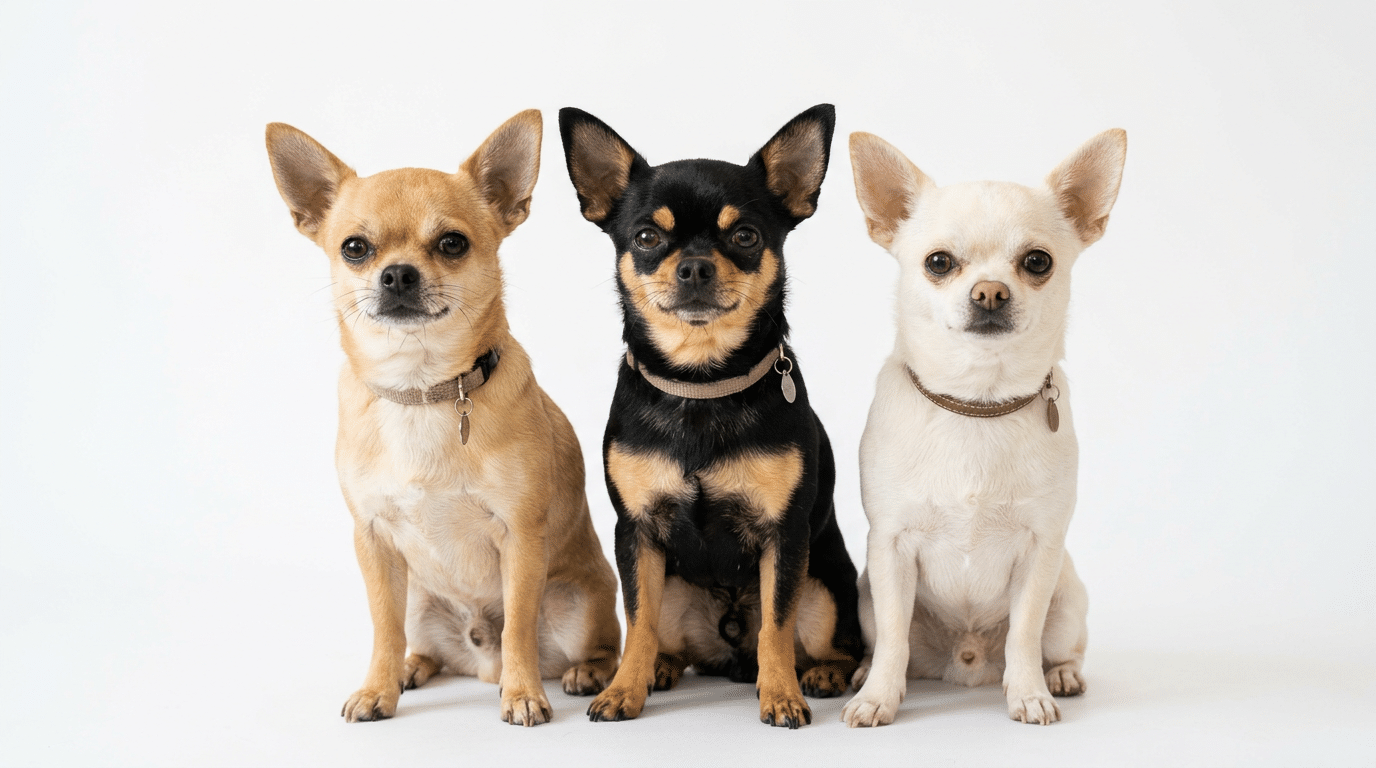
Fawn is the quintessential Chihuahua color. It ranges from a light, buttery tan all the way to a deep reddish-gold. Think of the Taco Bell dog from the ’90s. That’s fawn. The warm, sandy tone shows up in roughly 30% of all Chihuahuas, making it the most recognized shade in the breed. Fawn can appear solid, sabled (dark-tipped hairs over a lighter base), or paired with white markings on the chest and paws.
Puppies born fawn can lighten or darken during their first year. Don’t be surprised if your pale fawn pup develops a deeper golden tone by 12 months.
Black and Tan
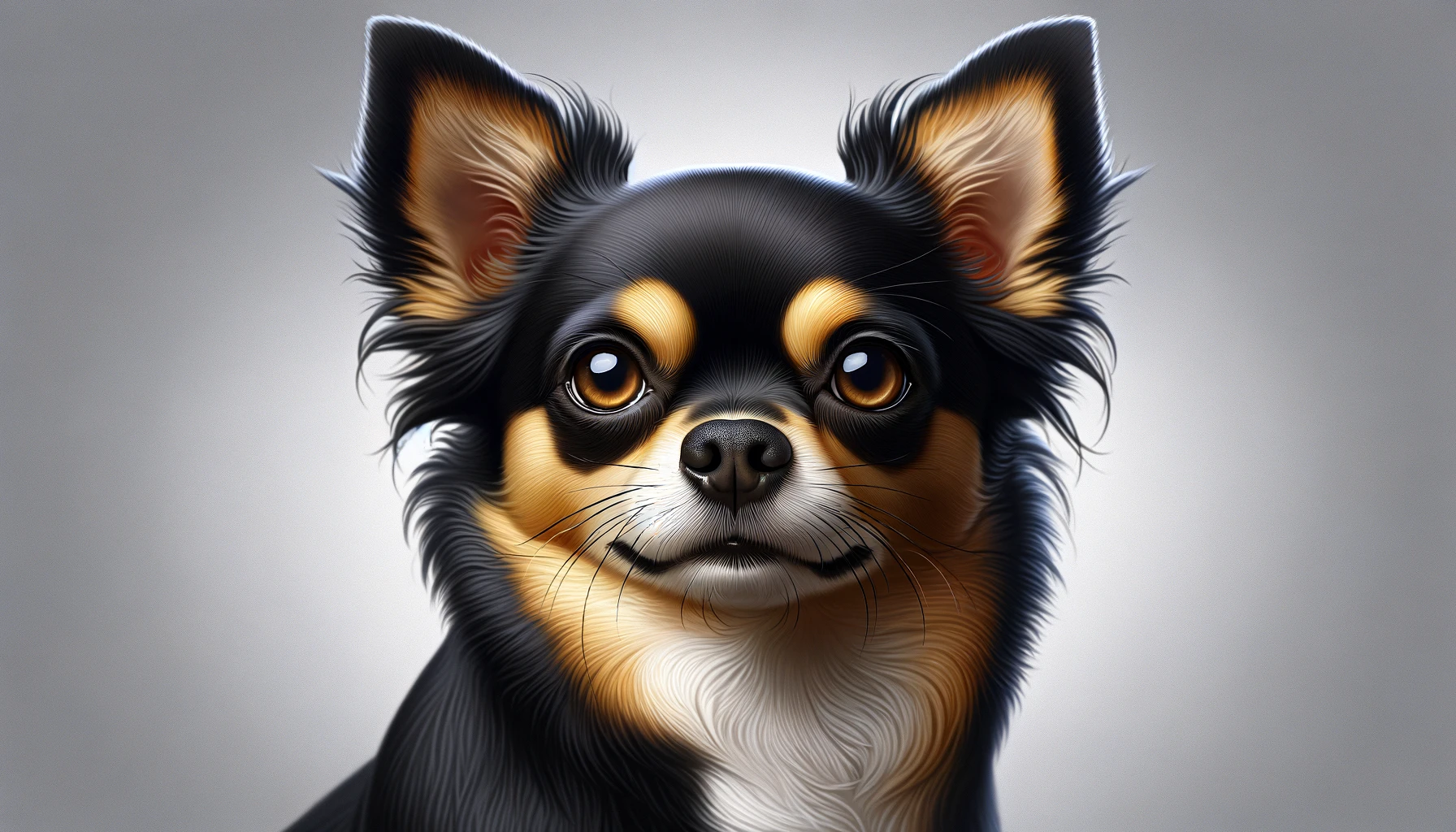
Black and tan Chis look like tiny Dobermans or miniature Rottweilers. Jet-black body, tan dots above each eye, tan on the cheeks, chest, lower legs, and under the tail. The contrast is sharp and striking. It’s one of the most requested combinations when people visit breeders because the markings read as elegant despite the dog’s small frame.
You’ll also see variations like black and silver, where the tan is replaced by a cooler, lighter silver tone. Both are AKC-recognized.
White

Pure white Chihuahuas turn heads. Snow-white coat, dark eyes, dark nose — there’s something almost porcelain-doll about them. True white (not cream, which we’ll get to) comes from genes that suppress all other pigmentation. Most white Chis will have black noses and dark eyes, but a small number have pink noses and blue eyes, which comes with increased sun sensitivity and a slightly higher risk of deafness. If you’re considering a white Chihuahua, ask the breeder about the lineage.
Cream

Cream is often confused with white, but they’re different. Cream has a warm, pale yellow undertone and usually pairs with a slightly lighter nose than you’d see on a white Chi. It’s a soft, understated color. These dogs look a bit like tiny golden retrievers in miniature, and that soft warmth tends to show up beautifully in long-coat Chihuahuas especially. Cream and white is also an AKC-recognized combination, where one color dominates and the other appears as patches or a base.
Rare and Hard-to-Find Chihuahua Colors
Some colors require very specific gene combinations to appear. Breeders who focus on these shades typically charge significantly more for them. Whether the premium is worth it depends on your priorities (and your budget). If you’re curious about what you’ll pay overall, check out our breakdown of Chihuahua puppy prices by US region.
Chocolate (Brown)

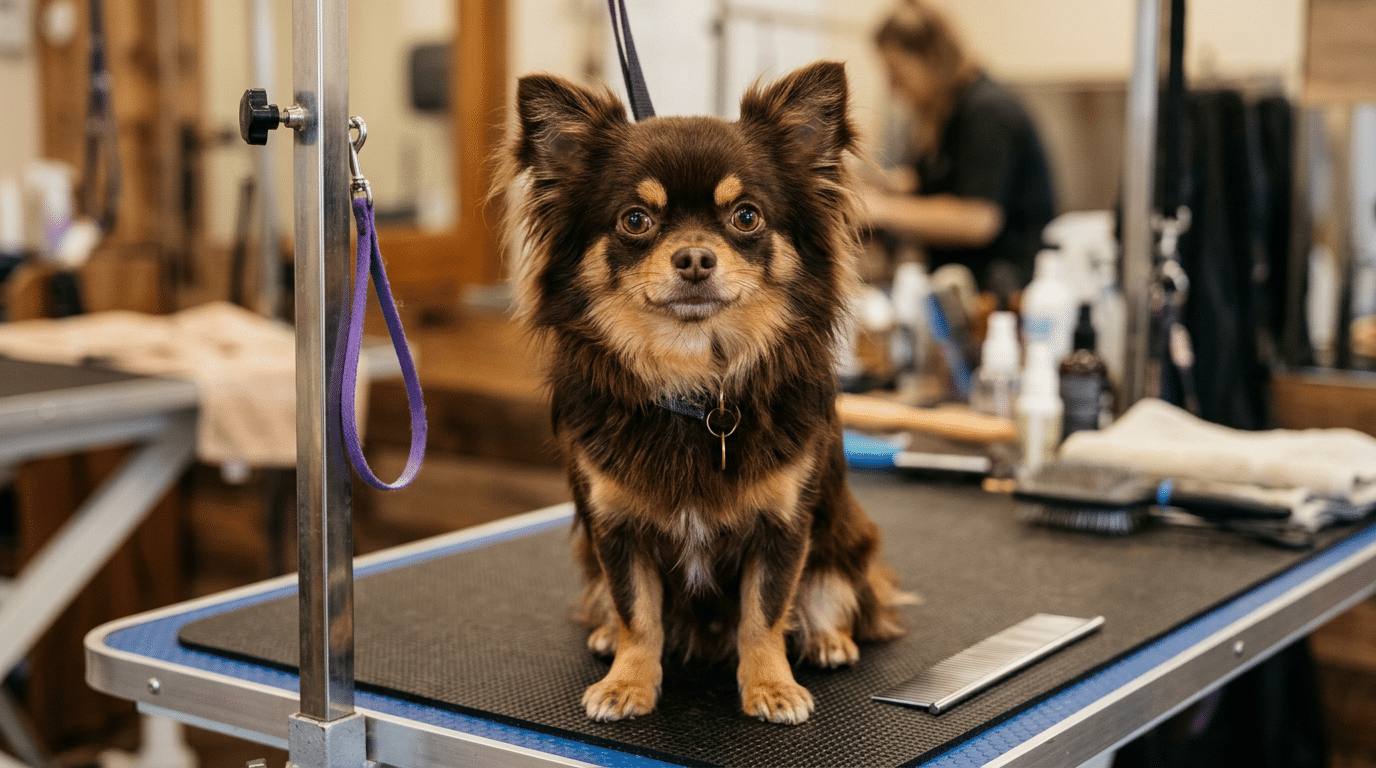
Chocolate Chihuahuas range from a milky light brown to a deep espresso shade. Both parents need to carry the recessive chocolate gene for a puppy to express it, which is why solid chocolate Chis are relatively uncommon. They usually have brown or hazel eyes and a brownish nose — their whole look is monochromatic and genuinely distinctive. Chocolate and tan is also recognized by the AKC, and it’s a personal favorite among breed enthusiasts.
Blue (Steel Gray)
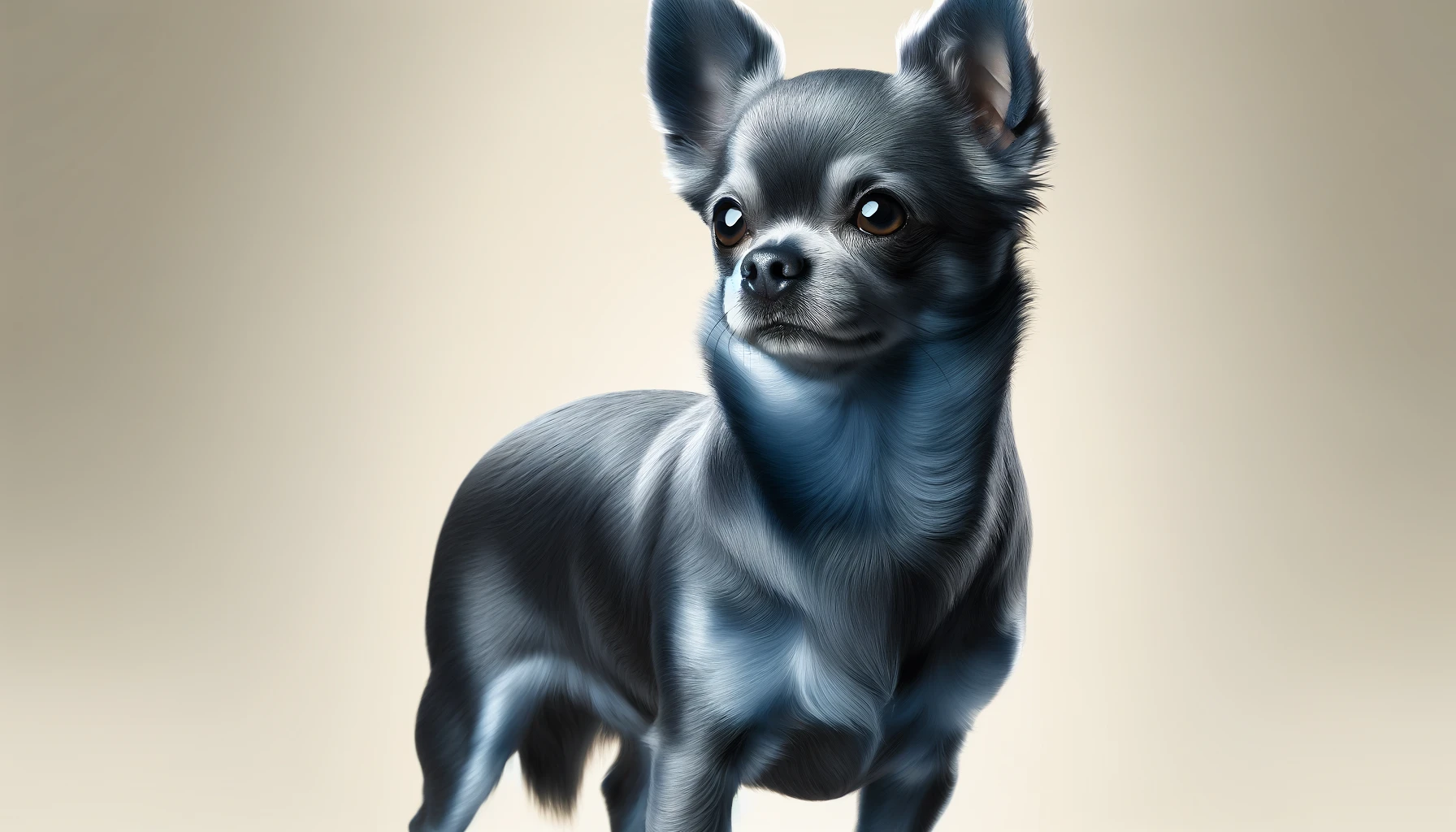
Blue is not actually blue. It’s a diluted black that looks like a cool, metallic steel gray — almost silver in bright light. The dilution gene (the “d” locus) reduces eumelanin pigment expression, so what would have been black hair comes out looking gray-blue. It’s the same gene responsible for blue coats in Italian Greyhounds and Weimaraners.
Blue Chihuahuas can also carry a condition called Color Dilution Alopecia (CDA). Not every blue Chi gets it, but it’s worth asking the breeder about. CDA causes patchy hair loss and dry, flaky skin. It’s manageable but not curable.
Brindle
Brindle is one of those patterns that people notice before they can name it. It’s a tiger-stripe effect, dark irregular streaks over a lighter base color. In Chihuahuas, brindle typically appears as dark striping over a fawn, gold, or red base. The AKC recognizes several brindle variations: black brindling (stripes over fawn), blue brindled fawn, chocolate brindled fawn, and fawn brindled black (reverse brindle). Some brindle Chis have heavy striping that covers most of the body; others have just a few faint streaks. No two brindle coats are alike.
Silver and Lavender
Silver is one of the rarest solid Chihuahua colors. Like blue, it’s a dilute but tends toward a lighter, cooler tone. Silver Chihuahuas often look almost white in bright light but reveal their metallic sheen in shadow. Lavender (sometimes called lilac) is even less common. It’s a double dilution of chocolate, producing a warm pinkish-gray that looks unlike any other dog coat color. Lavender isn’t always recognized on show dogs, but it does appear in the AKC’s alternative color list under the broader dilute chocolate category.
Chihuahua Color Patterns and Markings
Color is only half the story. Markings change how a color looks dramatically. The same fawn base can look completely different with white patches, black sabling, or merle swirls.
Merle
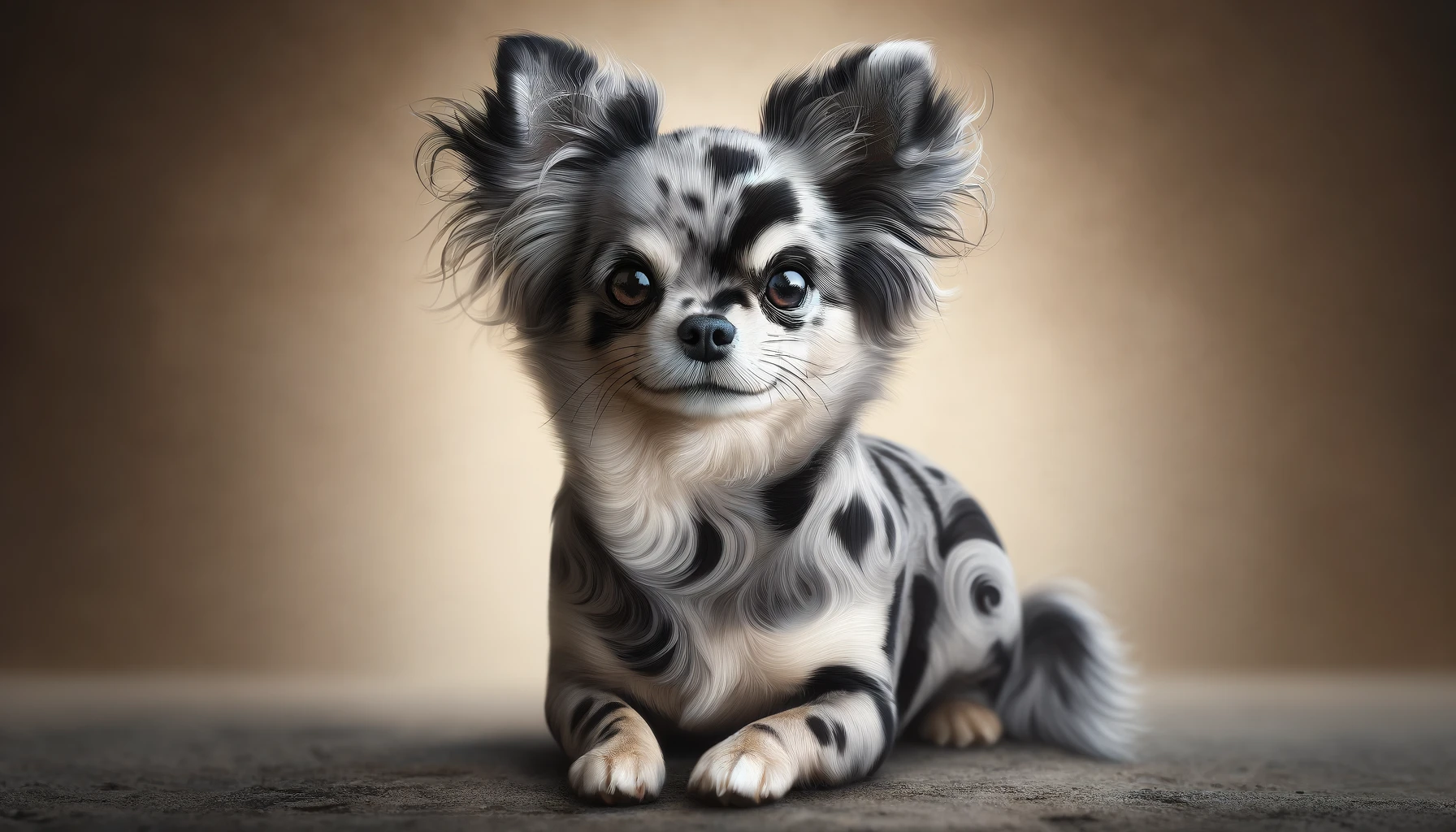
Merle is the most visually dramatic pattern in the breed. Dark patches and swirls cover a lighter base, creating a marbled effect that can look almost painted. Blue or green eyes are common on merle Chis and add to the striking appearance. You can read more about merle genetics across breeds in our guide to merle dog breeds.
Here’s the important caveat: two merle Chihuahuas should never be bred together. Double merle puppies (carrying two copies of the merle gene) face serious health consequences, including blindness, deafness, and underdeveloped eyes. Responsible breeders always pair merle with a non-merle dog. If a breeder can’t tell you the exact genetic history of a merle puppy, walk away.
Sabling
Sabling is what happens when individual hairs are tipped with a darker color. A sabled fawn Chi might look gold at first glance, but up close you’ll see the black-tipped guard hairs layering over the lighter undercoat. It gives the coat depth and dimension. Black sabled fawn and black sabled silver are both in the AKC alternative color list. Sabling often fades as dogs age.
Spotted on White and Tricolor
Spotted on white Chis have a predominantly white base with colored patches (fawn, black, chocolate) scattered across the body. It’s similar to a piebald pattern. Tricolor Chihuahuas add a third color to the mix, typically black, tan, and white together. These dogs are always attention-getters and tend to be very popular with families who want a distinctive-looking dog.
Short-Coat vs. Long-Coat Color Differences
Here’s something breeders don’t always explain upfront: the same color looks different depending on coat type. Both are genetically the same color — the pigment is identical. But the way light hits the fur changes everything.
Short-coat (smooth-coat) Chis show their colors flat and bright. The sheen of a short, tight coat reflects light cleanly, so fawn looks vivid, black looks deep, and brindle stripes are crisp. You’ll see the exact color with very little ambiguity.
Long-coat Chis, on the other hand, look softer. The layering of longer guard hairs over a fluffy undercoat diffuses the color. Fawn reads as lighter. Sabling creates a smoky, multi-toned look. Merle patterns can appear more blended and dreamlike. If you love the rich color of a particular shade, you might actually prefer the smooth coat version to see it at its most vibrant. If you want that soft, luxurious look, long coat is hard to beat.
Coat type doesn’t limit which colors are available. Long-coat and smooth-coat Chihuahuas can both be bred in any of the 30+ recognized color combinations. The Chihuahua breed overview covers both coat varieties in more detail if you’re still deciding between the two.
Chihuahua Color Rarity and Health Watch
| Color / Pattern | Rarity | Health Consideration |
|---|---|---|
| Fawn | Very Common | None specific |
| Black & Tan | Common | None specific |
| White | Moderate | Possible deafness (esp. blue-eyed whites), sun sensitivity |
| Cream | Common | None specific |
| Chocolate | Uncommon | None specific (recessive gene required) |
| Blue (Steel Gray) | Rare | Color Dilution Alopecia (CDA) possible — hair loss, dry skin |
| Brindle | Uncommon | None specific |
| Merle | Rare | Single merle: manageable. Double merle: blindness, deafness risk |
| Silver / Lavender | Very Rare | Possible CDA (dilute genes); demand genetic testing |
Does Coat Color Affect Personality?
Short answer: no. There’s no scientific evidence linking coat color to temperament in Chihuahuas or any other breed. The idea that blue Chis are calmer or that merle dogs are more energetic is just breeder folklore. Personality in Chihuahuas comes down to socialization, genetics related to temperament (not color), and how they’re raised. A fawn Chi can be the sassiest dog you’ve ever met. A merle Chi can be the gentlest lap dog imaginable.
If you want a well-adjusted, confident Chihuahua, focus on good nutrition for Chihuahuas, early socialization, and consistent handling from the breeder before pickup. Color is secondary.
Can a Chihuahua’s Color Change Over Time?
Yes, and this catches a lot of new owners off guard. Puppies are not always the color they’ll be as adults. Fawn pups often deepen in tone. Cream pups can lighten toward white. Dogs with sabling may start dark and gradually lose the dark tipping as the sable gene expression shifts. Most color stabilization happens between 6-18 months of age.
Long-coat Chihuahuas especially can look dramatically different as their adult coat comes in around 12-18 months. That fluffy, full coat changes the perceived color quite a bit. So if you’re set on a specific shade, ask your breeder about the parents’ adult coloring rather than guessing from a 10-week-old puppy photo.
Chihuahuas are also known for exceptional longevity, often living 14-16+ years. That means you’ll have plenty of time to watch your dog’s coat evolve through the different phases of their life.
Coat Color and Grooming Needs
Here’s something practical worth knowing: lighter colors show dirt and staining more easily. White and cream Chis need more frequent bathing to keep that coat looking bright. Tear stains under the eyes are more visible on light coats too. If you live somewhere muddy or love outdoor adventures with your dog, a darker coat (black, chocolate, or brindle) will hide the evidence of a good time a lot better.
For long-coat Chihuahuas, regular brushing 3-4 times per week prevents matting and distributes natural oils that keep the coat shiny and the color looking rich. Don’t skip ear care either — long-haired Chis can trap moisture and debris around the ears. A good ear cleaner formulated for Chihuahuas is worth keeping on hand.
Frequently Asked Questions About Chihuahua Colors
What are the AKC-recognized colors for Chihuahuas?
The AKC recognizes 11 standard colors (including black, fawn, white, cream, chocolate, blue, red, and combinations like black and tan) plus 17 alternative colors. That’s over 30 total color and marking combinations. The standard colors appear most often in the show ring; alternative colors are recognized but less common in conformation showing.
What’s the most common Chihuahua color?
Fawn is the most common Chihuahua color by a wide margin. It’s genetically dominant and shows up in both smooth-coat and long-coat varieties. Fawn ranges from a pale sandy tan to a rich reddish-gold, and it can appear solid or with markings like white or sabling.
What’s the rarest Chihuahua color?
Silver and lavender (lilac) are among the rarest. Both require recessive dilute genes from both parents, and lavender specifically needs a double dilution of the chocolate gene. Some breeders also consider solid blue Chihuahuas rare, though they’re slightly more common than silver or lavender.
Do blue Chihuahuas have health problems?
They can. The dilute gene that causes the blue coat is linked to Color Dilution Alopecia (CDA) in some dogs. CDA causes patchy hair loss and dry, flaky skin. Not every blue Chi develops it, but you should ask any breeder about the health history of parents before purchasing a blue Chihuahua. A reputable breeder won’t be offended by the question.
Are merle Chihuahuas healthy?
Single merle Chihuahuas (carrying one copy of the merle gene) are generally healthy. The serious health risks come with double merle dogs, where two merle dogs are bred together. Double merle puppies can be born blind, deaf, or with severely underdeveloped eyes. Always confirm the breeding history of any merle puppy.
Do long-haired and short-haired Chihuahuas come in all the same colors?
Yes. The AKC color standard applies equally to both coat types. Smooth-coat and long-coat Chihuahuas can both carry and express any of the 30+ recognized colors and patterns. The texture of the coat changes how a color looks visually, but the underlying genetics are the same.
Can a Chihuahua’s color change as it grows?
Yes, especially in the first year. Puppies born with light fawn or cream coats often deepen in tone. Sabled dogs can lose some of their dark tipping. Most color changes stabilize by 12-18 months of age, though subtle shifts can continue through the first 2-3 years.
Does coat color affect a Chihuahua’s price?
It can. Rare colors like blue, merle, silver, or lavender often carry a premium from breeders. But price should never be the main driver of your decision. Health testing, breeder reputation, and puppy temperament matter far more than whether you got the “trendy” color of the year. See our full breakdown of what a Chihuahua puppy costs in 2026 for realistic price ranges by region.
What causes the different Chihuahua colors?
Chihuahua color comes down to genetics, specifically which versions of pigment-controlling genes each puppy inherits from both parents. Two main pigments do all the work: eumelanin (black/brown) and phaeomelanin (red/yellow). Modifier genes dilute or intensify these pigments, restrict them to certain areas (creating patterns like tan points), or add effects like merle swirling or sabling. Breeders who specialize in rare colors often do genetic testing to predict what combinations a litter might produce.
Does coat color affect personality or health overall?
Color doesn’t determine personality. Temperament in Chihuahuas comes from genetics related to behavior and socialization, not pigmentation. For health, most colors are perfectly fine — only the dilute colors (blue, silver, lavender) and merle carry any elevated risk, and even those risks are manageable with the right breeding practices and routine vet care. A good balanced diet and regular checkups matter far more to your dog’s long-term health than their color.
Bottom Line
Chihuahuas offer more coat color variety than almost any other breed their size. With 30+ AKC-recognized combinations ranging from classic fawn to rare lavender, there’s genuinely something for every preference. The most important thing to remember is that color should be one of the last factors in your decision, not the first. Health, temperament, and the reputation of your breeder matter far more than whether you end up with a blue or a brindle.
That said, understanding what you’re looking at — what makes a merle different from a tricolor, why blue Chis can develop coat issues, and how a color looks different across coat types — helps you ask better questions and make smarter choices. Now you’ve got the full picture.
If you’re still in the research phase, check out what the best dog foods for Chihuahuas look like once you bring your new dog home. Nutrition plays a real role in coat health and color richness, so it’s worth getting right from day one.
 Toledo, United States.