
 Shutterstock
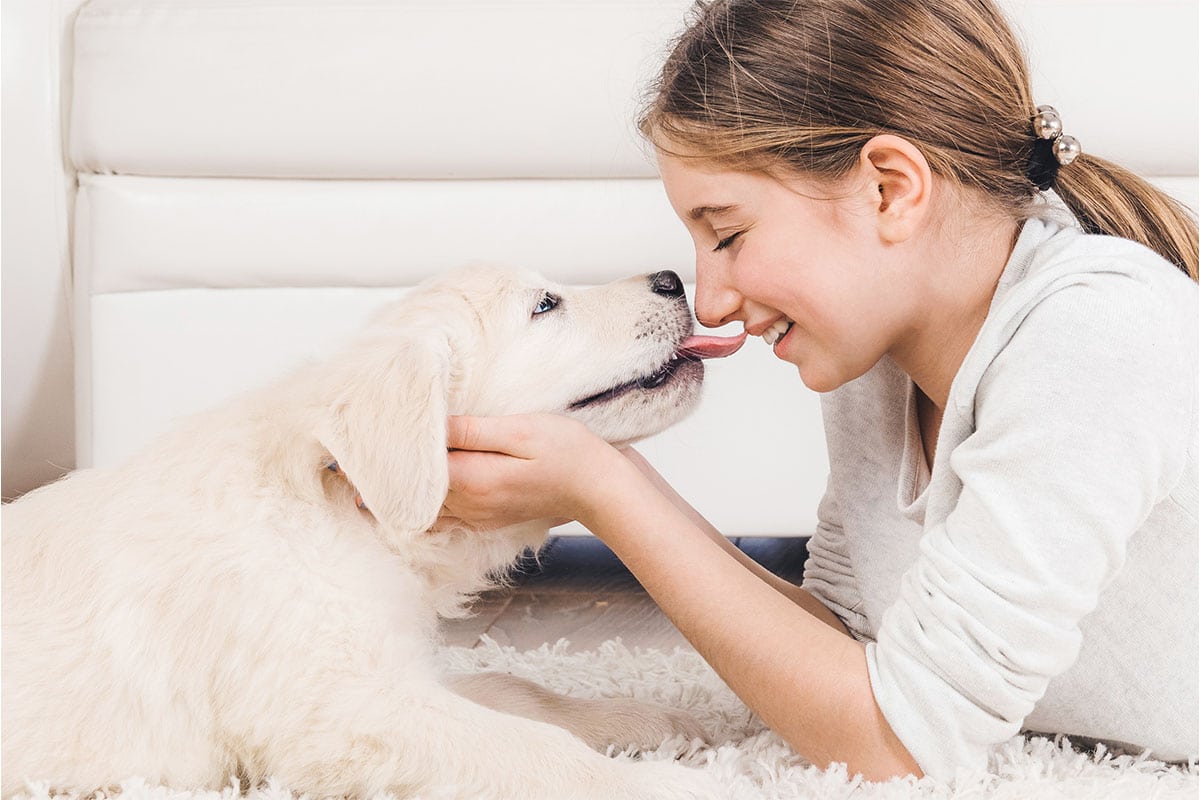
Dogs may not speak our language, but they speak our emotions fluently. They watch us with ancient eyes that seem to know when we’re hurting, celebrating, or holding back tears. If you’ve ever had a dog rest their head on your lap in your lowest moment or wag uncontrollably at your joy, you know this truth already. Science might measure behaviors, but love lives in the quiet ways dogs respond to the humans they adore.
They Comfort You When You’re Sad
 Shutterstock
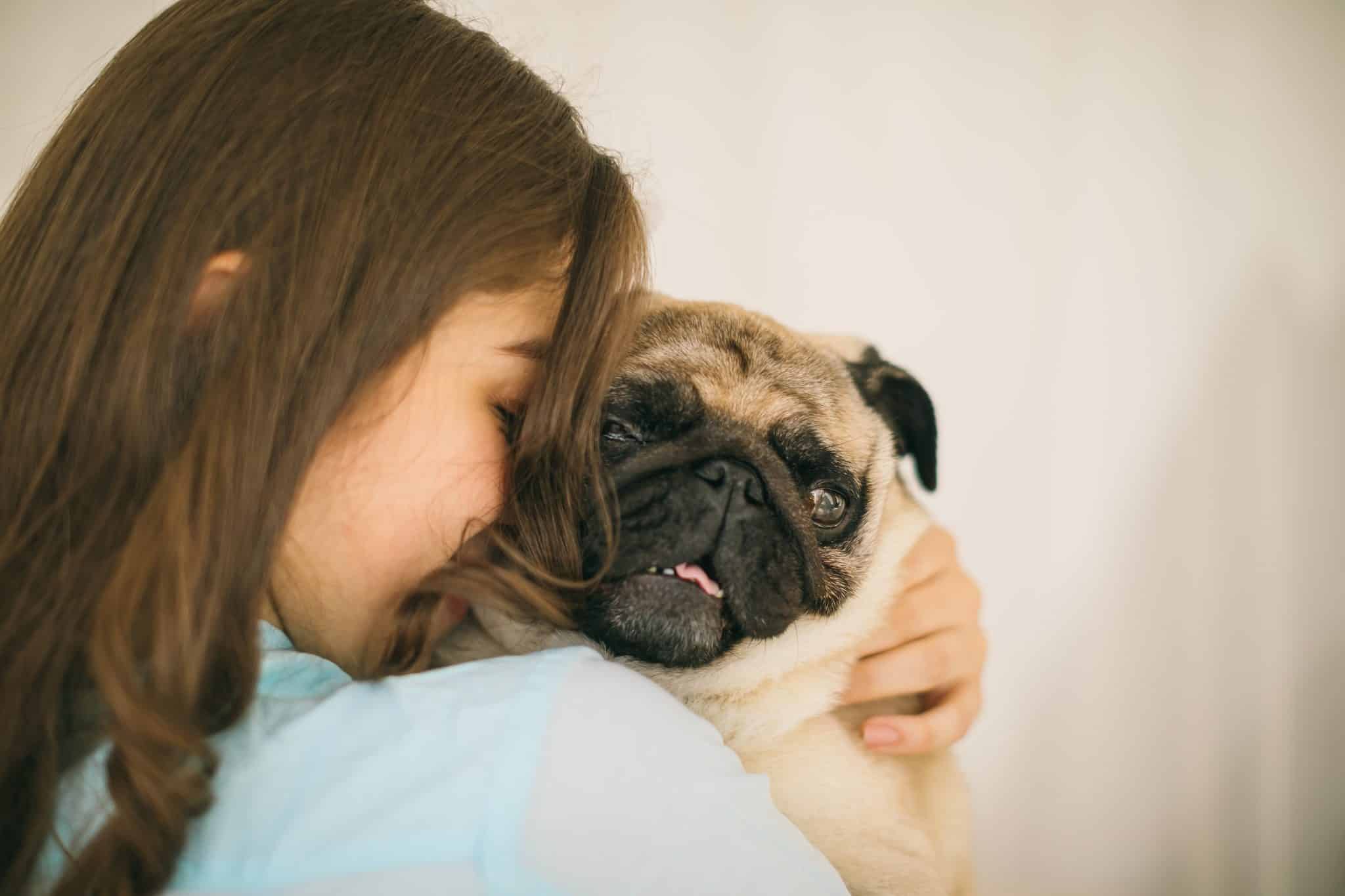
Dogs have an uncanny ability to sense sadness. Whether it’s through changes in your scent, posture, or tone, they seem to know when your heart is heavy. Many will come close, rest their head on you, or simply sit by your side with a stillness that says, “I’m here.” That silent companionship can sometimes speak louder than words.
They Mirror Your Emotions
 Shutterstock
Dogs often reflect the energy and emotions of their humans. When you’re excited, they’re bouncy and playful. When you’re anxious or stressed, they may act nervous or unsettled too. It’s not just mimicry—it’s empathy in motion.
They Read Your Facial Expressions
 Shutterstock
Studies have shown that dogs can distinguish between happy, sad, angry, and neutral human faces. They adjust their behavior accordingly, often approaching smiling faces with more confidence and cautioning around frowns. This sensitivity shows just how attuned they are to our emotional cues.
They Respond to Your Voice
 Shutterstock
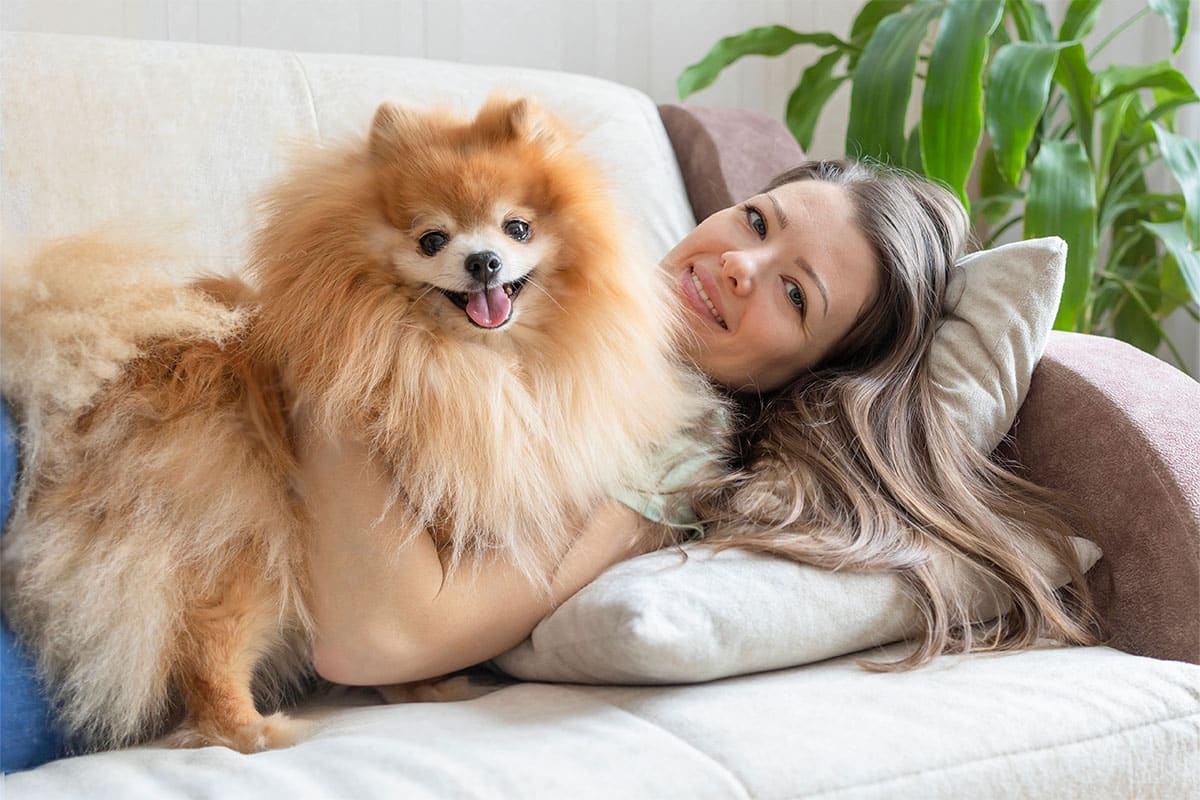
A dog’s ears are tuned not just to what you say but how you say it. They can sense warmth, fear, frustration, and affection through tone alone. It’s why your dog comes running when your voice goes high-pitched with excitement, or retreats when it drops with anger.
They Know When You’re Sick or in Pain
 Shutterstock
Dogs have been known to detect illness in their humans, sometimes even before symptoms appear. Their sense of smell is so keen that they can detect chemical changes related to sickness or stress. And emotionally, many dogs become extra protective or gentle when their person isn’t feeling well.
They Celebrate With You
 Shutterstock
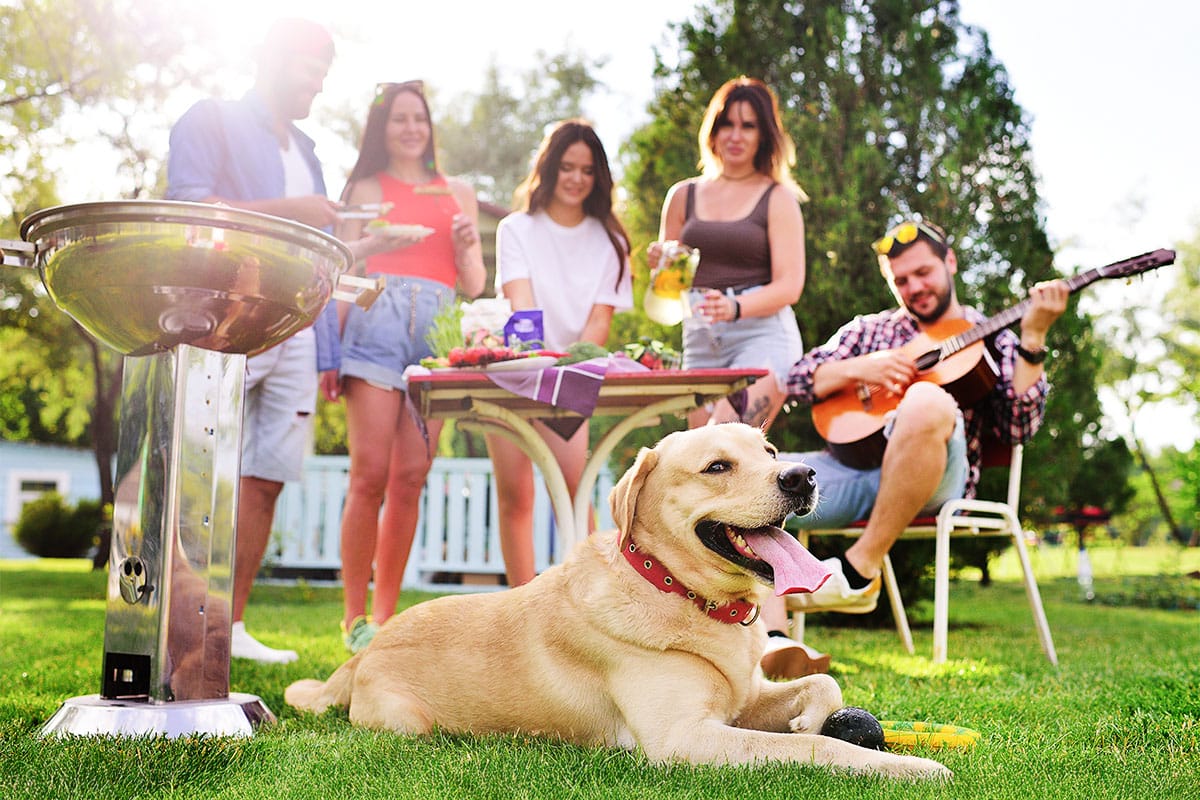
Dogs feel your joy. Whether it’s jumping up when you laugh or spinning in circles during a celebration, they join in on your happiness as if it’s their own. Their enthusiasm is pure, uninhibited, and deeply rooted in connection.
They Stay Close During Grief
 Shutterstock
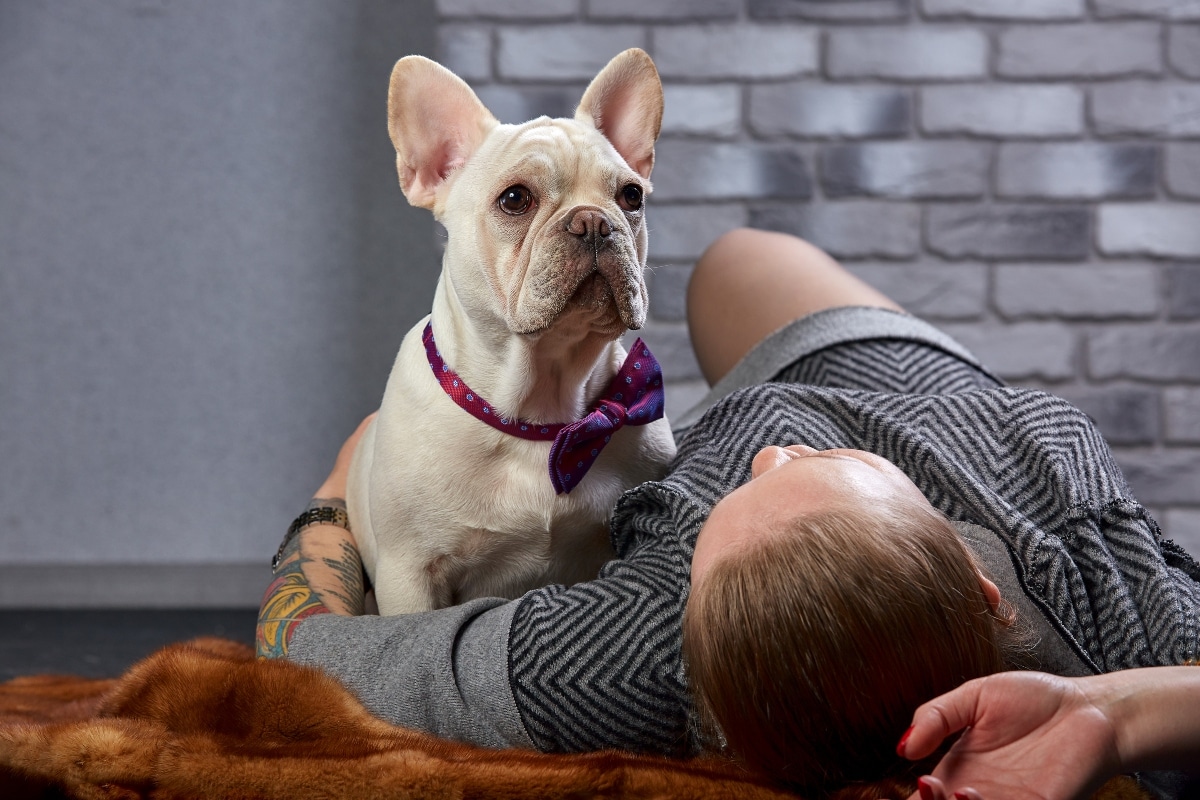
Grief can feel isolating, but dogs have a way of making sure you’re not alone in it. Some will follow you more closely, sleep beside you, or quietly lay at your feet as if anchoring you in the storm. Their presence becomes a kind of emotional tether.
They Act Differently When You Cry
 Shutterstock
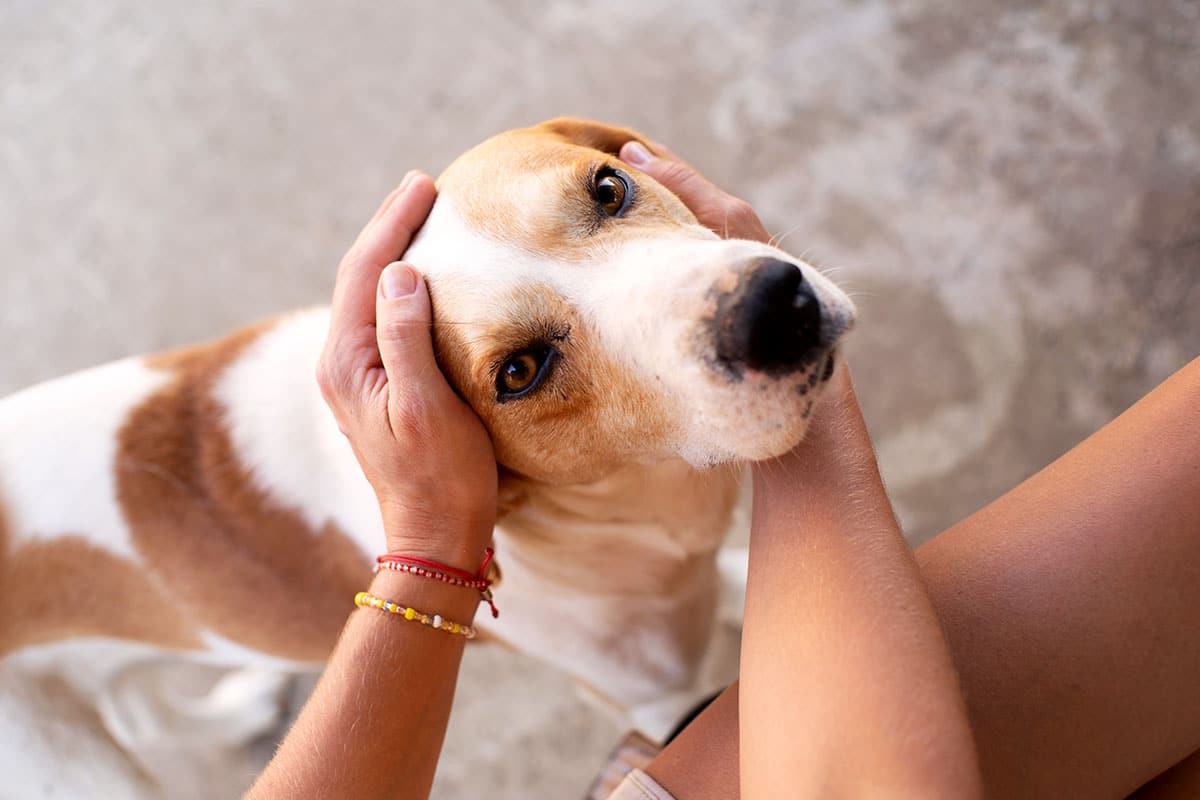
Tears have a magnetic pull for many dogs. Some will lick your face, others may bring toys as if to comfort you, and many will just sit near, their eyes tracking your pain. It’s as if they’re trying to soothe you in the only ways they know how.
They Know When You’re Leaving
 Shutterstock
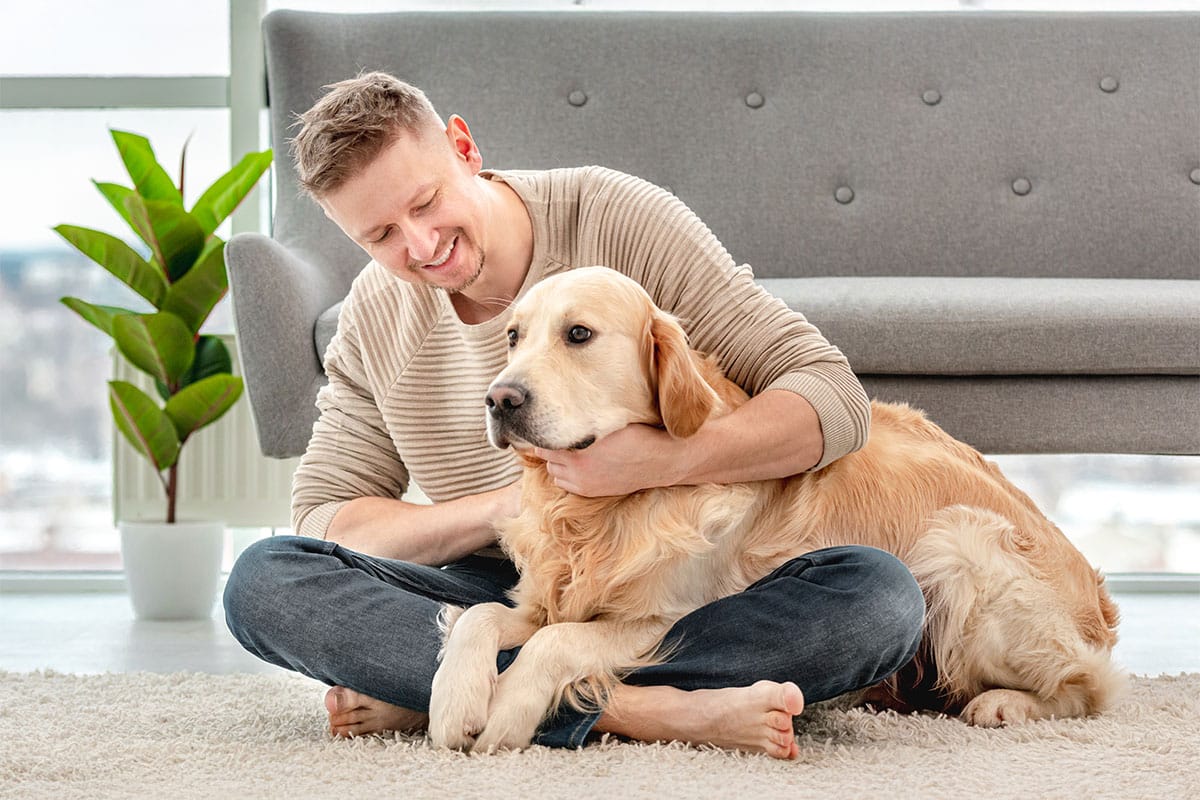
Before the suitcase is even zipped or your shoes are tied, dogs often pick up on the emotional signals that say “I’m going away.” They may get clingy, anxious, or try to block the door. It’s not just about routine—they feel the emotional shift in the air.
They Offer Themselves as Support
 Shutterstock
Some dogs naturally offer their bodies or presence when their person is distressed. Leaning against you, nudging your hand, or curling into your side becomes their way of grounding you. It’s a gentle insistence: “You’re not alone.”
They Become More Alert During Conflict
 Shutterstock
Dogs often react strongly to arguments or tension in the household. Raised voices, sharp movements, or emotional strain can make them anxious or cause them to try to intervene. They’re not just reacting to noise—they’re reacting to emotional turbulence.
They Adapt to Your Mental Health
Shutterstock
People struggling with depression or anxiety often find that their dogs adjust their behavior—being calmer, more attentive, or sticking closer. These changes aren’t trained; they’re intuitive. Dogs are emotional barometers that adjust to our storms.
They Show Guilt or Remorse
 Shutterstock
While some argue it’s just a response to tone, many dogs appear to show guilt when they’ve done something wrong. They lower their heads, avoid eye contact, or approach slowly. It may not be human guilt, but it’s a clear response to emotional disapproval.
They Remember Emotional Experiences
 Shutterstock
Dogs remember not just what happened but how it felt. A place where something scary happened may cause nervousness, while a joyful routine like a daily walk brings bright-eyed anticipation. Their memories are often emotionally charged.
They Love Without Condition
 Shutterstock
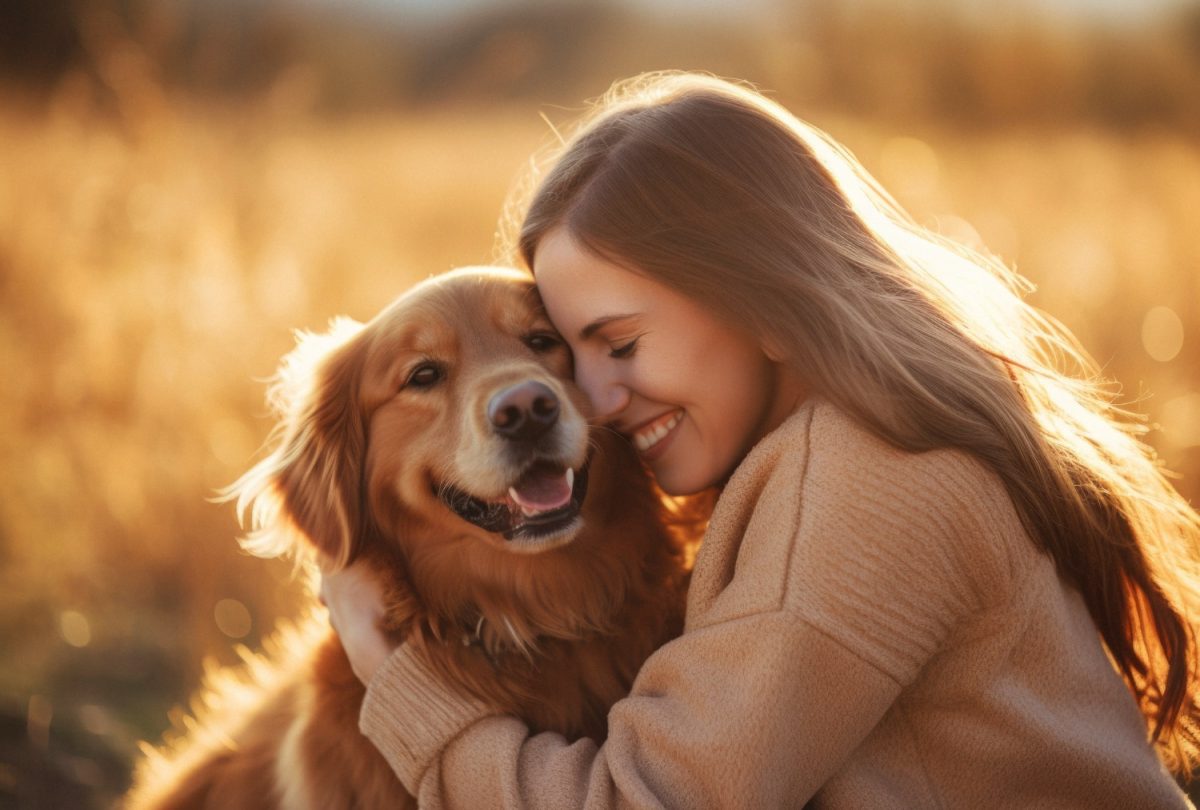
This might be the deepest proof of all. Dogs don’t withhold affection based on our mood, success, or flaws. They love through the highs, lows, and in-betweens. That constant, unwavering presence is emotional understanding in its most profound form.
Pawprints on the Heart
 Shutterstock
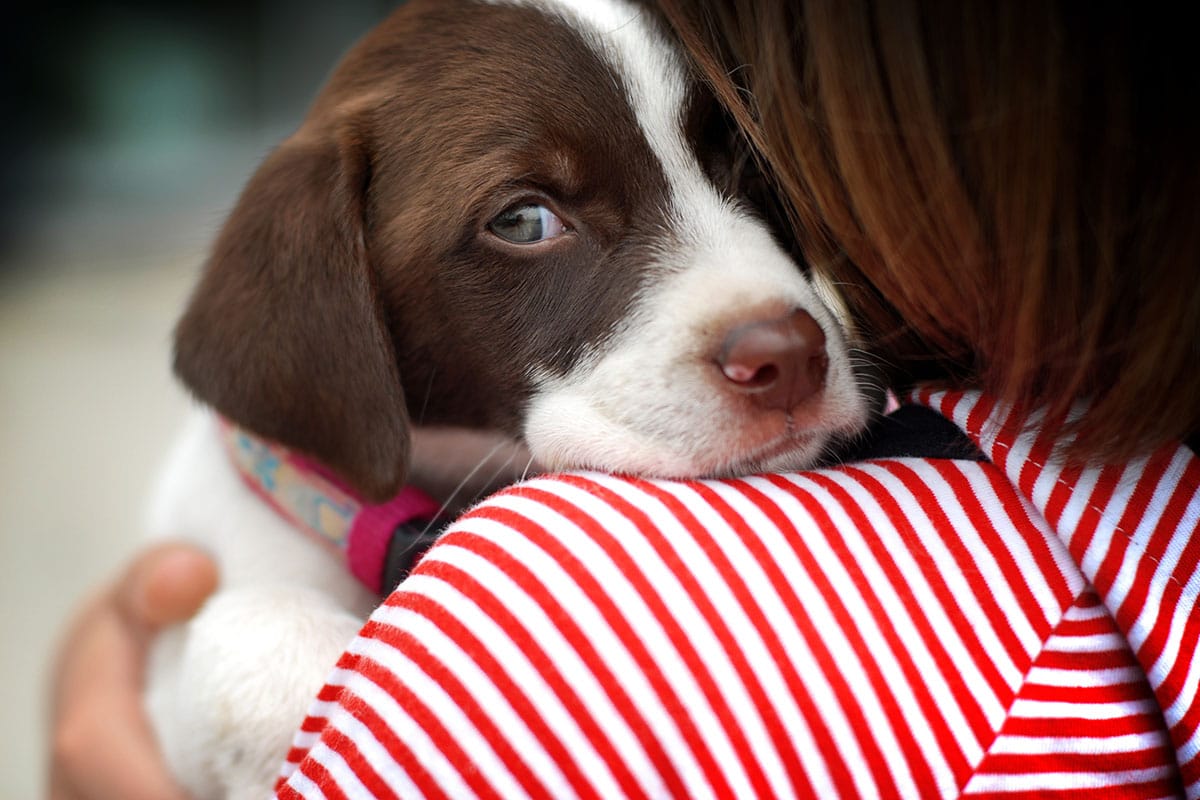
We may be the ones with the words, but dogs are the ones who speak directly to the soul. Their emotional intelligence is quiet, intuitive, and incredibly powerful. It’s found in the way they stay close, look into our eyes, and show up exactly when we need them. If love is a language, dogs are fluent, and they teach us how to speak it better, just by being near.
 Toledo, United States.