
 Shutterstock
There’s something captivating about discovering a dog breed you’ve never seen before. Rare breeds tend to turn heads at the park and invite curious questions from strangers. They carry unique stories, distinct appearances, and fascinating traits that set them apart from more common breeds. Many have quietly thrived for centuries in remote regions, serving vital roles from herding livestock to hunting game. Though they may not dominate popularity charts, they reflect the rich, diverse bond between dogs and humans. These hidden gems are absolutely worth knowing and appreciating.
Azawakh
 Shutterstock
Hailing from the Sahel region of Africa, the Azawakh is a tall, lean sighthound with a graceful and almost regal presence. Originally bred by nomadic tribes to guard livestock and hunt game, they are both fiercely loyal and deeply independent. Their short coats and long legs give them a unique silhouette that often surprises people seeing them for the first time. Despite their elegance, they’re extremely tough and built for endurance in harsh desert climates. The Azawakh bonds deeply with their humans but often remains aloof with strangers, which makes their quiet loyalty all the more touching.
Mudi
 Shutterstock
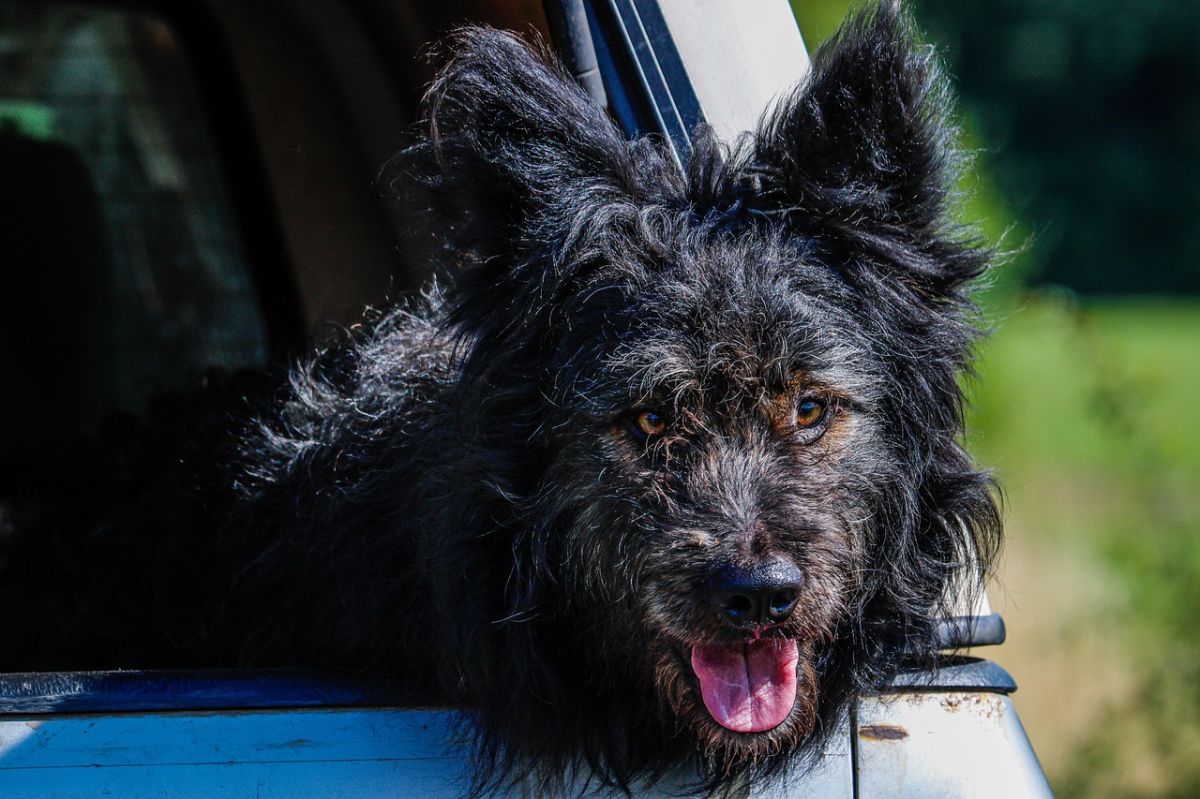
The Mudi is a Hungarian herding dog that seems to have energy running through its veins. Often mistaken for a mix due to their varied coat colors and perky ears, Mudis are purebred working dogs known for their agility and intelligence. They’ve been helping farmers manage flocks for centuries, yet most people outside of Europe have never even heard of them. Their curly coats and alert expressions make them stand out once you know what to look for. A Mudi thrives with an active family and will outthink anyone who underestimates their brilliance.
Otterhound
 Shutterstock
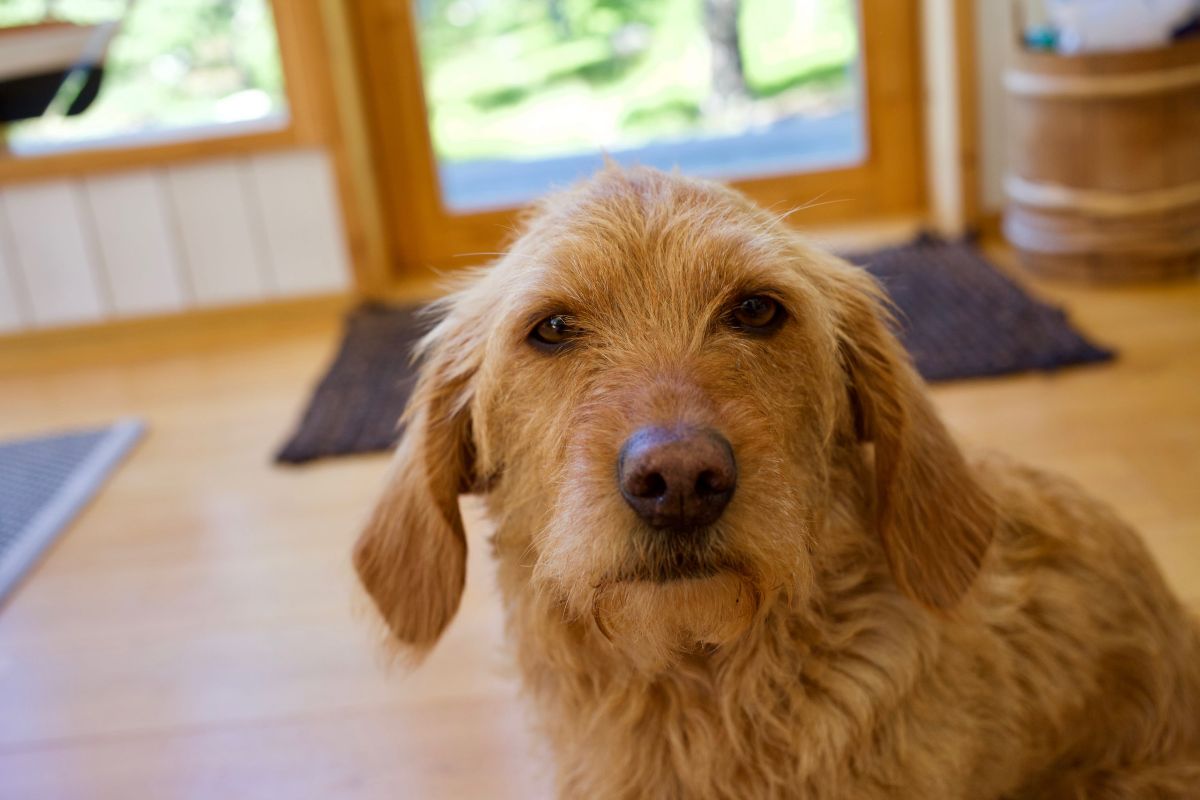
Otterhounds are as charming as they are rare, with only a few hundred left worldwide. This large, rough-coated breed was developed in England to hunt otters, a job that required keen scent-tracking skills and strong swimming ability. They’re built like tanks with webbed feet, shaggy fur, and a nose that rivals the best scent hounds. Otterhounds have a bouncy, clownish personality that wins hearts but also makes them a bit of a handful if you’re not ready for their size and enthusiasm. They deserve more recognition, not just for their history but for their joyful, goofy companionship.
Thai Ridgeback
 Shutterstock
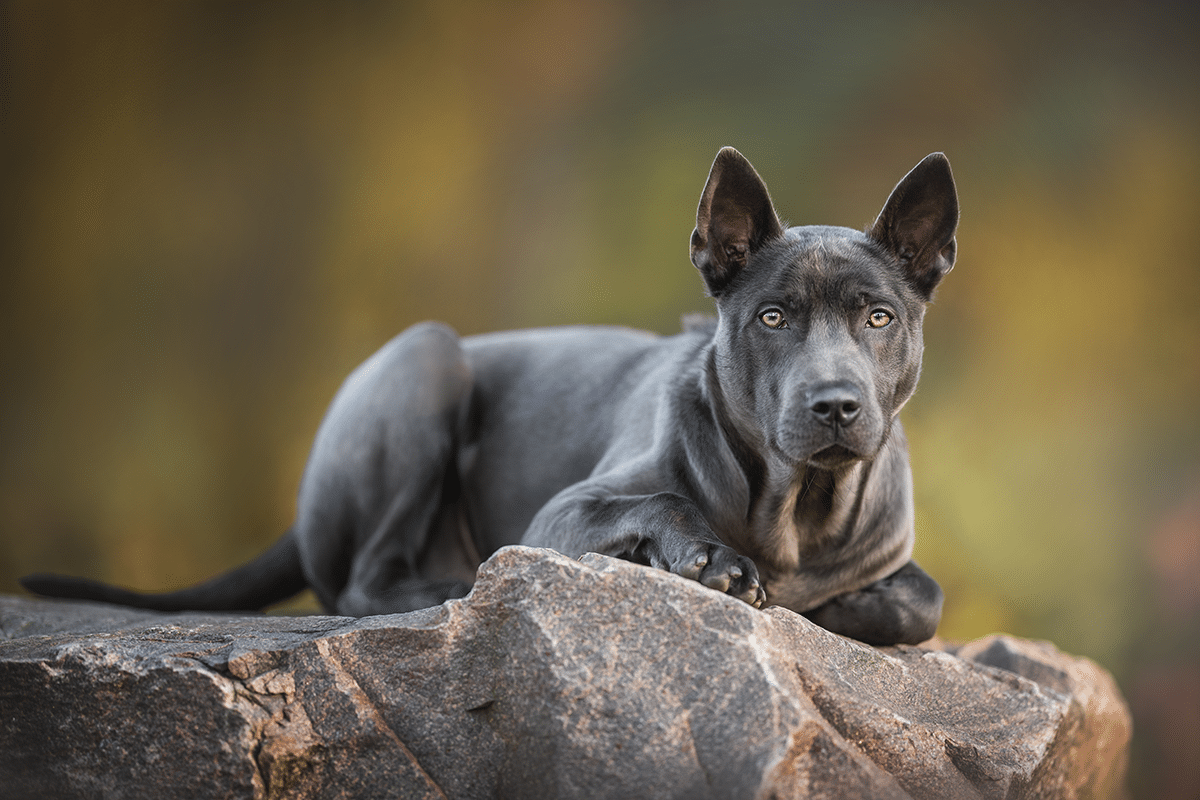
Muscular and sleek, the Thai Ridgeback is a natural protector with a primitive lineage. This breed is known for the ridge of hair running along its back in the opposite direction of the rest of its coat, a trait shared with only a couple of other breeds worldwide. Used for guarding and hunting in Thailand, they’re strong-willed, intelligent, and fiercely loyal to their families. Their rarity outside Southeast Asia means they’re often misunderstood, but those who understand them know just how affectionate and devoted they can be. A Thai Ridgeback isn’t for the faint of heart, but their loyalty is worth every challenge.
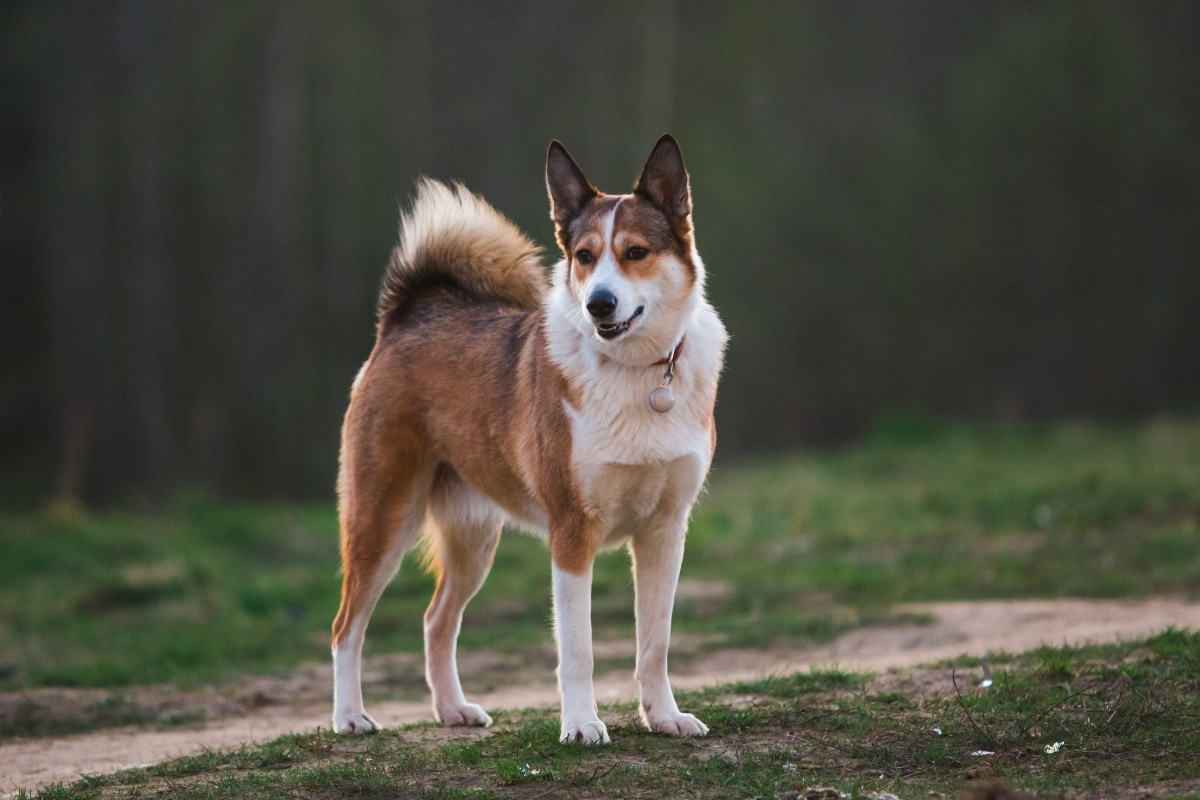
Norwegian Lundehund
 Shutterstock
With six toes on each foot and joints that bend in unusual ways, the Norwegian Lundehund is a marvel of adaptation. Originally bred to hunt puffins on steep cliffs in Norway, this breed is incredibly agile and flexible. Their unique anatomy helps them scale rocky terrain with ease, making them true mountain athletes. Lundehunds can be a bit quirky in behavior, often displaying independence and stubbornness that reflect their wild roots. Owning one is like living with a living piece of history, with all the surprises that come along with it.
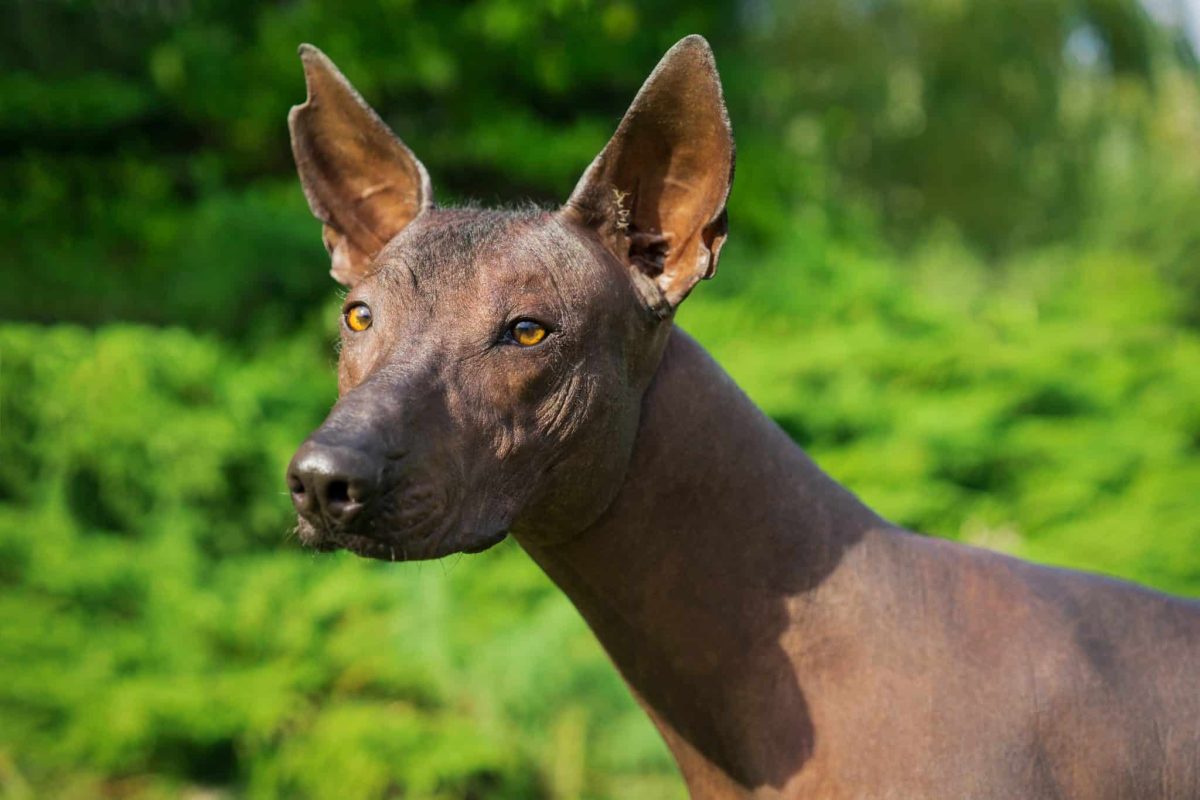
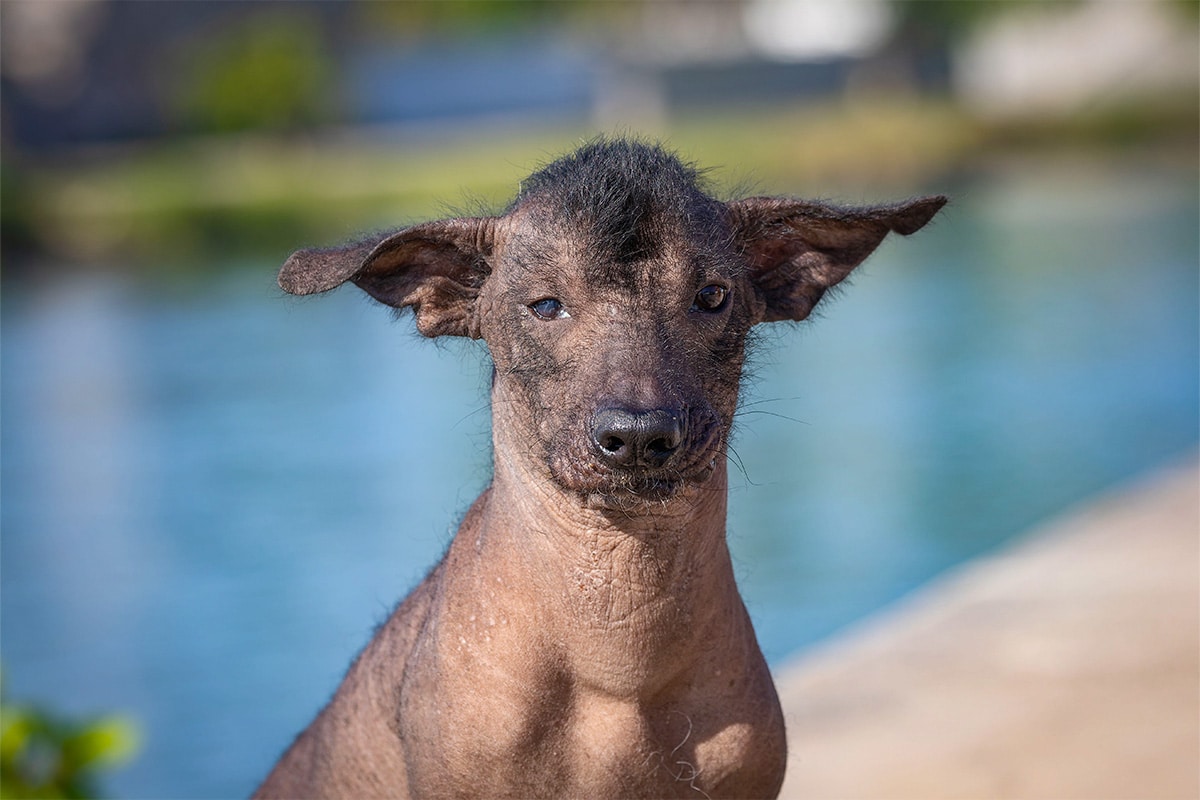
Xoloitzcuintli
 Shutterstock
Also known as the Mexican Hairless Dog, the Xoloitzcuintli has been revered in Mexican culture for centuries. Their sleek, often hairless appearance gives them a striking look, and they come in three sizes: toy, miniature, and standard. Xolos are calm, affectionate, and surprisingly good watchdogs. They were considered sacred by the Aztecs and are believed to have healing powers, especially for those with arthritis, thanks to their warm skin. Their quiet presence makes them ideal for a peaceful home, where their soulful eyes do most of the talking.
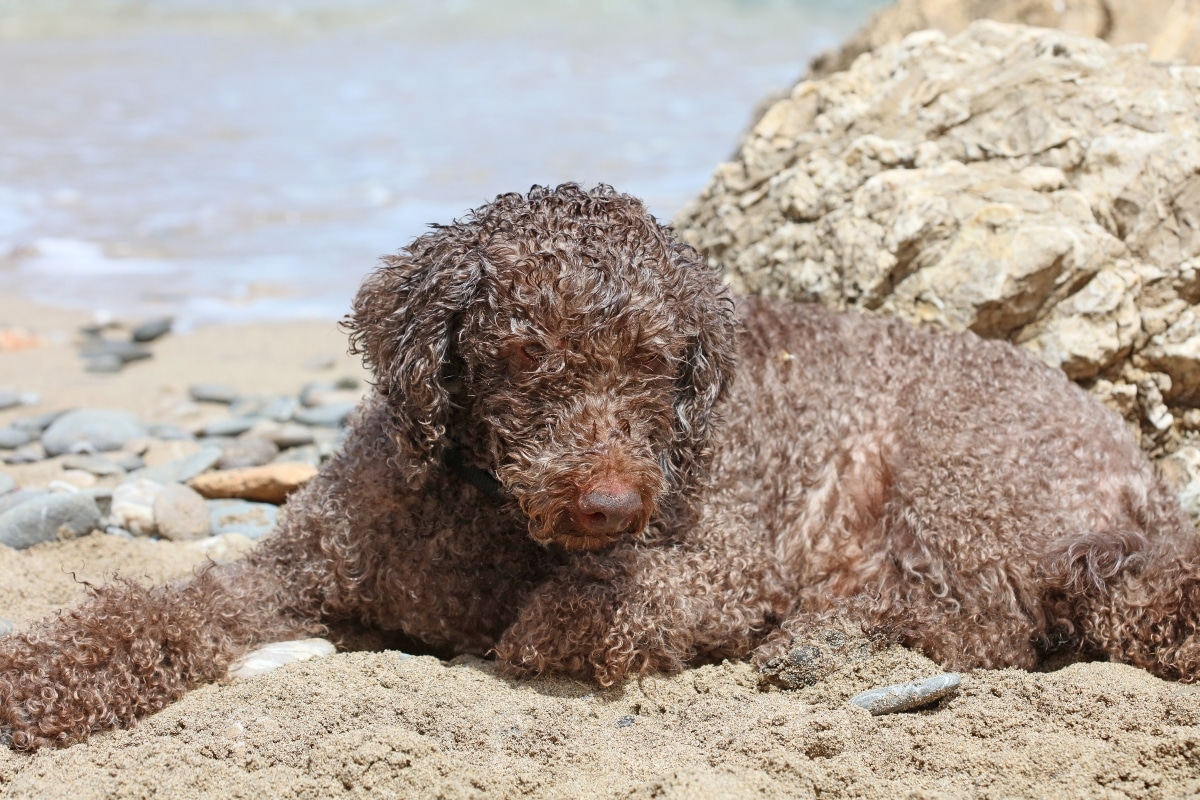
Lagotto Romagnolo
 Shutterstock
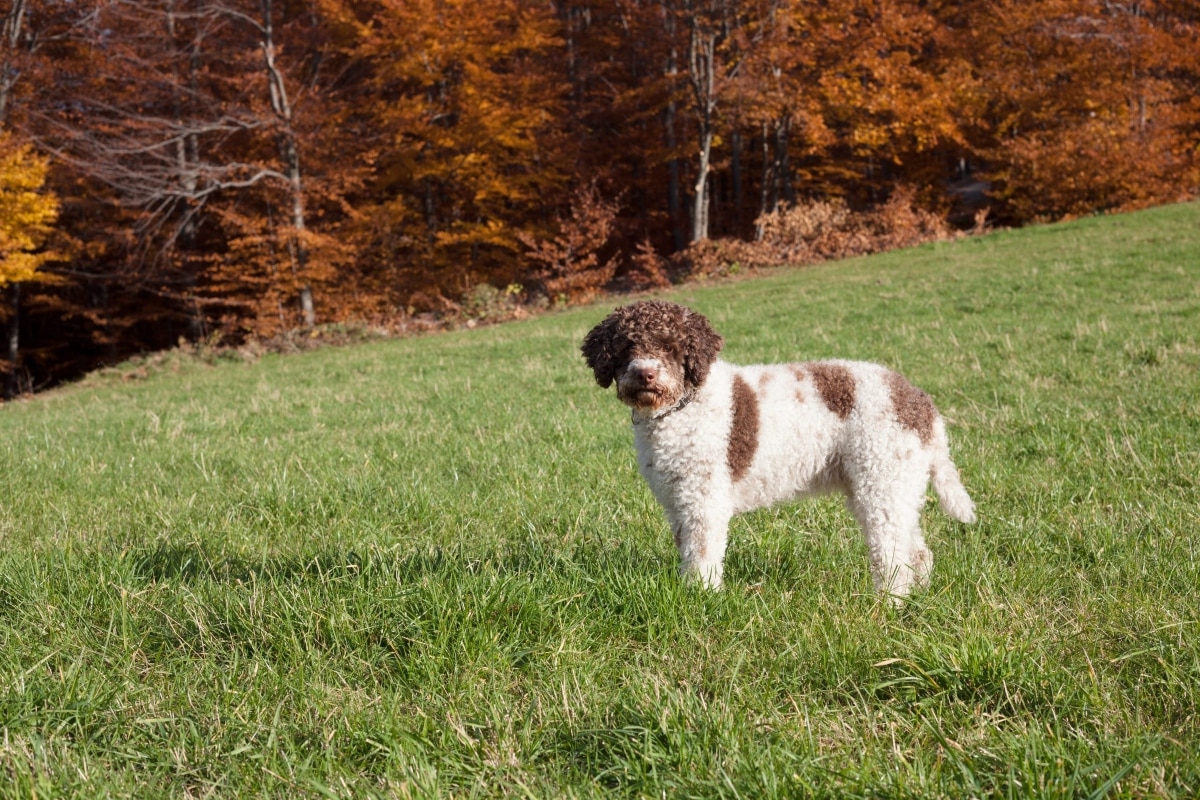
The Lagotto Romagnolo might look like a cuddly teddy bear, but this Italian breed has a nose for treasure. Specifically, truffles. Originally a water retriever, the Lagotto transitioned to truffle hunting due to its keen sense of smell and enthusiastic work ethic. Their curly coat is both charming and functional, protecting them from the elements. Beyond their working skills, Lagottos are affectionate, trainable, and love mental stimulation. They thrive in homes where their intelligence is put to good use, whether through scent work or puzzle toys.
Peruvian Inca Orchid
 Shutterstock
Elegant and mysterious, the Peruvian Inca Orchid is a sight to behold. Available in both hairless and coated varieties, this breed has existed in Peru for thousands of years. They’re known for their graceful build, expressive eyes, and warm skin, which has a velvety feel. Despite their somewhat fragile appearance, they are athletic and agile. These dogs bond closely with their humans and are often reserved around strangers, preferring the company of their family.
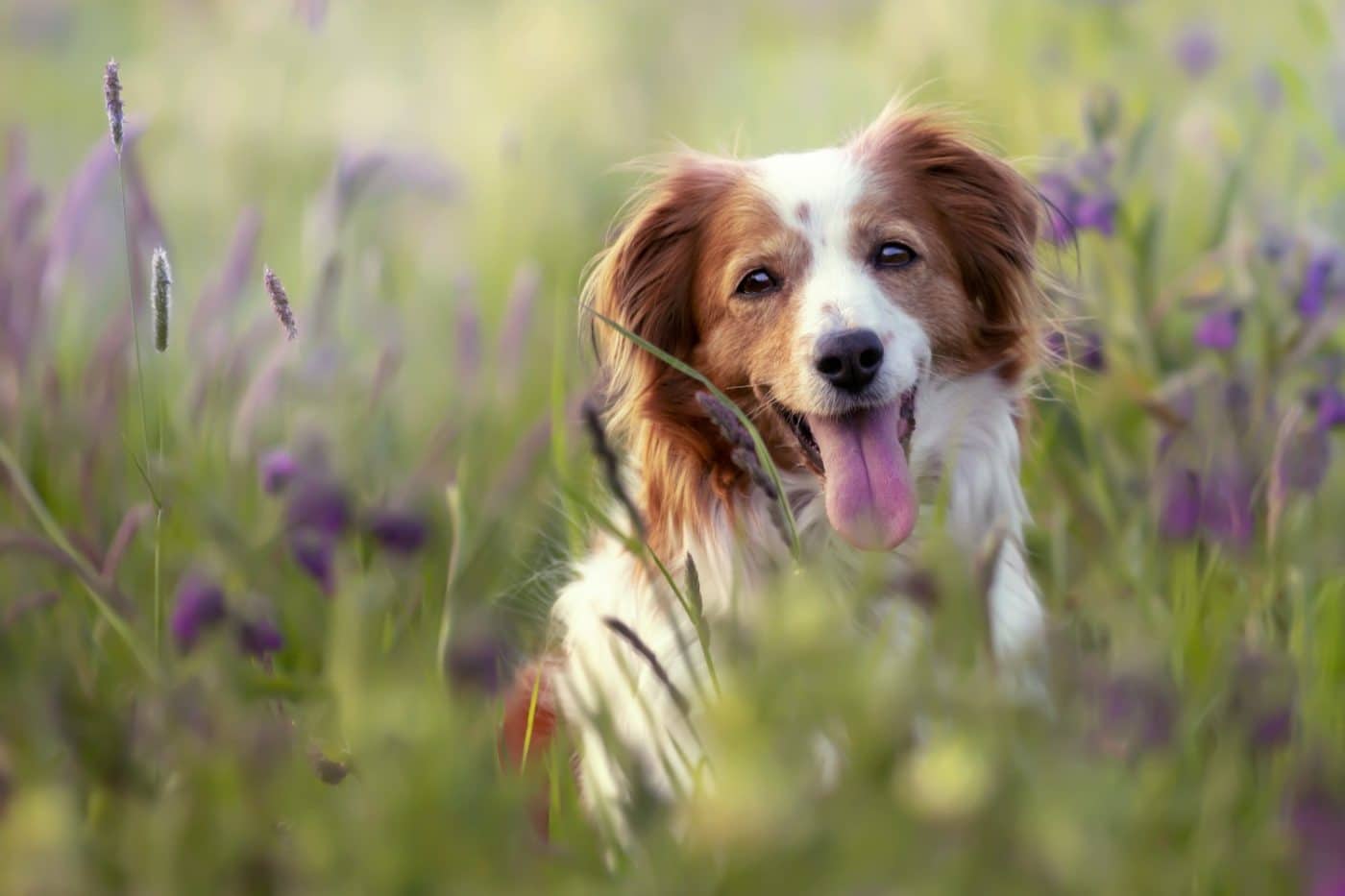
Kooikerhondje
 Shutterstock
Cheerful and lively, the Kooikerhondje is a Dutch breed that once lured ducks into traps for hunters. Their orange-and-white coats and feathered tails give them a distinct and charming appearance. Although small, they are spirited and intelligent, often eager to please and quick to learn. They have a sweet, sensitive nature that makes them well-suited for life with families who treat them kindly. Kooikerhondjes are rare even in their home country, making them a hidden gem for those who love unique but gentle companions.
Carolina Dog
 Shutterstock
The Carolina Dog looks like it walked straight out of ancient history, and in a way, it did. Believed to descend from wild dogs that roamed the American Southeast, this breed has retained a primitive look and instinctive behaviors. Their shy, cautious nature reflects their semi-wild past, but once they trust you, they become incredibly loyal and affectionate. They have a natural cleanliness and a pack-oriented mindset that fits well with calm, patient households. The Carolina Dog is a beautiful reminder of how closely linked dogs are to their wilder roots.
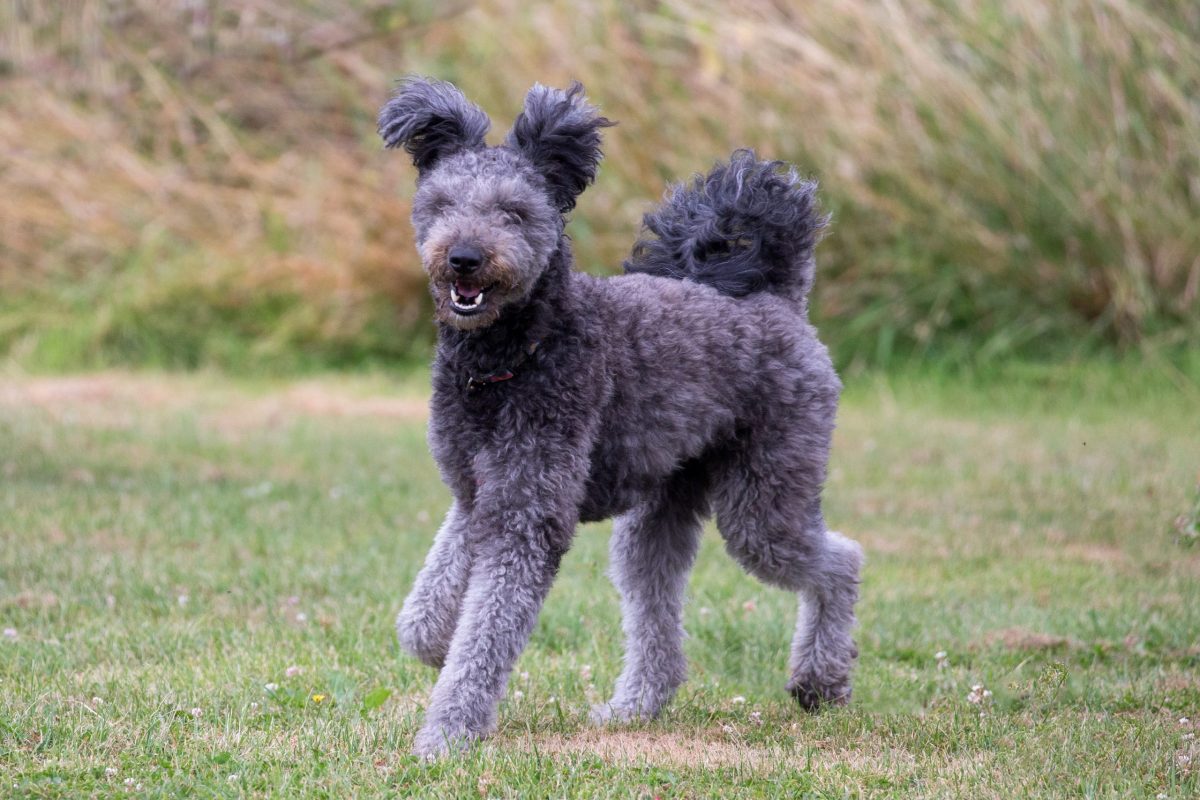
Pumi
 Shutterstock
With ears that bounce like springs and a coat that curls like clouds, the Pumi is a Hungarian herding breed full of personality. These dogs are known for their energy, intelligence, and expressive faces that seem to always be mid-thought. They were bred to herd livestock, but easily adapt to active homes where they can show off their problem-solving skills. Their curly coats require regular care, but their upbeat nature makes grooming a bonding experience. Living with a Pumi means never having a dull moment.
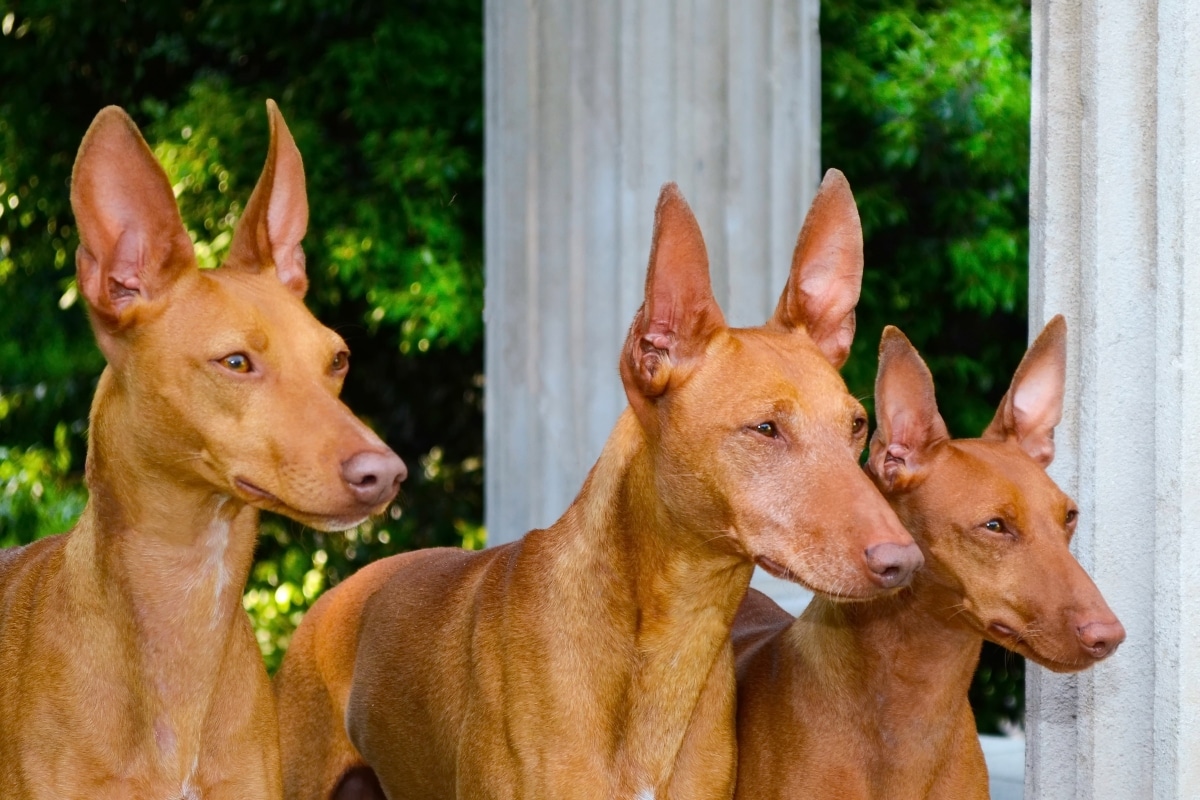
Cirneco dell’Etna
 Shutterstock
Graceful and resilient, the Cirneco dell’Etna is a small sighthound from Sicily, bred to hunt rabbits across volcanic terrain. They resemble a smaller Pharaoh Hound, with a sleek body and large, upright ears. Their quiet determination and endurance make them ideal for long walks or hikes. Despite their independent streak, they form strong attachments to their families and enjoy being close. Cirnecos are low-maintenance in many ways, but they do need companionship and space to stretch their legs.
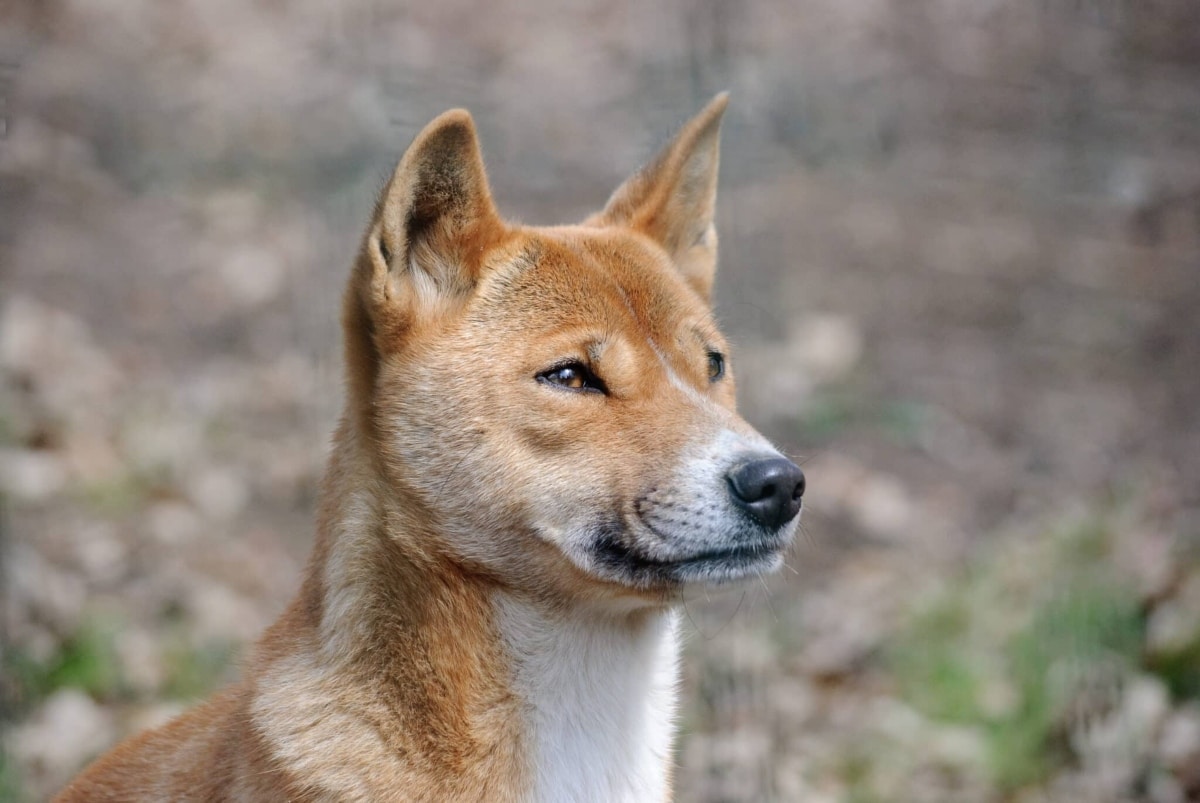
New Guinea Singing Dog
 Shutterstock
The New Guinea Singing Dog isn’t just rare, it’s one of the most unique canines on the planet. Named for their melodic howls and vocalizations, these dogs have an almost mystical presence. They’re closely related to wild dogs and were once thought to be extinct in the wild. Their behaviors often resemble those of foxes, with agile movements and sharp awareness. While they’re not typically suited for the average home, they’re a testament to the wild roots that still echo in modern dog breeds.
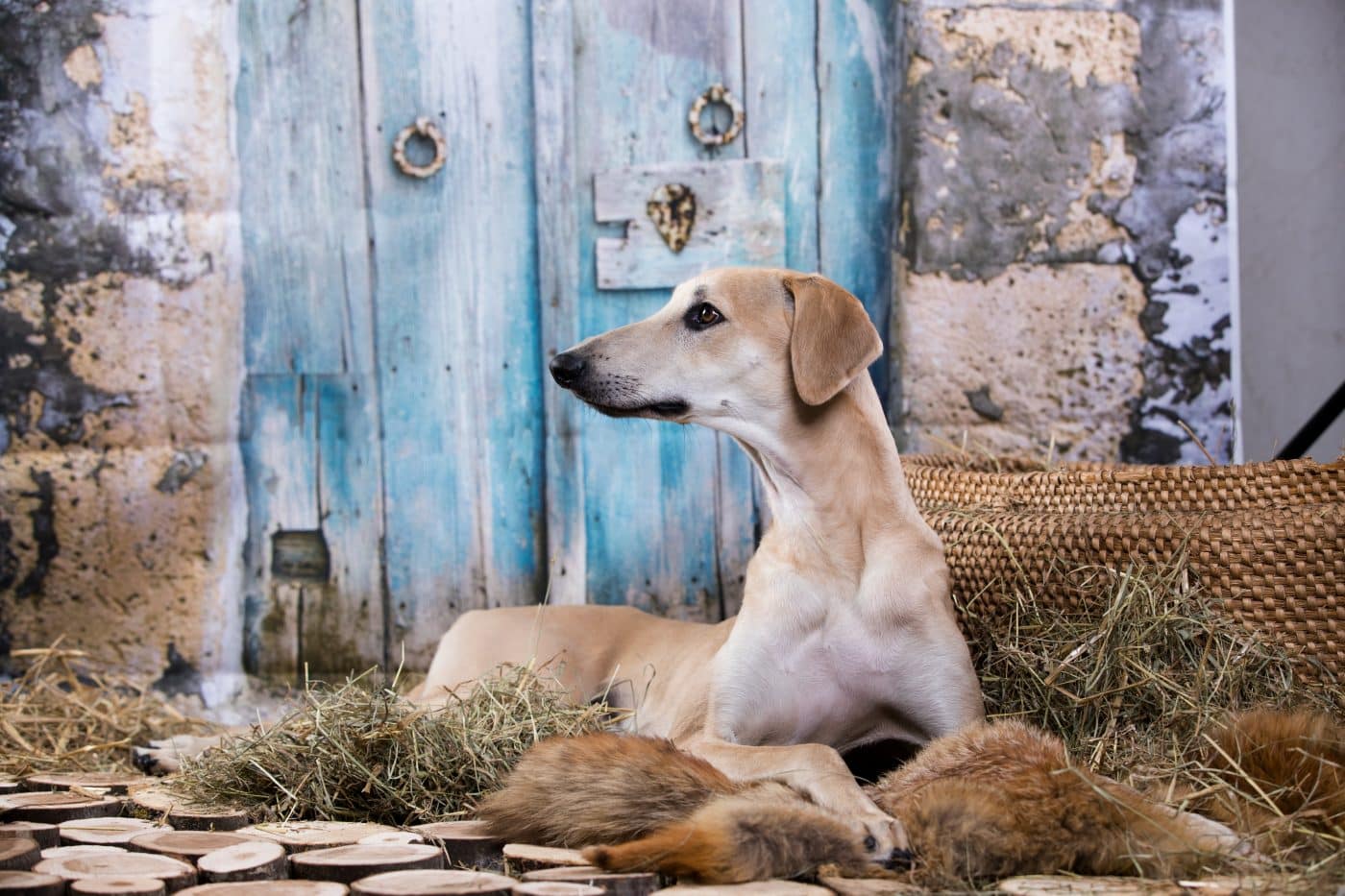
Sloughi
 Shutterstock
Often overshadowed by its cousin, the Greyhound, the Sloughi is a North African sighthound that’s built for speed and grace. These dogs are quiet, dignified, and incredibly loyal to their people. Their sleek bodies and soulful eyes give them a noble look that matches their calm demeanor. They need space to run, but love relaxing at home just as much. The Sloughi is ideal for someone who appreciates subtle affection and gentle companionship.
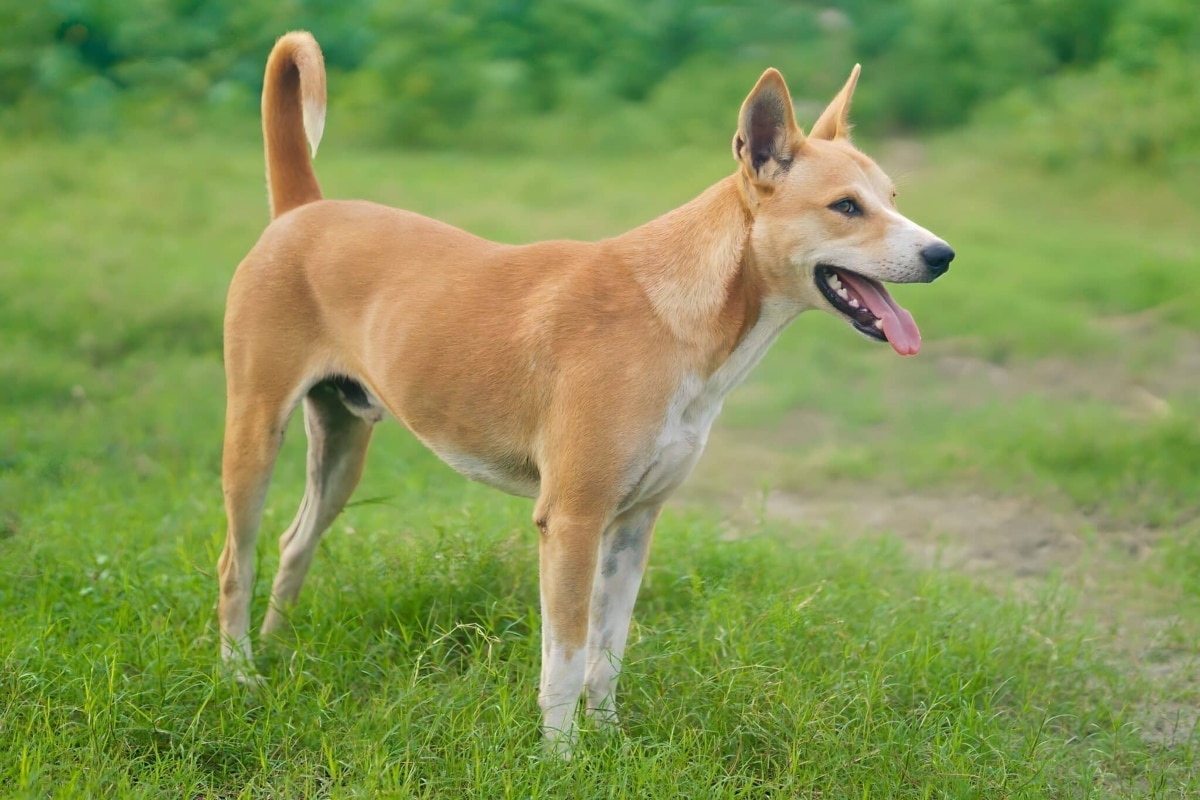
Telomian
 Shutterstock
The Telomian is a rare Malaysian breed with a fascinating history of living alongside indigenous people in remote villages. They’re known for their ability to climb ladders and navigate tricky terrain, thanks to their strong, nimble bodies. Telomians are smart, independent, and wary of strangers, but they form deep bonds with those they trust. Their rarity is due to isolated breeding and limited awareness outside Malaysia. Owning one feels like having a piece of living folklore by your side.
The Tail End of Unusual Tails
 Shutterstock
Rare dog breeds are much more than conversation starters; they’re living links to history, culture, and the enduring partnership between humans and dogs. Every wag, bark, and glance carries the weight of generations spent working, protecting, and bonding with people across the globe. Whether climbing cliffs, herding livestock, or hunting in silence, each breed holds a unique role in our shared past. Meeting or living with one is something truly special. Even just learning about them deepens our appreciation for the diverse and remarkable world of dogs.
 Toledo, United States.