
 Shutterstock
Some of the abilities dogs possess are so subtle we barely notice, while others leave us wide-eyed with amazement. They may look like snuggle machines, but beneath the fur are powerful muscles, finely tuned senses, and reflexes that would impress any athlete. Their bodies are designed for grace, strength, and instinct, often surprising us with their remarkable capabilities. Understanding what they can do helps us appreciate the quiet brilliance behind every sprint, every leap, every tail wag, and every paw print they leave behind.
Dogs Can Hear What You Can’t
 Shutterstock
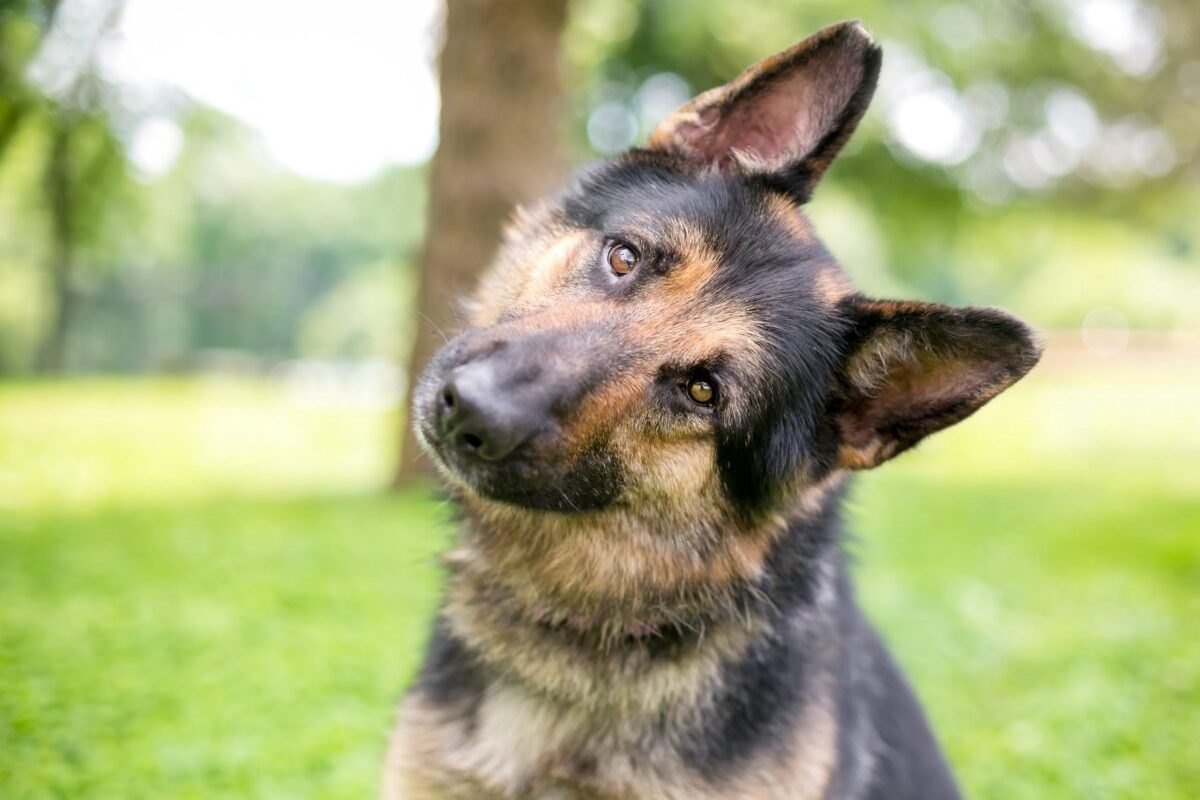
Dogs have finely tuned ears that can detect frequencies far above what the human ear can register. They can hear sounds between 40 Hz and 60,000 Hz, while humans cap out around 20,000 Hz. This makes them incredibly adept at catching high-pitched noises, including distant whistles and the electrical hum of appliances. Their ears are like built-in radar, turning even the slightest sound into valuable information.
Dogs Use Their Noses Like Supercomputers
 Shutterstock
A dog’s nose isn’t just intense—it’s layered with complexity. They have up to 300 million olfactory receptors, compared to our 5 million, which enables them to identify and remember thousands of unique scents. That’s why they can track missing people, detect diseases, and even smell emotions like fear or stress. Their sniffing power is so refined, it’s like having a sensory map of the world in every inhale.
Dogs Can Run with Shock Absorbers
 Shutterstock
Ever wonder why dogs can leap off couches and land like they’re made of rubber? That’s because they have paw pads filled with fat and connective tissue that act as natural shock absorbers. Their skeletal and muscular system is designed to spring into motion and recover quickly. It allows them to jump, twist, pivot, and dart without injuring their joints as easily as humans might.
Dogs Can Move Their Ears Independently
 Shutterstock
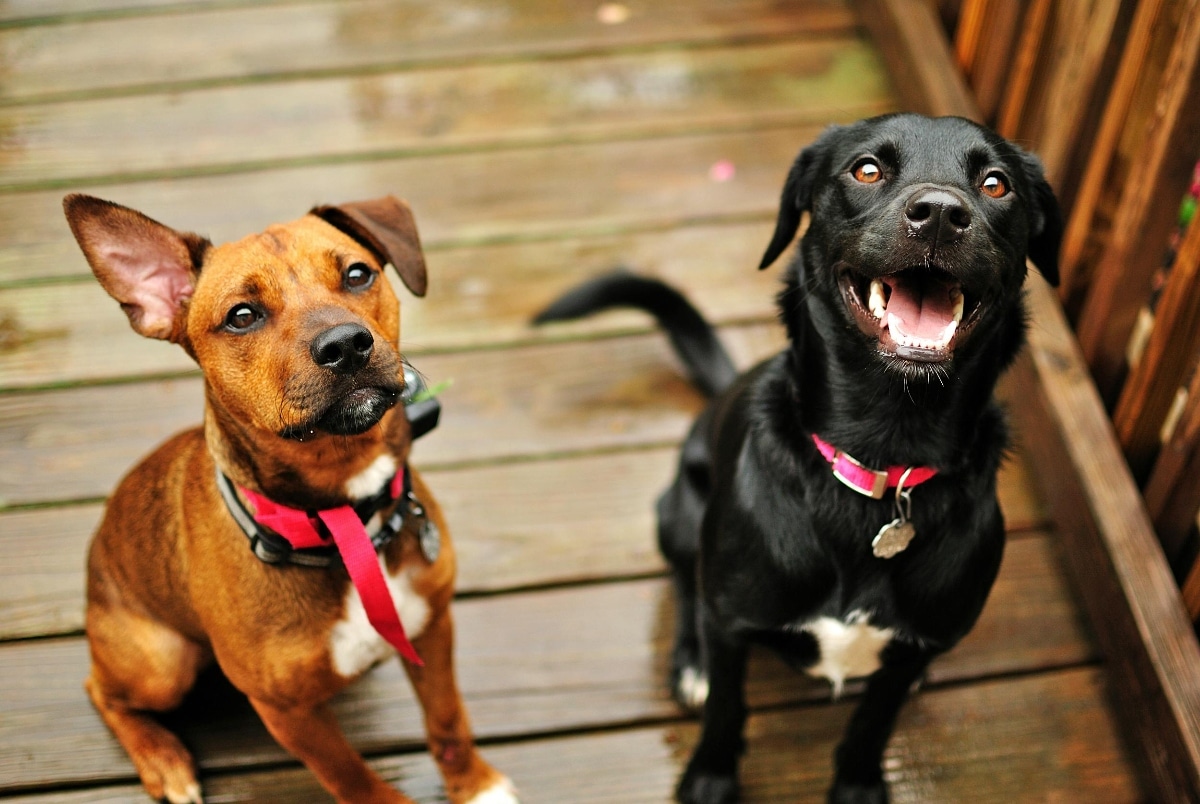
Those expressive ears aren’t just for show—dogs have over a dozen muscles that allow them to rotate and move each ear individually. This lets them pinpoint sound direction quickly and communicate emotion through subtle movements. Their ability to zero in on a noise is part of what makes them excellent hunters and protectors. It’s also part of why your dog knows you opened a snack bag from two rooms away.
Dogs Can Smell in 3D
 Shutterstock
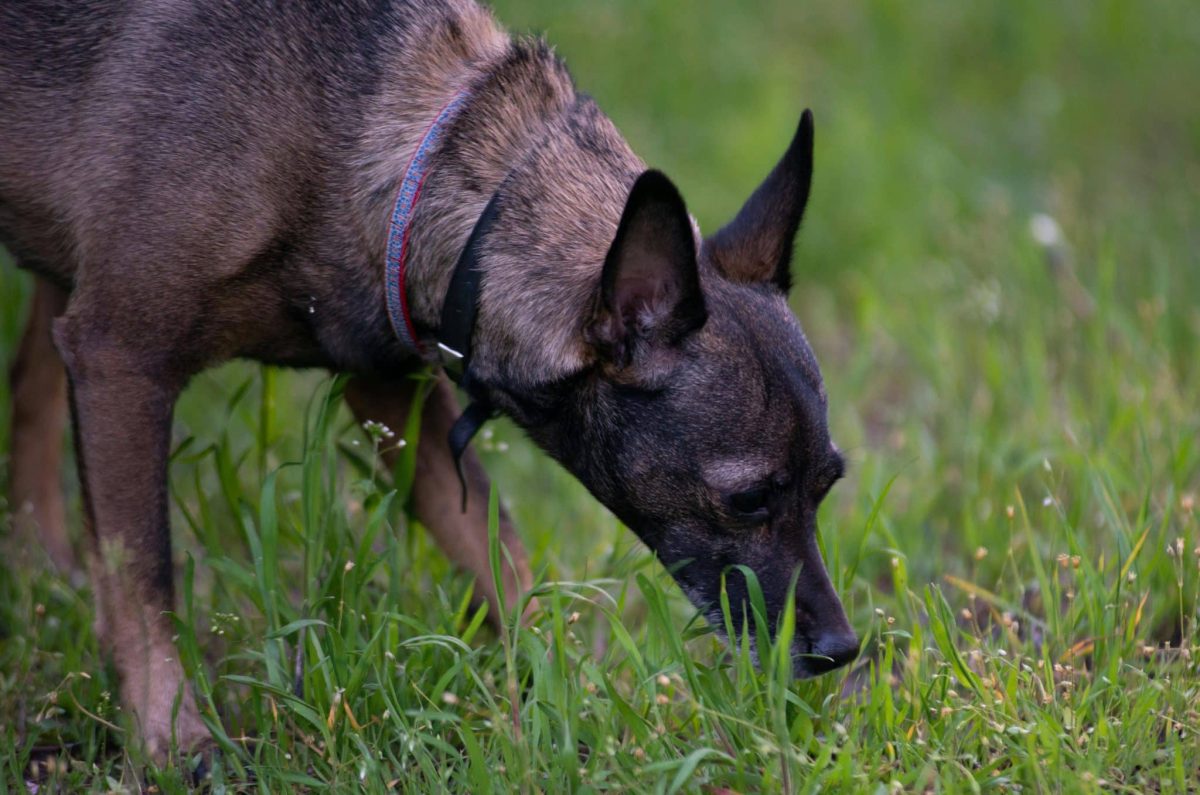
Unlike humans, dogs can smell separately through each nostril, creating a three-dimensional perception of where a scent is coming from. This gives them directional awareness that’s useful in tracking and locating things with impressive precision. While we might smell something generally “in the room,” dogs can follow it like a trail. Their sniffer is GPS with a wet nose.
Dogs Have a Built-In Compass
 Shutterstock
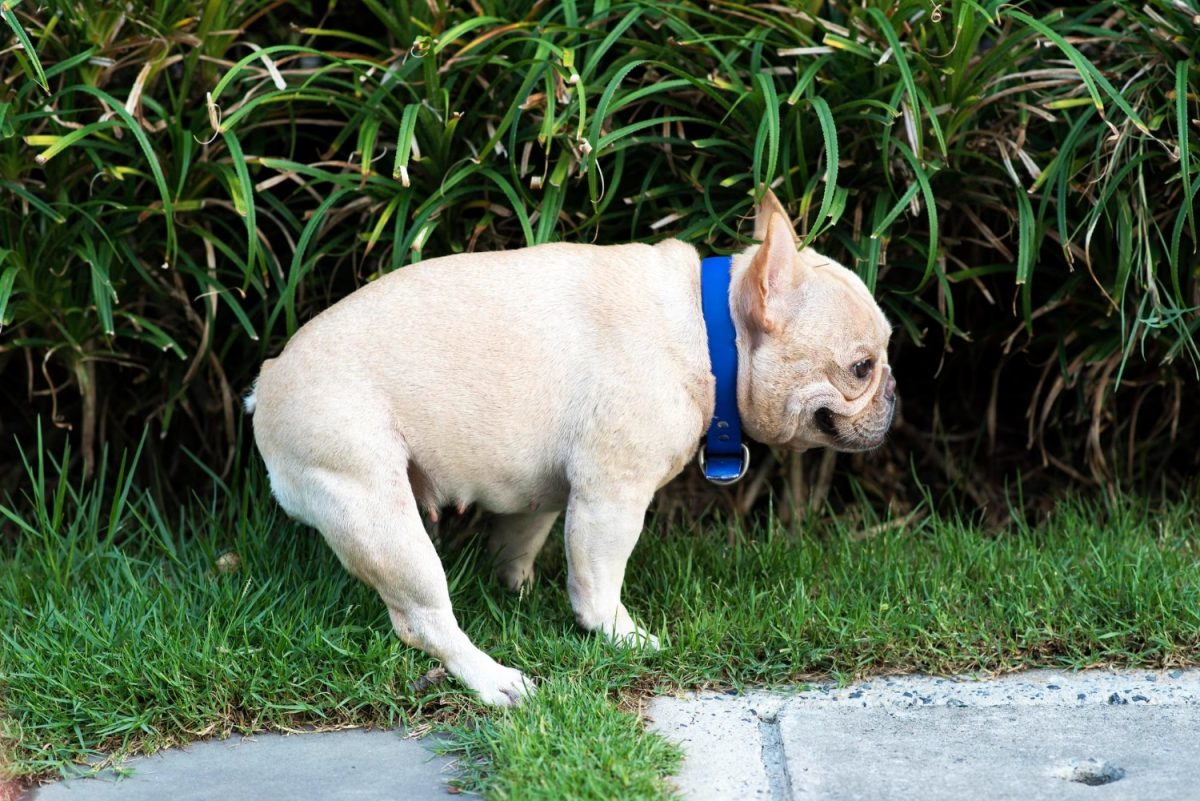
Studies have shown that dogs often align themselves with Earth’s magnetic field when doing their business. Many dogs prefer to face north or south when relieving themselves. While the reason isn’t fully understood, it’s believed they may have magnetoreception—a biological ability to sense magnetic fields. They may be more in tune with the planet than we give them credit for.
Dogs Sweat Through Their Paws
 Shutterstock
Dogs don’t sweat like we do. Their main sweat glands are located in their paw pads, which is why their feet may feel damp on a hot day or after stress. This is one reason dogs pant to cool down, using their respiratory system instead of a widespread skin surface. It’s a quirky fact, but one that shows how differently their bodies regulate temperature.
Dogs Can See in Dim Light
 Shutterstock
Dogs may not perceive the full color spectrum like humans, but they compensate with exceptional night vision. Their eyes have more rods than cones, which allows them to detect movement and shapes in low-light environments. The reflective layer behind their retinas, known as the tapetum lucidum, helps bounce light back through the retina, thereby improving vision in low-light conditions. That’s why their eyes seem to glow at night—and why they catch moving objects faster in twilight hours.
Dogs Can Detect Seizures Before They Happen
 Shutterstock
Although not fully understood, some dogs possess the physical sensitivity to detect seizures before they occur. It’s believed they pick up on changes in scent, subtle body movements, or electrical activity. This incredible ability has led to the training of medical alert dogs for people with epilepsy or other conditions. It’s a physical sense that blends with emotional connection—an instinct that saves lives.
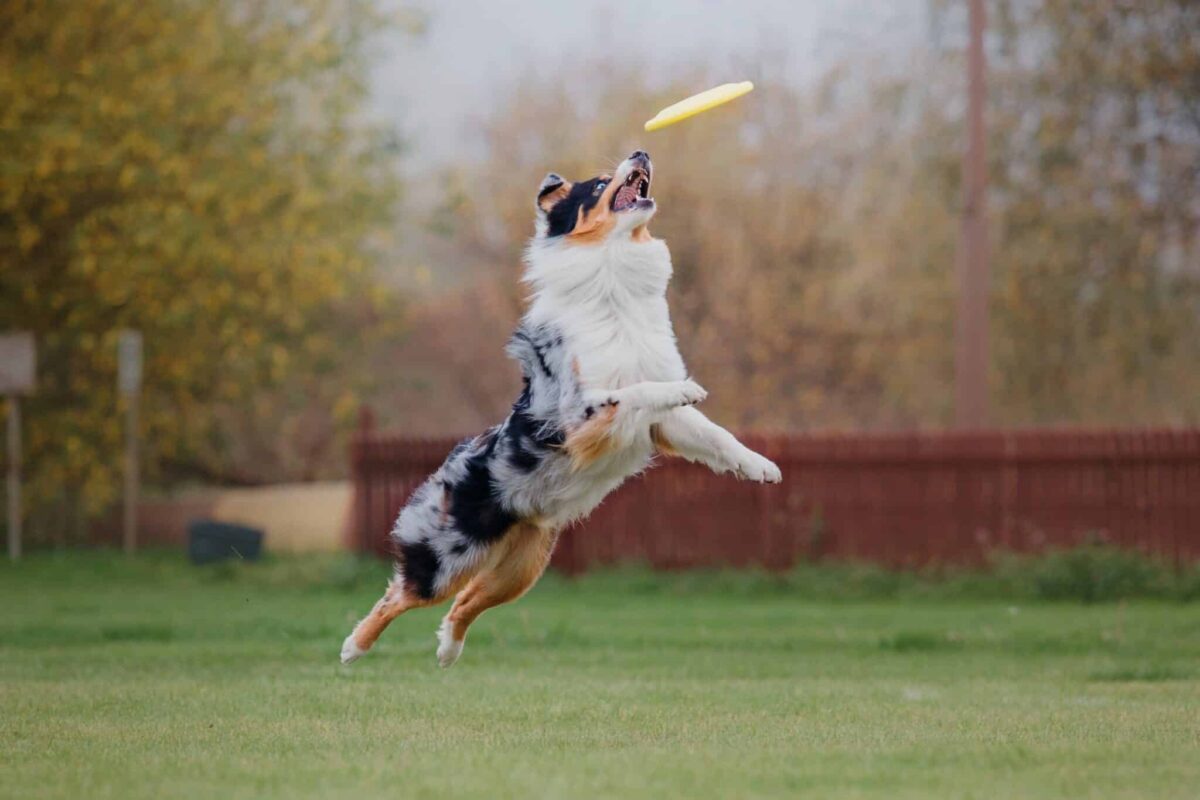
Dogs Can Jump Up to Six Times Their Height
 Shutterstock
Depending on the breed, many dogs can leap vertically up to six times their height. This isn’t just agility—it’s explosive muscle power and joint coordination. When a dog launches to catch a frisbee or hop over a fence, their strength is on full display. It’s like having a trampoline stored in their hind legs.
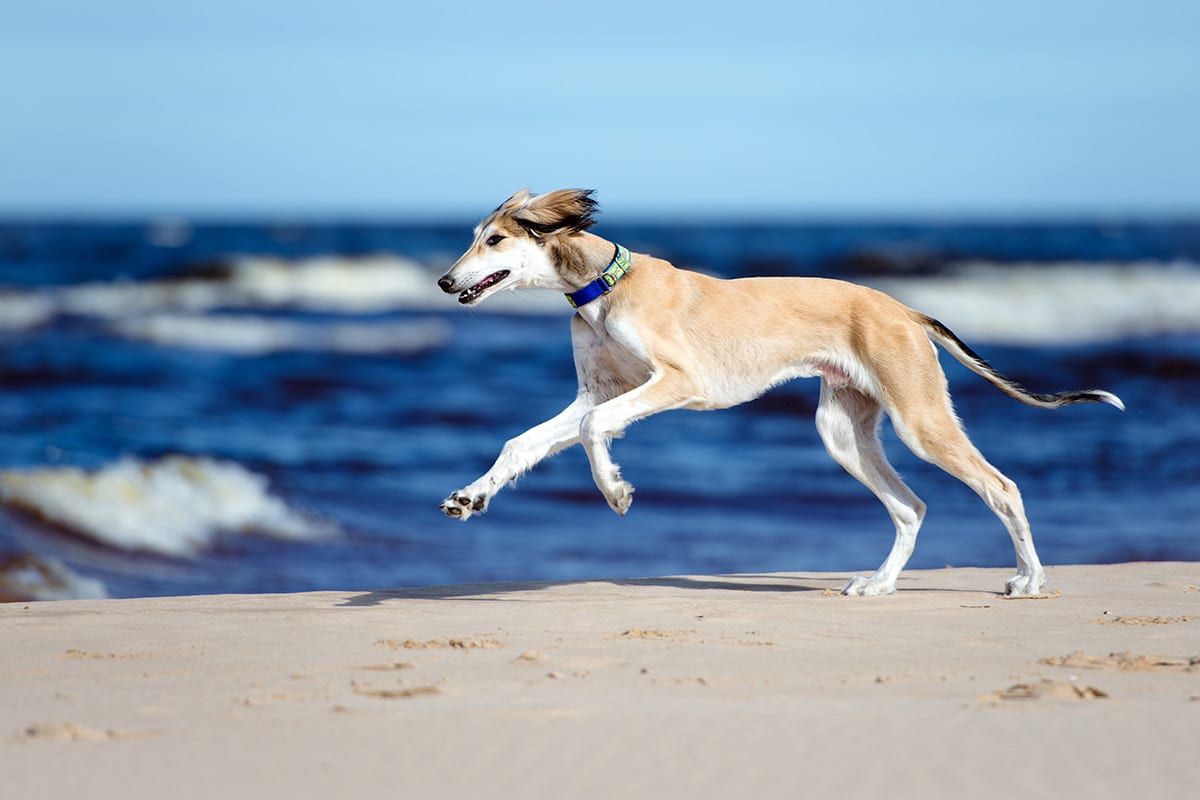
Dogs Can Sprint Over 40 Miles Per Hour
 Shutterstock
Certain breeds, like sighthounds, are capable of sprinting faster than most animals their size. With long, lean limbs, a flexible spine, and powerful thigh muscles, their bodies are built for bursts of intense speed. These short sprints mimic their historical role in hunting or racing. You might not see it during nap time, but when the zoomies strike, it’s an athletic spectacle.
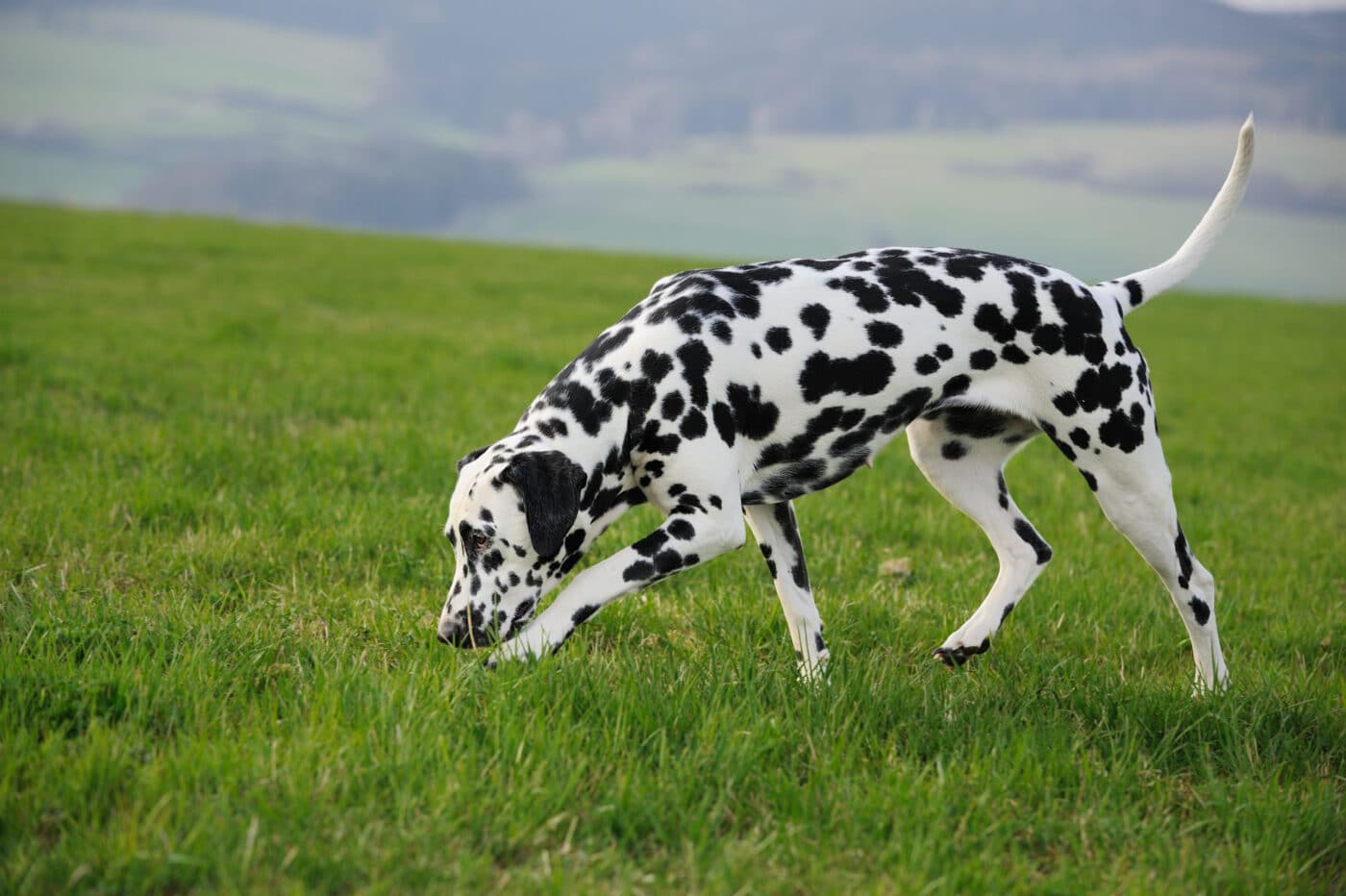
Dogs Can Rotate Their Noses
 Shutterstock
Dogs can move their nostrils independently, creating a scent “stereo” effect that helps them determine the origin of a smell. This gives them incredible control over scent direction and flow, letting them follow a trail even if it’s hours old. It’s like using binoculars, but for smells. A dog’s nose is essentially a multifaceted tool of the sensory world.
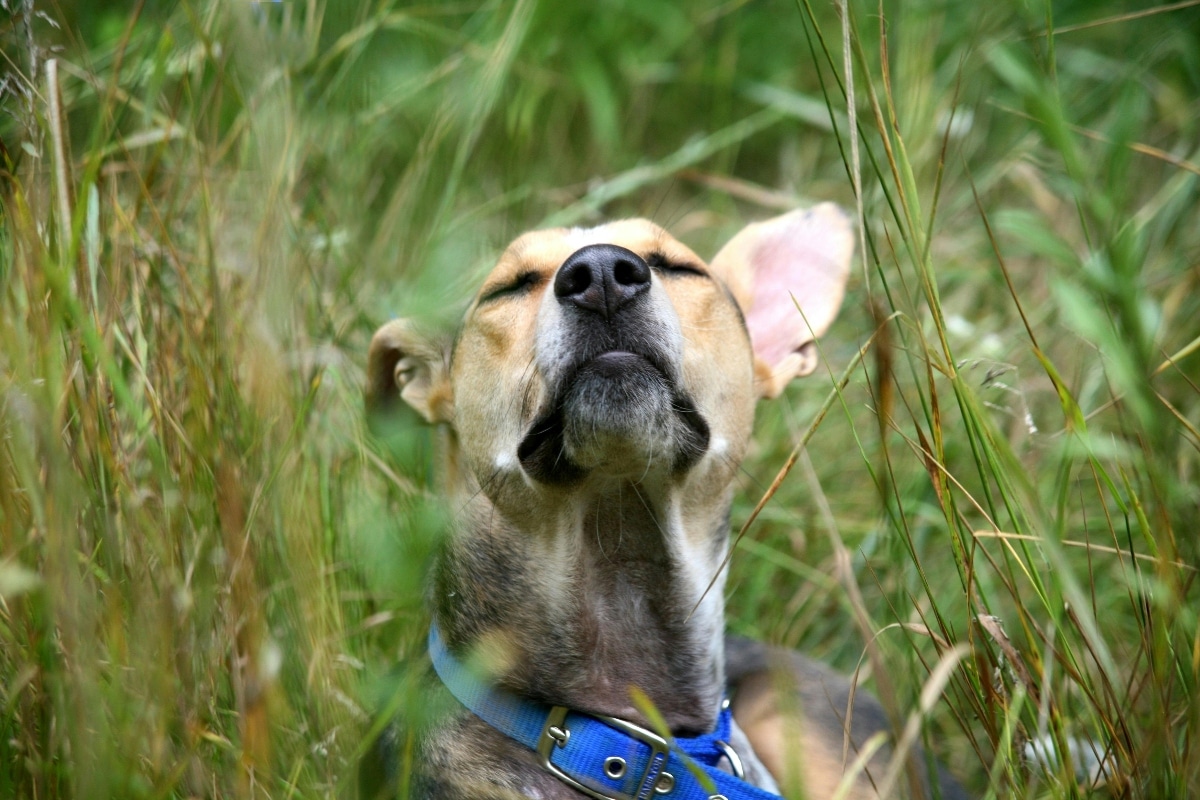
Dogs Can Tell Time with Their Nose
 Shutterstock
Dogs can detect how long you’ve been gone by how the concentration of your scent fades in a space. As your scent dissipates, they can estimate the time based on strength and presence. That’s why they often wait near the door just before you get home—your fading scent tells them you’re due soon. It’s timekeeping by nose, not by clock.
Dogs Use Their Whiskers Like Motion Sensors
 Shutterstock
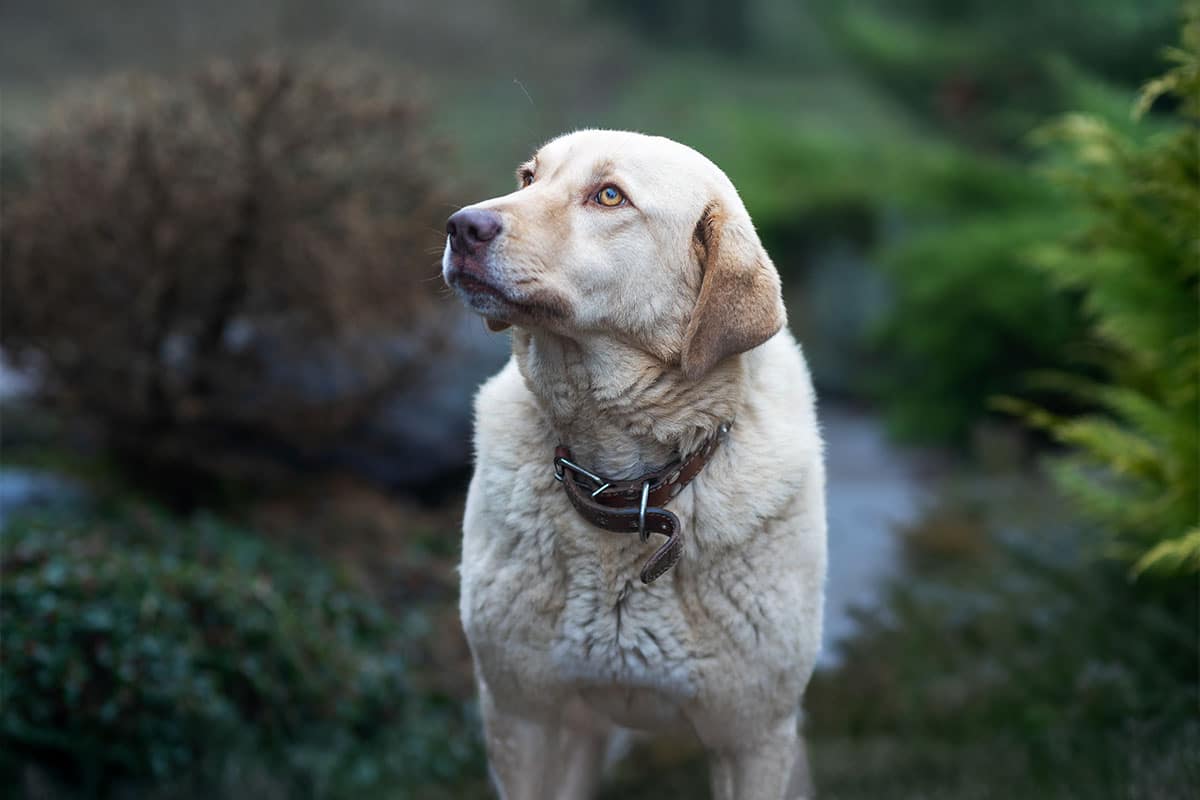
A dog’s whiskers are highly sensitive to touch, vibrations, and airflow. They use them to navigate tight spaces, detect nearby objects, and gauge surroundings in the dark. Whiskers are deeply rooted in the skin and connected to nerve endings, making them powerful tactile tools. These furry feelers help them “see” what’s just beyond eyesight.
Dogs Can Regulate Movement Faster Than You Think
 Shutterstock
Dogs can shift from standing still to sprinting at full speed in seconds because of their fast-twitch muscle fibers. Their muscles are designed for quick, powerful movements, which is why they respond so fast to sudden sounds or movements. It’s not just instinct, it’s efficient biological design. Their bodies are made for motion, and they use it beautifully.
The Tail-Chasing Truth About Their Superpowers
 Shutterstock
Dogs may look like they’re built for naps and belly rubs, but beneath the fluff is a body made for brilliance. Every sniff, leap, twitch, and stretch is powered by evolution, instinct, and silent strength. They track scents for miles, leap like acrobats, and sense things we’ll never see. What makes it beautiful is how they use these gifts for love, safety, and joy. Even as they nap, tail wagging softly, they remind us that true strength comes with fur, trust, and quiet loyalty.
 Toledo, United States.