
 Shutterstock
Dogs are often called “man’s best friend,” and it’s no surprise why. Beyond being loyal companions, they are incredibly intuitive when it comes to our emotions. Dogs have a unique ability to perceive our feelings, whether it’s through body language, tone of voice, or subtle cues that we might not even realize we’re giving off. Their capacity to read and respond to our moods makes them not just pets but true emotional partners in life, capable of offering comfort, companionship, and support in significant ways.
Reading Body Language
 Shutterstock
One of the primary ways dogs understand human emotions is through body language. They are incredibly skilled at observing posture, movement, and facial expressions. For instance, a stiff, tense posture might signal that we’re feeling stressed or anxious, and a dog may respond by staying close or offering a reassuring presence. Similarly, relaxed body language, such as sitting calmly or lying down with open arms, signals contentment, and dogs may mirror these behaviors. Dogs are highly attuned to these cues and often adjust their actions to provide comfort or join in the emotional atmosphere.
Tone of Voice
 Shutterstock
Dogs are expert listeners and can quickly discern how we feel based on the tone of our voice. A high-pitched, friendly tone is often associated with happiness or excitement, and dogs are known to perk up or become more enthusiastic in response to it. On the other hand, a low or sharp tone of voice can indicate anger or frustration, causing a dog to become cautious, withdrawn, or even anxious. Dogs may instinctively mirror their owner’s tone, becoming more active when we’re happy or more subdued when we’re upset.
Eye Contact
 Shutterstock
Just like humans, dogs pay close attention to eye contact to gauge our emotions. A soft, relaxed gaze often signals calmness and affection, and dogs will reciprocate by snuggling closer or offering soft affection. However, if we avoid eye contact or stare too intensely, dogs can sense discomfort or tension, which can lead them to become wary or anxious. Eye contact is a powerful tool in the dog-human emotional connection, with dogs interpreting it as an expression of trust or a sign of potential stress.
Facial Expressions
 Shutterstock
Dogs are highly attuned to our facial expressions and can discern emotions such as happiness, sadness, or anger by simply observing our faces. Raised eyebrows and a smiling face often prompt a dog to approach us for affection, as it senses that we are in a positive mood. In contrast, a furrowed brow, tight lips, or a frown may make a dog cautious, as they interpret these facial expressions as signs of distress or negativity. Their ability to mirror our emotions based on facial cues makes them incredibly empathetic companions.
Scent Recognition
 Shutterstock
A dog’s sense of smell is far more advanced than ours, allowing them to detect subtle changes in our body chemistry. When we’re stressed or anxious, our body releases different pheromones that dogs can detect, alerting them to our emotional state. For example, a dog might become more clingy or protective when it senses that we’re feeling nervous or upset. On the other hand, a calm and happy scent can lead a dog to be more relaxed and playful.
The Sound of Our Breathing
 Shutterstock
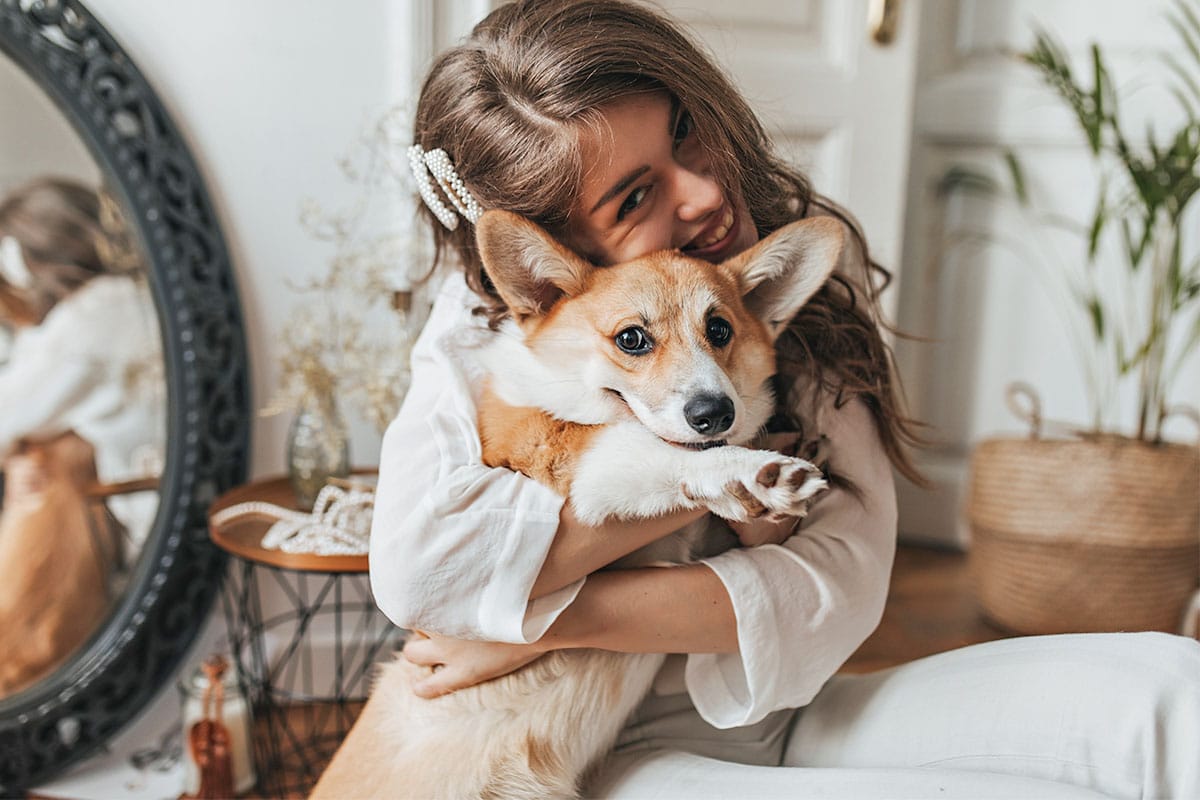
Dogs can also interpret changes in our breathing patterns as indicators of our emotions. If we’re anxious, our breathing may become shallow or erratic, and dogs often pick up on these subtle changes. They may approach us and stay close, offering support when they sense we are feeling uneasy. Likewise, slow, steady breathing may signal relaxation or contentment, prompting dogs to settle down next to us or fall asleep peacefully at our feet.
The Way We Walk
 Shutterstock
A dog can often tell our emotional state based on the way we walk. A fast, hurried gait may indicate stress or urgency, causing a dog to become alert or anxious. A slow, calm walk, on the other hand, signals relaxation and contentment, making it easier for dogs to remain calm and by our side. Some dogs may even mirror our movements, matching our pace or posture, which further reflects their deep emotional connection to us.
Familiarity and Routine
 Shutterstock
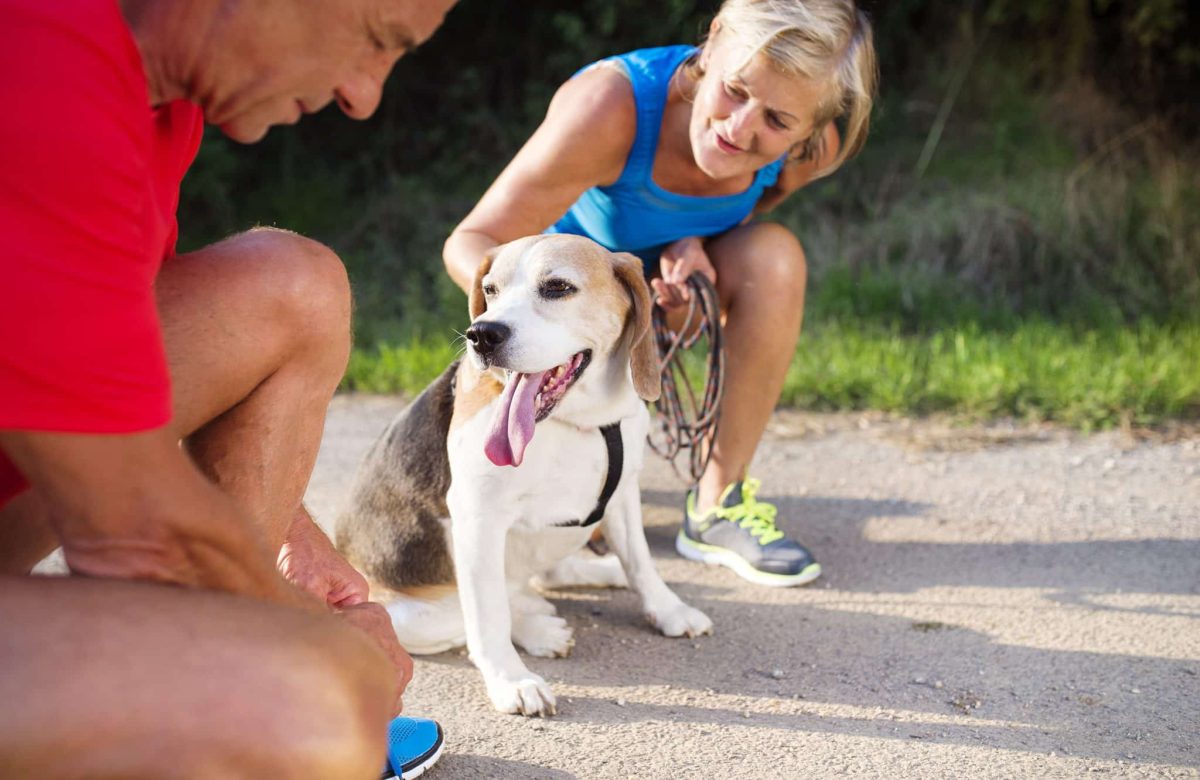
Dogs thrive on routine and are highly perceptive to changes in their environment, especially when it comes to their human companions. If our behavior shifts or we deviate from our everyday routines, dogs may sense that something is wrong. For example, if we skip our regular morning walk or seem distracted during playtime, dogs might pick up on our altered energy and respond accordingly. This heightened awareness of our habits allows dogs to anticipate when we need emotional support or when something may be bothering us.
How We Interact With Others
 Shutterstock
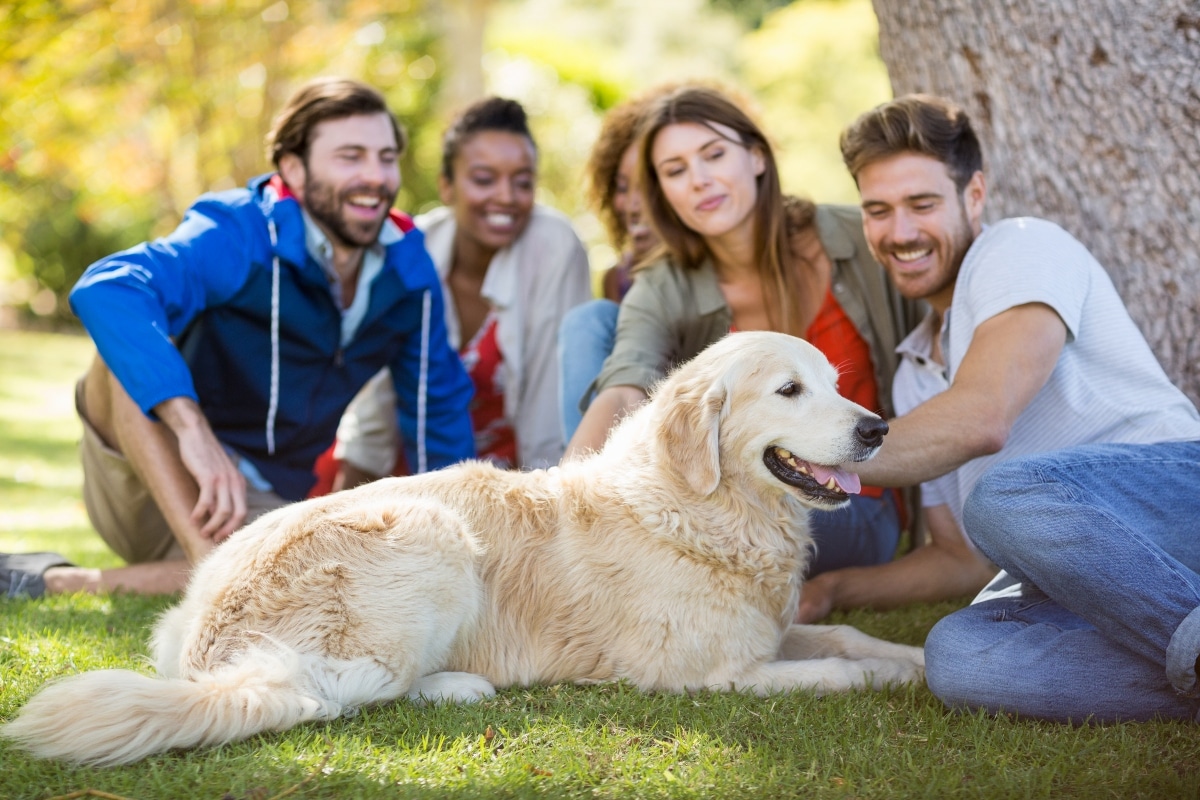
Dogs are social creatures who also gauge how we interact with others to assess our emotional state. If we are in a tense or conflict-ridden situation, our dogs may sense the discomfort and become protective or uneasy. On the other hand, when we interact with others in a friendly, positive manner, our dogs often pick up on the warmth and engage happily. Their ability to understand the dynamics of our relationships adds another layer to their emotional sensitivity.
Cuddling and Physical Touch
 Shutterstock
Many dogs instinctively recognize when their owners need comfort and respond by offering physical affection. Whether it’s curling up next to us on the couch or gently resting their head on our lap, dogs often provide a form of snuggling to help us feel better. This physical contact is their way of expressing love and empathy, as they have a unique ability to sense when we need affection or reassurance. Cuddling and touch are crucial ways in which dogs understand and respond to our emotional needs.
Sensitivity to Our Sadness
 Shutterstock
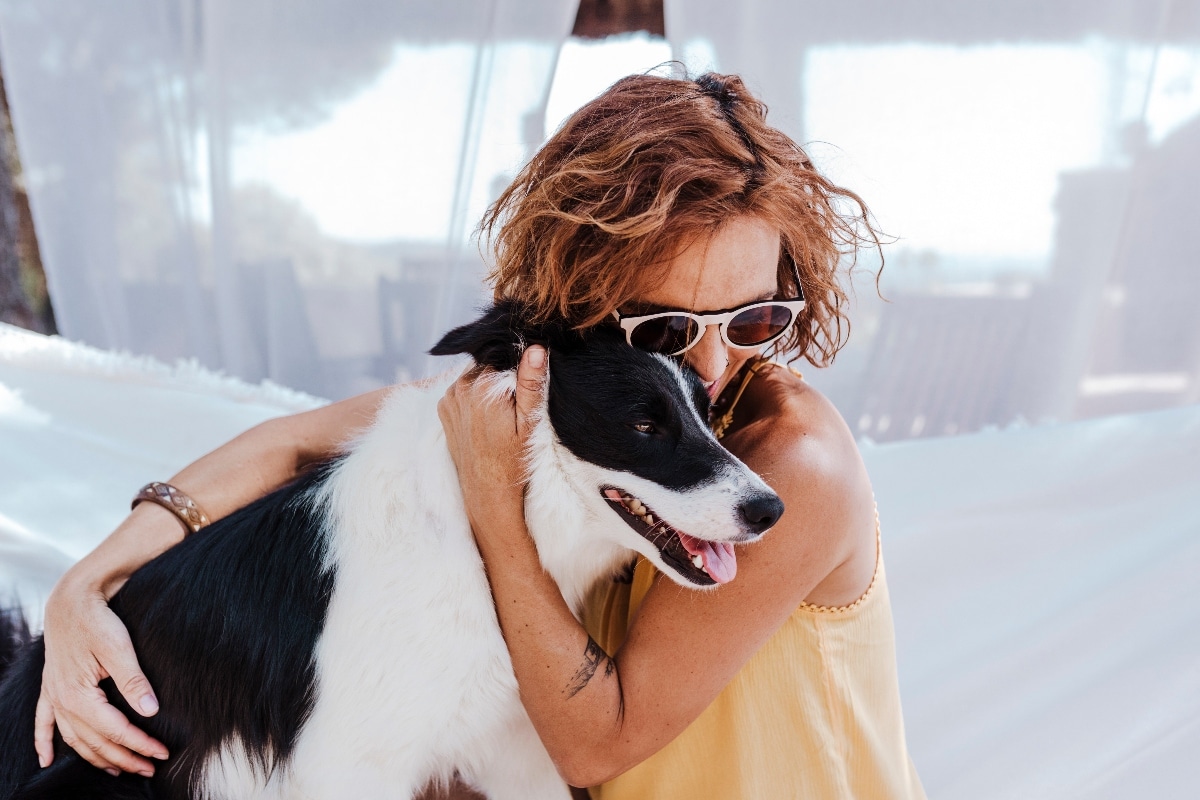
Dogs are known to be incredibly attuned to our sadness, often acting more subdued and attentive when we’re feeling down. If we’re crying, a dog might nudge us with their nose, curl up next to us, or even lick our face to offer comfort. Their sensitivity to our emotions allows them to act as emotional anchors, offering love and support when we need it most. Dogs have an uncanny ability to recognize when we are grieving or upset, and their natural empathy often leads them to provide the support we need to heal.
Anxiety Awareness
 Shutterstock
Dogs are particularly adept at sensing anxiety in their owners. When we feel nervous or uneasy, they often pick up on our body language, scent, and breathing patterns. In response, many dogs become more protective or affectionate, attempting to comfort us through gentle nudges or by staying close to us. Some dogs may even respond to our anxiety by pacing or becoming more agitated, reflecting their sensitivity to the emotional atmosphere around them.
Happiness and Joy Recognition
 Shutterstock
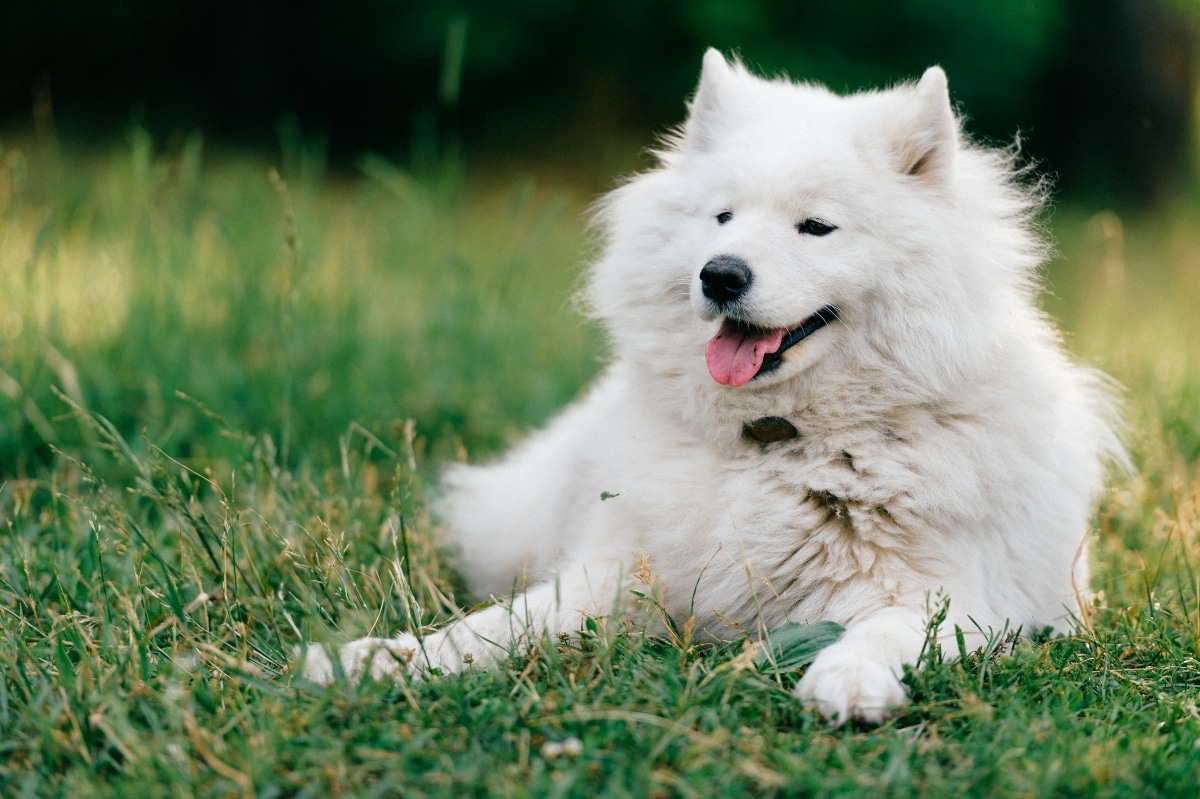
Dogs can sense when we are happy, and they often mirror our joy by wagging their tails, jumping up, or displaying playful behavior. When we express excitement or contentment, dogs are quick to respond with their own excitement, turning our positive emotions into a shared experience. Their ability to sync with our happiness creates a strong bond between humans and dogs, ensuring that joy is a shared emotion in the household.
The Power of Silence
 Shutterstock
Interestingly, dogs also understand when we are upset, but they tend to prefer silence rather than vocalizing their feelings. When we are brooding or quietly processing an emotional issue, dogs often respond by sitting calmly near us, respecting our need for space while still offering their support. Their ability to sense the power of silence and adjust their behavior accordingly shows how in tune dogs are with the subtleties of our emotions.
Sensitivity to Our Energy
 Shutterstock
Dogs are highly sensitive to the energy in a room, often reflecting our own emotional state. If we are calm and content, they tend to relax, settling beside us or resting their head on our lap. On the other hand, if we’re anxious or excited, they may match our energy, becoming more restless or playful. This unique ability to mirror our energy allows dogs to adjust their behavior and offer comfort or companionship as needed.
The Woof Behind Our Emotions
 Shutterstock
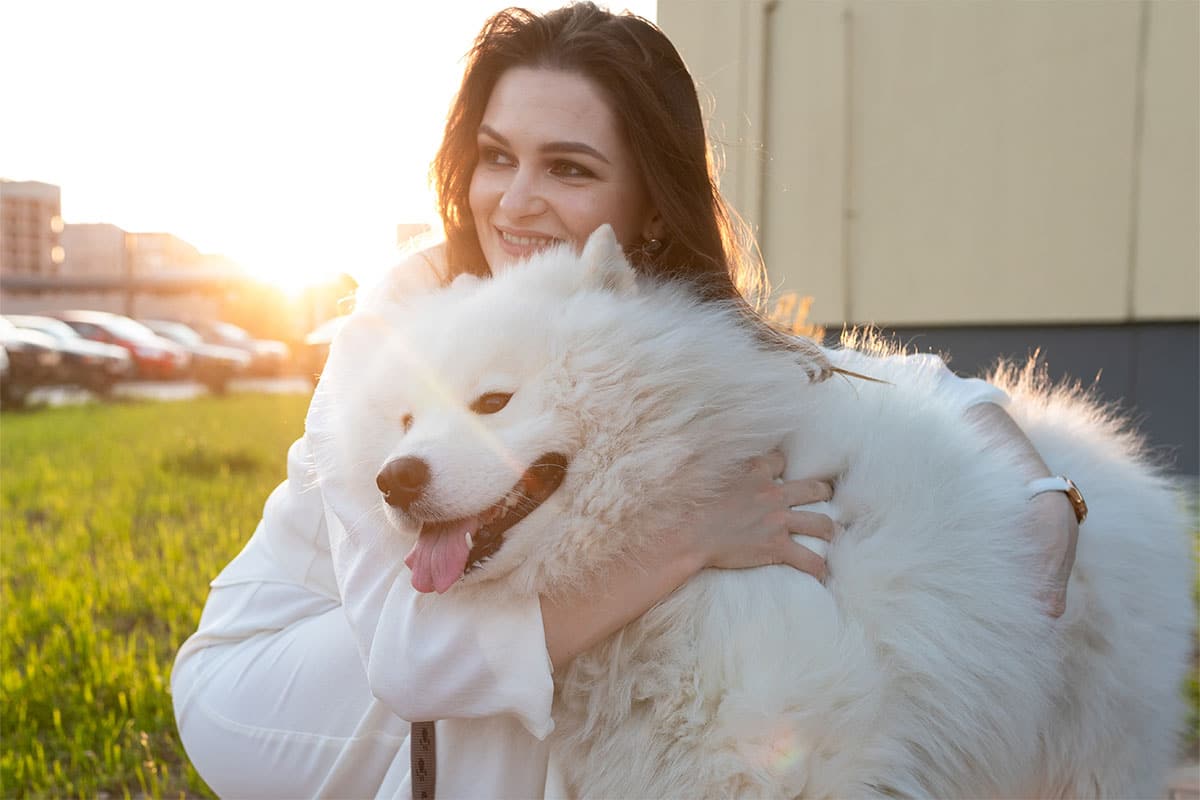
Dogs may not speak our language, but their ability to understand and respond to our emotions is genuinely remarkable. They cuddle during challenging moments and sense our stress from a distance, proving their hearts are in tune with ours. Their silent empathy and unconditional love help us navigate life’s ups and downs, making them more than pets; they’re emotional partners who lift us without asking for anything in return. Sharing your life with a dog means you’re never truly alone, no matter the emotional rollercoaster.
 Toledo, United States.