
If you’ve ever seen viral memes of dogs trembling in cars or refusing to enter a veterinary office, you’ve probably laughed and then immediately felt a little guilty. While those moments can seem funny online, the reality is far more serious. Regular veterinary visits are one of the most important parts of keeping your dog healthy, comfortable, and living a long life. When a dog fears the vet, everyone involved—pet, owner, and veterinarian—faces unnecessary stress.
The good news? A dog’s fear of the vet is not inevitable. With the right approach, teamwork, and preparation, many dogs can learn to tolerate, or even feel comfortable with, veterinary visits.
Why Do Dogs Hate Going to the Vet?
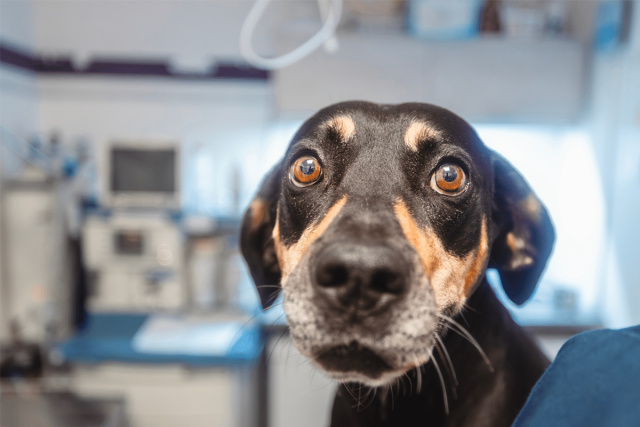
Dogs’ fear is usually rooted in past experiences, unfamiliar environments, or anticipation of discomfort. Common triggers include:
-
Strange smells, sounds, and slippery floors
-
Being restrained or handled by unfamiliar people
-
Previous painful or frightening procedures
-
Anxiety associated with car rides
-
Sensing their owner’s stress
Dogs are experts at pattern recognition. If a vet visit has been scary once, your dog may associate the clinic, the car ride, or even the leash with danger—even before anything happens.
Why Regular Vet Visits Matter (Even for Nervous Dogs)
Avoiding the vet due to fear can put your dog’s health at risk. Preventive care—including wellness exams, vaccines, dental checks, and early disease detection—is essential for a dog’s long-term well-being. The goal isn’t to “tough it out,” but to make veterinary care as low-stress and pain-free as possible.
When fear is managed proactively, dogs are more likely to receive consistent care, and veterinarians can perform better, safer exams.
Choose a Veterinarian Who Prioritizes Fear Reduction
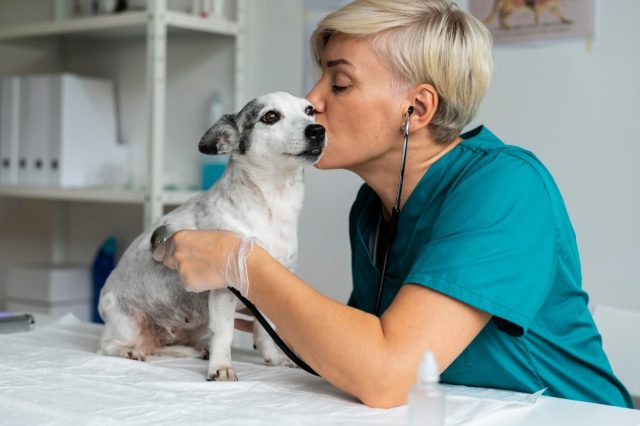
Not all veterinary practices are the same. A fear-aware or Fear Free℠–certified veterinarian is trained to reduce stress, anxiety, and fear during visits. This may include:
-
Allowing dogs to move at their own pace
-
Using treats and positive reinforcement during exams
-
Avoiding forceful restraint whenever possible
-
Offering sedation or anti-anxiety medication when appropriate
No dog should be forced through a traumatic experience if there are safer, kinder alternatives. Simple changes—like bringing fecal samples from home instead of collecting them at the clinic—can significantly reduce stress.
Use Food Strategically to Create Positive Associations
One of the simplest ways to help a dog tolerate a vet visit is by using high-value treats. Bringing your dog to the appointment slightly hungry can make food a powerful distraction and reward.
Soft, smelly treats such as cheese, chicken, or meat-based pastes can help many dogs remain calm during exams, injections, and routine handling. In some cases, dogs barely notice what’s happening when food motivation is high enough.
Don’t Be Afraid of Sedation or Pre-Medication
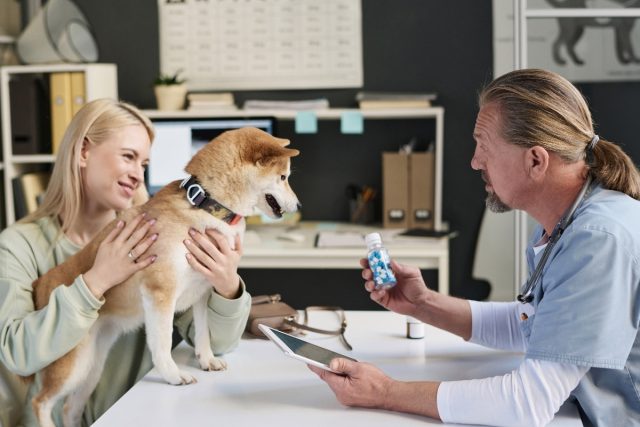
This is one of the most misunderstood aspects of veterinary care. Fear and pain are processed in a different part of the brain than normal memory, and once a dog experiences extreme fear, that memory can become permanent.
Using sedation or anti-anxiety medication is not a failure—it’s a humane, proactive tool. If your dog hates nail trims, injections, or physical exams, talk to your vet in advance. Pre-medication can prevent fear from escalating and protect your dog’s emotional well-being long-term.
Reduce Stress Before You Even Leave the House
For many dogs, anxiety starts well before they arrive at the clinic. If your dog dislikes car rides, gets motion sickness, or becomes anxious during travel, that stress compounds before the vet visit even begins.
Options to help include:
-
Anti-nausea or anti-anxiety medications
-
Calming supplements or pheromone sprays
-
Short, positive car rides that don’t end at the vet
Addressing travel anxiety can dramatically improve your dog’s experience at the clinic.
Why Force Makes Fear Worse
Being held down or dragged into an exam room is terrifying for dogs. While restraint is sometimes necessary for safety, force should never be the default approach. Repeated traumatic experiences increase fear, aggression, and avoidance behaviors over time.
If your dog pants, shakes, refuses to enter the clinic, or becomes frantic as soon as you arrive, it’s time to reassess the approach. Fear should never be ignored or minimized.
How You and Your Vet Can Work Together
You are your dog’s advocate. Open communication with your veterinarian is essential. Share your dog’s triggers, past experiences, and warning signs of stress. Together, you can create a plan that may include:
-
Happy visits with no exams
-
Gradual desensitization
-
Medication protocols
-
Alternative handling techniques
The goal is simple: ensure your dog gets the care they need without experiencing fear that feels life-threatening to them.
A Better Vet Experience Is Possible
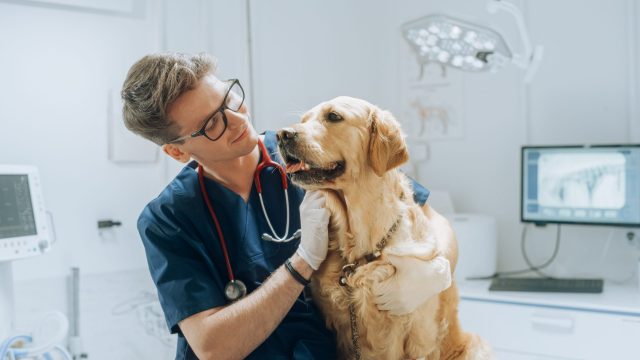
If your dog hates the vet, it doesn’t mean they’re “bad,” dramatic, or impossible to handle. It means they’re scared—and fear deserves compassion, not force. With the right veterinary partner, thoughtful preparation, and a willingness to use modern fear-reduction tools, veterinary visits can become calmer, safer, and far less traumatic.
Your dog may never love the vet, but with the right approach, they don’t have to fear it either.
 Toledo, United States.