
As black bears continue reclaiming parts of North Carolina where they once nearly vanished, as well as other areas of the country, wildlife officials are warning residents that encounters with the powerful animals are becoming far more common, especially for people walking their dogs. Bears are now traveling through suburban neighborhoods, wooded trails, and even residential driveways as they search for food and mates. While seeing a black bear can feel exciting or even awe-inspiring, experts say these encounters can quickly become dangerous when dogs are involved, making preparation and awareness more important than ever for pet owners.
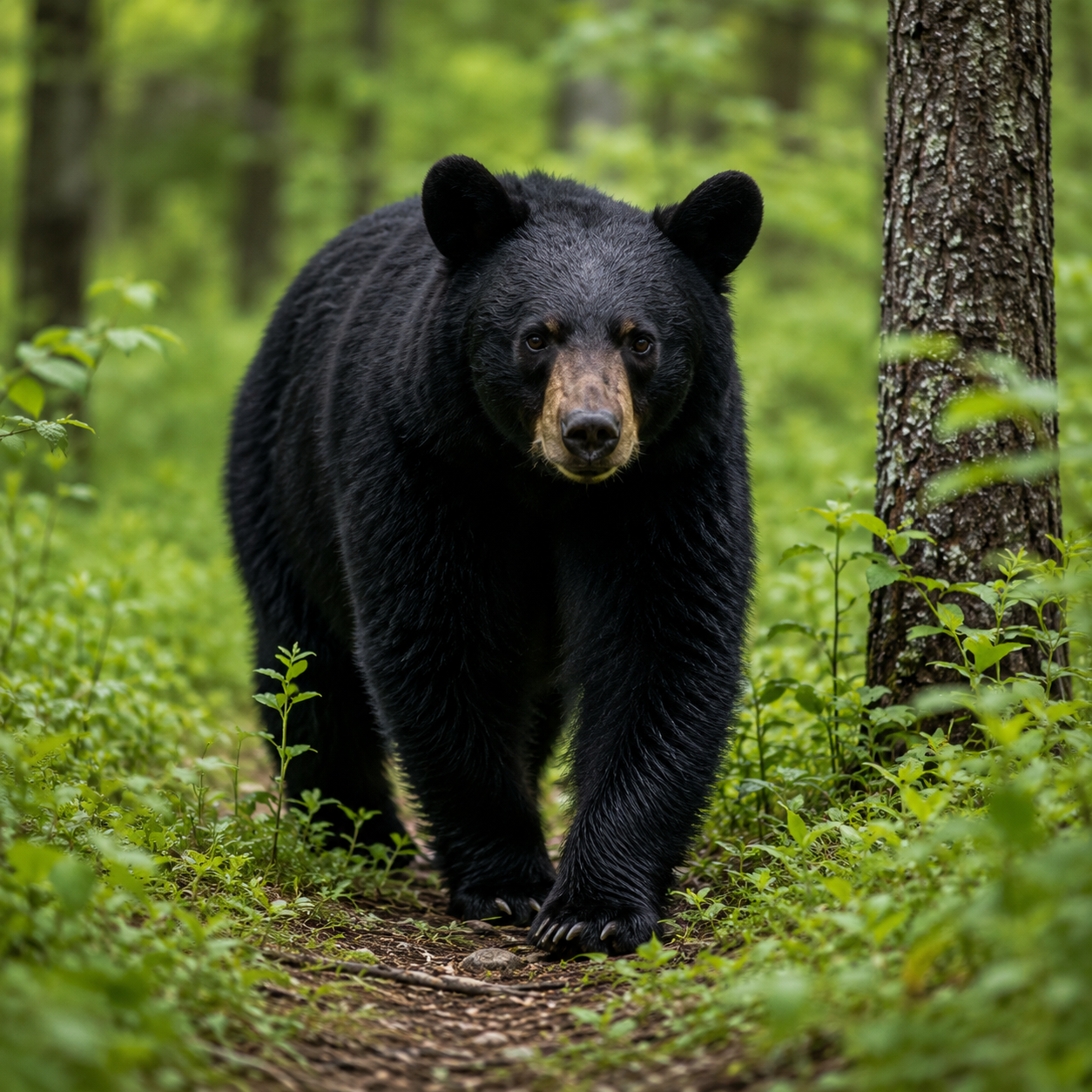
The North Carolina Wildlife Resources Commission warned residents that black bears are becoming more active across Central North Carolina. The animals are traveling farther in search of food and mates, increasing the chances of encounters with both people and pets.
For many residents, spotting a bear in the mountains may not seem surprising. But bears have also been seen wandering through suburban driveways and residential areas, including parts of Durham. Their growing presence is a sign that the species has made a remarkable recovery after decades of decline. But North Carolina isn’t the only state where black bears roam near people. In addition, black bears also roam across much of North America and can be found in at least 40 U.S. states, especially in forested and mountainous regions like California, Colorado, Tennessee, Pennsylvania, and parts of Florida.
Wildlife officials are encouraging residents to follow guidance from Bearwise, a nationwide program created by bear biologists to help communities safely coexist with black bears.
One of the biggest concerns involves dogs.
Dogs and Bear Encounters
According to Bearwise, dogs were involved in more than half of reported incidents between people and bears from 2010 to 2015. In nearly half of those cases, the dogs were injured or killed. More than 60% of the humans involved were also hurt.
Black bear biologist Jenna Malzahn explained that encounters between bears and dogs are unpredictable because every situation is different. A dog’s size, temperament, and behavior can all influence how a bear reacts.
“There’s a lot of variables that go into it, but generally, dogs and bears just don’t get along,” Malzahn said. “You kind of need to be aware of that when you’re moving about with your dog.”
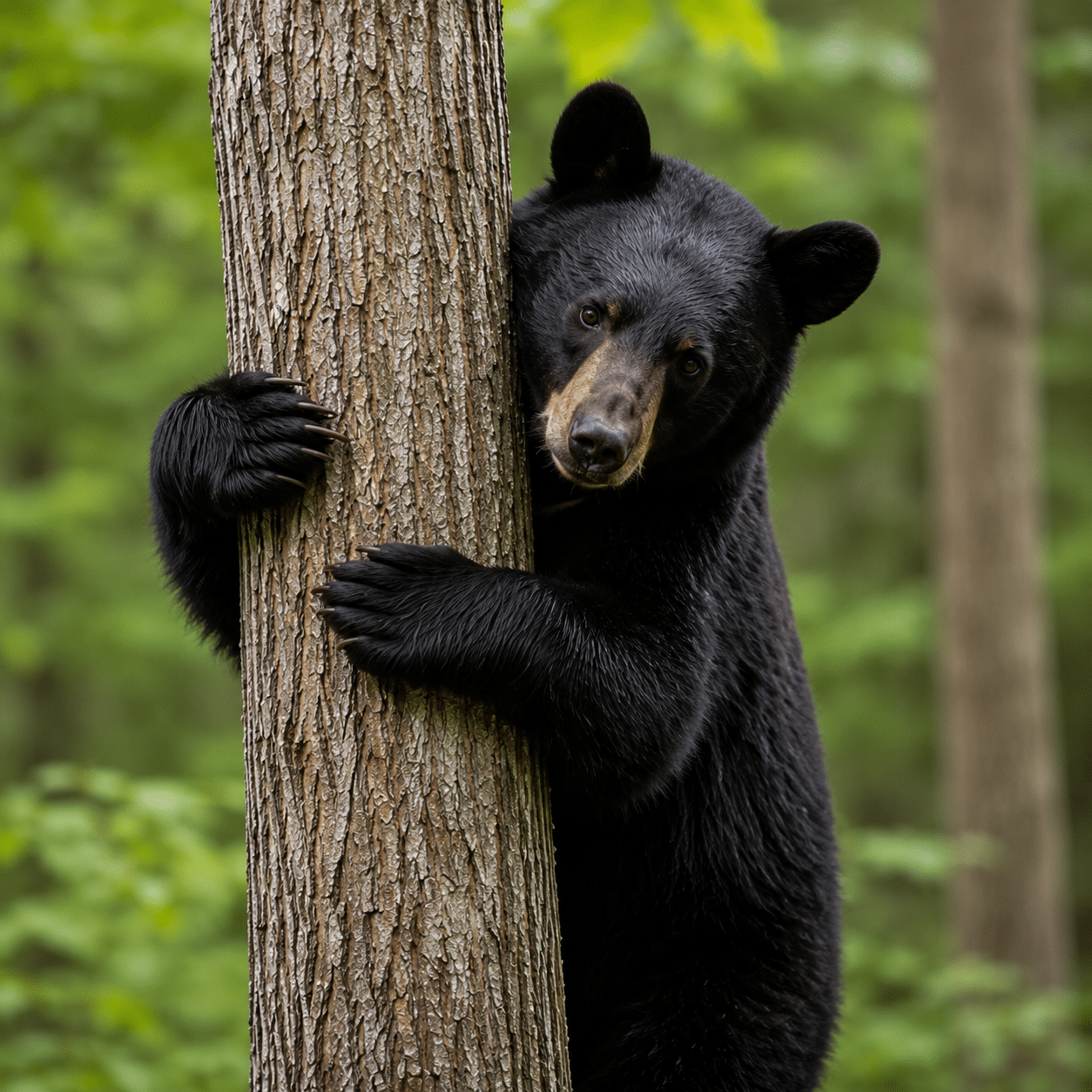
Wildlife experts say keeping dogs on a leash can make a life-saving difference.
A loose dog may bark at or chase a bear, causing the frightened animal to react defensively. While black bears usually prefer to avoid conflict, they may become aggressive if they feel cornered or believe their cubs or food source are threatened.
“Bears and dogs do not get along whatsoever, and so leashes can really save lives,” Malzahn said.
The emotional reality of these encounters can be heartbreaking for pet owners. In a moment of panic, many instinctively want to protect their dog, even if it means rushing toward danger. But experts warn that getting too close to a bear can quickly turn a frightening situation into a tragic one.
If a bear attacks a dog, officials recommend using bear spray instead of physically intervening.
“I know that that’s a hard thing to think about, but you don’t want to put yourself in close proximity with the bear, and then have yourself get injured,” Malzahn explained.
Residents living in areas with active bear populations are also encouraged to avoid walking dogs at dawn or dusk, when bears are often more active. Carrying bear spray and remaining alert during walks can help reduce the risk of a dangerous encounter.
Even with the growing concerns, wildlife officials say the return of black bears represents an inspiring conservation victory.
Decades ago, black bears had nearly disappeared from large parts of North Carolina after being intentionally eliminated from many areas. By the 1970s, only around 1,000 bears remained, mostly in isolated coastal forests and mountain regions.
Today, the population has rebounded dramatically.
“Back in the 1970s, we were down into like 1,000 black bears,” Malzahn said. “To be able to get back up to the population we have now is amazing.”
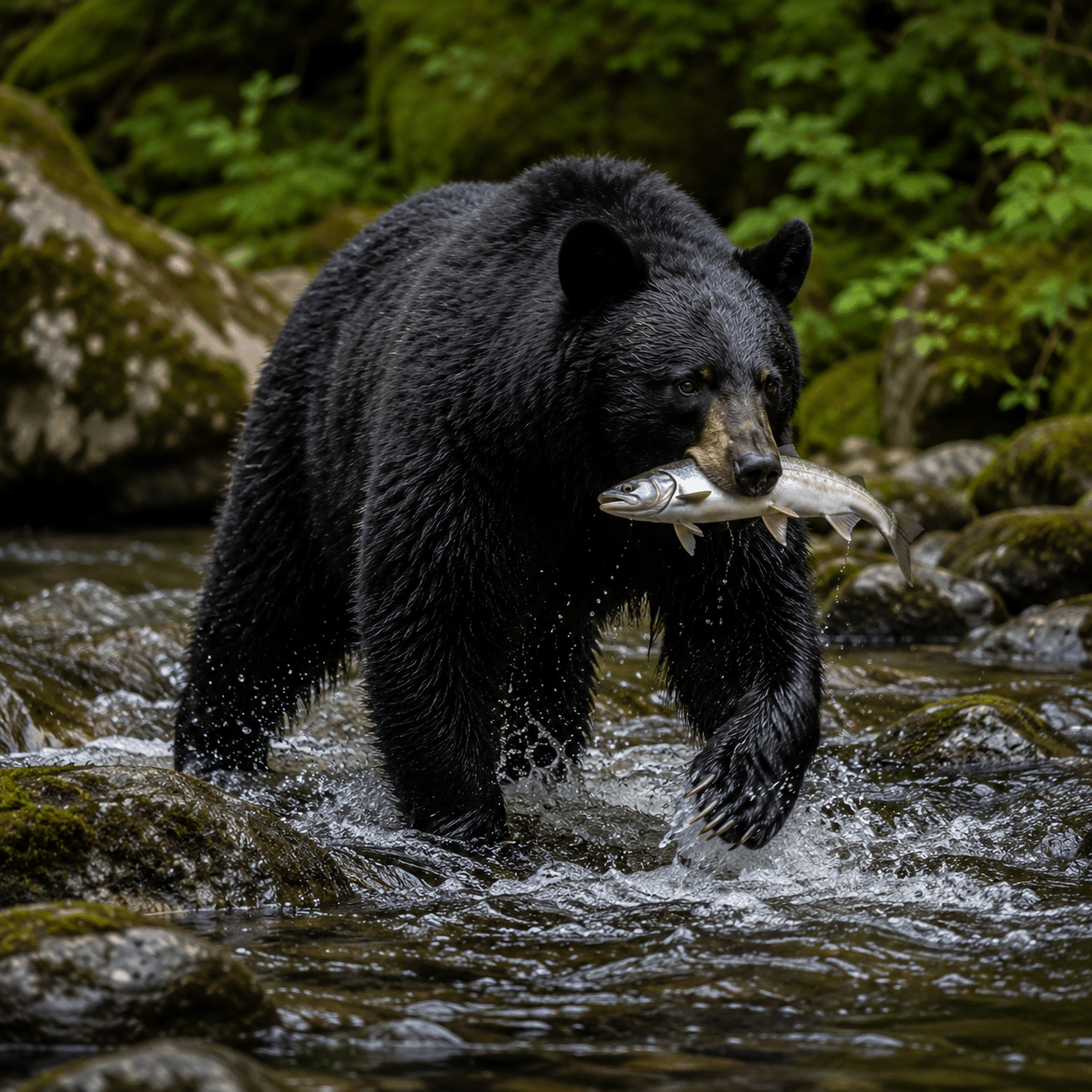
Now, bears are thriving across the mountains and coastal regions, with breeding populations gradually expanding into the Piedmont as well. Wildlife officials say bears can potentially travel through any county in the state, even if they are not permanently living there.
The growing bear population is a powerful reminder of nature’s resilience. At the same time, experts hope residents will learn how to safely share space with these powerful animals while protecting the pets they love most.
 Toledo, United States.