
For many people, ants are little more than insects crawling across sidewalks or gathering crumbs in kitchens. Yet across the world, a surprising new hobby is turning these tiny creatures into highly sought-after pets. Enthusiasts are building elaborate colonies inside glass habitats, fascinated by the ants’ remarkable teamwork, farming abilities, and complex social structures. But as demand for rare species continues to rise, scientists warn that the growing underground ant trade is creating serious environmental risks, disrupting fragile ecosystems, and allowing invasive species to spread far beyond their natural habitats.
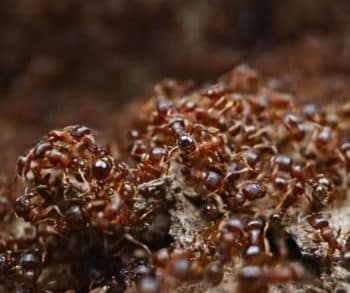
Pet ants have gained popularity because of their surprisingly complex behaviors. Watching a colony work together can feel almost mesmerizing. Ants farm fungi, build intricate tunnel systems, defend their colonies, and even wage organized battles against rival groups. Their highly social nature fascinates enthusiasts who enjoy observing miniature worlds unfold inside glass enclosures.
Unlike cats or dogs, ants require little space or daily attention. They do not need walks, grooming, or expensive care. For many hobbyists, they offer a low-maintenance way to connect with nature while still experiencing the rewards of pet ownership.
But behind the fascination lies a growing environmental problem.
Researchers say the global ant trade has quietly become highly profitable. One study found that just five ant species sold through a single online marketplace generated roughly $2.5 million every year. Much of this trade happens with little oversight, making it easy for sellers to ship ants across continents without proper monitoring or regulation.
Their tiny size makes the insects especially difficult to track. Ants can be transported in small containers and often go unnoticed during inspections, even slipping past airport X-ray systems. This has allowed species to travel far beyond the ecosystems where they naturally belong.
A Tiny Insect With a Massive Environmental Impact
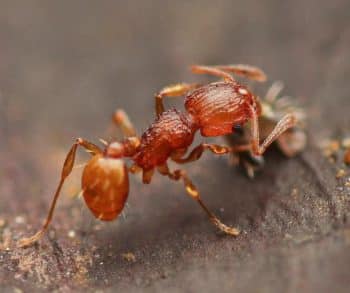
Scientists warn that removing ants from their native habitats can damage entire ecosystems. In places like the African savannah, ants play a critical role in maintaining healthy environments. They help disperse seeds, aerate soil, and support delicate ecological balances that many other species rely on.
When these insects are taken from the wild in large numbers, the effects can ripple through the environment. Areas that once depended on thriving ant colonies may slowly lose important natural processes that keep the ecosystem stable.
The danger grows even greater when non-native ants are introduced into new environments.
Invasive ant species have already caused devastating consequences in several parts of the world. In Australia, invasive ants have contributed to the deaths of native red crabs. In Hawaii, non-native ants have damaged fragile ecosystems and threatened local wildlife. Once invasive colonies establish themselves, they can spread rapidly and become incredibly difficult to control.
Experts fear the expanding pet ant market could increase the risk of similar environmental disasters in other regions.
Scientists and conservationists are now calling for stricter international regulations to help control the trade. They hope stronger monitoring systems and better enforcement can reduce the illegal movement of ants across borders before more damage is done.
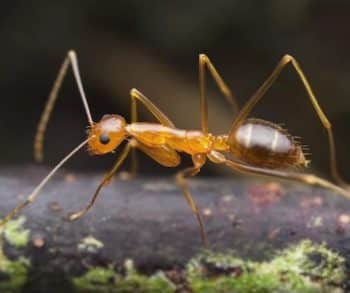
At the same time, responsible ant enthusiasts are being encouraged to rethink how they build their colonies. Rather than purchasing exotic species online, experts recommend collecting and raising ants native to local areas. This approach allows hobbyists to enjoy the fascinating world of ant keeping while helping protect vulnerable ecosystems from invasive species and overharvesting.
What may seem like a harmless hobby can carry enormous consequences for the natural world. As interest in pet ants continues to grow, scientists hope greater awareness will encourage people to appreciate these remarkable insects without putting entire ecosystems at risk.
 Toledo, United States.