
iHeartDogs is reader-supported. When you buy via links on our site, we may earn an affiliate commission at no extra cost to you.
Dogs bring a lot of wonderful things into a home. Unconditional love, constant companionship, enthusiastic greetings, and an impressive ability to make an ordinary Tuesday more entertaining all come with the territory. Unfortunately, sometimes a very specific smell comes with them, too.
You probably know the one. It’s not necessarily a dirty-house smell, and you may not even notice it until you’ve been away for a few hours and walk back through the door. It’s simply that unmistakable hint that says, “Yep, a dog lives here.”
That familiar dog smell can come from more places than the dog themselves. Fur and dander collect in carpets and upholstery, bedding holds onto body oils and moisture, dirty paws track outdoor grime inside, accidents can leave lingering odors, and damp conditions may contribute to a generally musty environment. Even the yard can contribute when you don’t manage pet waste regularly.
The solution isn’t necessarily to cover everything with stronger fragrances. A better approach is to figure out where the odors are coming from and tackle those sources individually. From air purifiers and carpet cleaners to dog shampoo, laundry detergent, and a surprisingly useful paw-cleaning gadget, these products can help make a dog-friendly home smell much fresher.
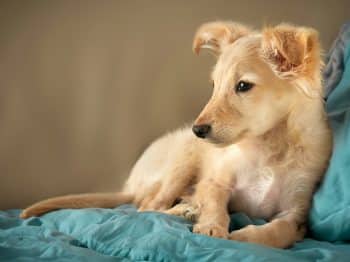
Why Does My House Smell Like Dog?
That “dog lives here” smell usually isn’t coming from one single source. Dogs naturally produce skin oils, shed hair and dander, drool, walk through dirt and moisture outdoors, sleep on soft surfaces, and occasionally have accidents. Over time, all of that can leave its mark on the places where they spend the most time.
Soft surfaces are especially good at holding onto odors. Dog beds, blankets, rugs, carpets, sofas, and even favorite throw pillows can gradually absorb oils, moisture, saliva, dirt, and other debris. Because those smells accumulate slowly, people living in the home can become accustomed to them.
Humidity can add another layer. A damp home can develop musty odors of its own, and wet dog beds, towels, rugs, and other fabrics may take longer to dry. That’s one reason controlling moisture can be part of a whole-home freshness strategy even though a dehumidifier isn’t actually removing “dog odor.”
The best approach is therefore a combination of cleaning the dog, cleaning the things the dog touches, removing accumulated hair and debris, addressing accidents properly, and keeping the overall home environment clean and dry.
15 Products That Can Help Keep a Dog-Friendly Home Smelling Fresher
1. PuroAir 240 HEPA Air Purifier for Pet Homes
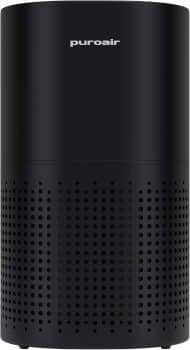
You can wash the dog and clean the floors, but there’s another part of a dog-friendly home that’s easy to overlook: the air.
The PuroAir 240 gives you a way to address airborne particles as part of your regular home-cleaning routine. An air purifier can be particularly appealing in homes where dogs shed heavily or where multiple pets contribute plenty of fur and dander to the indoor environment.
It’s important to keep expectations realistic. An air purifier doesn’t replace vacuuming, washing dog bedding, cleaning accidents, or grooming your dog, and particle filtration isn’t the same thing as eliminating the source of an odor. Instead, think of it as one layer in a larger strategy for keeping the air in a pet-filled home feeling cleaner.
Place an air purifier in a room where your dog spends significant time and keep up with the manufacturer’s filter maintenance and replacement schedule. A purifier with a neglected filter isn’t going to be nearly as helpful as one that’s maintained properly.

2. Rocco & Roxie Enzyme Stain & Odor Eliminator
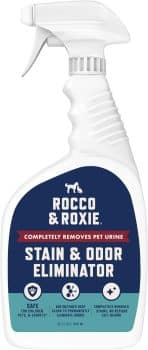
If the smell has a very specific origin and that origin happens to be an accident on the carpet, simply making the room smell prettier isn’t enough.
Rocco & Roxie Enzyme Stain & Odor Eliminator is designed for pet messes, making it useful for the urine, vomit, feces, and other biological accidents that occasionally happen when you share a home with a dog. Enzyme-based cleaners are intended to break down organic material associated with pet stains and odors rather than merely adding fragrance over the top.
This is especially useful for puppies, senior dogs, newly adopted dogs, or households dealing with occasional accidents. Even dogs with excellent housetraining can have an upset stomach or unexpected mishap.
As with any cleaning product, follow the directions and check surface compatibility before treating an entire area. If a particular spot repeatedly attracts your dog’s attention, thorough cleaning becomes even more important because lingering traces from previous accidents may remain noticeable to a canine nose even when you think the problem is gone.
3. BISSELL Little Green Multi-Purpose Portable Carpet Cleaner
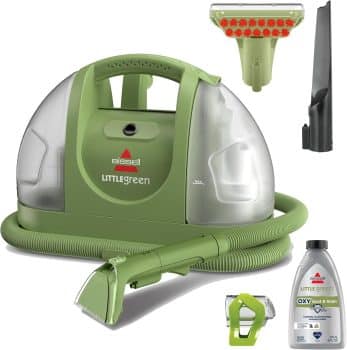
Sometimes a spray bottle isn’t enough. That’s when it’s time to bring out the machine.
The BISSELL Little Green is a portable carpet and upholstery cleaner that can tackle the soft surfaces where dog-related messes tend to happen. Instead of cleaning an entire room every time someone comes inside with muddy feet, you can target problem areas on compatible carpets, rugs, stairs, upholstery, and other surfaces.
This can be particularly useful if your dog has claimed one particular chair or section of the couch as their own. Those favorite sleeping spots can gradually accumulate dirt and odors even when they don’t look obviously dirty.
Always follow the manufacturer’s instructions for both the machine and the surface you’re cleaning, and allow damp fabrics to dry thoroughly afterward. Regular attention to the places your dog uses most can make a noticeable difference before odors have months to settle in.
4. Good Natured Brand Carpet Deodorizer & Pet Odor Eliminator Powder
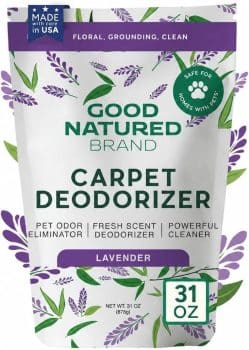
Carpet can be one of the biggest contributors to that “dog lives here” smell simply because there’s so much of it and your dog is constantly in contact with it.
Good Natured Brand Carpet Deodorizer & Pet Odor Eliminator Powder is intended to freshen carpeted areas before vacuuming. This makes it a different tool from an enzymatic cleaner used for a specific accident. Instead, it fits into routine maintenance for carpeted rooms where pet odors tend to linger.
A carpet deodorizer shouldn’t replace actual cleaning when there’s urine, vomit, moisture, or another identifiable source of odor. Those situations need to be cleaned appropriately rather than covered with a scented powder.
For everyday doggy funk, however, adding carpet care to the cleaning routine can help address an enormous surface that may otherwise be overlooked. Keep pets away while using cleaning products as directed, and make sure everything has been properly removed or dried before letting your dog back into the area.
5. Sunny & Honey Pet Stain and Odor Remover Spray for Carpets
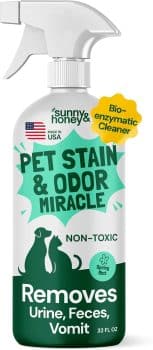
Every dog parent eventually learns that having an accident cleaner within reach is much better than discovering you need one at 2 a.m.
Sunny & Honey Pet Stain and Odor Remover Spray gives you another targeted option for pet messes on compatible carpeted surfaces. This is the type of product worth keeping somewhere easy to grab so that fresh accidents can be addressed promptly instead of becoming tomorrow’s mystery smell.
The key with any pet stain product is to treat the actual source. If urine has penetrated beneath the visible carpet surface, a quick spritz on top may not reach everything responsible for the lingering odor. Follow the product directions regarding application, contact time, blotting, rinsing, or drying.
Persistent accidents can also be more than a cleaning problem. A previously housetrained dog that suddenly begins urinating or defecating indoors should be evaluated by a veterinarian, particularly if the change is frequent or accompanied by other symptoms.
6. Levoit Dehumidifier
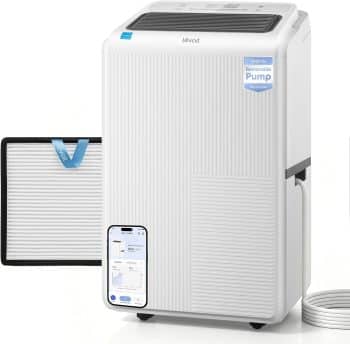
This might seem like the oddball product in a dog-odor roundup, but it addresses something many people forget about when trying to make a home smell fresher: moisture.
A dehumidifier isn’t a dog-odor remover. What it can do is help control excess indoor humidity. That’s useful in spaces that tend to feel damp or musty, particularly when wet dogs, damp towels, washable rugs, dog bedding, or rainy-day gear are regularly entering the equation.
Think about the aftermath of a wet walk. The dog gets towel-dried, the towel ends up hanging somewhere, the entry rug is damp, and maybe the dog heads straight for their bed before their coat is completely dry. If those fabrics stay damp for extended periods, the room can start smelling less than fresh.
The Levoit Dehumidifier can become part of managing that environment, especially in naturally humid areas of the home. Use it according to the manufacturer’s instructions, choose settings appropriate for your space, and remember that a persistent musty smell can also signal a moisture or mold problem that needs to be identified and corrected rather than simply deodorized.
7. ACTIVE Enzyme Based Powder Detergent for Pet Laundry
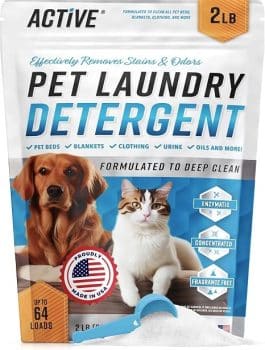
If you’re trying to find the source of dog smell in your home, there’s a very good chance it’s currently asleep in the washing machine’s “to do” pile.
Dog beds, blankets, crate mats, furniture throws, washable covers, towels, and even your own bedding can collect fur, oils, drool, dirt, and other reminders that a dog spends a lot of time on them.
ACTIVE Enzyme Based Powder Detergent is designed with pet laundry in mind, making it an easy addition to a regular washing routine for washable dog items. Rather than waiting until a dog bed develops its own personality, regularly laundering compatible fabrics can prevent odors from becoming deeply established.
Always follow both the detergent directions and the care label on the item you’re washing. Beds with removable washable covers are especially convenient because the surfaces your dog contacts most can be cleaned without wrestling an entire giant bed into the washing machine.
8. Pet-Pourri Air+Fabric Pet Odor Deodorizer Spray
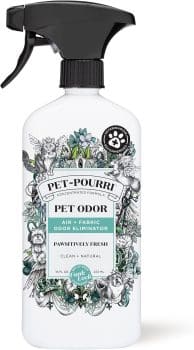
Sometimes you’ve already cleaned everything and simply want the room to smell a little fresher.
Pet-Pourri Air+Fabric Pet Odor Deodorizer Spray is intended for pet-related odors in the home and can be used as part of a freshness routine after the actual cleaning has been handled. It’s particularly convenient for soft furnishings and areas where dog smells tend to accumulate between deeper cleanings.
The distinction between deodorizing and cleaning matters. If there’s an accident on the couch, a deodorizing spray isn’t a substitute for properly removing the mess. If the couch is clean but has developed a mild doggy smell from daily use, a product intended for fabric odors makes more sense.
Follow the label carefully regarding where and how the spray should be used, especially around pets and on fabrics. Fragrance preferences also vary between households, so this is one of those products where a lighter hand may be preferable to turning the living room into a perfume counter.
9. Pet Hair Remover Rake and Carpet Scraper
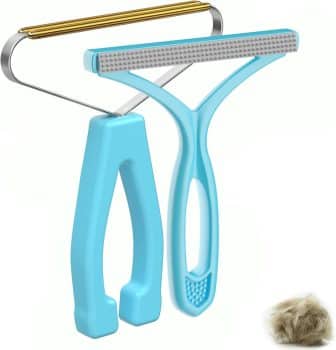
Dog hair may not be solely responsible for your home’s odor, but leaving layers of it embedded in carpet and upholstery isn’t helping your cleaning efforts.
A pet hair remover rake and carpet scraper can pull up fur that ordinary surface cleaning may leave behind. It’s particularly useful along carpet edges, stairs, rugs, furniture, and other places where dog hair seems to weave itself into the fibers and establish permanent residency.
Removing that buildup also means you’re getting rid of some of the dander, dirt, and debris traveling around with it. Follow up with vacuuming and appropriate surface cleaning when necessary for a more thorough reset.
Be cautious on delicate carpets and upholstery. Test the tool somewhere inconspicuous first and avoid aggressive scraping on materials that could snag, pill, or otherwise be damaged.
10. Non-Slip Pet Friendly Sofa Protector
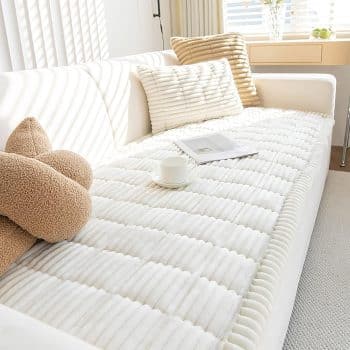
If your dog is going to spend every evening on the couch anyway, sometimes the easiest solution is to put something washable between the dog and the upholstery.
A pet-friendly sofa protector creates a barrier over the areas most likely to collect fur, dirt, drool, body oils, and damp-paw evidence. Instead of repeatedly deep-cleaning the sofa itself, you can remove and clean the protector according to its care instructions.
This can be especially helpful for dogs that have one favorite couch spot. You know the one. There’s an entire sectional available, yet your dog somehow sleeps in exactly the same 30-inch patch every single day.
Washable barriers aren’t glamorous, but they’re one of the simplest ways to stay ahead of dog odors. They’re also much easier to replace than a sofa.
11. TropiClean Deodorizing Dog Shampoo
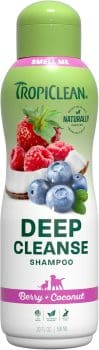
Sometimes the source of the dog smell is, in fact, the dog.
TropiClean Deodorizing Dog Shampoo gives you a dog-specific option for bath time when your pup has accumulated enough outdoor adventures to need more than a quick wipe-down. Bathing can remove dirt and odors from the coat, but more isn’t always better.
How often a dog should be bathed varies with their coat, skin, lifestyle, and health. Excessive bathing or using inappropriate products can irritate skin, so use a shampoo intended for dogs and follow any recommendations from your veterinarian or groomer for your individual pet.
And if your dog develops a persistent or unusually strong odor that returns quickly after bathing, don’t assume they simply need stronger shampoo. Skin infections, ear problems, dental disease, anal gland issues, and other medical conditions can produce noticeable odors and warrant veterinary attention.
12. HICC PET Dog Wipes
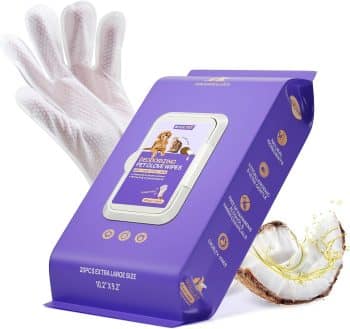
Not every dirty dog needs a bath.
HICC PET Dog Wipes offer a convenient option for smaller cleanup jobs between baths. They can be particularly useful after walks, trips to the park, rides in the car, or other adventures that leave your dog’s coat and paws a little less fresh than when they started.
Keeping wipes near the door can help establish a simple routine: dog comes inside, obvious dirt gets wiped away, and considerably less of the outdoors reaches the couch.
Use wipes according to their directions and avoid sensitive areas unless the product specifically states that it’s appropriate for them. If your dog has allergies, irritated skin, open wounds, or another dermatological condition, ask your veterinarian about suitable grooming products.
13. Hertzko Self Cleaning Slicker Brush for Dogs
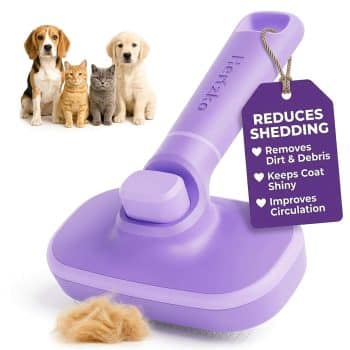
Brushing your dog regularly doesn’t just make their coat look better. It also gives you a chance to remove loose hair and debris before all of it becomes part of your home’s décor.
The Hertzko Self Cleaning Slicker Brush is designed to collect loose coat while making the accumulated hair easier to release from the brush afterward. For dogs with coats suited to a slicker brush, regular grooming can mean less loose fur traveling onto beds, rugs, furniture, and clothing.
Not every coat should be groomed the same way, however. Short coats, double coats, curly coats, silky coats, and wiry coats can require different tools and techniques. Choose grooming equipment appropriate for your dog’s coat rather than assuming one brush works equally well for every breed.
Brushing also gives you an opportunity to notice changes in the skin or coat. New odors, redness, sores, excessive oiliness, unusual hair loss, or discomfort during grooming are worth discussing with your veterinarian.
14. Dexas MudBuster Dog Paw Cleaner
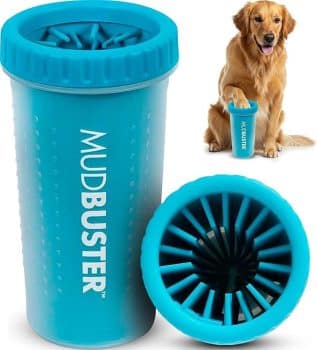
Sometimes the best way to get rid of a smell is to stop it at the front door.
The Dexas MudBuster is designed to clean dirty paws before your dog has a chance to distribute whatever they’ve stepped in across the floor, rugs, furniture, and bedding. Add water, insert the paw, and the internal silicone bristles help loosen dirt and mud before you dry the paw.
This is particularly useful during rainy weather, after muddy walks, or for dogs who regard every puddle as a personal invitation.
Keeping the MudBuster near your entryway with a dedicated dog towel creates a simple cleanup station. Your dog may still bring plenty of personality into the house, but at least they can leave some of the mud outside.
15. Doggie Dooley Pet Waste Digester
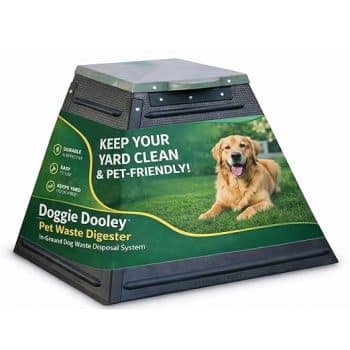
We’ve cleaned the air, carpet, couch, laundry, dog, and paws. Now it’s time to head outside.
Dog waste left sitting around the yard can quickly become an odor problem, especially when you have multiple dogs or a smaller outdoor space. Regular waste removal is one of the simplest ways to keep the area around a dog-friendly home cleaner and more pleasant.
The Doggie Dooley Pet Waste Digester offers an in-ground approach to managing dog waste rather than allowing bagged waste to accumulate around the property. Installation, soil conditions, drainage, climate, capacity, and proper use all matter with this type of system, so check the manufacturer’s requirements carefully before deciding whether it’s appropriate for your yard.
No matter which disposal method you use, consistent cleanup is what matters most. The backyard may belong to the dog, but it doesn’t have to announce that fact to everyone downwind.
Where Does Dog Smell Hide in a House?
When a home still smells like dog after you’ve cleaned, start with the places your dog touches most often.
The dog bed is an obvious candidate, but don’t stop there. Check throw blankets, couch cushions, rugs, carpet, crate bedding, washable toys, towels, car upholstery, collars, harnesses, and the favorite spot where your dog naps every afternoon. Soft materials can hold onto odors long after a hard floor has been mopped.
Then look at less obvious sources. A basket of damp dog towels can create a musty smell. A frequently used collar can get surprisingly funky. The rug beside the back door may have absorbed months of wet paws, and an old accident may still be lingering beneath the surface of a carpet.
Cleaning by source is generally more effective than spraying the entire room and hoping for the best. If you can figure out what smells, you can choose the right way to clean it.
How to Keep Your House From Smelling Like Dog
You don’t need to deep-clean your entire house every day to keep dog odors under control. Small routines can prevent the smells from accumulating in the first place.
Wash dog bedding and frequently used blankets regularly according to their care instructions. Vacuum areas where your dog spends the most time, remove embedded hair from carpet and upholstery, and clean muddy paws before they make it beyond the entryway. Groom your dog appropriately for their coat and bathe them when needed, rather than relying on fragrance to disguise a dirty coat.
Accidents should be addressed promptly with a cleaner appropriate for both the type of mess and the surface. If something washable gets wet, allow it to dry thoroughly before putting it back into use.
It also helps to periodically leave the house and come back with a fresh nose. People naturally become accustomed to familiar household smells. Walking outside for a while and returning can make it much easier to identify an odor you’ve stopped noticing.

Don’t Forget the Things Your Dog Wears
If you’ve cleaned everything and there’s still a mysterious whiff of dog following you around the house, smell the collar.
Collars, harnesses, leashes, dog coats, bandanas, and other frequently used gear can collect skin oils, dirt, saliva, moisture, and whatever your dog rolled in before you could stop them. Because these items aren’t always included in the regular laundry routine, they can become surprisingly potent.
Check the manufacturer’s cleaning instructions before washing dog gear, particularly items containing reflective materials, padding, leather, electronics, or metal hardware. Allow everything to dry thoroughly before putting it back on your dog.
Dog toys deserve attention, too. Plush toys can collect saliva and grime, while rubber toys can develop residue in grooves and openings. Clean toys according to the manufacturer’s instructions and throw away anything that’s damaged or no longer safe to use.
When a Smelly Dog Needs a Vet Instead of a Bath
Some dog odors are normal. Others can be clues that something isn’t right.
A strong or unusual smell coming from the ears, mouth, skin, paws, or rear end may have an underlying medical cause. Skin infections, ear infections, dental disease and other health problems can all produce noticeable odors. Persistent itching, redness, discharge, sores, hair loss, head shaking, paw licking, or discomfort make veterinary evaluation even more important.
A smell that returns almost immediately after bathing is another reason to pay attention. Repeatedly shampooing the dog may irritate the skin without addressing whatever is actually causing the odor.
The same principle applies to accidents in the house. If a reliably housetrained dog suddenly begins having frequent accidents, especially alongside increased thirst, straining, diarrhea, vomiting, lethargy, or other changes, don’t assume it’s simply a cleaning issue. Contact your veterinarian.
Frequently Asked Questions About Dog Smell in the House
1. Why Does My House Smell Like Dog Even After I Clean?
The odor may be coming from something that isn’t part of your usual cleaning routine. Dog beds, blankets, carpets, upholstered furniture, rugs, collars, harnesses, toys, and car interiors can all hold onto smells.
Try identifying where the odor is strongest rather than immediately deodorizing the entire room. Once you locate the source, you can determine whether it needs washing, vacuuming, enzymatic treatment, extraction cleaning, drying, or replacement.
2. How Do I Get Rid of Dog Smell in My House?
Start by addressing the sources rather than trying to mask the overall smell. Wash dog bedding and blankets, vacuum and remove embedded pet hair, clean carpets and upholstery appropriately, treat accidents with a suitable cleaner, and keep your dog’s coat and paws clean.
Ventilation, air filtration, and moisture control can complement cleaning, but they shouldn’t replace removing the substances actually causing the odor.
3. How Do I Get Dog Smell Out of a Couch?
Check the sofa’s manufacturer care instructions before applying any product or using an extraction cleaner. Remove and wash machine-washable covers when possible, vacuum fur and debris thoroughly, and use cleaning products specifically compatible with the upholstery material.
A washable sofa protector or throw can make ongoing maintenance much easier if your dog spends a lot of time on the furniture.
4. How Do I Get Dog Smell Out of Carpet?
Start by thoroughly vacuuming to remove loose and embedded hair and debris. For general carpet odors, use products intended for routine carpet cleaning or deodorizing according to their directions.
Urine and other biological accidents need more targeted treatment. An enzymatic pet cleaner may be appropriate because the goal is to address the organic material responsible for the stain and odor, not simply add fragrance.
5. Does an Air Purifier Help With Dog Smell?
An air purifier can be one part of a dog-friendly home-care routine, particularly for filtering certain airborne particles. Models that incorporate odor-targeting filtration may also help with some airborne household odors.
However, an air purifier won’t clean a urine spot, wash a dog bed, remove dirty fur from the couch, or replace grooming. For the best results, use air filtration alongside regular source cleaning.
6. Can a Dehumidifier Help With Pet Odors?
A dehumidifier isn’t a pet-odor remover, but it can help manage excess indoor moisture. This may be useful in damp spaces or homes where wet dog gear, bedding, rugs, and towels take a long time to dry.
If your home has a persistent musty odor or excessive moisture, it’s important to determine why. Leaks, water intrusion, or mold problems need to be properly investigated rather than covered with deodorizing products.
7. How Often Should I Wash My Dog’s Bedding?
There isn’t one schedule that works for every household. How frequently bedding needs washing depends on how much your dog uses it, whether they shed heavily, their skin and coat, how often they get dirty or wet, and whether the bed is shared by multiple pets.
Instead of waiting for bedding to smell, incorporate washable covers and blankets into your regular laundry routine. Always follow the item’s care instructions.
8. Why Does My Dog Still Smell After a Bath?
Sometimes the odor isn’t actually coming from a dirty coat. Ear problems, skin conditions, dental disease, anal gland problems, and other medical issues can create distinctive or persistent smells.
If your dog has an unusual odor that doesn’t improve with normal grooming or quickly returns, especially when accompanied by other symptoms, contact your veterinarian rather than repeatedly bathing them.
9. How Can I Keep My House Smelling Fresh With Multiple Dogs?
Multiple-dog homes benefit from routines that prevent buildup. Vacuum and remove hair frequently, wash shared bedding and blankets, clean bowls and toys, keep paws clean, address accidents promptly, and groom each dog according to their individual needs.
Pay particular attention to shared soft surfaces because several dogs using the same couch, rug, or bed can cause odors to accumulate more quickly.
10. How Can I Make My House Smell Good Without Just Covering Up Dog Odor?
Work from the source outward. Clean the dog when needed, wash the things they sleep on, remove hair and debris, treat accidents properly, clean carpets and upholstery, manage dirty paws, and make sure damp items dry thoroughly.
Once the actual odor sources have been addressed, products designed to freshen the air or fabrics can be the finishing touch rather than the entire strategy.
Your House Can Smell Fresh and Still Belong to a Dog
A perfectly dog-free-smelling home probably isn’t a realistic goal when there’s a muddy-pawed, couch-napping, blanket-stealing animal happily living in the middle of it. And really, that’s okay.
The trick is keeping normal dog life from turning into lingering dog odor. Catch muddy paws at the door. Wash the blanket before it becomes sentient. Clean accidents properly instead of covering them up. Groom the dog, dig the fur out of the carpet, and occasionally investigate that suspicious smell coming from the toy basket.
Your home doesn’t need to smell like nobody owns a dog. It just doesn’t have to announce it before guests have even made it through the front door.
This content was created with AI assistance and edited by the iHeartDogs team.
 Toledo, United States.