
iHeartDogs is reader-supported. When you buy via links on our site, we may earn an affiliate commission at no extra cost to you.
Let’s face it, dogs fart. But why do some dogs clear the room with their gas all the time? It comes down to where gas in the intestinal tract comes from. Extra air can come from the mouth and be swallowed with food. Sometimes it will exit the other end, but with a lovely added aroma that it picks up on its way through the bowels. If your dog is a fast gulper or has a short face (like a pug, boxer, or bulldog), chances are he will gulp more air than a delicate eater with a longer face.
Sometimes all you have to do to help with this source of gas is slow him down. You can do this by feeding him with a puzzle bowl or toy that he has to figure out to get the food out. You can also place tennis balls in the bowl, so he has to nose around them to really clean his plate. If you have time, you can hand-feed him the kibble and ask him to perform tasks to get it. This game can be fun for you both and builds your training foundation and your bond.

Probiotics Can Help Your Dog’s Gassy Gut
Many dogs can benefit from probiotic supplements. Probiotics are healthy bacteria that we want to encourage in the bowel. These “good guys” can be helpful in the digestion of foods and may have a positive impact on other areas of health. Choosing supplements is another area where advertising is not your best friend. The supplement industry is not government-regulated, and its products may not be what they seem. That’s why iHeartDogs Pupkin™ Probiotics, Prebiotics, & Postbiotics for Dogs come with our Heart Promise – if your pup isn’t happier and healthier after taking them, we’ll refund your purchase.
The Role Of Nutrition In Gas Production
Nutrition plays a crucial role in a dog’s gas production, as excessive gas often stems from the digestive process in the bowel. While a small amount of gas is a natural by-product of digestion, excessive flatulence can be both a social inconvenience and an indicator of digestive distress. Feeding your dog a super-premium, highly digestible diet can minimize gas production by reducing the strain on their digestive system. Such diets are often crafted with high-quality, natural ingredients that are easier for dogs to digest, resulting in less flatulence.
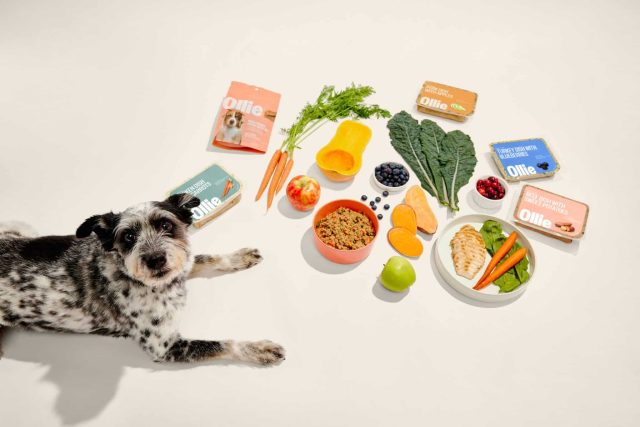
Ollie dog food offers an excellent solution for pet owners aiming to improve their dog’s digestive health and reduce gas. Ollie’s recipes are designed to be highly digestible, using whole foods like high-quality meats, vegetables, and grains with no fillers or artificial additives. By including fiber-rich ingredients and essential omega fatty acids, Ollie supports balanced digestion and a healthy gut microbiome, which can lessen the production of excess gas.
Digestive Health Screenings
Additionally, Ollie provides a digestive health screening for dogs, a proactive measure to evaluate digestive function and identify potential food intolerances or sensitivities. This screening helps in tailoring the best diet for each dog, further supporting efficient digestion and minimizing the chance of digestive discomfort that can lead to gas. By investing in a personalized and digestibility-focused diet like Ollie, pet owners can support their dog’s gastrointestinal health, ensuring smoother digestion and a happier, less gassy pet.
FAQs About Managing Your Dog’s Gas Issues
1. Why does my dog have such bad gas?
Excessive gas in dogs is often caused by diet, swallowing air while eating, food intolerances, or digestive issues. Certain ingredients can be harder to digest, leading to more odor.
2. Are some dog breeds more prone to gas?
Yes, breeds like Bulldogs, Pugs, and Boxers are more prone to gas due to their body structure and tendency to swallow air while eating.
3. What foods commonly cause gas in dogs?
Foods like soy, dairy, beans, low-quality fillers, and fatty scraps can contribute to gas. Some dogs also react poorly to certain proteins or grains.
4. How can I reduce my dog’s gas through diet?
Switching to a high-quality, easily digestible food with limited ingredients can help. Avoid sudden diet changes and monitor how your dog reacts to new foods.
5. Can eating too fast cause gas in dogs?
Yes, dogs that eat quickly tend to swallow more air, which leads to gas. Using slow-feeder bowls can help reduce this issue.
6. Are probiotics helpful for dogs with gas?
Probiotics can improve gut health and balance bacteria in the digestive system, which may reduce gas and improve digestion over time.
7. When should I be concerned about my dog’s gas?
If gas is accompanied by symptoms like vomiting, diarrhea, weight loss, or lethargy, it’s best to consult a veterinarian, as it may indicate an underlying issue.
8. Can table scraps make my dog’s gas worse?
Yes, human foods, especially fatty, spicy, or dairy-based items, can upset your dog’s stomach and increase gas production.
9. Does exercise help reduce gas in dogs?
Regular exercise can support healthy digestion and help move gas through the system more efficiently, reducing buildup.
10. Should I take my dog to the vet for excessive gas?
If your dog’s gas is persistent, unusually foul, or worsening despite diet changes, a vet visit is recommended to rule out food allergies or digestive disorders.
When To See Your Vet
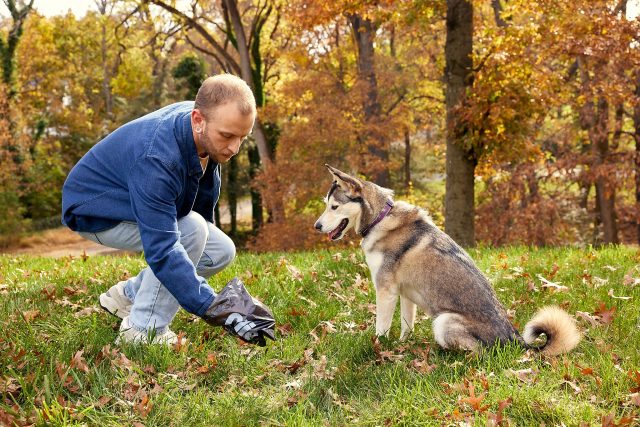
If your dog has any other signs of GI upset in addition to gas, like rumbling bowel sounds, diarrhea/constipation, and/or vomiting, there might be something wrong that needs medical intervention. Call your vet and make sure that you mention all the things you have noticed. Your vet can help make sure that your dog is not suffering from a dietary sensitivity or inflammatory bowel disease, among other important issues.
If your dog runs you out of your room or car, double-check that he or she is not gulping air from fast eating. Be sure that the diet is high-quality and easy to digest with minimal additives and fillers. Consider adding a probiotic each day, and always mention even the smallest concern to your veterinarian. We are here to make life with your dog as pleasant as it can be, for him and for you.
 Toledo, United States.