
Xylitol is one of the most dangerous substances your dog can accidentally eat. And the scary part? It’s hiding in products you’d never expect.
This sugar alcohol is used as a sweetener in hundreds of everyday items, from sugar-free gum to toothpaste to peanut butter. For humans, it’s perfectly safe. For dogs, even a tiny amount can trigger a life-threatening drop in blood sugar or cause liver failure within hours. The FDA has issued warnings about xylitol’s danger to dogs, and vets see poisoning cases every single day.
What makes xylitol so tricky is that it shows up in products you wouldn’t think to check. It’s not just in candy and gum anymore. If you’re a dog parent, you need to know exactly where this ingredient lurks.

Why Is Xylitol So Toxic to Dogs?
When a dog eats xylitol, their body mistakes it for real sugar and releases a massive surge of insulin. This causes blood sugar levels to plummet dangerously low, a condition called hypoglycemia. Symptoms can appear in as little as 10 minutes. In higher doses, xylitol can cause acute liver failure, which can be fatal even with aggressive treatment.
The scary thing is how little it takes. A small dog weighing 10 pounds could be seriously poisoned by just a single piece of sugar-free gum. That’s why knowing which products contain xylitol is so important for every dog owner.
If you suspect your dog has eaten anything containing xylitol or any other harmful ingredient, call the ASPCA Animal Poison Control Center (open 24/7) at (888) 426-4435, and contact your local vet or an emergency vet immediately. Save these numbers in your phone right now.
⚠️ Xylitol Toxicity: Key Facts
- Toxic dose: As little as 0.1g per kg of body weight can cause hypoglycemia
- Symptom onset: Signs can appear within 10 to 60 minutes of ingestion
- Potential outcomes: Hypoglycemia, seizures, liver failure, and death
- Liver failure dose: 0.5g per kg or higher can cause acute liver necrosis
- ASPCA Poison Control: (888) 426-4435 (available 24/7)
Surprising Products That Contain Xylitol
Here are 11 categories of everyday products that may contain xylitol. Some of these will surprise you.
1. Packaged Goods and Baking Mixes
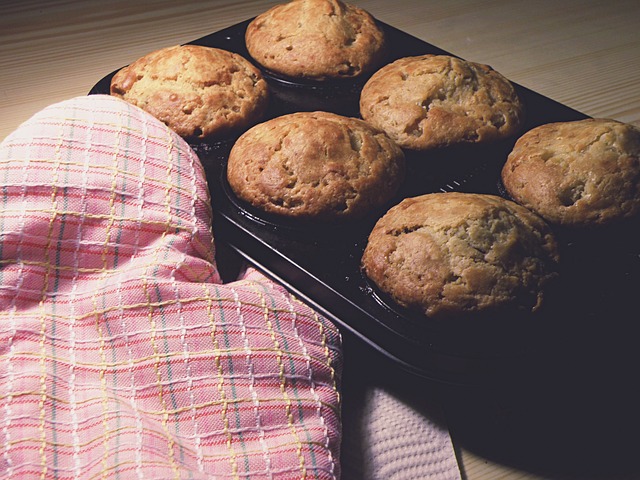
Pet parents who commonly buy sugar-free items need to be extra careful about what’s in their pantry. Sugar-free Jell-o, pudding mixes, cake mixes, cookie mixes, ice cream, and yogurt can all contain xylitol. Brands marketing “no sugar added” or “diabetic-friendly” versions are the most likely culprits. Always flip the package over and scan the ingredient list before bringing anything sugar-free into a home with dogs.
2. Candies, Gum, and Mints
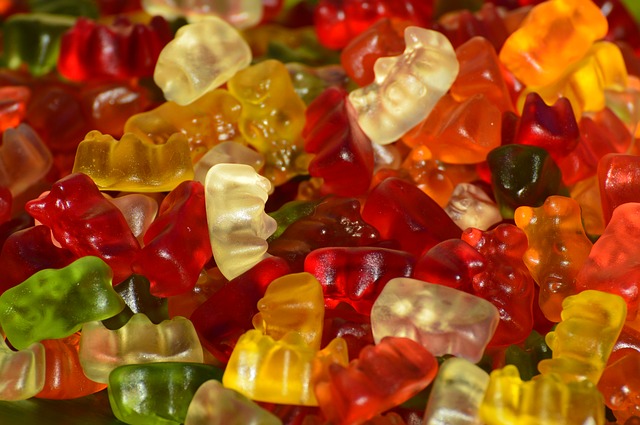
Sugar-free gum is the number one cause of xylitol poisoning in dogs. Brands like Ice Breakers, Trident, Orbit, and many store-brand sugar-free gums contain significant amounts of xylitol. Sugar-free mints and hard candies are just as dangerous. A single pack of gum left in a purse on the floor could contain enough xylitol to be lethal for a small dog. Keep all gum, mints, and sugar-free candies locked away or stored well above counter height.
3. Jams, Syrups, Condiments, Honey, and Raw Xylitol
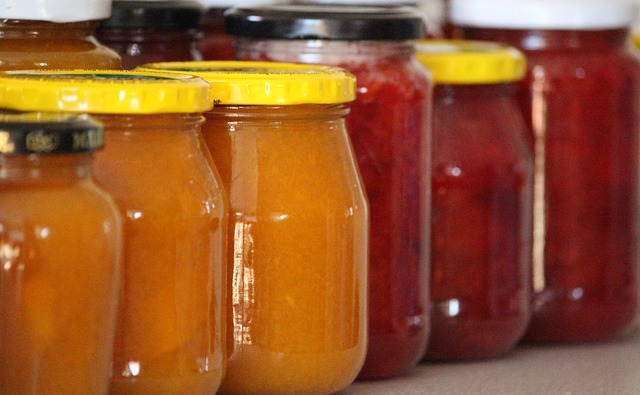
Your fridge and pantry staples might be hiding this sweetener too. Sugar-free jams, pancake syrups, ketchup, barbecue sauce, and flavored honey products sometimes contain xylitol. Products labeled “light” or “reduced sugar” deserve a closer look. Raw xylitol is also sold in bags for home baking, and those containers look a lot like regular sugar. If you bake with xylitol, never let your dog lick the bowl.
4. Protein Bars and Powders
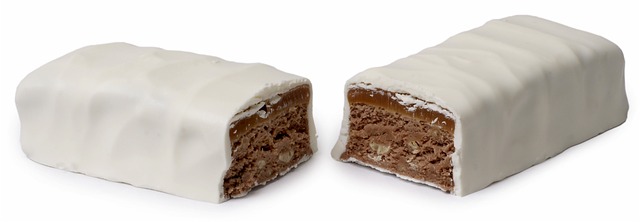
Many protein bars, meal replacement bars, and protein powders use xylitol to keep the sugar count low. Brands that market themselves as “keto-friendly” or “low-carb” are especially likely to include it. If you grab a protein bar after the gym and leave the wrapper on the counter, your dog might go for the crumbs. These products can contain surprisingly high concentrations of xylitol, so keep them sealed and stored away.
5. Flavored Waters and Drink Powders
Flavored water enhancers, powdered drink mixes, and liquid water flavorings can all include xylitol. Products labeled “diet,” “sugar-free,” or “zero sugar” are the biggest red flags. If you leave a flavored water bottle where your pup can knock it over and lap it up, you could have a serious problem. Always check the ingredient panel on sweetened beverages in your home.

Xylitol in Everyday Household Products
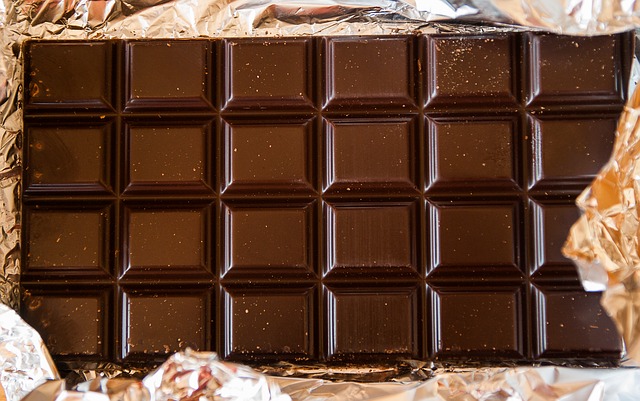
6. Chocolate
Most dog owners already know that chocolate is dangerous for dogs. But chocolate that also contains xylitol is a double threat. Dark chocolate and sugar-free chocolate varieties are the most likely to include xylitol in their ingredient list. When a dog eats xylitol-sweetened chocolate, they’re dealing with two toxins at once: theobromine from the chocolate and the xylitol itself. This combination can be devastating, and the effects can hit even faster than chocolate poisoning alone. If your dog gets into any chocolate, check the label for xylitol and tell your vet exactly what they ate.
7. Peanut Butter and Nut Butters
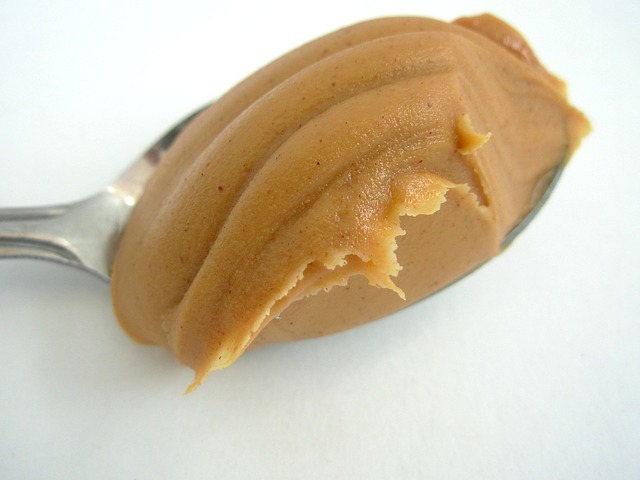
Peanut butter is a go-to treat for dogs, whether it’s stuffed in a Kong, used to hide pills, or just given as a reward. But some brands have started adding xylitol as a sugar substitute, and even a few spoonfuls could be deadly. Brands like “Nuts ‘N More” and some specialty “fitness” peanut butters have included xylitol in the past. Always read the label before giving your dog any nut butter, and stick to brands that contain just peanuts and maybe salt. A quick ingredient check takes seconds and could save your dog’s life.
8. Dental Products
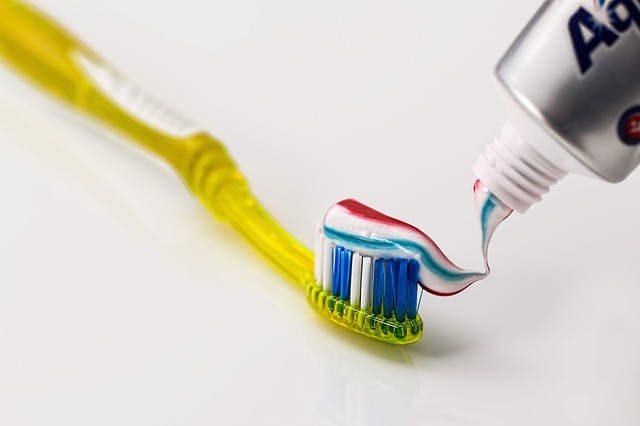
Xylitol fights cavity-causing bacteria, which is why it’s a common ingredient in toothpaste, mouthwash, mouth sprays, whitening strips, and nasal sprays. This is one of the many reasons you should never use human toothpaste to brush your dog’s teeth. Dogs who chew on toothpaste tubes or drink from cups used for mouthwash are at serious risk. Keep all dental products in closed cabinets.
9. Medicines, Vitamins, and Supplements
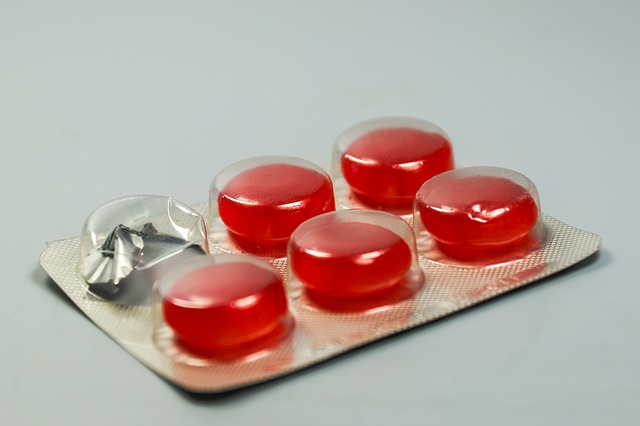
Pharmaceutical companies add xylitol to chewable vitamins, liquid medications, cough syrups, sleep aids, and gummy supplements. Children’s medications are especially likely to contain it. Your dog should never consume human medications without your vet’s guidance, and xylitol is one of the specific reasons these products are so risky. If your dog gets into the medicine cabinet, grab the container and check for xylitol so you can give your vet or poison control accurate information.
Non-Food Products That Contain Xylitol
10. Cosmetics, Body, Face, and Hair Products
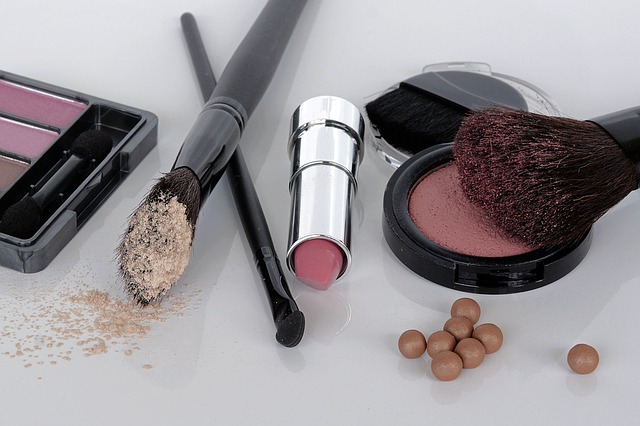
Some lip balms, lotions, deodorants, facial creams, and hair products contain xylitol as a moisturizing or flavoring agent. Dogs love to chew on things that smell interesting, and a tube of lip balm left on the nightstand is an easy target. If your pup gets into your makeup bag or toiletries, check the ingredient list for xylitol immediately. It’ll help your vet determine the right course of treatment.
11. Miscellaneous Xylitol Products
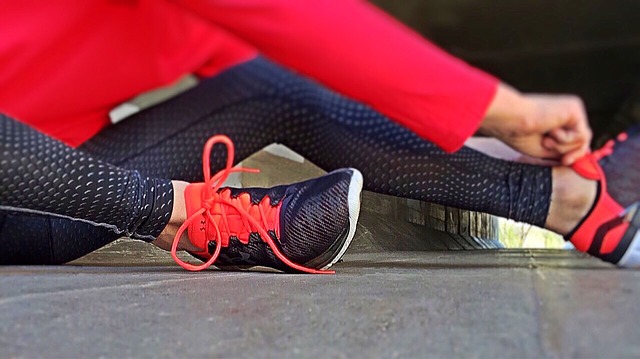
Certain brands of athletic clothing contain xylitol-infused fibers designed to create a cooling effect on the skin. If your dog loves stealing socks or chewing on workout clothes, this is worth knowing. Baby products like pacifier wipes and bottle wipes sometimes contain xylitol too. The bottom line? Xylitol has found its way into products that have nothing to do with food, so staying vigilant means checking labels on things you’d never think to look at.
🚨 What To Do If Your Dog Eats Xylitol
- Stay calm but act fast. Time is critical with xylitol poisoning.
- Check the product label. Note the product name, how much xylitol it contains, and roughly how much your dog ate.
- Call ASPCA Poison Control at (888) 426-4435 or your emergency vet immediately.
- Do NOT induce vomiting unless specifically told to by a veterinarian. Vomiting can sometimes make things worse.
- If your dog is conscious, you can rub a small amount of corn syrup or honey on their gums to help raise blood sugar while you get to the vet.
- Get to an emergency vet as quickly as possible. Bring the product packaging with you so the vet knows exactly what your dog ingested.
- Don’t wait for symptoms. By the time signs appear, the damage may already be progressing.
Xylitol Goes by Other Names on Labels
One reason xylitol catches dog owners off guard is that it doesn’t always appear on the label as “xylitol.” Manufacturers sometimes use alternate names, so you need to know what to look for.
📋 Alternate Names for Xylitol on Ingredient Labels
- Birch sugar (the most common alternate name)
- Wood sugar
- Birch bark extract
- E967 (European food additive code)
- Xylite
- Xylo-pentane-1,2,3,4,5-pentol (chemical name)
- Meso-xylitol
If you see any of these on a product label, treat it exactly like xylitol and keep it away from your dog.
How to Dog-Proof Your Home Against Xylitol
Now that you know how many products can contain this toxin, it’s time to take action. Walk through your house and check ingredient labels on sugar-free foods, dental products, medications, and cosmetics. Move anything containing xylitol to a closed cabinet or high shelf your dog can’t access.
Make sure everyone in your household knows about the danger. A well-meaning guest who shares a piece of sugar-free gum with your dog could cause a crisis without realizing it. Brief your dog sitter or boarding facility too. Get in the habit of reading labels on every new product you bring home. If you want to learn more about keeping your dog safe, check out this list of harmful ingredients to watch for in dog food and learn about the FDA’s warnings about xylitol and dogs.
Symptoms of Xylitol Poisoning in Dogs
Symptoms often show up within 10 to 30 minutes, though they can take up to 12 hours in cases involving liver damage. Watch for:
- Vomiting (often the first symptom)
- Weakness or lethargy
- Loss of coordination or difficulty walking
- Tremors or seizures
- Collapse or inability to stand
- Jaundice (yellowing of eyes, gums, or skin)
If you notice any of these signs and there’s even a chance your dog ate something containing xylitol, don’t wait. Early treatment with IV dextrose gives dogs the best chance of recovery.
Frequently Asked Questions About Xylitol and Dogs
Is xylitol toxic to dogs?
Yes, xylitol is extremely toxic to dogs. Even small amounts can cause a dangerous drop in blood sugar (hypoglycemia) and potentially lead to liver failure. Dogs metabolize xylitol very differently than humans do, which is why it’s harmless for people but life-threatening for dogs. If your dog eats any amount of xylitol, treat it as a medical emergency.
How much xylitol is dangerous for dogs?
As little as 0.1 grams of xylitol per kilogram of your dog’s body weight can cause hypoglycemia. That means a 10-pound dog could be seriously affected by less than half a gram. Higher doses of 0.5 grams per kilogram or more can cause liver failure. To put that in perspective, a single piece of sugar-free gum can contain 0.3 to 1.5 grams of xylitol, which is enough to poison a small dog.
What are the symptoms of xylitol poisoning in dogs?
The most common symptoms include vomiting, weakness, loss of coordination, tremors, and seizures. These can appear as quickly as 10 to 30 minutes after ingestion. In cases involving liver damage, symptoms like jaundice and internal bleeding may develop over the following 24 to 72 hours. Some dogs show no early symptoms before the liver is already affected, which is why you shouldn’t wait for signs before seeking help.
What should I do if my dog eats xylitol?
Call the ASPCA Animal Poison Control Center at (888) 426-4435 or your emergency vet right away. Don’t induce vomiting unless a veterinarian specifically tells you to. If your dog is conscious, you can rub a small amount of corn syrup or honey on their gums to help stabilize blood sugar while you drive to the vet. Bring the packaging of whatever your dog ate so the vet can determine how much xylitol was ingested.
What other names does xylitol go by on ingredient labels?
Xylitol can appear on labels under several different names. The most common alternatives are “birch sugar” and “wood sugar.” You might also see it listed as “birch bark extract,” “E967” (used in European labeling), “xylite,” or its full chemical name “xylo-pentane-1,2,3,4,5-pentol.” If you’re checking a product for dog safety, look for all of these terms, not just “xylitol.”

Your Dog Is Counting on You
The list of xylitol-containing products grows every year as more manufacturers adopt this sugar substitute. The good news? Xylitol poisoning is entirely preventable. You just need to know where to look.
Start today by doing a quick sweep of your home. Check the pantry, the medicine cabinet, the bathroom counter, your purse, and your gym bag. Read labels on anything that says “sugar-free” or “no sugar added.” If you find xylitol, move it somewhere your dog absolutely cannot reach. Share this info with your family, your dog walker, and anyone else who spends time with your pup.
A few minutes of label-reading today could prevent a heartbreaking emergency tomorrow. Your dog trusts you to keep them safe, and now you’ve got the knowledge to do exactly that.
 Toledo, United States.