
 Shutterstock
Dogs explore the world in many ways, but touch is one of their most essential senses. From the moment they’re born, physical contact helps shape how they bond with others, communicate, and feel secure in their surroundings. Whether it’s a gentle pat, a playful bump, or a comforting snuggle, touch has a lasting impact on their emotional and social development. In this article, we’ll explore fascinating facts about how dogs perceive touch and why this sense plays such a meaningful role in their lives and in ours.
Touch Is the First Sense to Develop
 Shutterstock
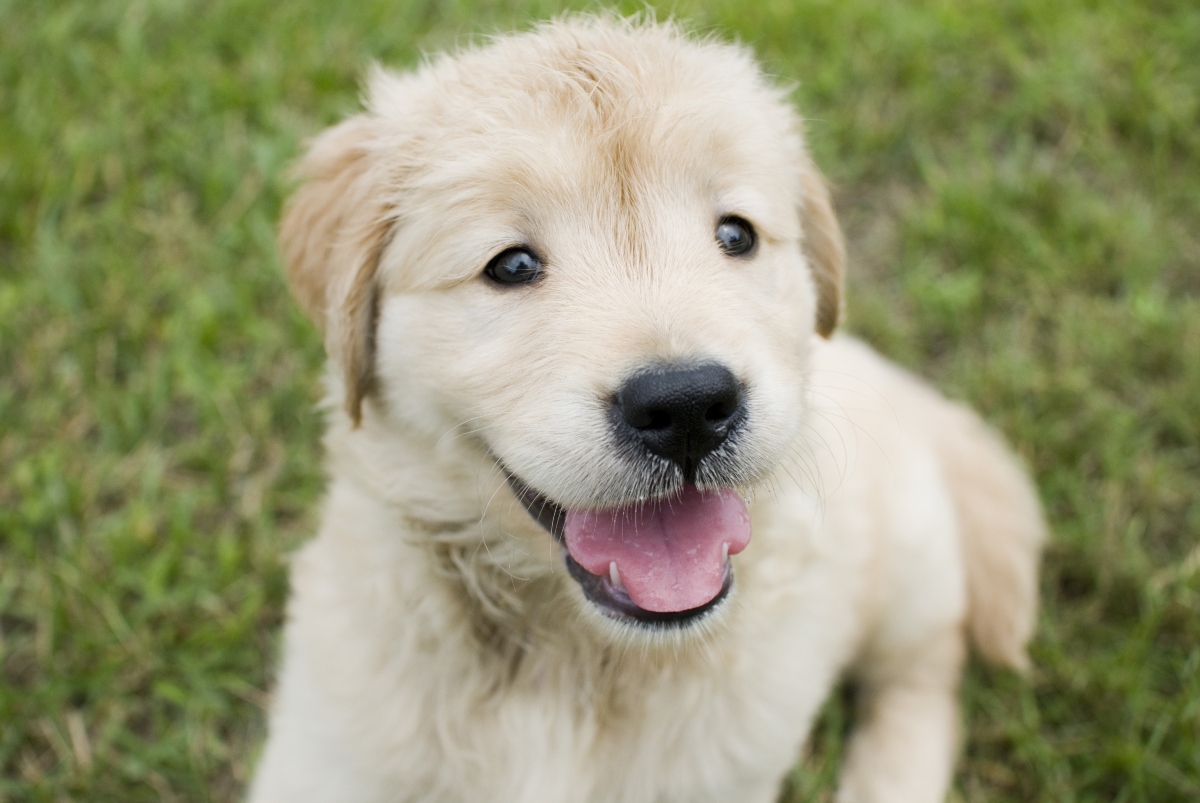
From the moment puppies are born, touch is their primary means of experiencing the world. Before their eyes open or ears hear, they rely on tactile sensations to find warmth, nourishment, and comfort. This early dependence on touch lays the foundation for their social interactions and bonding behaviors throughout life. Gentle handling during this critical period can foster trust and ease in human interactions as they grow.
Whiskers Are Super Sensors
 Shutterstock
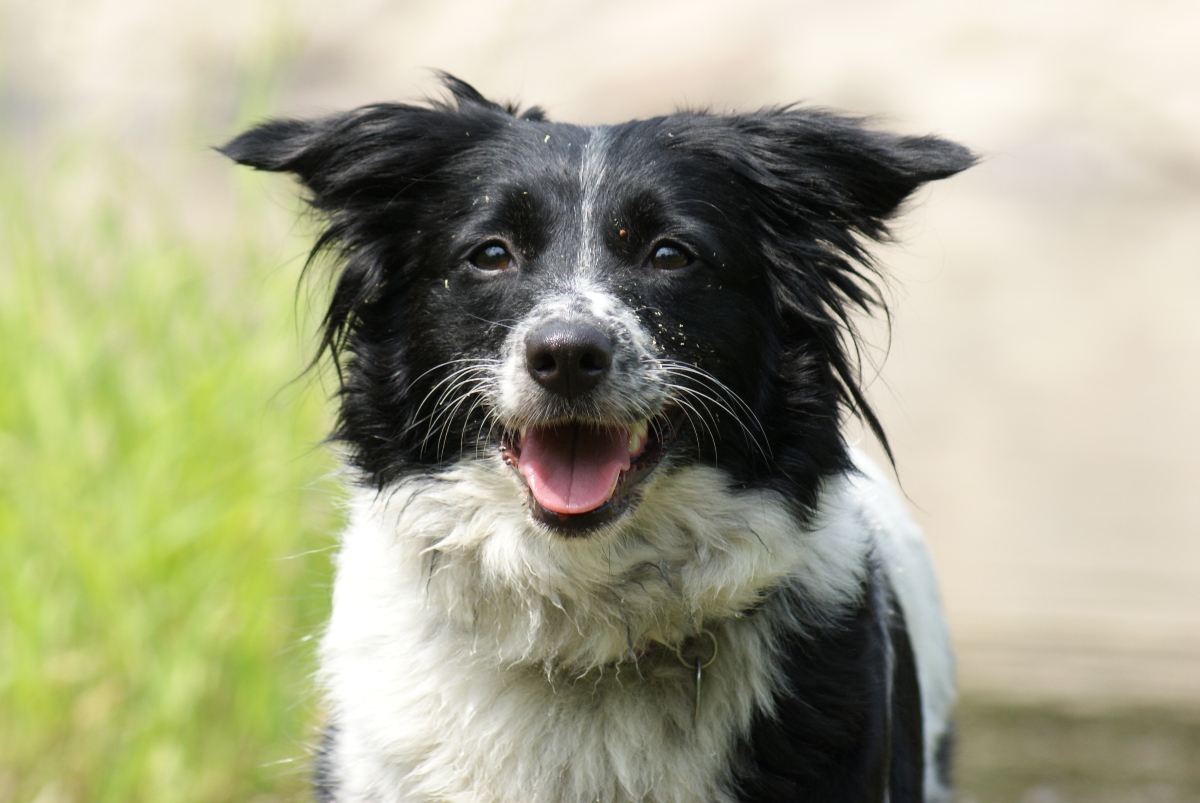
A dog’s whiskers, or vibrissae, are more than just facial adornments; they’re highly sensitive tactile hairs that detect subtle changes in air currents and vibrations. Located on the muzzle, above the eyes, and below the jaw, these whiskers help dogs navigate their environment, especially in low-light conditions. They act as early warning systems, alerting dogs to nearby objects and potential obstacles. Trimming or damaging these whiskers can impair a dog’s spatial awareness and should be avoided.
Fur Enhances Tactile Sensation
 Shutterstock
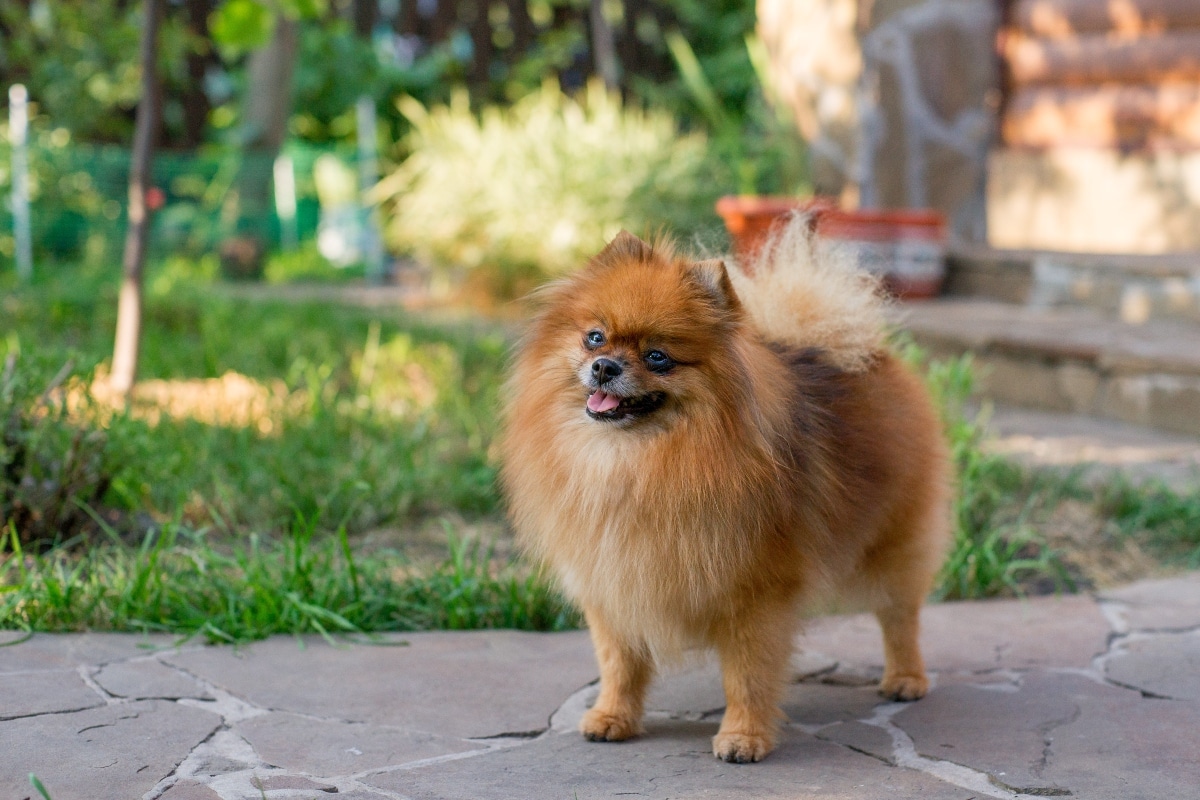
While fur provides insulation, it also plays a role in a dog’s sense of touch. Each hair follicle is connected to nerve endings that transmit information about the environment. When a dog brushes against an object, the fur amplifies the tactile feedback, allowing them to sense textures and movements. This heightened sensitivity aids in their exploration and interaction with the world around them.
Paws Are Less Sensitive Than You Think
 Shutterstock
Despite being in constant contact with the ground, a dog’s paws are less sensitive compared to other body parts. This reduced sensitivity is an adaptation to protect against rough terrains and varying temperatures. However, the paw pads still contain nerve endings that detect pressure and vibrations, helping dogs gauge the surface they’re walking on. Regular care is essential to maintain paw health and prevent injuries.
The Muzzle Is a Tactile Powerhouse
 Shutterstock
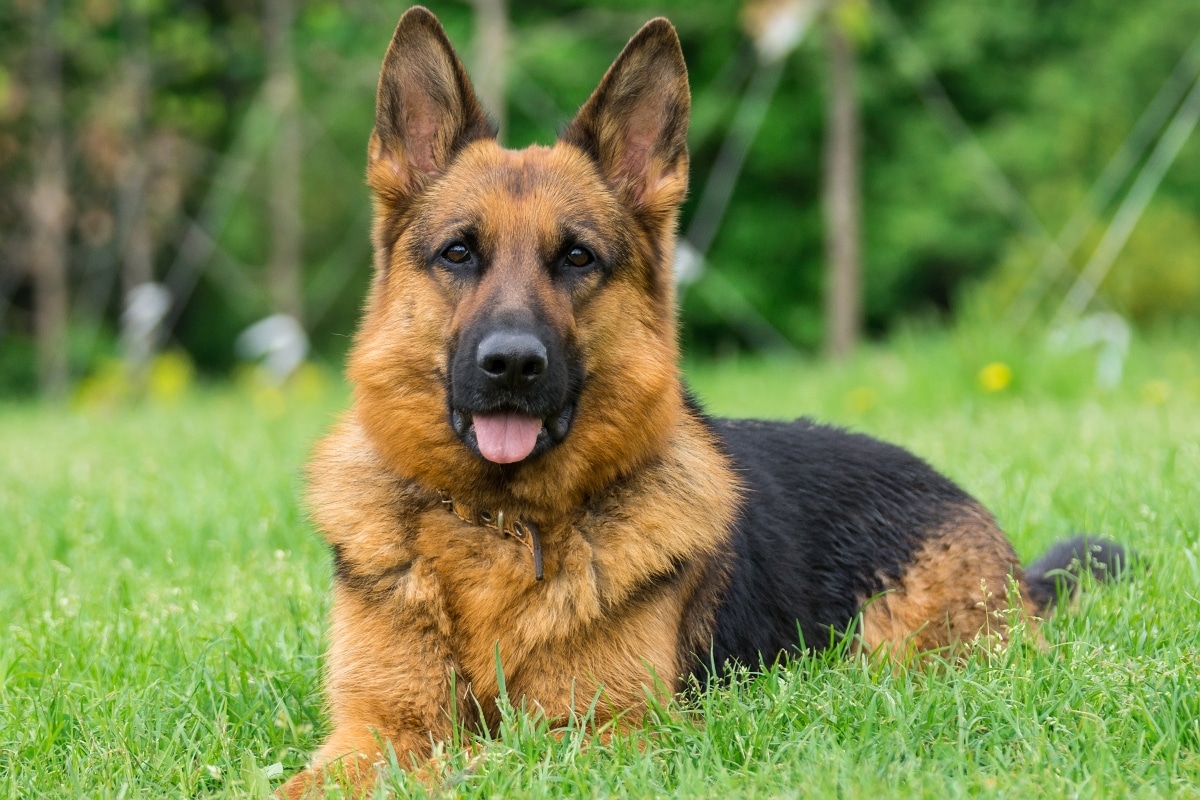
A dog’s muzzle is one of its most sensitive areas, packed with nerve endings that detect minute tactile stimuli. This sensitivity allows dogs to explore objects, assess textures, and communicate through nuzzling or licking. It’s also why many dogs may react strongly to touches around their face. Understanding this can help in training and building trust during grooming or veterinary visits.
Touch Strengthens Social Bonds
 Shutterstock
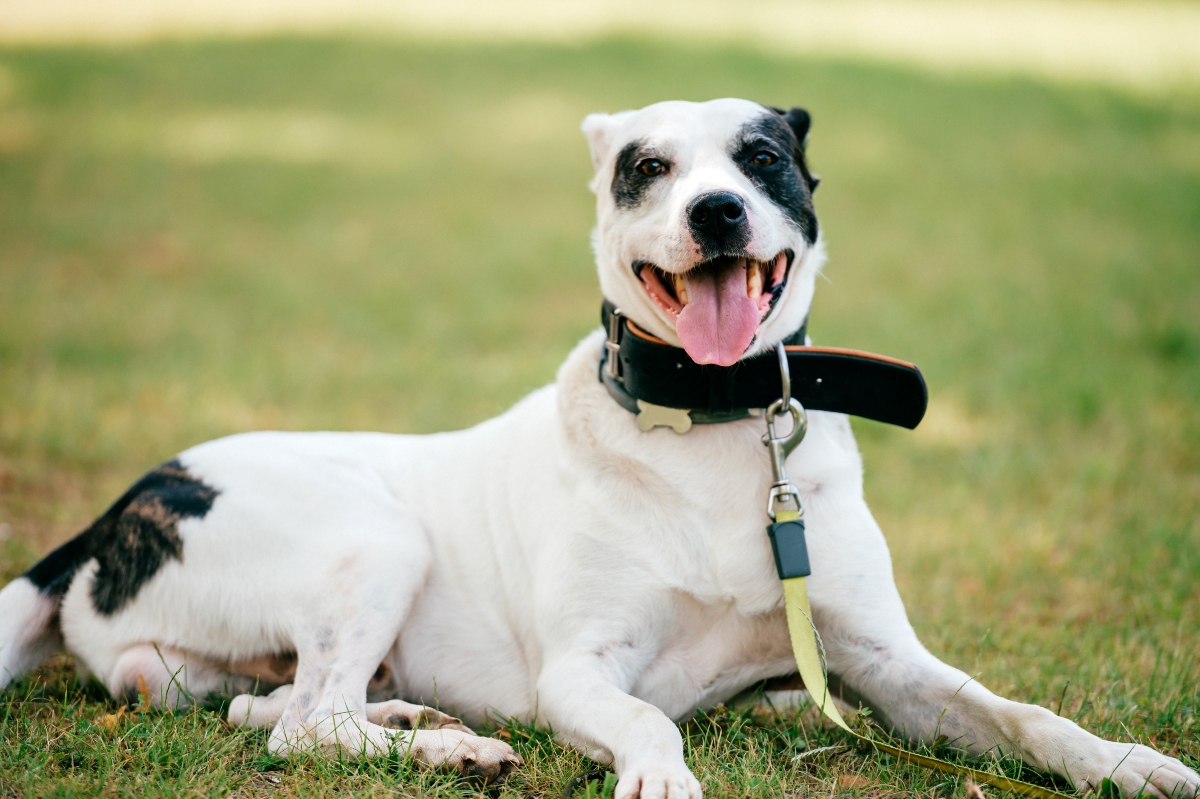
Physical contact is a cornerstone of canine social behavior. Dogs use touch to communicate affection, establish hierarchy, and provide comfort. From playful nudges to gentle leaning, these tactile interactions reinforce bonds between dogs and their human companions. Regular, positive touch can enhance trust and emotional connection.
Some Areas Are More Sensitive Than Others
 Shutterstock
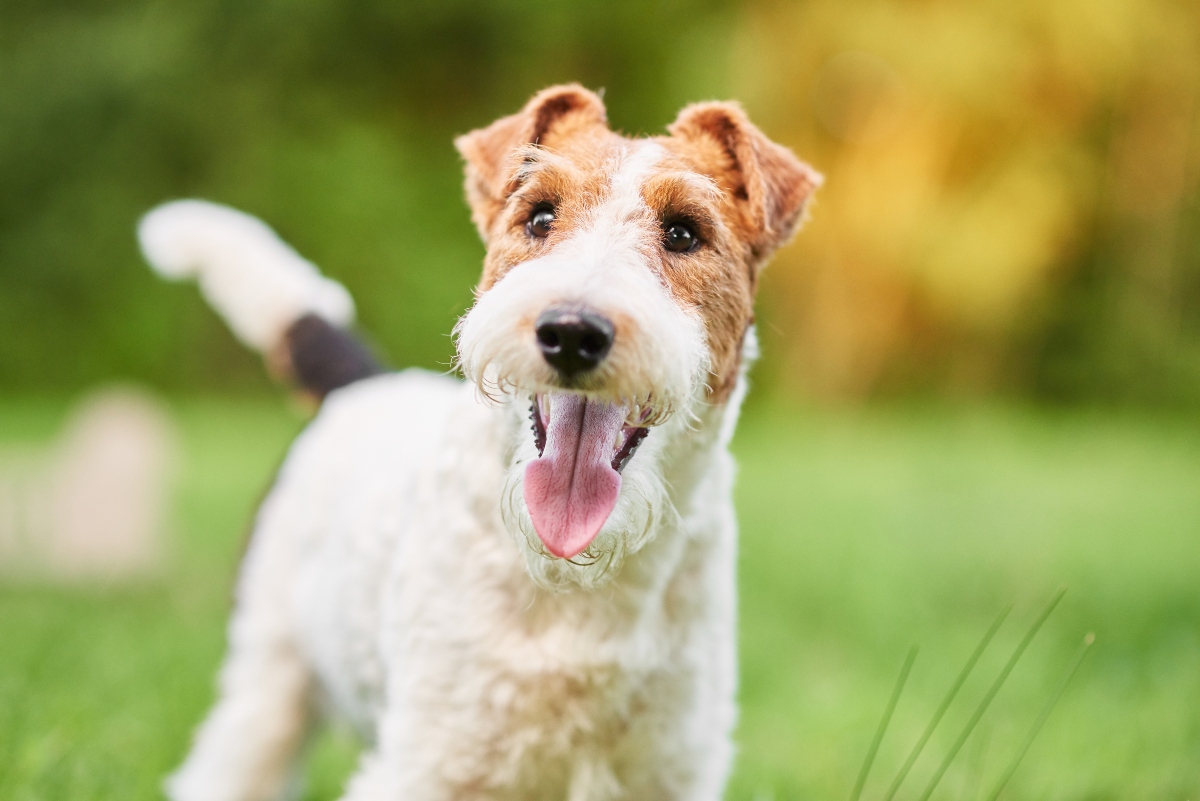
Dogs have varying sensitivity across different body parts. Areas like the ears, tail, abdomen, and paws are often more sensitive due to the concentration of nerve endings. Being aware of these sensitive zones can guide more comfortable handling and prevent unintended discomfort. Always observe your dog’s reactions to touch and adjust accordingly.
Touch Can Convey Emotions
 Shutterstock
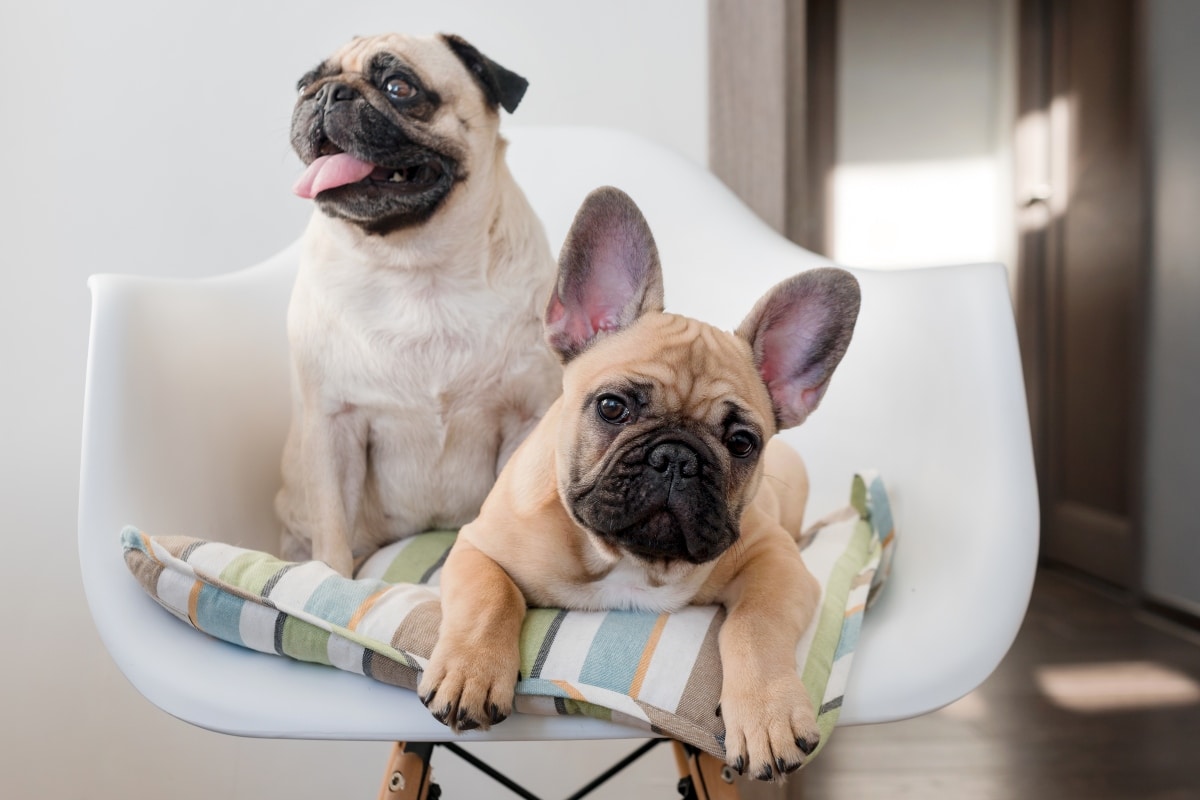
Dogs not only feel touch but also associate it with emotional experiences. A gentle stroke can convey love and reassurance, while abrupt or rough handling might be perceived as threatening. Consistent, positive tactile interactions can help alleviate anxiety and reinforce desired behaviors. Understanding the emotional weight of touch is crucial in training and bonding.
Touch Sensitivity Can Vary by Breed and Individual
 Shutterstock
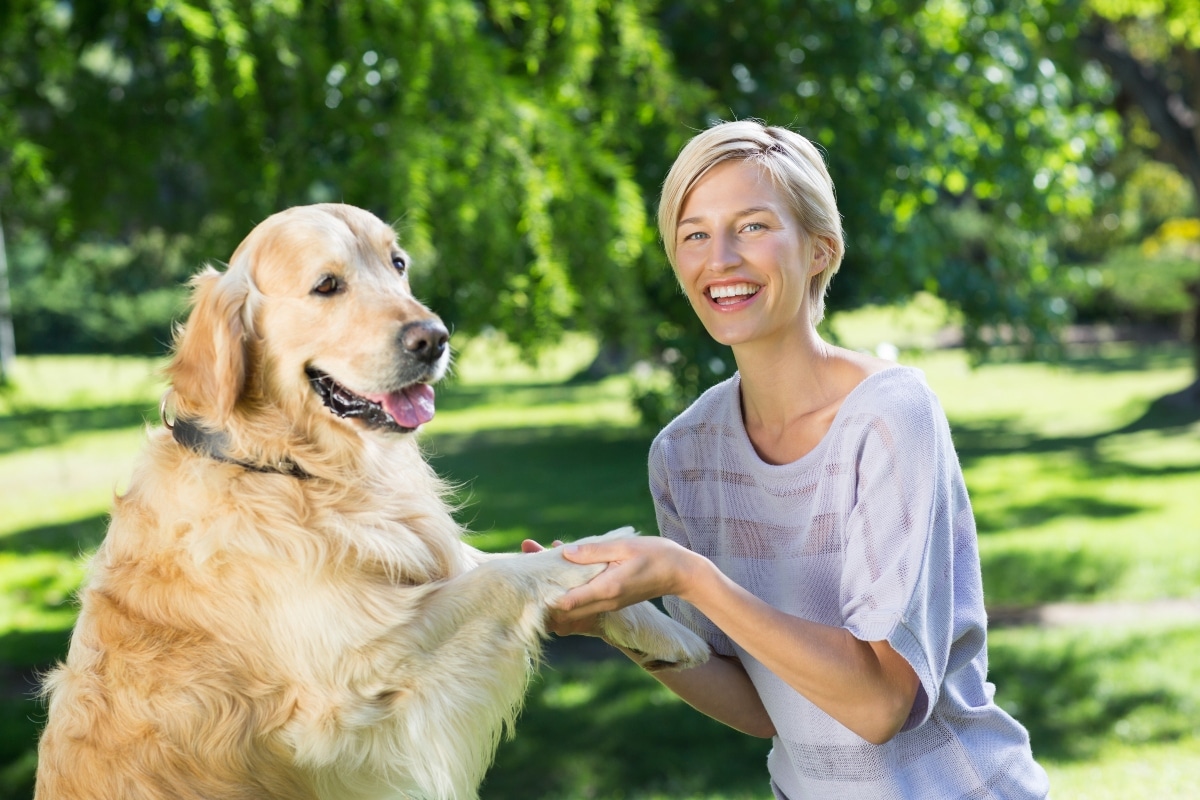
Just as humans have varying touch sensitivities, so do dogs. Factors like breed, age, past experiences, and individual temperament influence how a dog perceives touch. Some breeds may be more tolerant of handling, while others might be more reserved. Recognizing and respecting these differences ensures more effective and compassionate interactions.
Therapeutic Touch Has Healing Benefits
 Shutterstock
Therapeutic touch techniques, such as massage or Tellington TTouch, can offer numerous benefits for dogs. These methods can alleviate stress, reduce pain, and enhance overall well-being. Incorporating gentle touch into a dog’s routine can promote relaxation and strengthen the human-animal bond. Always consult with professionals to ensure appropriate techniques are used.
Touch Plays a Role in Training
 Shutterstock
Incorporating touch into training can be a powerful tool. Tactile cues, like gentle taps or guiding touches, can reinforce commands and behaviors. However, it’s essential to ensure that the touch is perceived positively and doesn’t cause discomfort. Combining touch with verbal cues and rewards can enhance learning and responsiveness.
Touch Sensitivity Can Indicate Health Issues
 Shutterstock
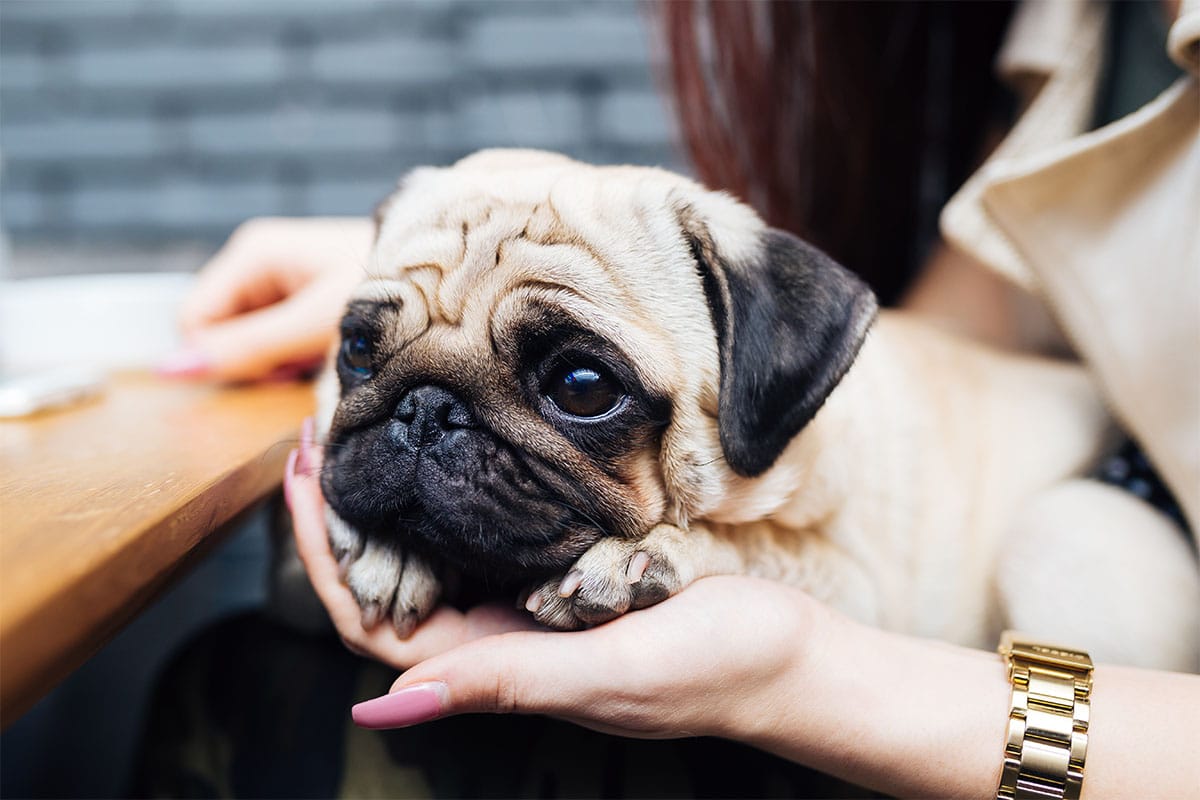
Sudden changes in a dog’s response to touch can signal underlying health problems. If a previously tolerant dog becomes sensitive or reactive to touch, it might be experiencing pain or discomfort. Regularly monitoring your dog’s reactions can aid in the early detection of issues, prompting timely veterinary consultations.
Touch Enhances Environmental Awareness
 Shutterstock
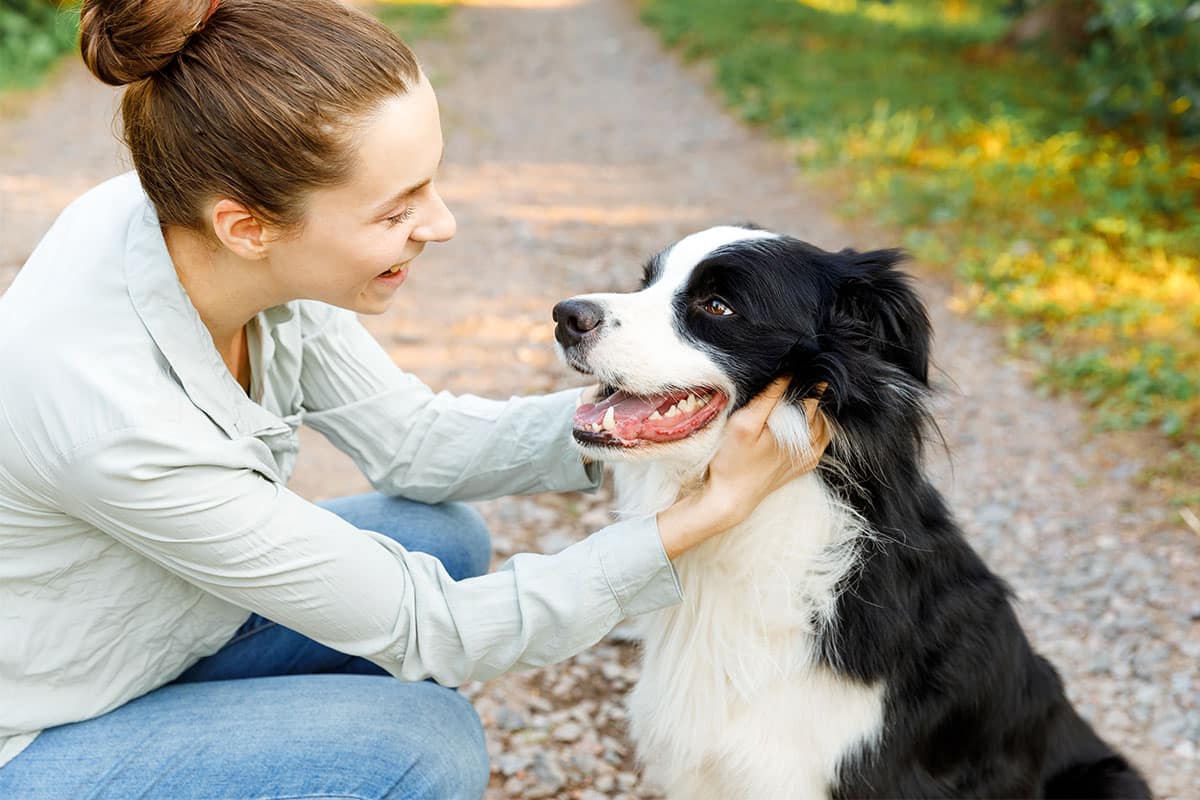
Dogs use touch to navigate and understand their environment. Their skin, fur, and whiskers detect changes in terrain, air currents, and nearby objects. This tactile feedback complements their other senses, aiding in movement and spatial awareness. Providing varied textures and surfaces can enrich their sensory experiences.
The Touchy Truth About Our Furry Friends
 Shutterstock
Understanding how dogs perceive touch helps us connect with them on a deeper, more meaningful level. Their sensitivity to physical contact influences how they bond, communicate, and experience the world. When we recognize their preferences and respond with gentle care, we show respect and build lasting trust. From calming strokes to playful nudges, touch is a powerful part of their emotional life. So, the next time your pup leans into you or nudges your hand, remember it’s their way of saying they feel safe, loved, and close to you.
 Toledo, United States.