
 Shutterstock
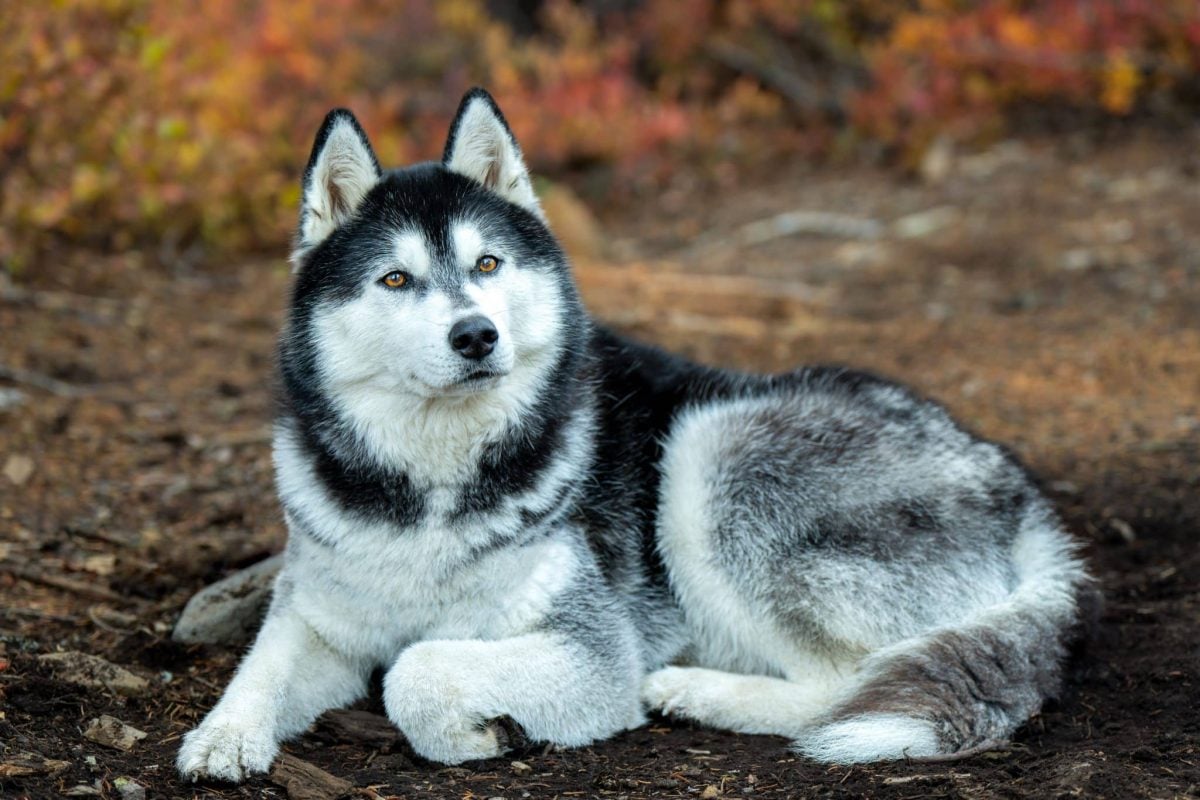
Ancient dog breeds fit this topic because their histories reveal working roles that shaped traits, while modern life has given those traits new expressions. Hunting breeds may still investigate scents, guardians may monitor sounds, and sled dogs may approach exercise with enthusiasm. Although their original jobs have changed, many instincts remain, including independence, loyalty, endurance, alertness, and sociability. These characteristics influence training, exercise, and routines. Their personalities show how ancient working skills become modern companionship, with hunters becoming explorers and guardians treating the home like a security assignment.
Basenji
 MidJourney
The Basenji has deep roots in Central Africa and was traditionally valued as a hunting dog. Its speed, agility, alertness, and independent working style remain important parts of its personality. Often called the barkless dog, the Basenji produces unusual vocal sounds instead of conventional barking. Modern Basenjis are curious, intelligent, energetic, and affectionate with their families, but they also have a strong independent streak. Their cleverness can make training rewarding while occasionally inspiring them to question household rules. They enjoy exploring and investigating, making them entertaining companions for owners who appreciate a dog with plenty of personality.
Saluki
 Shutterstock
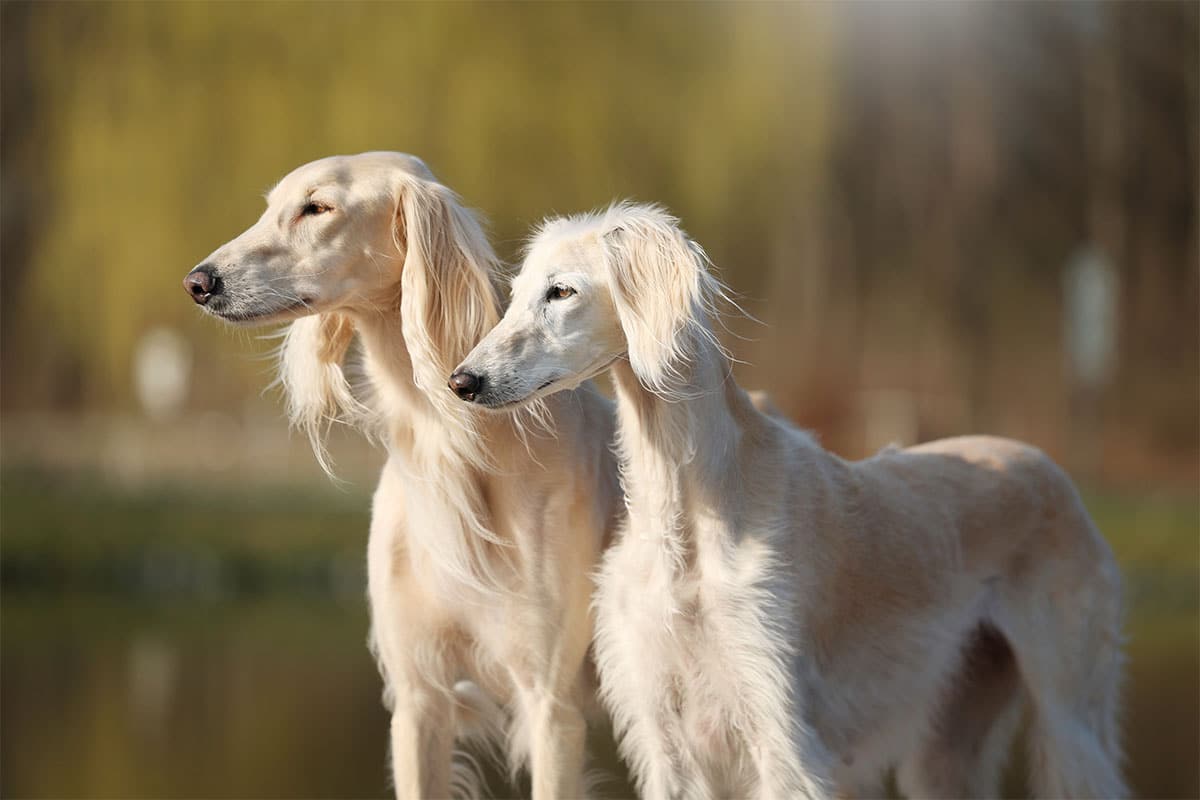
The Saluki is an ancient sighthound associated with the Middle East, where dogs of its type were valued for speed, endurance, and hunting ability. Its athletic build reflects a history of pursuing prey across demanding terrain. Modern Salukis often combine impressive athleticism with a gentle and quiet personality at home. They can be affectionate with trusted family members while remaining reserved around unfamiliar people. Their independent nature reflects their history as hunters that needed to make decisions while pursuing prey. With proper exercise, Salukis can be surprisingly calm indoors, making them graceful companions that balance ancient athletic ability with modern relaxation.
Afghan Hound
 Shutterstock
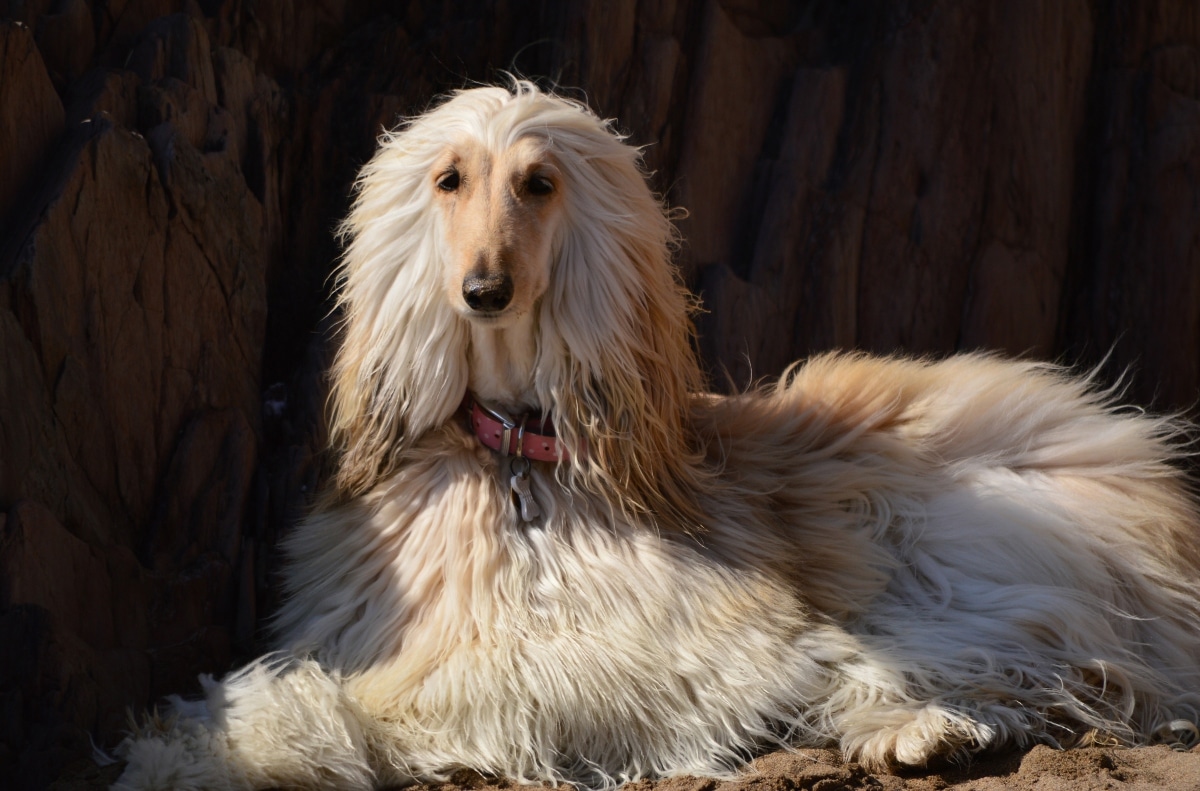
The Afghan Hound developed in the mountainous regions of Afghanistan, where long-haired sighthounds were valued for hunting in difficult terrain. Its flowing coat protected it from cold conditions, while its athletic body supported speed and endurance. Modern Afghan Hounds remain intelligent, independent, sensitive, and playful. Their history encouraged independent decision-making, so they may not always respond to commands as eagerly as highly cooperative breeds. This can give them a somewhat catlike personality. Despite their elegant appearance, Afghan Hounds are athletic dogs with strong instincts and plenty of energy. Their combination of dignity, affection, independence, and humor makes them fascinating modern companions.
Shiba Inu
 Shutterstock
The Shiba Inu is one of Japan’s oldest native breeds and was developed for hunting in mountainous areas. Its compact body, agility, alertness, and confidence helped it navigate dense terrain while pursuing small game. Modern Shibas retain much of that independent character. They are intelligent, energetic, observant, and often very particular about what they want. Shibas can be affectionate without constantly demanding attention, making them appealing to people who enjoy independent dogs. Their expressive faces and dramatic reactions can also make them wonderfully entertaining. Consistent training and socialization help channel their confidence and curiosity into positive behavior.
Akita Inu
 Shutterstock
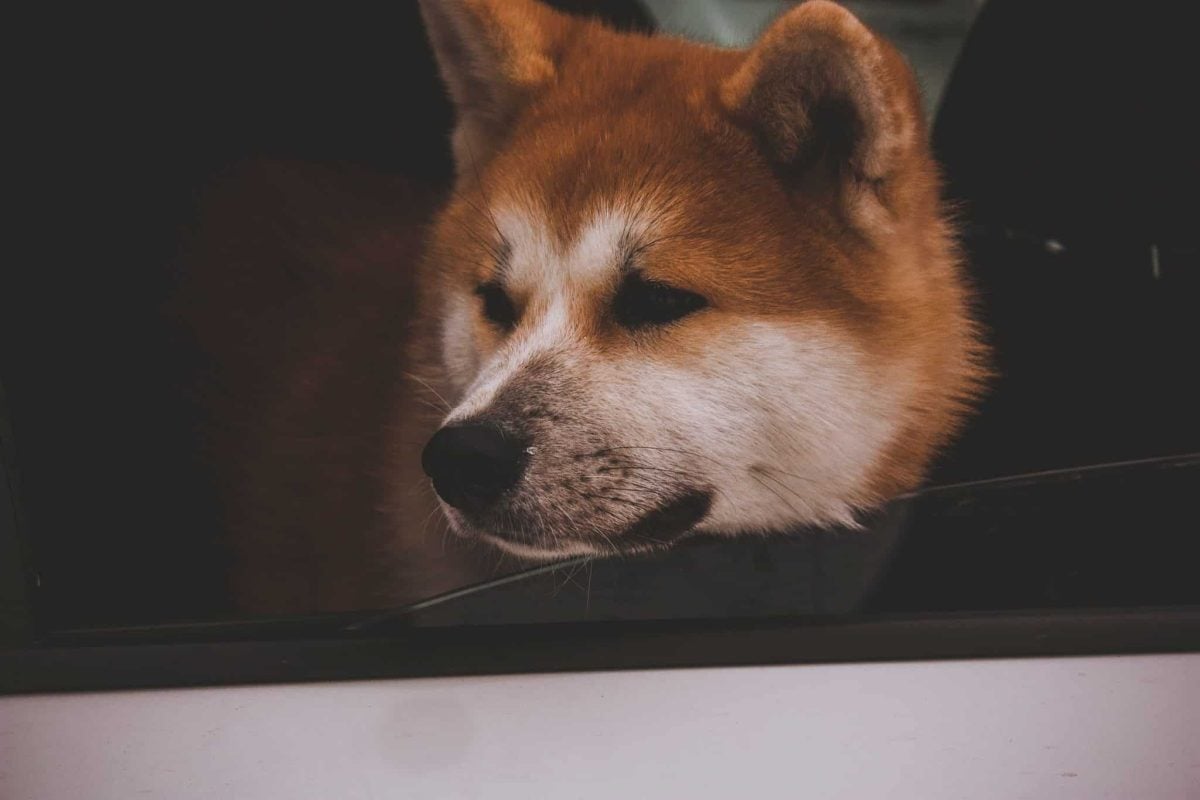
The Akita Inu originated in Japan and developed from dogs used for hunting and guarding. Its working history required strength, courage, endurance, and determination. Modern Akitas often retain those qualities while forming deep bonds with their families. They can be reserved around unfamiliar people and naturally attentive to their surroundings. Their independent temperament means consistent training and early socialization are important. An Akita may not constantly demand attention, but its loyalty can be remarkably strong. This combination of ancient courage, quiet confidence, and family devotion gives the breed a distinctive personality that remains recognizable centuries after its original working roles developed.
Chow Chow
 Shutterstock
The Chow Chow has ancient roots in China and has historically been associated with hunting, guarding, and other working roles. Its sturdy body, dense coat, blue-black tongue, and serious expression make it instantly recognizable. Modern Chow Chows are typically independent and reserved, often forming strong bonds with their families while remaining cautious around unfamiliar people. They may prefer observing a new situation before deciding how to respond. Their calm personality can seem almost philosophical, although they are simply dogs with strong preferences. Respectful training and early socialization help them become well-adjusted companions. Their ancient working background remains visible in their confidence and watchfulness.
Tibetan Mastiff
 Shutterstock
The Tibetan Mastiff has a long history in the Himalayan region, where powerful dogs guarded livestock, homes, and communities. Its large size, thick coat, and strong build reflect the demanding conditions in which it worked. Modern Tibetan Mastiffs often retain powerful protective instincts and may be cautious around unfamiliar people. They are independent thinkers because traditional guardian dogs often had to make decisions without constant human direction. Training and socialization are especially important because of their size and strength. With appropriate guidance, they can be devoted and affectionate family companions. Their ancient guardian personality remains obvious, especially when they hear something unusual outside and immediately decide that an investigation is required.
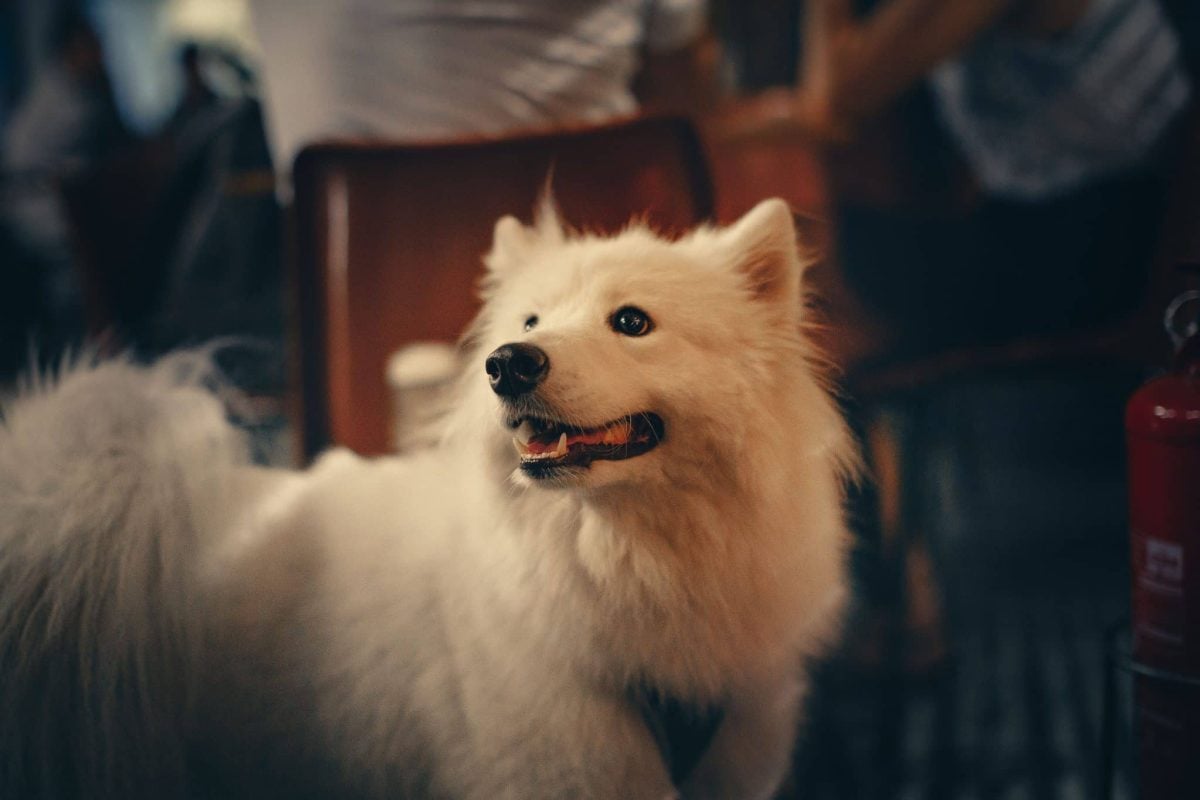
Samoyed
 Shutterstock
The Samoyed developed among the Samoyedic peoples of northern Siberia, where dogs helped with transportation, hunting, herding, and companionship. Their thick coats protected them from severe cold, while their strength and endurance supported demanding work. Modern Samoyeds are usually friendly, energetic, intelligent, and highly people-oriented. They enjoy participating in family activities and often need plenty of exercise and mental stimulation. Their cheerful appearance matches their generally sociable nature, although they can also be vocal and mischievous. A bored Samoyed may quickly invent its own entertainment. Their modern personality beautifully combines the cooperative nature of an ancient working dog with the playful enthusiasm of a beloved family companion.
Siberian Husky
 MidJourney
The Siberian Husky was developed by the Chukchi people of northeastern Siberia as an efficient sled dog. It was valued for endurance, cooperation, and the ability to travel long distances across difficult terrain. Modern Huskies remain energetic, curious, social, and independent. Their intelligence can make them excellent problem solvers, although they may use that intelligence to find creative ways around household rules. Many have strong instincts to run, explore, and investigate, making secure management important. Huskies are also famously vocal and can produce an impressive range of sounds. Their modern personality combines affection and sociability with the restless energy of an ancient working dog that still seems ready for its next adventure.
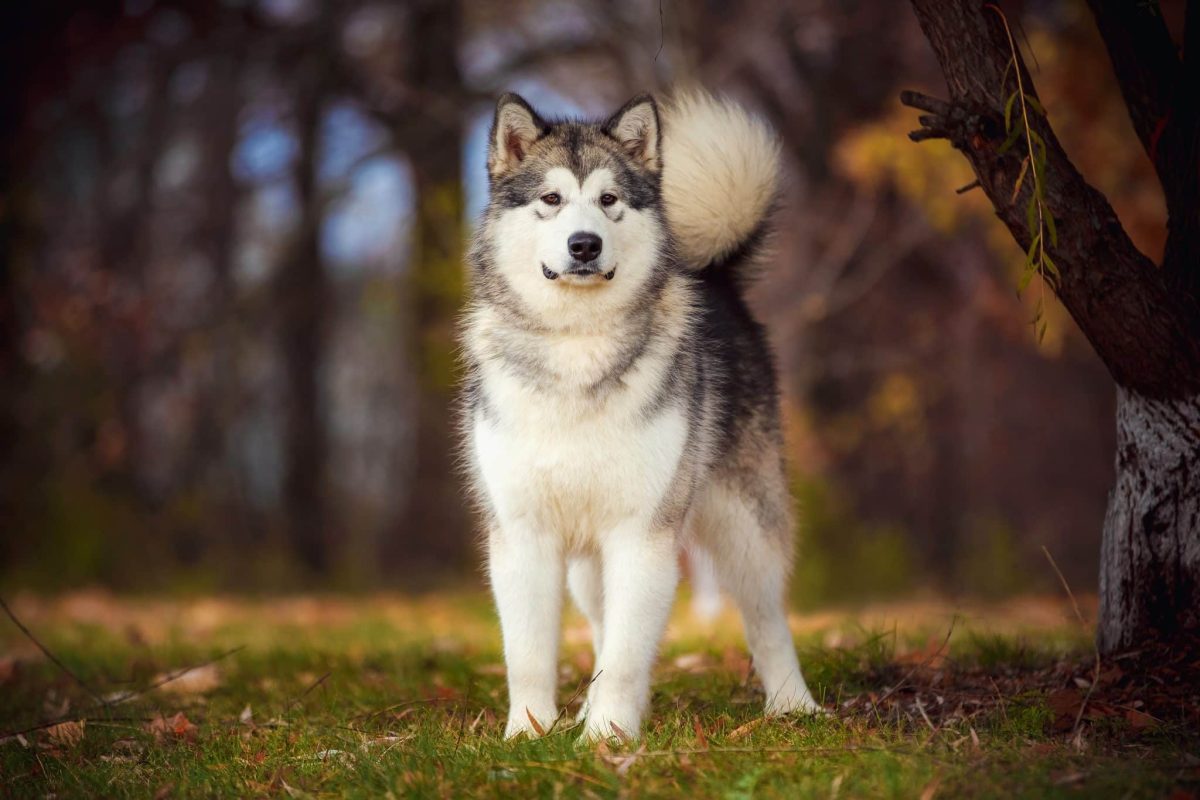
Alaskan Malamute
 Shutterstock
The Alaskan Malamute has deep roots among the Mahlemut people of Alaska, who relied on powerful dogs for hauling heavy loads in harsh Arctic conditions. Unlike sled dogs bred primarily for speed, Malamutes were valued for strength and endurance. Modern Malamutes often remain confident, affectionate, playful, and independent. Their size and strength make regular exercise and consistent training important, while their intelligence can lead to creative mischief when they are bored. They generally enjoy activities that give them a purpose, from long walks to interactive games. Although few modern Malamutes haul traditional loads, their working instincts remain visible in their powerful bodies, determination, and enthusiasm for activity.
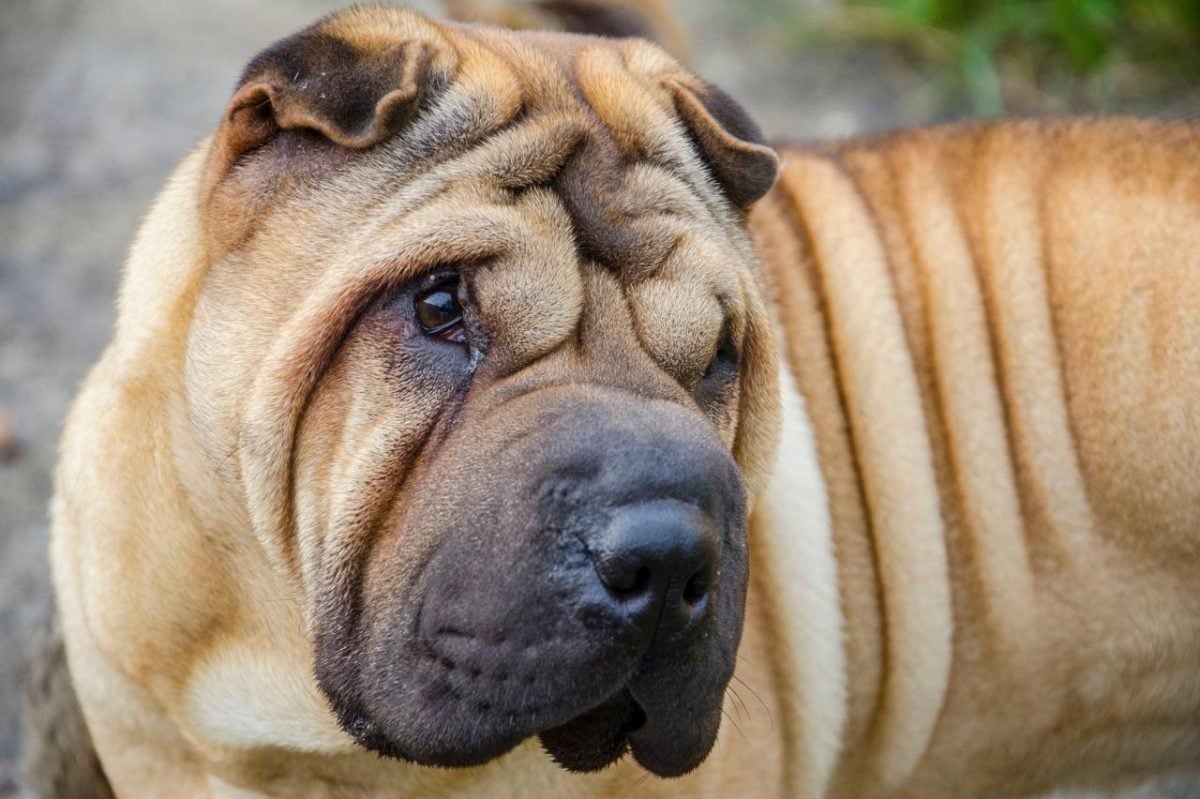
Chinese Shar-Pei
 Shutterstock
The Chinese Shar-Pei has ancient roots in China and was associated with farming, hunting, guarding, and other practical work. Its wrinkles, loose skin, sturdy body, and unusual appearance make it highly distinctive. Modern Shar-Peis are often loyal, independent, alert, and reserved. They can become deeply attached to their families while remaining cautious around unfamiliar people. Their independent nature makes early socialization and consistent training particularly valuable. Within the home, many Shar-Peis are affectionate but observant, often appearing to take household activities very seriously. Their ancient guardian instincts may still emerge when an unfamiliar noise demands immediate attention. This blend of devotion and watchfulness gives the breed a distinctive modern personality.
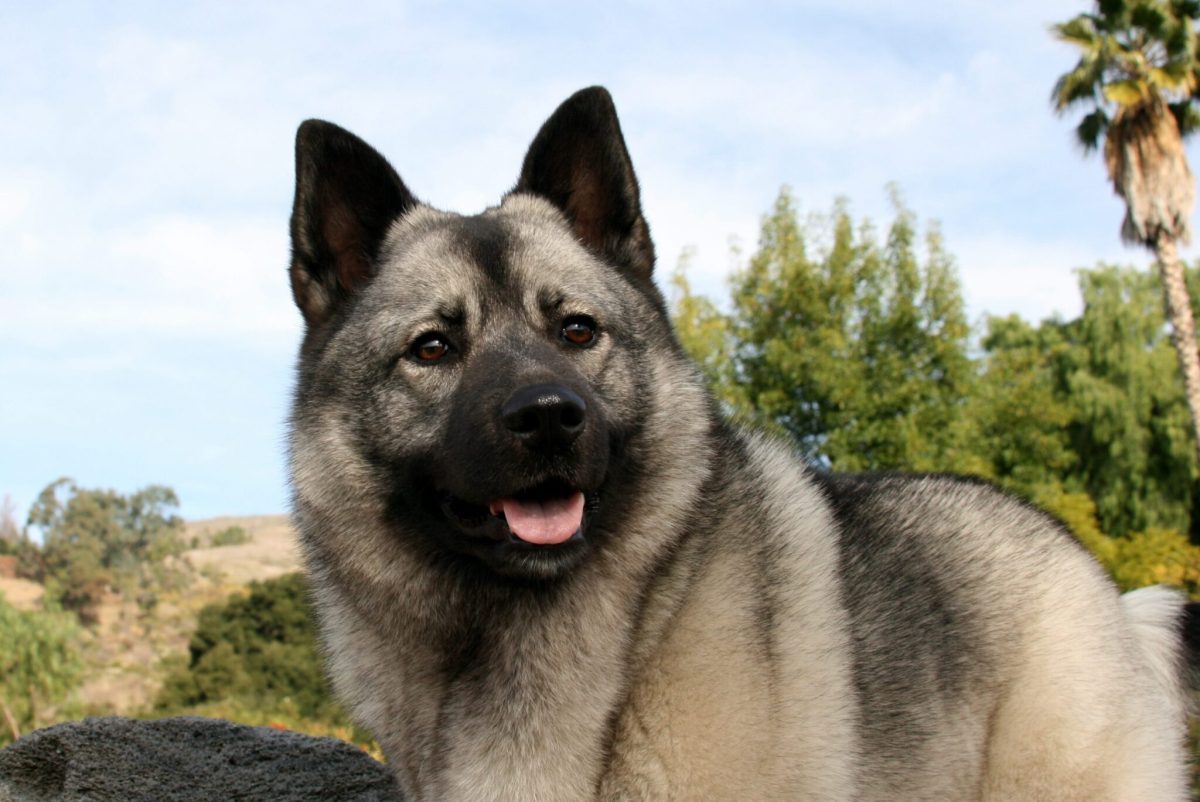
Norwegian Elkhound
 Shutterstock
The Norwegian Elkhound is a Scandinavian spitz breed with a history stretching back many centuries. It was traditionally used to hunt large game, including moose, and needed endurance, courage, alertness, and persistence. Modern Elkhounds remain energetic, intelligent, curious, and observant. Their hunting background can make them particularly interested in interesting scents and unfamiliar surroundings. They generally benefit from regular exercise and mental stimulation because their working instincts remain strong. Elkhounds can also be affectionate family companions while retaining their independent nature. A simple walk may feel like an important expedition to a dog whose ancestors were expected to track game across demanding Nordic landscapes.
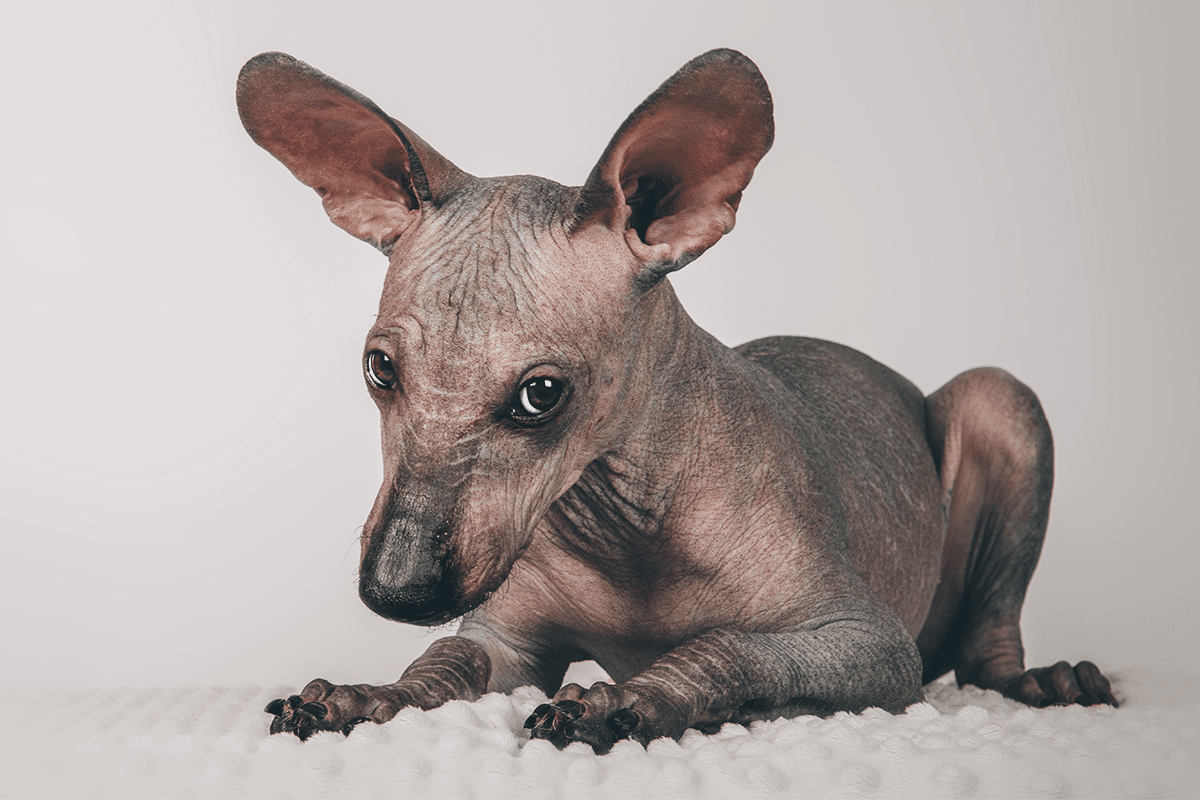
Xoloitzcuintli
 Shutterstock
The Xoloitzcuintli, commonly called the Xolo, has ancient roots in Mexico and is associated with pre-Columbian Indigenous cultures. Historical and archaeological evidence indicates that dogs resembling the Xolo existed in the region long before modern breed standards. The breed comes in hairless and coated varieties and has traditionally served as a companion as well as performing practical roles. Modern Xolos are often intelligent, affectionate, alert, and adaptable. They can form close bonds with their families and may be especially attentive to household routines. Their appearance is distinctive, but their thoughtful and devoted personalities are equally memorable. The Xolo demonstrates how an ancient breed can preserve its identity while fitting comfortably into contemporary family life.
When Ancient Dogs Meet Modern Household Chaos
 Shutterstock
Ancient dog breeds show that canine history remains alive in modern homes. Traits developed for hunting, guarding, hauling, and companionship influence behavior, from a Basenji’s independence to a Husky’s energy and a Tibetan Mastiff’s watchfulness. Their original jobs may have disappeared, but their instincts remain useful clues to personality. Ancient traits can also become entertaining in contemporary life. Hunters become explorers, guardians become household security officers, and sled dogs become exercise champions. Their history may be ancient, but modern habits include stealing snacks, claiming couches, and making opinions clear.
This content was created with AI assistance and edited by the iHeartDogs team.
 Toledo, United States.