
Known as the “gentle giants” of the canine world, Great Danes often leave an indelible impression on those they encounter due to their majestic size and imposing stance. But do their gargantuan proportions make them more prone to aggressive behaviors, or is their demeanor as gentle as folklore suggests? Let’s delve into the behavior and temperament of Great Danes to determine if aggression is a characteristic trait.
Introduction to the Great Dane
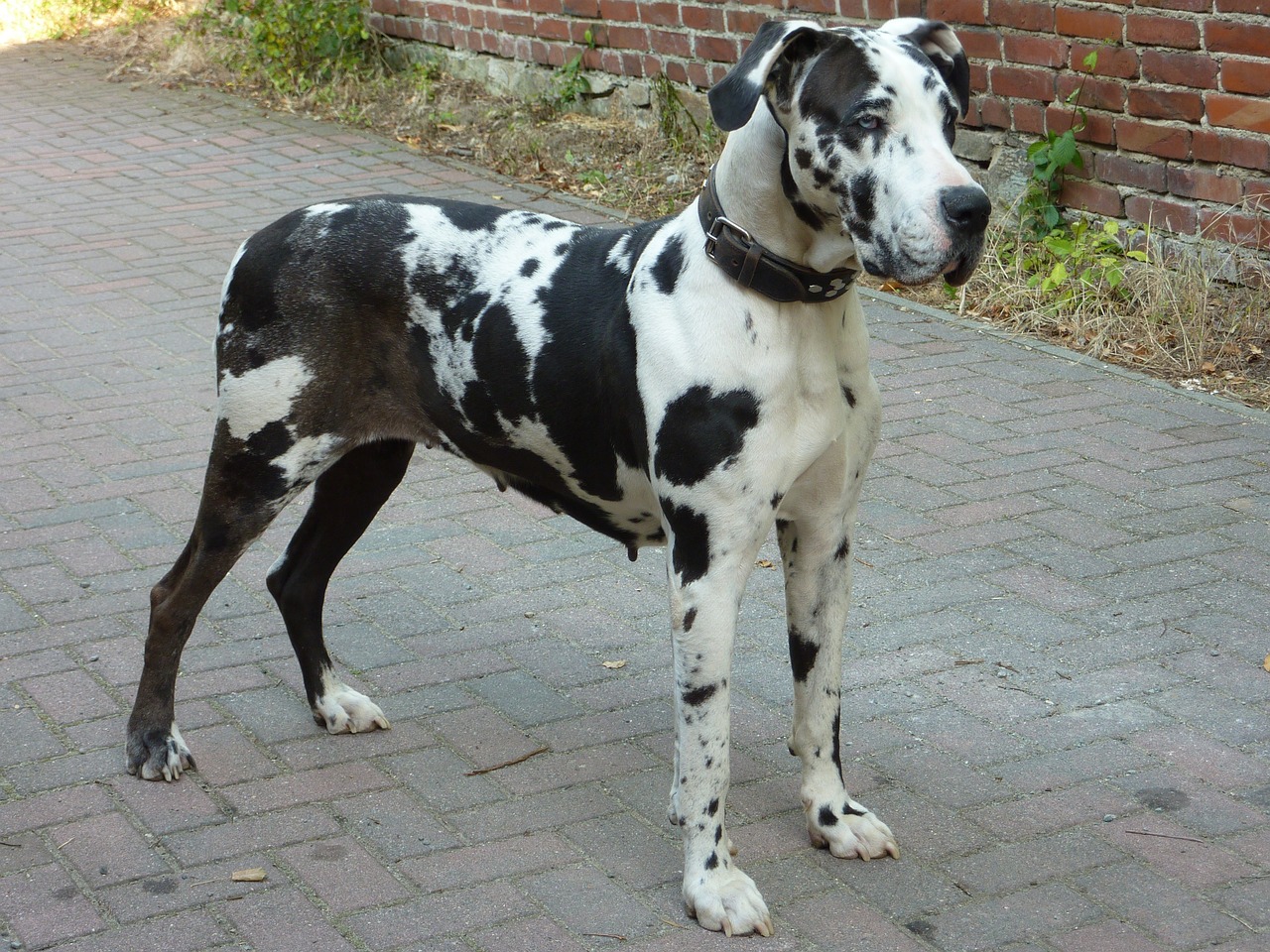
Great Danes are one of the largest breeds globally, with some individuals towering over most other dogs and even some humans when standing on their hind legs. Despite their intimidating size, they are often described as affectionate, loyal, and gentle, especially towards their family members.
The Natural Temperament of Great Danes
Great Danes are primarily known for their friendly and dependable nature. Historically bred as hunting dogs to track and hold boar, deer, and bear, their aggressive traits were purposely minimized over time to ensure they were safe around hunters. As a result, modern-day Great Danes tend to be sociable and good-natured, often seeking affection and companionship.
Effects of Training on Great Dane’s Behavior
Like any dog, the behavior of a Great Dane is profoundly influenced by its upbringing, particularly during its impressionable puppyhood days.
- Early Socialization: When Great Danes are introduced to various environments, people, and animals from a young age, they tend to grow up more balanced and less fearful. A well-socialized Great Dane is less likely to exhibit aggressive behaviors out of fear or unfamiliarity.
- Positive Reinforcement: Rewarding Great Danes for good behavior, rather than punishing them for bad behavior, is the most effective training method. Negative or punitive methods can promote distrust and potentially lead to aggressive tendencies.
The Role of Environment in Shaping a Great Dane’s Behavior
The environment in which a Great Dane is raised and resides plays a pivotal role in shaping its behavior.
- Stable Home Environment: Great Danes thrive in stable environments where routines are consistent. Any significant changes or upheavals can cause anxiety, which might manifest as aggressive behaviors in some cases.
- Space: Due to their large size, Great Danes need ample space to move around. A cramped environment can make them uncomfortable and possibly irritable.
- Interaction: Regular interaction with family members helps Great Danes stay mentally stimulated and emotionally satisfied. Neglected or isolated Great Danes may develop behavioral issues, including potential aggression.
Health Factors Influencing Aggression in Great Danes
Like any other breed, certain health issues can lead to changes in a Great Dane’s behavior. Conditions causing discomfort or pain, such as hip dysplasia—a common ailment in larger breeds—can lead to increased irritability or aggression. Regular health check-ups can help detect and address such issues, ensuring your Great Dane remains in good health and maintains its typical gentle demeanor.
Conclusion: Are Great Danes Naturally Aggressive?
While individual temperaments can vary, Great Danes are not inherently aggressive. Their historical evolution, combined with their natural disposition, leans towards a gentle and affectionate nature. However, factors such as upbringing, training, environment, and health can influence their behavior. With proper care, training, and socialization, Great Danes prove to be loyal and gentle companions, fully justifying their moniker as the “gentle giants” of the canine world.
Frequently Asked Questions About Great Danes & Aggression
1. Are Great Danes naturally aggressive?
No, Great Danes are not inherently aggressive. They are often called “gentle giants” due to their friendly and dependable nature. However, like all breeds, individual temperaments can vary based on various factors.
2. How does training influence a Great Dane’s behavior towards aggression?
Proper training from an early age helps in molding the behavior of a Great Dane. Using positive reinforcement techniques fosters trust and reduces any aggressive tendencies. Early socialization with different environments and beings ensures they grow up well-balanced.
3. Can the environment cause a Great Dane to become aggressive?
Yes, unstable or stressful environments can affect a Great Dane’s behavior. They thrive in stable routines, and changes can induce anxiety. Also, due to their size, they need ample space; cramped environments can make them irritable.
4. How essential is early socialization for a Great Dane’s temperament?
Early socialization is crucial for Great Danes. Exposing them to various situations, people, and animals during their puppyhood ensures they grow up to be well-adjusted adults less prone to aggression.
5. Do Great Danes get along with other animals?
Generally, Great Danes are sociable and can get along well with other animals, especially if they’ve been socialized from a young age. However, care should be taken during introductions to ensure positive interactions.
6. Can health issues lead to aggression in Great Danes?
Yes, certain health problems causing discomfort or pain can make a Great Dane more irritable or aggressive. Regular veterinary check-ups are essential to ensure they remain healthy and maintain their typically gentle nature.
7. Are male Great Danes more aggressive than females?
While there might be slight behavioral differences between males and females, aggression is not a gender-specific trait in Great Danes. Proper upbringing, training, and environment play a more significant role in determining behavior.
8. How do Great Danes typically react to strangers?
Great Danes are protective of their families and may be initially wary of strangers. However, with proper socialization and training, they generally behave neutrally or friendly once they assess there’s no threat.
9. What should I do if my Great Dane shows signs of aggression?
If your Great Dane displays aggressive behavior, it’s essential to consult with a professional dog trainer or behaviorist. They can evaluate the cause and provide guidance on managing and rectifying the behavior.
10. Are there benefits to adopting a Great Dane from a rescue or shelter?
Absolutely! Adopting a Great Dane from a rescue or shelter can be incredibly rewarding. These dogs often come with prior training, and you give a loving home to a dog in need. Moreover, rescues often provide valuable insights into the dog’s personality and behavior, ensuring a good match for potential adopters.
 Toledo, United States.