
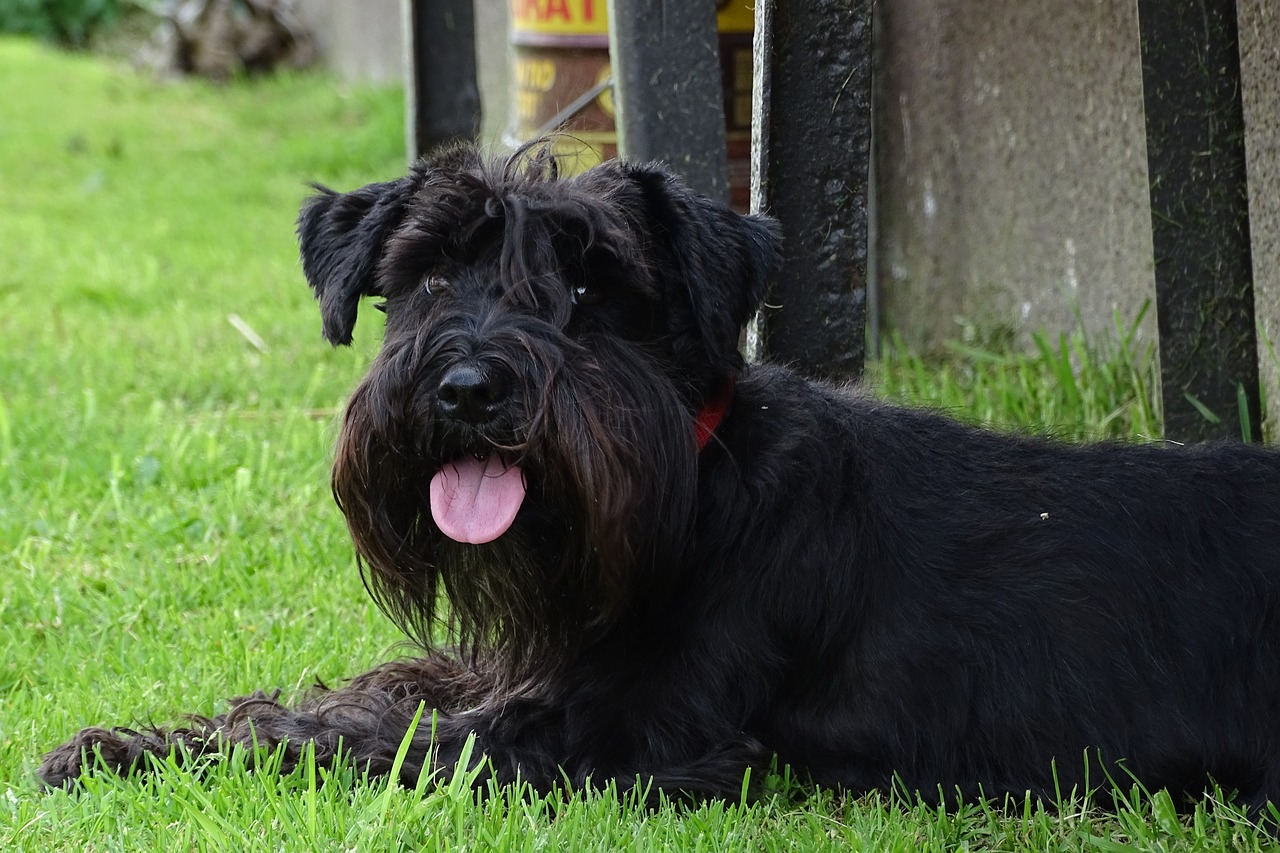
Schnauzers, with their characteristic beards, bushy eyebrows, and lively nature, have captured the hearts of many dog enthusiasts worldwide. Hailing from Germany, the Schnauzer is a breed with a rich history and is, in fact, divided into three size categories: Miniature, Standard, and Giant. Yet, a recurring question among potential dog owners remains, “Are Schnauzers aggressive?” This article delves deep into the temperament of Schnauzers, factoring in the impact of training and the environment.
The Historical Role of Schnauzers: Setting the Scene
Schnauzers, particularly the larger versions, were initially bred for work: herding, guarding, and ratting. The Miniature Schnauzer, smaller and more recent in terms of breed development, was primarily a ratter, working on farms to control vermin. Their historical roles required Schnauzers to be alert, intelligent, and occasionally assertive, but not necessarily aggressive.
Inherent Temperament: Do Schnauzers Naturally Lean Towards Aggression?
By nature, Schnauzers are known to be loyal, energetic, and protective. They’re also notably intelligent and often form strong bonds with their families.
- Miniature Schnauzers are typically lively and alert. They may bark to alert their owners but aren’t inherently aggressive.
- Standard Schnauzers are often considered the most sociable of the trio, balanced in temperament, and great family dogs.
- Giant Schnauzers are more protective and can be more assertive, given their history as working and guarding dogs.
It’s essential to differentiate between protective behavior and true aggression. While Schnauzers might be wary of strangers, with proper socialization, they don’t tend to be unjustifiably aggressive.
Training and Its Impact on Schnauzers’ Behavior
Training plays a pivotal role in shaping a Schnauzer’s behavior:
- Early Socialization: Introducing Schnauzers to a variety of scenarios, people, and pets during their puppy days can help in molding a well-adjusted adult dog. Given their natural wariness of strangers, this early exposure is especially vital.
- Consistency is Key: Schnauzers are smart, and while this makes them quick learners, it also means they can pick up bad habits if not consistently guided.
- Positive Reinforcement: Schnauzers respond best to positive training methods. Reward-based training, using treats or praise, works wonders with this breed.
Environmental Influences on Schnauzer Behavior
The environment a Schnauzer grows up in and lives can significantly impact its behavior:
- A Stimulating Environment: Schnauzers are intelligent dogs that thrive in environments where they can engage their minds and bodies. Activities, toys, and interactive sessions with their owners can keep them from becoming bored and potentially destructive.
- Clear Boundaries: Being naturally assertive, Schnauzers benefit from environments where boundaries are set early on. Knowing their limits helps them feel secure and less likely to exhibit aggressive tendencies.
- Family Dynamics: Schnauzers are family-oriented dogs. In households where they’re treated as part of the family, they flourish, showing affection and loyalty.
Schnauzers and Their Interactions with Other Pets
Due to their ratting history, particularly in Miniature Schnauzers, it’s valid to wonder how they fare with other pets:
- With Other Dogs: When socialized early, Schnauzers generally get along well with other dogs. Their lively nature means they often enjoy playtime with canine companions.
- With Smaller Pets: Given their history, some Schnauzers might be intrigued by smaller animals. However, with early introductions and supervision, many Schnauzers coexist peacefully with pets like cats or rabbits.
Addressing Any Aggressive Tendencies in Schnauzers
If a Schnauzer starts displaying aggressive behavior, it’s important to address it promptly:
- Rule out health issues by consulting a veterinarian.
- Assess their environment to ensure they’re stimulated and not stressed.
- Engage with a professional dog trainer or behaviorist to develop strategies for managing and redirecting aggressive tendencies.
Conclusion: Understanding the True Schnauzer Temperament
While Schnauzers can be protective and sometimes assertive, labeling them as aggressive is a misrepresentation. Proper training, a stimulating environment, and early socialization can bring out the best in Schnauzers, showcasing their loyalty, intelligence, and playful nature. Like with any dog breed, understanding and catering to their unique needs is the key to a harmonious relationship.
Frequently Asked Questions About Schnauzers & Aggression
1. Are Schnauzers naturally aggressive dogs?
No, Schnauzers are not naturally aggressive. They are loyal, intelligent, and protective, especially towards their family members. Their historical roles as herders, guards, and ratters have made them alert and assertive, but not inherently aggressive.
2. How does early socialization affect a Schnauzer’s temperament?
Early socialization is essential for Schnauzers. Exposing them to different situations, people, and animals in their formative months can prevent potential aggressive behaviors and ensure they’re well-adjusted adults. Proper socialization helps mitigate the natural wariness of strangers.
3. Can a lack of mental stimulation make Schnauzers aggressive?
Yes, like many intelligent breeds, Schnauzers require mental stimulation. Without it, they might become bored, which can lead to destructive or aggressive behaviors. Toys, training exercises, and interactive play sessions can help keep their minds engaged.
4. How do Schnauzers typically react to strangers?
Schnauzers are naturally wary of strangers. They might bark or act protective when someone unfamiliar approaches. However, with proper training and socialization, they can learn to differentiate between genuine threats and benign visitors.
5. How important is consistency in training for Schnauzers?
Consistency is vital for Schnauzers. They are quick learners, but without consistent guidelines, they might develop undesirable behaviors. Setting clear boundaries and maintaining them ensures that Schnauzers understand what’s expected of them.
6. Can Schnauzers coexist peacefully with other household pets?
Yes, while some Schnauzers, especially Miniature Schnauzers, have a historical background in ratting, they can coexist peacefully with other pets if introduced and socialized properly from a young age. Early exposure to other animals can help reduce any potential aggressive tendencies.
7. Do Schnauzers require a specific environment to thrive?
Schnauzers flourish in environments where they’re mentally and physically stimulated. They’re adaptable to both apartment living and homes with yards, as long as they receive regular exercise and have opportunities for mental engagement.
8. What should I do if my Schnauzer is showing signs of aggression?
First, consult a veterinarian to rule out any health issues. If health isn’t the concern, consider the dog’s environment, training, and social experiences. Consulting a professional dog trainer or behaviorist might be necessary to address and manage the aggressive behavior.
9. How do the different sizes of Schnauzers vary in temperament?
All Schnauzers have a loyal and protective nature. Miniature Schnauzers are lively and alert, Standard Schnauzers are sociable and balanced, while Giant Schnauzers can be more assertive due to their guarding background. Regardless of size, training, and socialization are key to ensuring a balanced temperament.
10. What are the benefits of adopting a Schnauzer from a rescue or shelter?
Adopting a Schnauzer from a rescue or shelter can be incredibly rewarding. Many rescued Schnauzers come with previous training and can adjust quickly to new homes. By adopting, you’re giving a Schnauzer a second chance at a loving home and helping to free up space for other animals in need. Additionally, supporting rescues and shelters promotes their important work in animal welfare.
 Toledo, United States.