
If you’ve ever wondered why so many Chihuahuas celebrate their 16th, 18th, or even 20th birthdays while Great Danes are considered seniors before they reach 10, you’re not alone. It’s one of the biggest mysteries in canine biology, and one that veterinarians and researchers continue to study.
In most animal species, larger animals tend to live longer than smaller ones. Mice live only a few years, while elephants and whales can live for decades. Dogs, however, are a fascinating exception. Within the same species, the smallest breeds often outlive the largest by many years.
So why do small dogs live longer than large dogs? The answer involves metabolism, growth rate, genetics, and how the body ages over time.

Small Dogs vs. Large Dogs: Average Lifespans
While every dog is an individual, size has a surprisingly strong influence on life expectancy.
On average:
- Toy and small breeds often live 12 to 16 years, with many reaching 17 or even 18.
- Medium-sized breeds typically live 10 to 14 years.
- Giant breeds often have average lifespans of only 7 to 10 years.
For example:
- Yorkshire Terriers commonly live 13–16 years or longer.
- Dachshunds frequently reach their mid-teens.
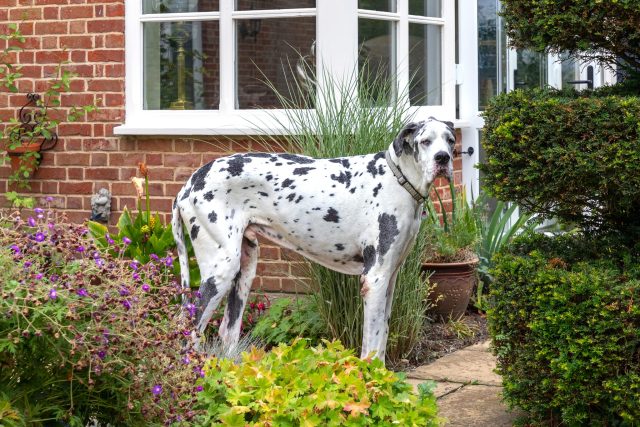
- Great Danes average around 7–10 years.
- Bernese Mountain Dogs often have even shorter average lifespans.
These differences are dramatic considering every breed belongs to the same species: Canis lupus familiaris.

The Old Theory: Metabolism Determines Lifespan
For many years, scientists believed lifespan was largely determined by resting metabolic rate.
The theory suggested that animals with faster metabolisms burn energy more quickly, producing greater amounts of unstable molecules called free radicals. Over time, these free radicals can damage cells, proteins, and DNA through a process known as oxidative stress. The accumulation of this damage was thought to contribute to aging.
Across many species, this idea appeared to fit:
- Mice have very fast metabolisms and relatively short lives.
- Elephants and whales have slower metabolisms and can live for many decades.
If this theory applied directly to dogs, small breeds, with their faster metabolisms, should have shorter lifespans than giant breeds.
But that’s exactly the opposite of what we see.

Why Dogs Are Different
Dogs challenge the traditional metabolism theory because all breeds belong to the same species, yet their body sizes vary tremendously.
Researchers now believe that rapid growth during puppyhood may play a much larger role than resting metabolism alone.
Large and giant breed puppies grow incredibly quickly. In just a year or two, they transform from tiny puppies into dogs weighing well over 100 pounds. That explosive growth requires intense cellular division and places significant demands on bones, joints, muscles, and internal organs.
Some scientists believe this accelerated growth may also accelerate the aging process, increasing the risk of:
- Cancer
- Orthopedic disease
- Heart disease
- Cellular damage
- Earlier organ decline
In other words, giant breeds may simply “age faster” at the biological level than their smaller counterparts.
Could Body Temperature Play a Role?
Researchers have also explored whether body temperature influences longevity.
Some studies suggest that animals maintaining slightly lower body temperatures may experience slower cellular aging because temperature affects metabolism inside individual cells. Lower temperatures may reduce the production of damaging oxygen free radicals and alter metabolic pathways associated with aging.
This remains an active area of research rather than a settled explanation, but it offers another intriguing clue about why lifespan differs among animals—and perhaps among dog breeds as well.
Genetics Matter, Too
Size isn’t the whole story.
A dog’s genes strongly influence both lifespan and susceptibility to disease. Scientists have found that certain biological markers of aging, including telomere length, correlate with longevity in dogs.
Telomeres are protective caps at the ends of chromosomes. Every time cells divide, these caps become slightly shorter. Eventually, critically short telomeres limit a cell’s ability to divide and repair tissues, contributing to aging.
Studies have found that dogs with longer telomeres generally have longer expected lifespans, suggesting genetics plays an important role alongside body size and growth rate.
Breed-specific inherited diseases also influence longevity. For example, giant breeds have higher rates of osteosarcoma, dilated cardiomyopathy, and certain other life-limiting conditions that are less common in many small breeds.

Can You Help a Large Dog Live Longer?
While you can’t change your dog’s genetics or adult size, you can help maximize both lifespan and quality of life.
The best ways to support longevity include:
- Feed a complete and balanced diet appropriate for your dog’s life stage.
- Keep your dog at a healthy body weight.
- Provide regular exercise without overworking growing large-breed puppies.
- Schedule routine veterinary wellness exams.
- Stay current on vaccinations, parasite prevention, and dental care.
- Address health concerns early before they become more serious.
Many large dogs can enjoy long, active, and happy lives with attentive preventive care.
The Real Reasons Small Dogs Tend to Live Longer

Small dogs generally live longer than large dogs, but not simply because of differences in metabolism. Modern research suggests the explanation is far more complex, involving rapid growth, cellular aging, genetics, oxidative stress, and possibly even body temperature.
 Toledo, United States.