
When temperatures start dropping, we reach for our jackets, scarves, and gloves before heading outdoors. But what about our dogs? They already have fur coats, so do they really need another layer to stay warm? As a veterinarian, I can tell you that the answer depends on the individual dog. Some dogs are perfectly comfortable playing in the snow, while others start shivering during a short walk on a chilly morning.
There are people who believe that dogs are animals and should be able to tolerate whatever Mother Nature throws at them. But I always remind people that our dogs are not wolves, and they are certainly not wild animals. Through generations of domestication and selective breeding, we have changed their physical characteristics and adapted them to live alongside us. Many of our dogs spend most of their lives in climate-controlled homes, sleeping on soft beds and enjoying the same comfortable temperatures we do.
As their caretakers, it is our responsibility to recognize when they need a little extra protection. A winter coat isn’t just a cute fashion accessory. For certain dogs, it can make a real difference in their comfort and safety during cold weather. So, how do you know if your dog needs a coat in winter? Let’s look at the factors I consider when helping pet parents make that decision.

Which Dogs Need Winter Coats?
Not all dogs tolerate cold weather the same way. A healthy Siberian Husky with a thick double coat is equipped to handle temperatures that might leave a Chihuahua trembling. However, breed alone doesn’t tell the whole story. Your dog’s coat type, size, age, body condition, and overall health all influence how well they can maintain their body temperature.
1. Dogs With Short, Thin, Or Hairless Coats
One of the first things I consider is the type of coat a dog naturally has. Fur provides insulation by trapping air close to the body, helping to conserve heat. Dogs with thick, dense undercoats generally have an advantage in cold weather because their fur is designed to provide an extra layer of protection.
Dogs with short, slick coats don’t have the same level of insulation. Breeds like Boxers, Doberman Pinschers, and Greyhounds may become uncomfortable in temperatures that wouldn’t bother a thick-coated dog. Hairless breeds, such as the Chinese Crested and American Hairless Terrier, have even less natural protection and may need clothing whenever outdoor temperatures become chilly.
Even dogs that normally have thick fur can become more sensitive to cold after a short haircut. If your dog has recently been groomed, consider whether the loss of that insulating hair might make a winter jacket helpful.
On the other hand, breeds like Huskies, Malamutes, and Newfoundlands have coats specifically adapted for colder climates. These dogs may not need additional clothing during ordinary winter activities, and an unnecessary coat could actually make them too warm.
2. Small Dogs And Dogs With Lean Bodies
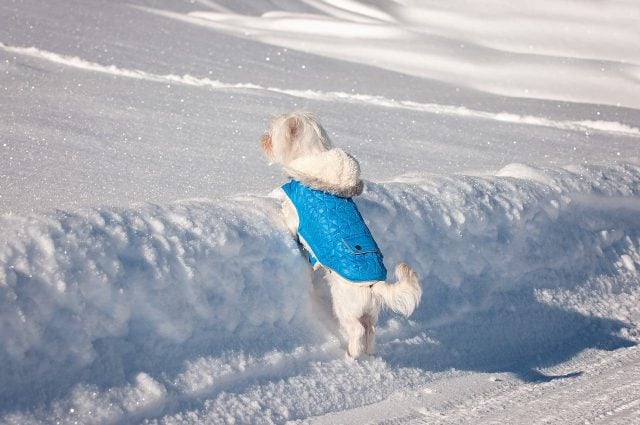
Have you ever noticed that little dogs seem to shiver more often than their larger companions? There is a physiological reason for this. Small dogs have a greater surface-area-to-body-mass ratio, which means they can lose body heat more quickly relative to their size.
Chihuahuas, Yorkshire Terriers, Miniature Pinschers, and other toy breeds may appreciate a warm sweater or jacket when temperatures drop. Their small size can make it harder for them to stay comfortable outdoors, especially when they are standing still or walking through snow.
Body condition matters, too. Lean dogs with very little insulating body fat may become chilled more easily. Greyhounds and Whippets are excellent examples. Their athletic builds are wonderful for running, but their thin coats and naturally lean bodies offer relatively little protection against winter weather.
Dogs with short legs may also benefit from extra coverage. Dachshunds and other low-to-the-ground breeds can have their bellies exposed to cold, wet grass or snow, making a jacket that protects the underside of the body especially useful.
3. Senior Dogs
Our senior dogs deserve special consideration during winter. As dogs age, changes in muscle mass, activity level, circulation, and overall health may affect how comfortably they tolerate temperature extremes.
Older dogs are also more likely to develop conditions such as osteoarthritis, which can make cold-weather activities particularly uncomfortable. Although cold temperatures do not cause arthritis, some dogs with joint disease seem stiffer or less willing to move when the weather is chilly.
If your senior dog hesitates at the door on cold mornings, moves more slowly during winter walks, or seems eager to return to a warm bed, pay attention. A properly fitted winter coat may help make outdoor activities more comfortable.
I also encourage owners of older pets to think beyond the coat itself. Shorter walks, warm bedding, and avoiding icy or slippery surfaces can all help senior dogs navigate winter more comfortably.
4. Dogs With Chronic Illnesses Or Health Problems
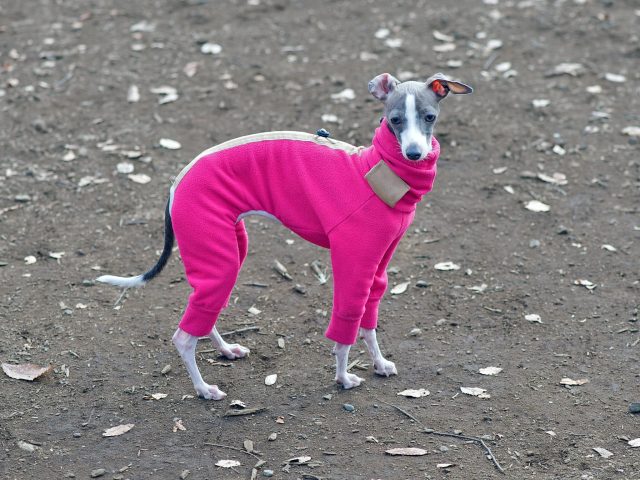
A dog’s health can significantly influence their ability to tolerate cold temperatures. Pets recovering from surgery, injury, or illness may have more difficulty maintaining their normal body temperature, especially if they are weak, inactive, or underweight.
Certain medical conditions can also interfere with normal temperature regulation. For example, dogs with hypothyroidism may have reduced cold tolerance. Dogs with significant muscle loss or other chronic health problems may also need additional protection during winter outings.
If your dog has an ongoing medical condition, I recommend discussing winter precautions with your veterinarian. A coat may be helpful, but it should be part of a larger plan that considers your dog’s overall health, activity level, and individual needs.
Remember that clothing cannot make prolonged exposure to freezing temperatures safe for a sick or vulnerable pet. Sometimes the best protection is simply limiting outdoor time.
How Cold Is Too Cold For A Dog Without A Coat?
This is one of the most common questions pet parents ask, and I wish there were a single temperature that applied to every dog. Unfortunately, there isn’t.
A healthy, active Labrador Retriever may be comfortable during a brisk winter walk that would be miserable for a tiny, short-haired dog. The temperature on the thermometer is only one piece of the puzzle.
As a general precaution, I suggest paying closer attention to cold-sensitive dogs when temperatures fall below about 45°F. Around freezing, many small, short-coated, elderly, or medically fragile dogs may need additional protection and shorter outdoor outings. In extreme cold, even dogs with thick coats can be at risk.
These are not absolute safety thresholds. Wind, precipitation, activity level, and the length of time your dog spends outdoors can make a tremendous difference.
Wind and moisture are especially important. A windy 40-degree day may feel much colder than a calm day at the same temperature. Wet fur also loses much of its insulating ability, making rainy or snowy conditions particularly uncomfortable.
A dog who is happily running around the yard may stay warmer than one who is standing still on a leash. Likewise, a five-minute bathroom break is very different from an hour-long hike.
Rather than relying on a specific number, I encourage pet parents to consider the entire situation and, most importantly, watch their dogs.
How Can I Tell If My Dog Is Too Cold?
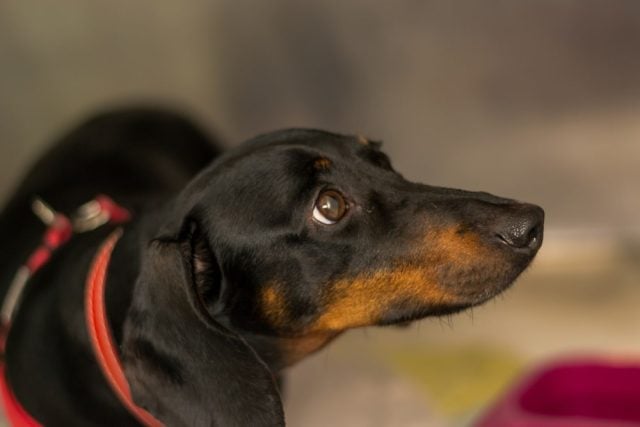
Dogs cannot tell us when they need a jacket, but they communicate discomfort in plenty of other ways. Learning to recognize the signs of cold stress can help you decide when your dog needs an extra layer or when it is time to head indoors.
Some common signs that your dog may be getting too cold include:
- Shivering or trembling
- Hunching the body or tucking the tail
- Lifting paws repeatedly off the ground
- Slowing down or becoming reluctant to walk
- Whining, appearing anxious, or seeking shelter
- Trying to turn around and head home
- Seeking warmth or pressing close to you
Shivering is an obvious clue, but it is not the only one. Some dogs become unusually quiet or reluctant to move when they are uncomfortable. Others may seem restless or repeatedly lift their feet because the ground is too cold.
If you notice these behaviors, bring your dog inside and help them warm up gradually. Don’t assume that putting on a thicker coat will solve the problem if your dog is already showing signs of significant cold stress.
Severe cold exposure can lead to hypothermia, a potentially life-threatening drop in body temperature. Weakness, confusion, difficulty walking, extreme lethargy, or collapse are emergency warning signs. A severely hypothermic dog may even stop shivering.
If you suspect hypothermia, move your dog to a warm, dry environment, wrap them in blankets, and seek immediate veterinary care. Avoid applying direct, intense heat, which can cause burns or other complications.
How To Choose The Best Winter Coat For Your Dog
If you’ve decided that your dog could benefit from a winter coat, the next step is finding one that actually provides comfort and protection.
There are countless dog jackets available, but I encourage owners to prioritize function over fashion. A coat may look adorable, but it isn’t doing your dog any favors if it restricts movement, rubs the skin, or becomes soaked during a walk.
Look For The Right Fit
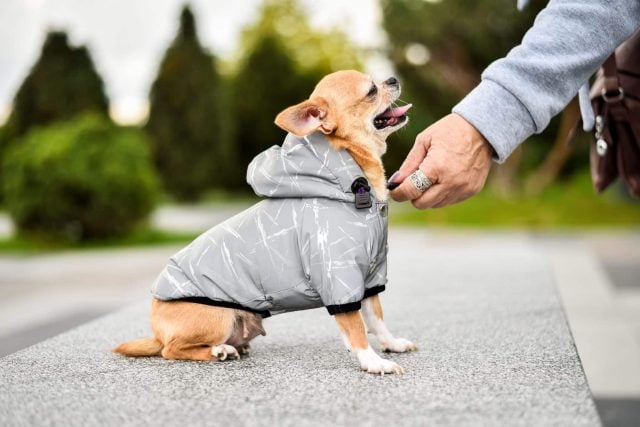
A properly fitted dog coat should cover the chest and much of the back without interfering with normal movement. Ideally, it should provide protection from the base of the neck toward the tail while allowing your dog to walk, run, and use the bathroom comfortably.
Check that the coat isn’t too tight around the neck, chest, shoulders, or legs. You should be able to slip your fingers beneath the fabric without difficulty, and your dog should be able to move naturally.
A coat that is too loose can also cause problems. Excess material may shift, bunch up, or become caught on objects.
Before purchasing a jacket, measure your dog’s chest circumference, neck, and back length according to the manufacturer’s instructions. Don’t assume that a coat labeled for a particular breed will automatically fit your dog.
Choose Materials Appropriate For The Weather
For dry, mildly chilly days, a lightweight fleece jacket or sweater may provide enough warmth. However, if your dog will be walking through snow, sleet, or freezing rain, a water-resistant or waterproof outer layer may be a better choice.
Insulated jackets can provide additional protection during colder conditions, while wind-resistant materials help reduce heat loss on blustery days.
I also recommend choosing fabrics that are easy to clean and dry. A damp, dirty coat can become uncomfortable and may irritate your dog’s skin.
Consider Safety And Visibility
Winter often means walking our dogs in the early morning darkness or after sunset. Reflective strips or bright colors can make your dog easier for motorists and other pedestrians to see.
Avoid coats with dangling decorations, loose straps, or small accessories that your dog might chew or swallow. If your dog wears a harness, make sure the jacket allows the harness to fit securely and function properly.
Most importantly, never leave your dog unattended in clothing that could become tangled or caught on furniture, fencing, or other objects.
What If My Dog Doesn’t Like Wearing A Coat?
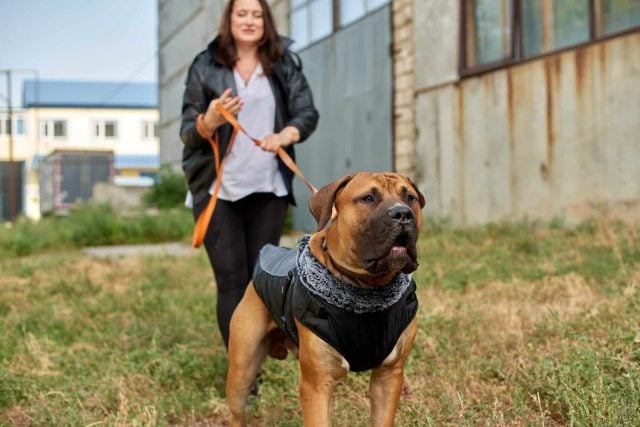
Some dogs seem perfectly happy to wear a sweater from the moment you put it on. Others act as though you’ve placed them in a medieval suit of armor!
If your dog has never worn clothing before, introduce the coat gradually. Let them sniff it, reward their curiosity, and practice putting it on for short periods indoors. Offer praise and treats to create a positive association.
Once your dog seems comfortable, encourage a little movement around the house before trying the coat outdoors.
Watch their body language carefully. If your dog freezes, repeatedly tries to escape the jacket, or appears distressed, don’t force the issue. Check the fit and consider trying a different style.
Some dogs simply dislike clothing. In those cases, shorter outdoor trips and a warm indoor environment may be better options.
Can A Dog Get Too Hot Wearing A Winter Coat?
Absolutely! We spend so much time worrying about dogs getting cold that it’s easy to forget they can also become overheated.
Dogs regulate their body temperature differently than humans, relying heavily on panting to release excess heat. A thick, insulated coat may trap too much warmth, especially during vigorous activity or when the weather is relatively mild.
This is particularly important for dogs with dense double coats. A Husky who is already well insulated may become uncomfortable wearing an additional jacket during exercise.
If your dog begins panting excessively, slowing down, seeking cooler surfaces, or appearing uncomfortable while wearing a coat, remove it and assess the situation.
I also recommend taking winter coats off when dogs come indoors, unless there is a specific reason they need additional warmth inside. A jacket that is comfortable on a cold walk may be much too warm in a heated living room.
Does My Dog Need Winter Boots, Too?
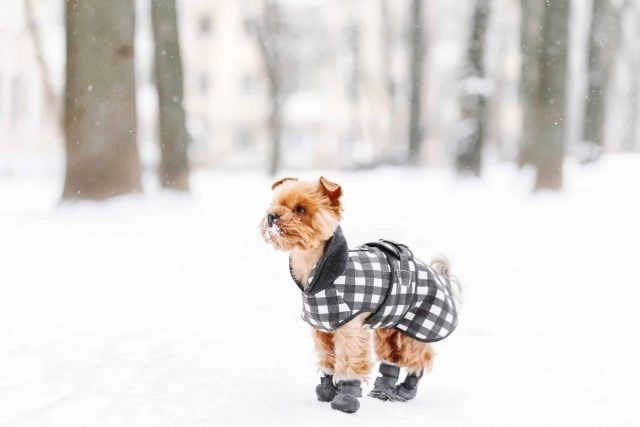
A coat protects your dog’s body, but it does very little for the paws. During winter, ice, snow, and chemicals used to melt ice can create additional hazards.
Road salt and some de-icing products can irritate paw pads. Snow and ice may also collect between the toes, particularly in dogs with long hair around their feet.
Winter boots can provide protection, especially for dogs who regularly walk on treated sidewalks or icy surfaces. However, just like coats, boots need to fit correctly and should be introduced gradually.
If your dog refuses to tolerate boots, consider limiting walks on heavily treated surfaces and wiping their paws thoroughly after coming indoors. Check between the toes for irritation, trapped ice, or debris.
Remember that a winter coat and boots do not make it safe to leave a dog outside indefinitely in freezing conditions. They are tools to improve comfort and reduce exposure, not substitutes for shelter and supervision.
Frequently Asked Questions About Dog Winter Coats
Should Dogs Wear Coats In Winter?
Some dogs should wear coats in winter, but not all dogs need them. Small breeds, short-haired dogs, hairless dogs, seniors, and dogs with certain health conditions are more likely to benefit from extra insulation. Healthy dogs with thick double coats may be comfortable without additional clothing, depending on the weather and their activity level.
At What Temperature Does A Dog Need A Coat?
There is no universal temperature at which every dog needs a coat. Some cold-sensitive dogs may benefit from a jacket when temperatures drop below approximately 45°F, while others remain comfortable at much lower temperatures. Consider your dog’s size, coat type, health, activity level, and the wind and moisture conditions rather than relying on temperature alone.
Do Dogs With Fur Need Winter Coats?
Having fur doesn’t automatically mean a dog is protected from the cold. Short, thin coats provide less insulation than dense double coats. Dogs with minimal body fat or certain health problems may also become chilled despite having fur.
Should My Dog Wear A Coat In The Snow?
A winter coat may help keep cold-sensitive dogs warmer and drier during snowy outings. Choose an insulated, weather-resistant jacket that fits properly, and monitor your dog for signs of discomfort. Even with a coat, limit exposure when conditions are especially cold or severe.
Should My Dog Sleep In A Sweater?
Most healthy dogs living in comfortably heated homes do not need to sleep in sweaters. Clothing worn overnight can become tangled, cause skin irritation, or contribute to overheating. If your dog seems cold indoors, provide a warm bed away from drafts and discuss any unusual cold sensitivity with your veterinarian.
Let Your Dog Tell You When It’s Time For A Coat
My best advice is to remember that you know your dog better than anyone. You see how they behave on chilly mornings, how eagerly they head outside, and whether they seem comfortable during winter walks. Those observations are valuable.
Our dogs have adapted to sharing our homes and our lifestyles. Many spend their days enjoying the same controlled temperatures that keep us comfortable, and some simply aren’t equipped to handle prolonged exposure to winter weather without a little help.
If you are reaching for your own winter jacket before heading outdoors, take a moment to consider whether your dog might appreciate one, too. Pay particular attention to small dogs, short-haired breeds, senior pets, and dogs with medical conditions. A comfortable coat, shorter walks, and a little common sense can go a long way toward keeping them safe.
After all, our dogs depend on us to make good decisions for them. Helping them stay warm and comfortable is just one more way we can return the unconditional love they give us every day.
