
iHeartDogs is reader-supported. Some of the links below may be paid affiliate links, where we receive a small commission on a product at no additional cost to you.
Diabetes mellitus, commonly referred to as diabetes, is a condition that affects the way a dog’s body uses sugar. As the number of diagnosed cases rise in our canine companions, it becomes crucial for pet parents to understand how to best manage this chronic condition. While insulin and dietary changes remain the cornerstone of diabetes management, certain supplements can complement these treatments to ensure that diabetic dogs lead healthier, more vibrant lives. Finding quality supplements can help you boost your diabetic dog’s health, giving them a longer, more fulfilling life.
Before starting a dog with diabetes on a new supplement, talk to your vet to make sure it’s beneficial for their health.

What Supplements Can Support a Diabetic Dog?
Diabetic dogs can benefit from certain supplements that help support overall health, stabilize blood sugar levels, and ensure the proper functioning of other systems that can be affected by diabetes. Here’s a rundown of some key supplements to consider.
Alpha-Lipoic Acid (ALA)
This powerful antioxidant assists with glucose metabolism and can help reduce the symptoms and progression of diabetes-related complications. It has been shown to improve insulin sensitivity in some studies.
Chromium
An essential trace mineral, chromium aids in the metabolism of glucose, enhances the effects of insulin, and can be beneficial in regulating blood sugar levels.
Omega-3 Fatty Acids
Found in fish oils, these fatty acids can help combat inflammation and protect against diabetes-related complications, such as diabetic neuropathy.
B Vitamins
Especially B12 and B7 (biotin). Biotin can enhance glucose utilization, and diabetic dogs often have a B12 deficiency, so supplementing can be beneficial.
Antioxidants
Vitamin E and Vitamin C can support overall health, combat oxidative stress, and help reduce inflammation that may result from diabetes.
Digestive Enzymes and Probiotics
These can help support digestive health, ensuring that diabetic dogs get the most nutrients out of their food and helping maintain a healthy gut microbiome.
Milk Thistle
Known for its liver-supportive properties, milk thistle can be beneficial since the liver plays an essential role in regulating blood glucose levels.
Fenugreek
Used traditionally for diabetes management in humans, fenugreek contains soluble fiber and other compounds that can help regulate blood sugar levels.
Gymnema Sylvestre
An herb used in traditional medicine to help manage sugar cravings and reduce sugar absorption in the intestines.
Dietary Fiber Supplements
Fiber can slow the absorption of glucose from the digestive tract, leading to more stable blood sugar levels.
Always consult with a veterinarian before introducing any new supplement into your dog’s diet. The veterinarian can provide recommendations tailored to your dog’s specific needs and monitor for any potential interactions or side effects.
Supplements for Dogs with Diabetes

- Contain prebiotics, probiotics, and digestive enzymes
- Soft, treat-like supplements
- Benefits your dog's digestion, skin, coat, and eyes
- Donates meals to shelter dogs
The iHeartDogs 3-in-1 Probiotic for Dogs with Pumpkin is a dog supplement that promotes healthy digestion and gut health to reduce tummy troubles in diabetic dogs. It combines probiotics, prebiotics, and digestive enzymes into a chewable form, making it convenient for dog parents. The supplement also boosts the immune system and is allergy-friendly, making it suitable for dogs with food sensitivities and allergies. Plus, every bag purchased donates 12 healthy meals to shelter dogs.

- Wild-caught pollock and salmon oil blend
- Supports skin, coat, joints, and heart health
- Rich in omega-3 fatty acids EPA and DHA
- Easy-to-use pump for mealtime support
The Zesty Paws Wild Alaskan Omega-3 Blend combines nutrient-rich pollock and salmon oil to provide dogs with essential omega-3 fatty acids that support overall wellness. Packed with EPA and DHA, this supplement promotes healthy skin, a shiny coat, joint mobility, immune support, and heart health. For diabetic dogs, maintaining healthy inflammation levels and joint comfort can be especially important, making omega-3 supplements a beneficial addition to their routine. The liquid formula is easy to serve by pumping directly onto your dog’s food, making it convenient even for picky eaters. Made from wild-caught fish sources, this blend is free from unnecessary fillers and provides a flavorful way to support your dog’s daily health and vitality.
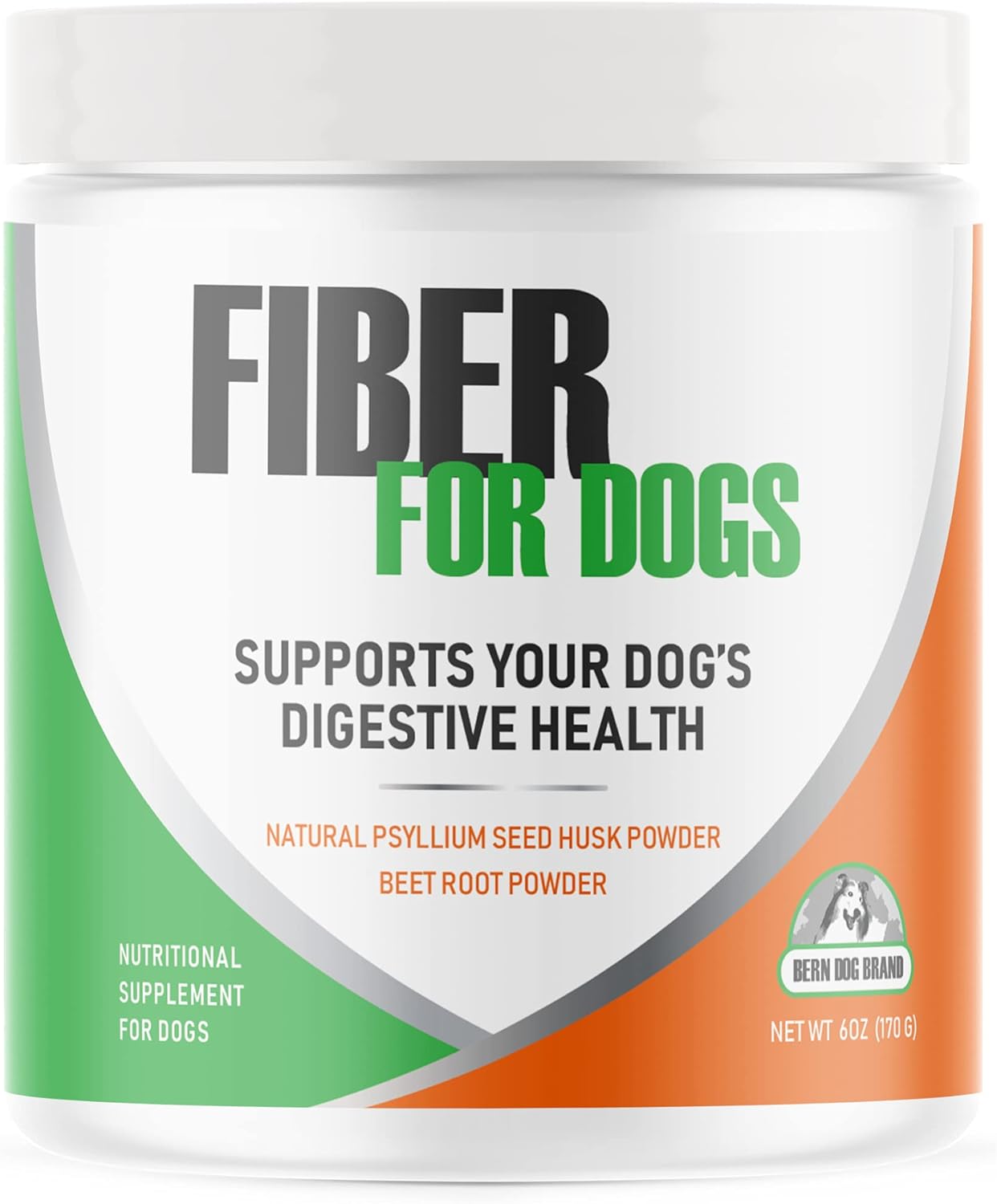
- Made of natural psyllium seed husk powder and beet root powder
- Vet-formulated
- Good for your dog's digestive and intestinal health
- Sprinkle supplement over dog's food
Fiber for Dogs is an all-natural product formulated to aid in various intestinal disorders in dogs, such as diarrhea, constipation, and anal gland issues. Developed in collaboration with a veterinarian, it contains premium ingredients including psyllium seed husk powder and dehydrated beet root powder. The product is made in the USA in a GMP-certified facility and is easy to use, convenient, portable, and safe. Additionally, it has a long shelf life and is suitable for travel. It’s a great way to help a diabetic dog maintain a healthy gut microbiome.
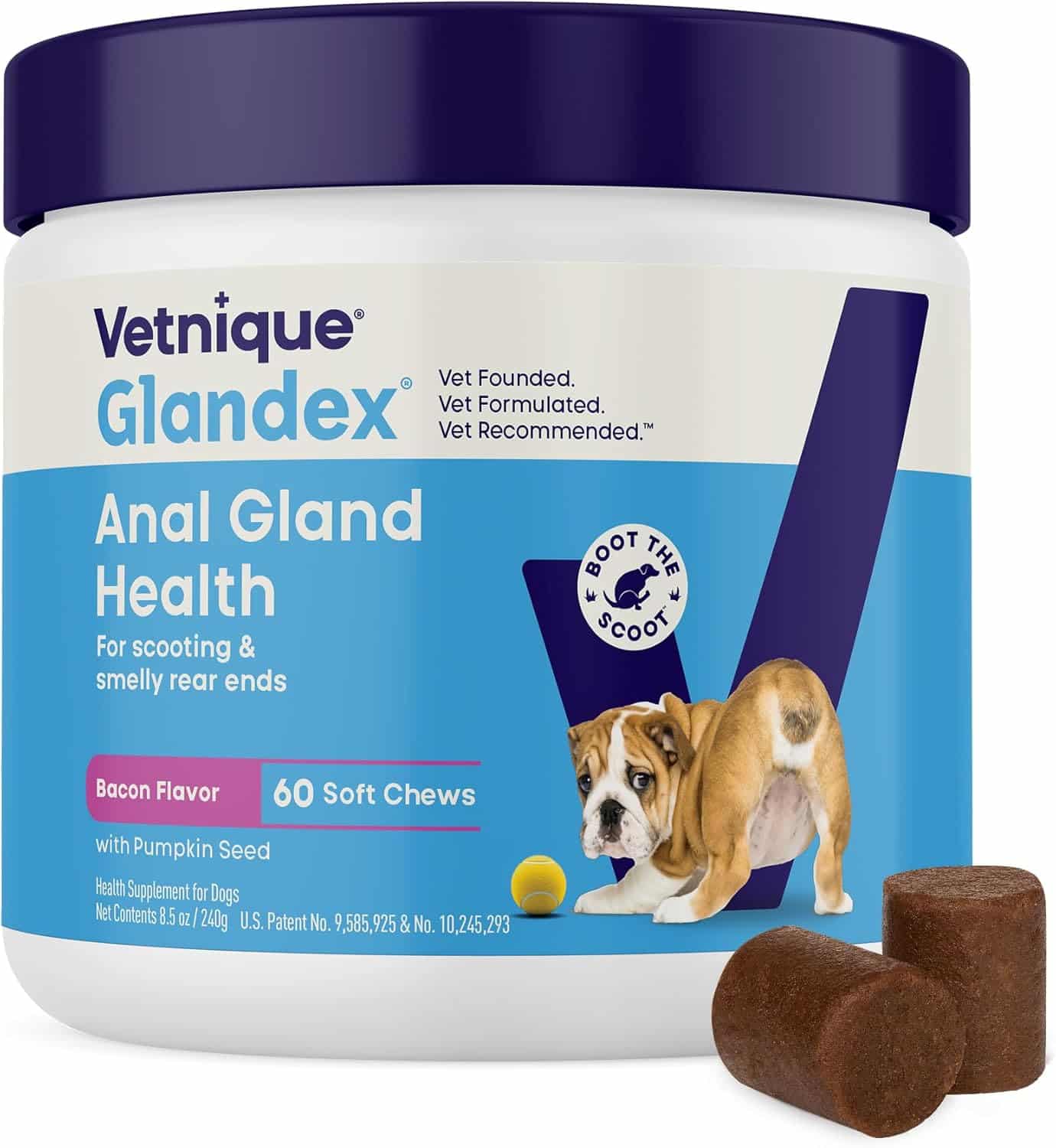
- Chewable treat-like supplements
- Supports healthy anal glands and digestion
- Blend of fiber, omega fatty acids, digestive enzymes, prebiotics, and probiotics
- Veterinarian-recommended
The Vetnique Labs Glandex Anal Gland Soft Chew Treats are a supplement designed to support healthy anal glands in dogs. The formula includes natural ingredients such as pumpkin seed, which promotes the natural emptying of the anal glands and supports digestive health and seasonal allergies. Vet-recommended and made in the USA, these soft chews come with a satisfaction guarantee and can help alleviate scooting in dogs within 3-5 weeks of use. Dogs with diabetes will have better-feeling tummies while taking these supplements.
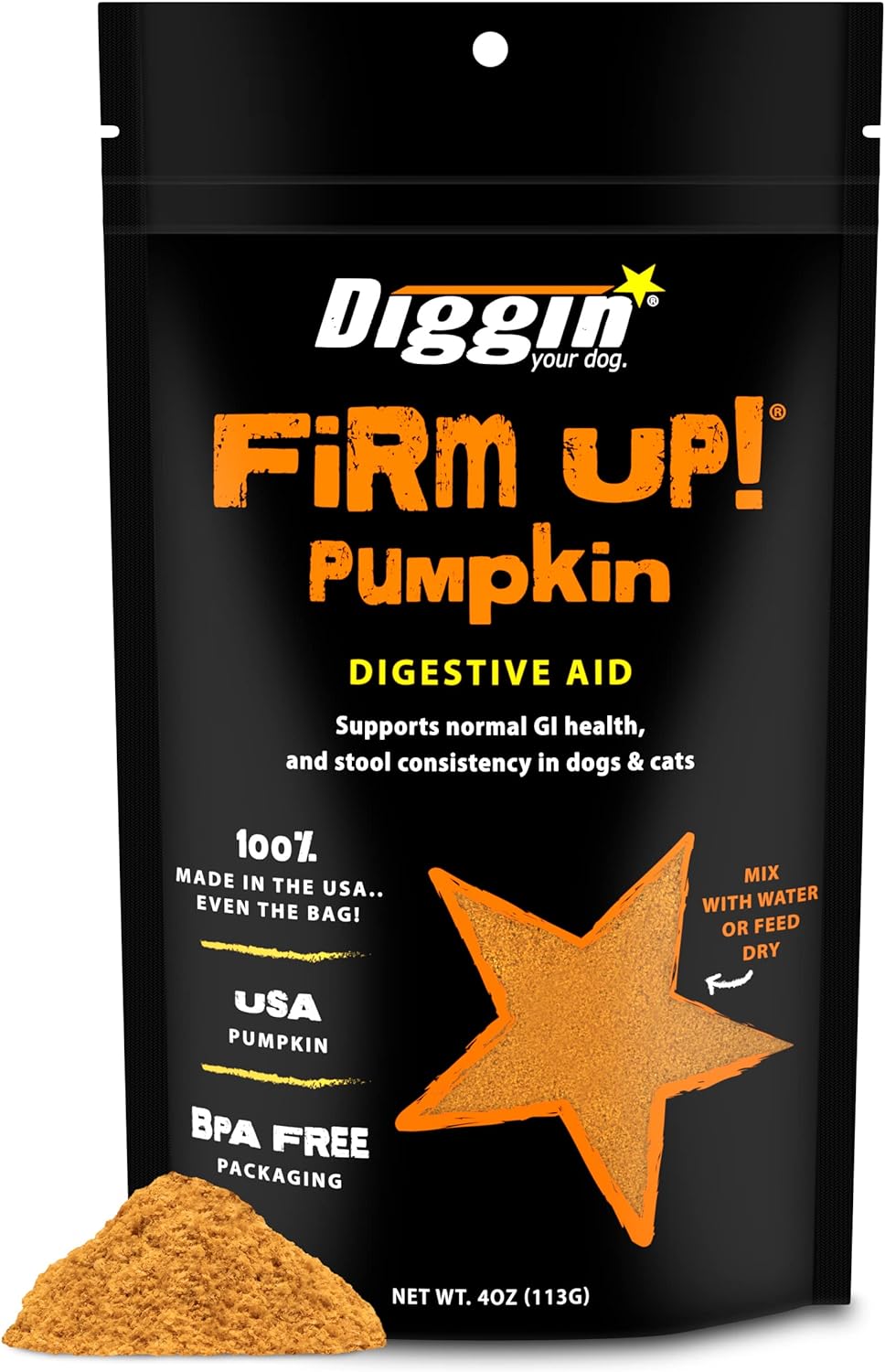
- Supports normal digestion and stool consistency
- Made with two simple ingredients: pumpkins and apples
- Works as a food topper for picky pups
- Mix with water or feed dry
Diggin’ Your Dog Firm Up Pumpkin is a 100% made-in-the-USA pumpkin powder supplement for dogs and cats. It provides digestive support, promotes healthy stool consistency, and aids in dietary transitions and anal gland health. The product is highly praised by both pets and their owners for its taste and convenience, as it can easily be mixed with water or food, or made into treats. It contains only two simple ingredients, pumpkin and apple pectin, and is recommended by veterinarians. It’s an easy way to give diabetic pups the digestive support they need.
Frequently Asked Questions
1. What Causes Diabetes in Dogs?
Diabetes in dogs is most commonly caused by a lack of insulin production by the pancreas (Type 1 diabetes), which is typically a result of genetic predisposition, autoimmune disease, or pancreatic damage. Factors like obesity, chronic pancreatitis, and certain medications can also increase the risk of developing diabetes. It’s important to note that lifestyle factors, particularly diet and exercise, can play a significant role in managing the condition.
2. What are the Symptoms of Diabetes in Dogs?
The symptoms of diabetes in dogs typically include increased thirst and urination, weight loss despite a normal or increased appetite, and reduced energy levels. Some dogs may also show signs of vision problems, recurrent infections, or a dull coat. Early detection and treatment are crucial for managing these symptoms and preventing further complications.
3. Is Diabetes in Dogs Reversible?
Diabetes in dogs is generally not reversible, and it’s a lifelong condition that requires ongoing management. Treatment typically involves insulin therapy, diet modifications, and regular exercise. However, early detection and proper management can help maintain a good quality of life for diabetic dogs.
4. Is Diabetes in Dogs Hereditary?
Diabetes in dogs can have a hereditary component, particularly in certain breeds that are genetically predisposed to the disease. However, genetics is just one factor, and environmental influences like diet, exercise, and overall health also play significant roles in the development of diabetes in dogs.
5. Are There Side Effects of Diabetes Supplements for Dogs?
Yes, like any supplements or medications, diabetes supplements for dogs can have side effects. These may include gastrointestinal upset, allergic reactions, or interactions with other medications. It’s crucial to monitor a dog’s response to any supplement and consult a veterinarian for guidance, especially when managing a complex condition like diabetes.
6. Can Diabetes in Dogs Be Prevented?
While not all cases of diabetes in dogs can be prevented due to genetic factors, the risk can be reduced through maintaining a healthy weight, providing a balanced diet, and ensuring regular exercise. Early detection and management of conditions that can lead to diabetes, such as obesity and pancreatitis, are also crucial in prevention efforts.
7. How is Diabetes in Dogs Diagnosed?
Diabetes in dogs is diagnosed through a combination of clinical signs and laboratory tests. Veterinarians typically perform blood and urine tests to check for elevated glucose levels. Persistent hyperglycemia (high blood sugar) and the presence of glucose in the urine are key indicators. Additional tests may include measuring fructosamine levels to assess long-term blood glucose control. Early diagnosis is crucial to managing diabetes effectively and preventing complications.

Supporting Your Dog’s Health With the Right Diabetes Supplements
Managing canine diabetes takes consistency, care, and the right nutritional support. The supplements above can help support blood sugar balance, energy levels, digestion, joint comfort, and overall wellness, so diabetic dogs can continue enjoying a happy, active life. When combined with guidance from your veterinarian, a healthy diet, regular exercise, and proper treatment, these supplements may make day-to-day diabetes management a little easier for both you and your pup.
 Toledo, United States.