
iHeartDogs is reader-supported. When you buy via links on our site, we may earn an affiliate commission at no extra cost to you.
Few things get a dog’s tail wagging faster than the promise of a delicious treat, and turkey dog treats are a tasty way to reward your favorite pup. Whether you’re practicing new tricks, celebrating good behavior, or simply sharing a little extra love, turkey-flavored snacks offer plenty of ways to make treat time special.
Turkey is a source of animal protein, and many dogs enjoy its savory flavor. The best turkey dog treats come in several varieties, including bite-sized training rewards, chewy jerky, freeze-dried organ meats, and long-lasting turkey tendon chews. Some feature simple ingredient lists, while others combine turkey with ingredients like sweet potatoes, pumpkin, or cranberries for additional flavor.
And while turkey might make you think of Thanksgiving dinner, these treats deserve a place in your dog’s snack collection all year long. We’ve gathered 11 turkey dog treats for different preferences and chewing styles, along with helpful information about whether dogs can eat turkey, its nutritional benefits, how to choose safe treats, and what to avoid when sharing turkey from your own kitchen.

11 Best Turkey Dog Treats for Training, Chewing, and Everyday Rewards
From tiny training bites to satisfying turkey tendon chews, these turkey dog treats offer something for different dogs and occasions. Consider your dog’s size, chewing habits, dietary needs, and favorite textures when choosing a new snack.
1.A Freschi All-Natural Turkey Tendon for Dogs
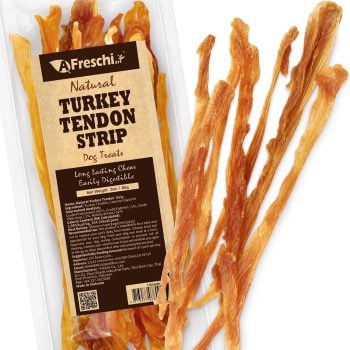
For dogs who love to settle down with something satisfying to chew, A Freschi All-Natural Turkey Tendon Dog Treats offer an alternative to traditional biscuits and soft snacks. Made with turkey tendon, these chews have a firm, chewy texture that encourages dogs to spend more time working on their treat. The turkey-based composition makes them an appealing option for pet parents interested in animal-protein chews rather than conventional rawhide. They’re especially worth considering for dogs who prefer a longer chewing experience over a treat that’s gone in seconds.
Turkey tendons can provide an enjoyable chewing activity, but they aren’t appropriate for every dog or chewing style. Choose a size suited to your pup, supervise chewing sessions, and remove pieces that become small enough to swallow whole. Dogs who aggressively gulp chews or have dental problems may need a softer alternative.

2. Natural Balance Rewards Minis Turkey Training Treats for Dogs
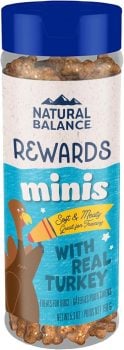
Training sessions are much easier when you have a reward your dog is excited to earn, and Natural Balance Rewards Minis Turkey Training Treats are designed with that purpose in mind. Their small size makes them convenient for practicing basic commands, reinforcing good manners, or rewarding your dog during walks. Turkey provides a savory flavor that can help keep your pup interested when you’re working on a new skill. They’re also a practical option when you want to give several small rewards without stopping to break apart larger treats.
These mini treats are especially useful for positive reinforcement training, where timing and consistency matter. Check the package for calories per piece and the complete ingredient list so you can account for repeated rewards throughout the day.
3.iPaw Turkey Tots Dog Treat
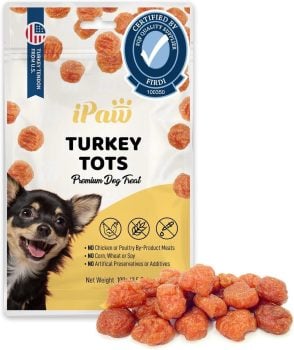
If your dog loves tender, meaty rewards, iPaw Turkey Tots Dog Treats are an appealing addition to the treat jar. These turkey-based bites offer a softer alternative to hard biscuits, making them convenient for rewarding your dog during training or everyday bonding moments. Their small format is useful when you want to offer a quick reward without interrupting playtime or practice. Turkey Tots can also bring a little variety to the routine of dogs who usually receive chicken or beef snacks.
Soft treats can be particularly handy for training because they’re generally quick to eat, allowing your dog to stay focused on the next cue. Always select pieces appropriate for your dog’s size and follow the package’s age and feeding recommendations, especially when treating puppies.
4.Dogs Love Turkey & Sweet Potato Jerky Dog Treats
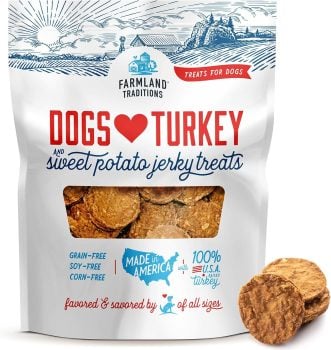
Turkey and sweet potato make a tempting combination for dogs who enjoy savory meat treats with a little something extra. Dogs Love Turkey & Sweet Potato Jerky Dog Treats combine poultry flavor with a familiar vegetable ingredient in a jerky-style snack. Their chewy texture makes them a nice alternative to crunchy biscuits, while the strip-style format can offer flexibility when rewarding dogs of different sizes. These treats are worth considering for pups who enjoy taking their time with a meaty snack.
Jerky treats can be particularly convenient when you want to offer a larger reward after a successful training session or an exciting outdoor adventure. Depending on the texture, you may be able to divide pieces into smaller portions, but always check that the pieces are safe for your dog’s chewing ability. Read the label for the complete ingredients, especially if your dog has dietary restrictions.
5.Farm Hounds Premium Bite-Sized Turkey Training Treats
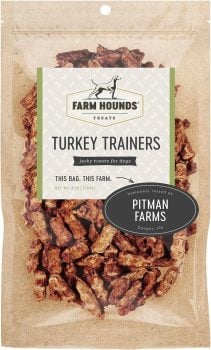
Farm Hounds Premium Bite-Sized Turkey Training Treats are an excellent option to explore for pet parents who prefer straightforward, meat-focused rewards. The bite-sized format is especially convenient for training, when you might offer several rewards in a short period. Farm Hounds emphasizes animal-based ingredients and farm sourcing, making the brand appealing to shoppers who want to know more about where their dog’s treats come from. These turkey bites can be useful for everything from teaching a puppy to sit to reinforcing polite behavior on walks.
Small training treats help keep reward sessions moving without requiring your dog to stop and chew a large snack. Even with meat-based treats, it’s important to check the current ingredient list, calorie content, and feeding directions. Dogs with medically managed diets should only receive treats approved for their specific needs.
6.Turkey & Pumpkin Dog Jerky Treat
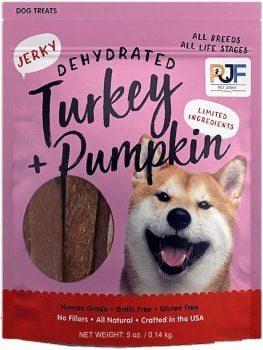
Turkey and pumpkin are a natural pairing for a dog treat that feels a little festive without being limited to the holidays. These Turkey & Pumpkin Dog Jerky Treats combine savory poultry flavor with pumpkin in a chewy snack that can be enjoyed throughout the year. Pumpkin is a familiar ingredient in many dog foods and treats, and its mild flavor complements meat-based recipes. The jerky format also provides a different experience from bite-sized training treats or crunchy biscuits.
This combination is especially fun when autumn arrives, but there’s no reason your pup can’t enjoy turkey and pumpkin during spring or summer. Keep in mind that a treat containing pumpkin isn’t necessarily a digestive-health product, and its nutritional value depends on the complete recipe. Check the packaging for ingredients and portion sizes before adding it to your dog’s routine.
7.Vital Essentials Freeze-Dried Dog Treats, Turkey Giblets
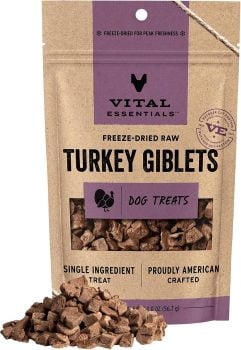
For dogs who enjoy rich, meaty flavors, Vital Essentials Freeze-Dried Turkey Giblets offer something different from traditional turkey breast treats. Giblets are organ meats, and their distinctive taste and aroma can make them appealing to dogs who love animal-based snacks. The freeze-dried format creates a convenient treat that can be offered as a reward or incorporated into a varied treat rotation. It’s an interesting choice for pet parents looking beyond standard biscuits and jerky strips.
Organ meats can be nutrient-rich, but they should still be served in moderation as part of an overall balanced diet. Because some freeze-dried meat products are raw, review the package’s processing and handling instructions carefully. Wash your hands after handling treats and avoid assuming that freeze-drying eliminates all potential foodborne pathogens.
8. Full Moon Turkey Cranberry Sausage Dog Treats
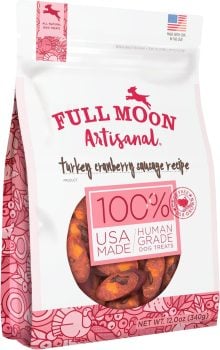
Turkey and cranberries might remind you of a holiday feast, but Full Moon Turkey Cranberry Sausage Dog Treats make this flavor combination available whenever your pup deserves something special. These sausage-style treats combine savory turkey flavor with the sweet-tart appeal of cranberries for a snack that stands out from ordinary dog biscuits. Their meaty format makes them a fun option for dogs who prefer tender rewards over crunchy snacks. They also offer a way to bring a little Thanksgiving-inspired flavor to treat time without sharing seasoned leftovers from your dinner plate.
These treats can be enjoyed year-round, whether you’re celebrating a special occasion or simply rewarding your dog for being wonderful. Cranberries used in dog treats are different from sweetened cranberry sauces prepared for people, so always choose a product formulated specifically for dogs. Check the label for portion recommendations and any ingredients your pup needs to avoid.
9.etta says! Yumm Sticks Human-Grade Turkey Dog Treats
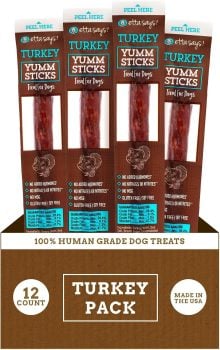
Sometimes a dog wants something more exciting than a tiny training bite, and etta says! Yumm Sticks Turkey Dog Treats offer a stick-style alternative. Their turkey flavor and chewy format make them an appealing choice for dogs who enjoy meaty snacks with a little more substance. Stick treats can be convenient for special rewards, travel, or simply adding variety to your dog’s regular treat selection. The human-grade positioning may also interest pet parents who pay close attention to how their dog’s snacks are made.
Although stick treats can feel more substantial than small biscuits, they still count toward your dog’s daily treat allowance. Choose an appropriate serving size, supervise your pup, and follow the package directions for safe feeding. If your dog tends to swallow large pieces without chewing, smaller and softer rewards may be a better choice.
10.Bocce’s Bakery Turkey & Sweet Potato Flavor Jerky
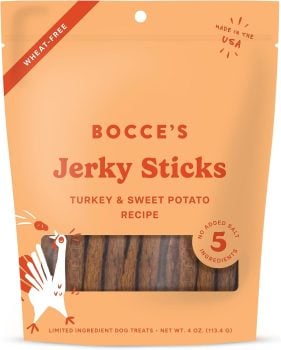
Bocce’s Bakery Turkey & Sweet Potato Flavor Jerky brings together two familiar dog-friendly flavors in a snack made for pups who love chewy treats. Turkey adds savory appeal, while sweet potato contributes another ingredient dogs commonly encounter in commercial foods and treats. The jerky-style presentation offers a satisfying alternative to crunchy baked biscuits, making it a good option for adding variety to your dog’s snack collection. It’s also a convenient choice for pet parents who enjoy keeping several treat textures on hand for different occasions.
These treats can work well as occasional rewards during walks, playtime, or quiet moments at home. As with any jerky product, check the texture and portion size before serving, particularly for smaller dogs or those with chewing difficulties. Review the full ingredient list rather than assuming every turkey-and-sweet-potato recipe has the same nutritional profile.
11.Nature Gnaws USA Turkey Tendons Dog Treats
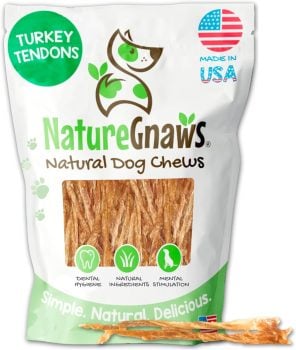
For dogs who would rather chew than crunch, Nature Gnaws USA Turkey Tendons Dog Treats offer another turkey-based option to consider. These tendon chews provide a different experience from quick training rewards, giving dogs something to work on while enjoying a savory animal-protein snack. Their simple, meat-focused style may appeal to pet parents looking for alternatives to conventional rawhide. They’re especially interesting for dogs who enjoy chewing activities as part of their daily enrichment routine.
The biggest consideration with turkey tendon treats is choosing the right chew for your individual dog. Chews can soften, splinter, or break into smaller pieces depending on the product and your dog’s chewing style, so active supervision is essential. Remove any piece that becomes a choking hazard, and avoid giving hard chews to dogs with fragile teeth or a history of swallowing treats whole.
Can Dogs Eat Turkey?
Yes, most healthy dogs can eat small amounts of plain, fully cooked turkey. Turkey provides animal protein and can be a tasty occasional addition to a dog’s diet when it’s prepared without ingredients that could cause problems.
However, there’s a big difference between plain cooked turkey and the seasoned turkey served at a holiday gathering. Butter, rich sauces, onions, garlic, and other ingredients commonly used in human recipes can make an otherwise suitable meat unsafe for dogs.
If you want to share turkey with your pup, choose a small portion of fully cooked, boneless, skinless meat without added seasonings. Let it cool and cut it into manageable pieces before serving, and remember that plain turkey should be an occasional treat rather than a replacement for complete and balanced dog food.
What Are the Benefits of Turkey Dog Treats?
Turkey dog treats can be a useful addition to your dog’s reward routine, especially when you choose products that fit their nutritional needs and chewing habits. The benefits depend on the actual ingredients, processing methods, and serving sizes rather than the word turkey alone.
Turkey Is a Source of Animal Protein
Turkey provides protein, which supports muscle maintenance and many essential functions throughout a dog’s body. It also contains nutrients such as B vitamins, selenium, and phosphorus, although the amounts vary by cut and preparation method.
A turkey treat can contribute small amounts of these nutrients, but treats aren’t intended to provide complete daily nutrition. Your dog’s regular balanced food should remain the foundation of their diet.
Some Turkey Treats Can Be Relatively Lean
Skinless turkey breast is generally a lean protein source, making it a useful ingredient in certain dog treats. However, turkey jerky, sausage treats, organ meats, and tendon chews can have very different fat and calorie levels.
If you’re choosing treats for a dog who needs to manage their weight, check the calories per serving rather than relying on turkey’s reputation as a lean meat. Small, easy-to-portion training treats may be particularly useful when you want to reward your pup frequently.
Turkey Offers Variety for Dogs Who Love Meat
Dogs can develop strong preferences for particular flavors and textures, and turkey provides another option beyond familiar chicken or beef treats. Some dogs enjoy turkey jerky, while others prefer tender training bites or longer-lasting chews.
Offering a variety of appropriate treats can make training and enrichment more interesting. Introduce new products gradually so you can watch for digestive upset or other reactions.
Turkey May Be an Alternative Protein for Some Dogs
Turkey can be an alternative to other animal proteins, but it isn’t automatically hypoallergenic. Dogs can develop allergies to turkey, and a protein is only considered novel for an individual dog if that dog hasn’t previously been exposed to it.
If your dog has a suspected food allergy, ask your veterinarian about an appropriate elimination diet before introducing new treats. Even products marketed as limited-ingredient treats may contain additional proteins or ingredients that interfere with dietary trials.
How to Choose the Best Turkey Dog Treats
The best turkey dog treat isn’t necessarily the one with the fanciest packaging or the longest ingredient list. It’s the one that fits your dog’s size, health needs, preferences, and the way you plan to use it.
1. Look at the Turkey Ingredients
Some products use turkey meat as a primary ingredient, while others contain turkey alongside sweet potatoes, pumpkin, cranberries, or other ingredients. Turkey-flavored products may also contain other animal proteins, so it’s important to read the complete label.
If you’re shopping for a specific protein source, check exactly what the manufacturer lists. This matters especially for dogs with allergies or veterinarian-directed dietary restrictions.
2. Choose the Right Texture
Soft turkey treats are convenient for training because dogs can usually eat them quickly and return their attention to you. Jerky offers a chewier experience, while turkey tendons are intended for more extended chewing sessions.
Older dogs and dogs with dental problems may need softer rewards, while enthusiastic chewers require careful supervision with any long-lasting chew. Never assume a product is safe for every dog simply because it’s sold as a natural treat.
3. Check the Calories Per Treat
Training can involve many rewards in a single session, so small differences in calories can add up. A bite-sized treat may be easier to incorporate into your dog’s daily allowance than a large sausage stick or chew.
As a general guideline, treats and other extras should make up no more than approximately 10% of your dog’s daily calorie intake. Dogs on weight-management or prescription diets may need a different plan from their veterinarian.
4. Consider Your Dog’s Age and Size
A treat that’s appropriate for a large adult dog may be too hard or too big for a small puppy. Likewise, a tiny training bite may be swallowed whole by a dog who tends to gulp food.
Check the manufacturer’s recommendations for age, weight, and chewing ability. Break treats into smaller pieces when appropriate, and avoid offering chews that could become choking hazards.
5. Understand the Difference Between Jerky and Tendon Chews
Turkey jerky is typically a meat-based snack that dogs chew and swallow, while turkey tendon products are designed to provide a more sustained chewing experience. Both can be enjoyable, but they serve different purposes.
Tendon chews require especially close supervision because dogs may attempt to swallow large softened pieces. They also shouldn’t be assumed to clean teeth or replace regular brushing and veterinary dental care.
6. Review Processing and Storage Instructions
Some turkey treats are cooked, baked, or dehydrated, while others are freeze-dried and may contain raw ingredients. These methods affect texture, handling requirements, and potential food-safety considerations.
Read the packaging for storage instructions, expiration dates, and safe handling information. Wash your hands after handling animal-based treats, especially those labeled as raw.

Can Dogs Eat Thanksgiving Turkey?
Thanksgiving turkey can be tempting for dogs, especially when the kitchen is filled with delicious smells. However, holiday turkey often comes with ingredients that aren’t suitable for pets, including butter, fatty skin, gravy, stuffing, onions, garlic, and heavy seasonings.
If you’d like your dog to enjoy a little turkey during the holiday, set aside some plain meat before seasoning it. Cook it thoroughly, remove all bones and skin, and offer only a small amount as an occasional treat.
Turkey Foods Dogs Should Avoid
- Turkey bones: Cooked bones can splinter, and both cooked and raw bones can create choking or digestive injury risks.
- Turkey skin: Its high fat content may cause digestive upset and can be especially problematic for dogs prone to pancreatitis.
- Onions and garlic: These ingredients are toxic to dogs and may appear in stuffing, gravy, and seasoning blends.
- Turkey gravy: Human gravy can contain excess fat, salt, onions, garlic, and other unsuitable ingredients.
- Stuffing: Common recipes include onions, garlic, butter, and seasonings that shouldn’t be shared with dogs.
- Deli turkey: Processed turkey may contain excessive sodium and added flavorings.
- Raw turkey: Raw poultry can carry harmful bacteria that pose risks to pets and people.
A turkey dog treat made specifically for pets is often an easier way to include your pup in the celebration. That way, your dog can enjoy a special snack without needing to sample the seasoned leftovers from your plate.
Are Turkey Tendon Chews Safe for Dogs?
Turkey tendon chews can be appropriate for some dogs, but they aren’t risk-free. Their firm texture can provide an enjoyable chewing activity, yet large pieces, aggressive chewing, and swallowing without proper chewing can create choking or digestive hazards.
Always select a chew that’s appropriately sized for your dog and supervise the entire session. Remove the chew when it becomes small enough to swallow, and avoid giving hard chews to dogs with dental problems or a tendency to gulp treats.
It’s also important to remember that chewing on a tendon doesn’t replace regular dental care. Brushing your dog’s teeth and following your veterinarian’s dental recommendations remain important parts of maintaining oral health.
How Much Turkey Can a Dog Eat?
The right serving size depends on your dog’s weight, activity level, health, and overall daily calorie needs. A small dog may only need a tiny piece of plain cooked turkey, while a larger dog may be able to enjoy a somewhat bigger portion.
The same principle applies to commercial turkey dog treats. Check the feeding directions and calories per treat, and keep all snacks within an appropriate daily allowance rather than using them as a substitute for balanced meals.
If your dog has pancreatitis, kidney disease, food allergies, or another condition requiring dietary management, consult your veterinarian before adding turkey or turkey-based treats. Even a food that’s suitable for most dogs may not fit every individual dog’s needs.
Frequently Asked Questions About Turkey Dog Treats
1. Are Turkey Dog Treats Healthy?
Turkey dog treats can be a nutritious occasional reward when they contain appropriate ingredients and are served in moderation. Their overall nutritional value depends on the recipe, calorie content, processing method, and your dog’s individual needs.
2. Can Dogs Eat Turkey Every Day?
Many dogs can eat small amounts of turkey as part of their regular diet, provided the overall food is nutritionally balanced. Plain turkey meat and commercial treats should remain limited extras rather than replacing complete meals.
3. Is Turkey Better Than Chicken for Dogs?
Neither turkey nor chicken is automatically better for every dog, since both provide animal protein and can fit into a balanced diet. The best choice depends on the individual dog’s preferences, health needs, and the complete nutritional composition of the food or treat.
4. Are Turkey Treats Good for Dogs With Allergies?
Turkey may be suitable for some dogs who need to avoid other proteins, but it isn’t inherently hypoallergenic. If your dog has a diagnosed or suspected food allergy, choose treats only with guidance from your veterinarian.
5. Can Puppies Have Turkey Dog Treats?
Many puppies can enjoy small amounts of age-appropriate turkey treats once they’re eating solid food. Choose soft, appropriately sized pieces, check the manufacturer’s age recommendations, and avoid hard chews that may be unsuitable for developing teeth.
6. Are Turkey Treats Good for Dog Training?
Turkey treats can be excellent training rewards when your dog finds the flavor motivating. Small, easy-to-eat pieces are particularly useful because they allow you to reward good behavior without interrupting the session.
7. Can Dogs Eat Turkey Jerky?
Dogs can enjoy turkey jerky made specifically for pets when it is appropriately sized and served according to the package directions. Avoid sharing heavily seasoned human jerky, which may contain excessive salt, garlic, onion, or other unsuitable ingredients.
8. Are Turkey Tendons Better Than Rawhide?
Turkey tendons offer a different chewing experience and may appeal to pet parents looking for alternatives to rawhide. However, neither type of chew is completely risk-free, and the safest choice depends on your dog’s size, chewing habits, and ability to handle the texture.
9. Can Dogs Eat Turkey and Sweet Potato Treats?
Many dogs can enjoy commercial turkey-and-sweet-potato treats when the ingredients suit their dietary needs. Sweet potatoes are commonly used in dog treats, but the complete recipe and serving size still determine whether a product is appropriate.
10. Can Dogs Eat Turkey and Pumpkin Treats?
Turkey-and-pumpkin treats can be a tasty option for dogs who tolerate both ingredients. Although plain pumpkin is sometimes used in digestive-support diets, a pumpkin-flavored treat shouldn’t automatically be considered a treatment for digestive problems.
11. Can Dogs Eat Turkey and Cranberry Treats?
Dog treats containing turkey and cranberries can be appropriate when formulated for pets and fed in moderation. Avoid sharing human cranberry sauces, which may contain excessive sugar or other ingredients that aren’t suitable for dogs.
12. Are Freeze-Dried Turkey Treats Safe for Dogs?
Freeze-dried turkey treats vary in their processing methods, and some contain raw ingredients that can carry harmful bacteria. Follow the manufacturer’s handling instructions and discuss raw products with your veterinarian, particularly if your dog or someone in your household is at higher risk from foodborne illness.
13. Can Turkey Treats Cause Diarrhea in Dogs?
Yes, any new treat can potentially cause digestive upset, particularly if your dog eats too much or has an ingredient sensitivity. Introduce turkey treats gradually and contact your veterinarian if diarrhea is severe, persistent, or accompanied by other concerning symptoms.
14. Are Turkey Dog Treats Good for Senior Dogs?
Turkey treats can be appropriate for many senior dogs, especially when you choose a texture they can comfortably chew. Older dogs with dental problems, weight concerns, or chronic medical conditions may need softer or specially selected treats.
15. How Many Turkey Dog Treats Can I Give My Dog?
The number depends on the calories in each treat and your dog’s total daily energy needs. Keep treats to approximately 10% or less of daily calories unless your veterinarian recommends a different feeding plan.

Make Every Day a Little More Delicious With Turkey Dog Treats
From bite-sized training rewards to savory jerky and satisfying tendon chews, the best turkey dog treats offer plenty of ways to celebrate your pup. Whether you’re working on new tricks, heading out for an adventure, or enjoying a quiet afternoon together, a well-chosen treat can make an ordinary moment feel special.
And while turkey treats are especially fun around Thanksgiving, there’s no need to save them for the holiday season. Choose snacks that match your dog’s needs, introduce new flavors gradually, and keep portions sensible so you can enjoy those happy tail wags all year long.
This content was created with AI assistance and edited by the iHeartDogs team.
 Toledo, United States.