
You may remember some nasty press Delta Airlines received after deaths of pets who were traveling as checked baggage were reported. What you may not know is just how many incidents with pets the airline has had. According to The U.S Department of Transportation they have the highest number of pet deaths between May 2005 and September 2015 – 74 pets have died in the last 10 years on their flights, accounting for 25% of all recorded airline pet deaths in the U.S. 14 pets have gone missing as well. (transportation.gov)
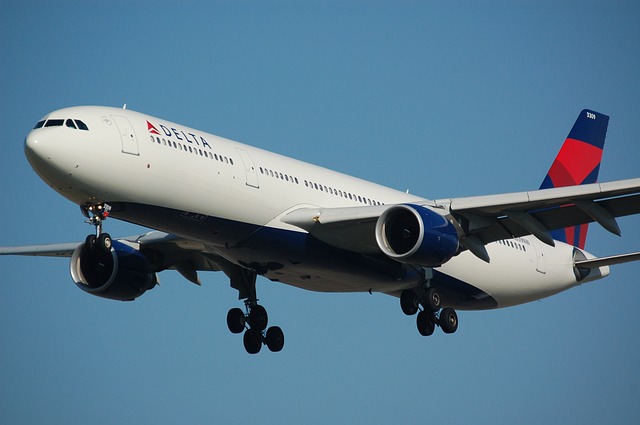
In response, Delta has upped safety measures, including adding a new GPS pet-tracking system in for pets that travel cargo in April 2015.
Delta just announced that they “will no longer accept pets as checked baggage, but will continue to transport allowable pets in all cabins of service except Delta One, effective March 1, 2016. Customers may also ship pets for travel within the United States as freight through Delta Cargo.”
“Many of us at Delta are pet lovers and we know that they are important members of the family,” said Bill Lentsch, Senior Vice President – Airport Customer Service and Cargo Operations. “This change will ultimately ensure that we have a high-quality, consistent service for pets when their owners choose to ship them with Delta Cargo.”
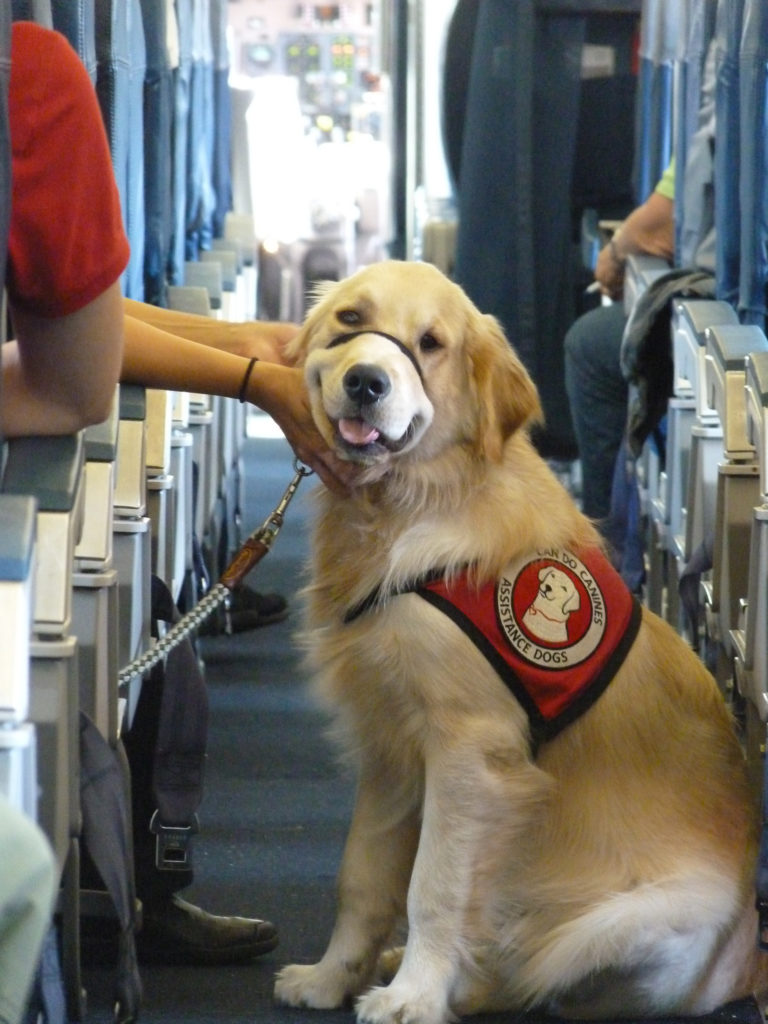
In the press release, they mentioned one notable exception to this new rule: members of the military with active transfer orders as well as those with service and emotional support animals will still be able to fly as checked baggage. (This seems strange to us, as these are usually the animals that fly in the cabin with their partner).
What You Need To Know About Current Travel
With the change effective March 1, customers will be able to travel with a pet as checked baggage through Feb. 29. Also, Delta will contact customers with bookings after March 1 that are known to include pets as checked bags.
Flying Cargo
Delta explains that pets that fly in the cargo (large animals are still not allowed in the cabin of the plane) are: “closely by customer service teams during their travel. While at airports, pets are handled in temperature-controlled holding areas and vans. Also, Delta Cargo enlists professional kenneling services if overnight stays are required.”
However, the Humane Society of the United States (HSUS) discourages people to have their pets fly in cargo:
“We strongly discourage having your pet travel by air in the cargo hold of a plane. It can be dangerous and stressful.” (www.humanesociety.org)
If you do have a large dog or for other reasons you need your pet to travel in cargo, read their tips for a safe flight here.
Go to Delta.com for more information about traveling with your pet.
 Toledo, United States.