
Most dogs will do just about anything for a tasty treat. Whether you’re rewarding good behavior, teaching a new trick, or simply showing your pup a little extra love, treats are an important part of life with dogs. But have you ever stopped to consider whether those delicious little rewards offer any real nutritional value?
While treats are typically thought of as an occasional indulgence, the right ones can actually contribute beneficial nutrients to your dog’s diet. From protein and healthy fats to vitamins and antioxidants, certain ingredients can make snack time a little more nutritious.
Of course, not all dog treats are created equal. Understanding what makes a treat nutritious, and how to incorporate it into your dog’s diet, can help you make healthier choices for your furry best friend.
Can Dog Treats Really Be Nutritious?

Absolutely! Although treats should never replace a complete and balanced diet, they can provide additional nutrients that support your dog’s overall health.
Just like the foods we eat, dog treats can contain proteins, fats, carbohydrates, vitamins, and minerals. The nutritional benefits depend on the ingredients, how they’re prepared, and how much your dog consumes.
For example, a treat made with real chicken may provide protein and essential amino acids, while one containing fruits or vegetables may offer fiber, vitamins, and beneficial plant compounds. The key is choosing treats that offer something beyond empty calories.
However, it’s important to remember that most dog treats are not formulated to provide all the nutrients dogs need. Think of them as a nutritional bonus rather than a substitute for a healthy meal.
What Nutrients Should You Look For In Dog Treats?
When shopping for dog treats, take a closer look at the ingredients. Some can offer meaningful nutritional benefits beyond simply satisfying your dog’s taste buds.
1. Protein For Strong Muscles And Healthy Tissues
Protein is one of the most important nutrients in your dog’s diet. It provides amino acids that help the body build and maintain muscles, repair tissues, and support normal immune function. Treats containing animal proteins such as chicken, turkey, beef, or fish can contribute to your dog’s daily protein intake.
While your dog’s regular food should supply the majority of their protein requirements, protein-containing treats can be a tasty addition to their diet.
2. Healthy Fats For Skin, Coat, And Energy
Fat is an essential part of canine nutrition. It provides a concentrated source of energy, helps the body absorb fat-soluble vitamins, and supplies fatty acids needed for healthy skin and other bodily functions. Some treats contain ingredients such as fish oil, chicken fat, or flaxseed that contribute dietary fats.
However, fat is also calorie-dense, so moderation is especially important for dogs that are overweight, less active, or prone to digestive problems.

3. Antioxidants To Support Cellular Health
Antioxidants help protect cells from damage caused by unstable molecules known as free radicals. Certain fruits and vegetables contain naturally occurring antioxidants, making them useful ingredients in nutritious dog treats.
For example, blueberries and cranberries contain plant compounds called polyphenols, including anthocyanins, which have antioxidant properties. Although the amount of these compounds in a particular treat may be relatively small, choosing snacks made with antioxidant-containing ingredients can add variety to your dog’s diet.
4. Fiber For Healthy Digestion
Fiber plays an important role in maintaining normal digestive function. Depending on the type, fiber can help regulate stool consistency, support beneficial intestinal bacteria, and promote a feeling of fullness. Ingredients such as pumpkin, sweet potatoes, carrots, and certain fruits provide dietary fiber.
Treats containing these ingredients may contribute small amounts of fiber to your dog’s diet, although the actual benefit depends on how much fiber the product contains.
5. Vitamins And Minerals For Everyday Health
Dogs need a variety of vitamins and minerals to support everything from bone development and nerve function to metabolism and immune health. Some treat ingredients naturally contain these nutrients. For example, carrots provide beta-carotene, which dogs can convert into vitamin A, while certain meats supply B vitamins and minerals.
However, a treat’s ingredient list doesn’t necessarily tell you how much of a particular vitamin or mineral your dog will receive. A complete and balanced dog food remains the most reliable way to ensure your pup gets the essential nutrients they need.
How To Choose Healthier Dog Treats

With so many options lining pet store shelves, choosing a nutritious treat can feel overwhelming. Fortunately, a few simple guidelines can help you make better decisions.
- Read the ingredient list. Look for recognizable ingredients that contribute protein, fiber, or other nutrients.
- Check the calorie content. Even nutritious treats can contribute to weight gain when fed excessively.
- Avoid unnecessary additives. Artificial colors aren’t necessary for canine nutrition, and simpler ingredient lists may be preferable for some dogs.
- Consider your dog’s individual needs. Age, activity level, food sensitivities, and medical conditions can all influence which treats are appropriate.
- Choose the right size and texture. Treats should be easy for your dog to chew and swallow safely.
Keep in mind that ingredients aren’t the whole story. A treat’s overall nutritional composition, calorie content, and suitability for your particular dog matter more than any single ingredient or marketing claim.
How Many Treats Should Your Dog Have Each Day?

Even the healthiest treats should be offered in moderation. According to the World Small Animal Veterinary Association (WSAVA), treats should account for no more than 10% of your dog’s daily calorie intake. The remaining 90% or more should come from a complete and balanced diet.
For example, if your dog requires 600 calories per day, no more than 60 calories should come from treats and other extras. This guideline helps prevent excessive calorie consumption while ensuring your dog receives adequate nutrition from their regular food.
Remember that every dog is different. A tiny Chihuahua, a growing puppy, and an active Labrador will have very different calorie requirements. If your dog has a medical condition, follows a prescription diet, or needs to lose weight, consult your veterinarian about appropriate treats and portion sizes.
Can Healthy Treats Replace Nutritional Supplements?
Although some treats contain beneficial nutrients, they shouldn’t automatically be considered substitutes for supplements recommended by your veterinarian. For example, a treat containing cranberries may provide antioxidant compounds, but that doesn’t mean it contains enough of those compounds to produce a specific health benefit.
Similarly, a treat made with ingredients that naturally contain omega-3 fatty acids may not provide the amounts needed for a particular therapeutic purpose. It’s also worth remembering that more isn’t always better when it comes to nutrition. Excessive amounts of certain vitamins and minerals can be harmful.
If your dog needs additional nutritional support for joint health, digestive problems, skin conditions, or another concern, ask your veterinarian whether a supplement is appropriate.
Make Treat Time More Meaningful With iHeartDogs HERO Bites
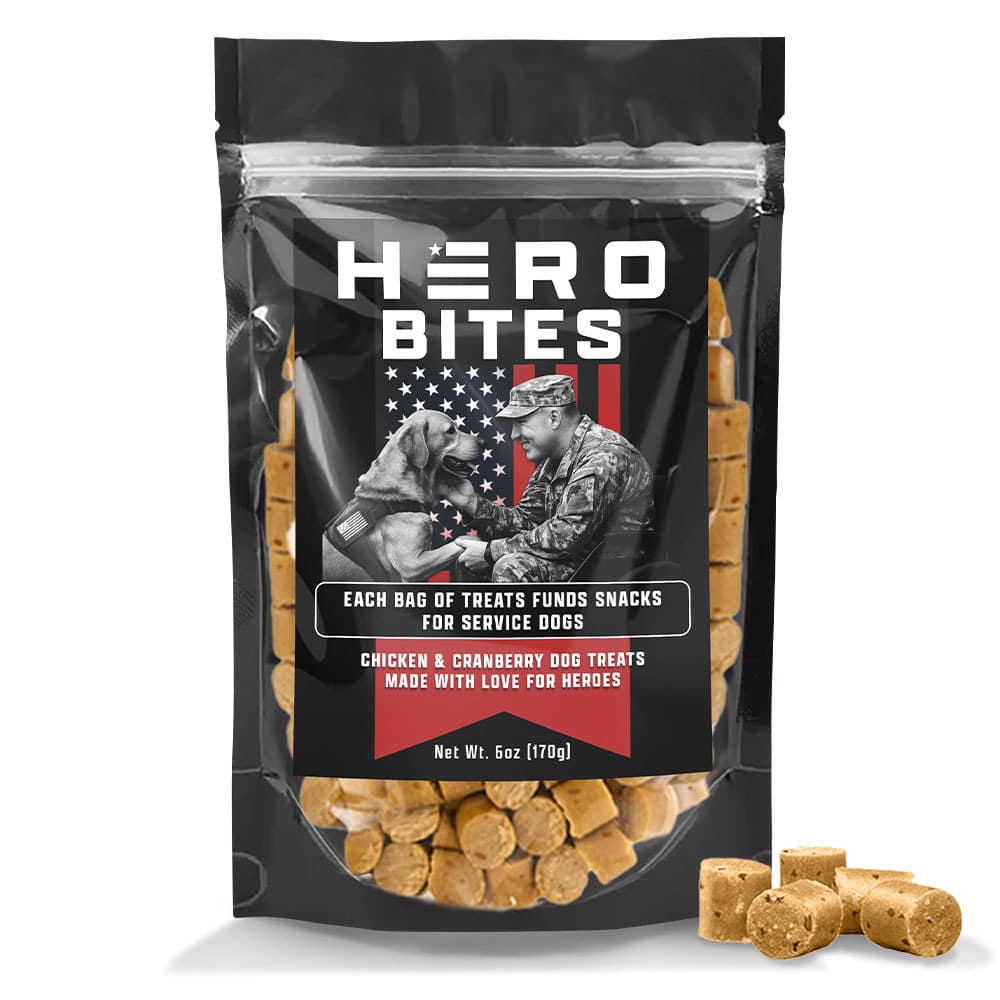 Choosing nutritious treats is one more way to show your dog how much you care. And with iHeartDogs HERO Bites Dog Treats with Chicken and Cranberry, you can make treat time meaningful for other dogs, too! These tasty, grain-free treats are made with real chicken and cranberries, combining protein with antioxidant-containing fruit for a delicious reward.
HERO Bites offer several appealing features:
- Real chicken: Provides protein and amino acids that contribute to normal muscle and tissue maintenance.
- Cranberries: Contain naturally occurring antioxidant compounds.
- No artificial colors or flavors: A flavorful reward without these unnecessary additions.
- Made in the USA: Crafted as a convenient treat for dogs.
- A purchase with a purpose: Every bag helps support treats for service dogs that assist veterans.
Each HERO Bite contains approximately 15 calories, making it easy to factor these rewards into your dog’s daily treat allowance. Best of all, purchasing HERO Bites helps support hardworking service dogs that provide invaluable assistance and companionship to veterans.
Choose Treats That Do More

Treats may only make up a small portion of your dog’s daily diet, but that doesn’t mean their nutritional value should be overlooked. By choosing treats made with beneficial ingredients, monitoring portion sizes, and maintaining a complete and balanced diet, you can make rewarding your dog both enjoyable and nutritious.
And when you choose a treat that gives back, those little moments of happiness can have an impact beyond your own home. Ready to reward your best friend while supporting a wonderful cause?
Treat your pup to iHeartDogs HERO Bites with Chicken and Cranberry and help provide delicious rewards for service dogs who dedicate their lives to helping veterans. Because every good dog deserves a treat, especially the heroes!
These statements have not been evaluated by the Food and Drug Administration. This product is not intended to diagnose, treat, cure, or prevent any disease. The information on this website is not intended to replace a one-on-one relationship with a qualified healthcare professional.
 Toledo, United States.