
iHeartDogs is reader-supported. When you buy through links on our site, we may earn an affiliate commission at no extra cost to you.
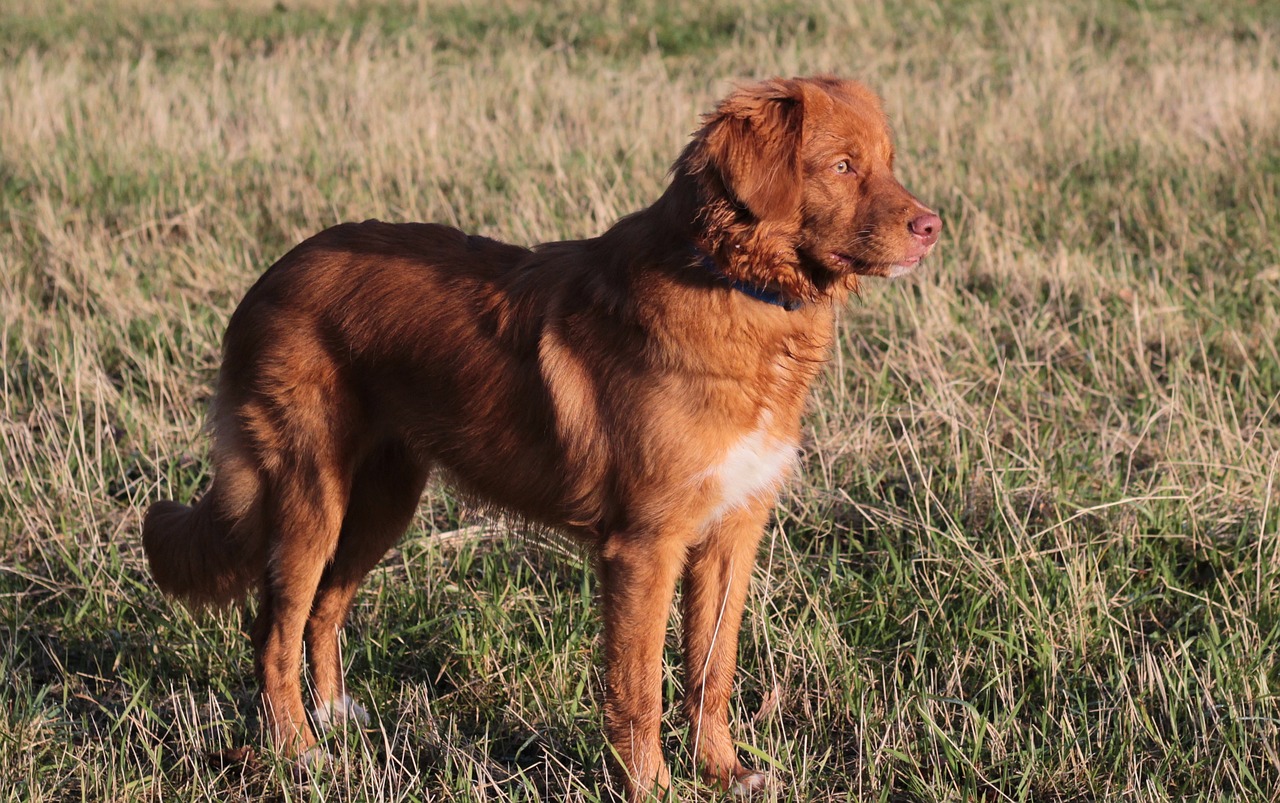
You’ve done your research on the Nova Scotia Duck Tolling Retriever. You love the breed’s fox-red coat, its crazy energy, and the fact that it can lure waterfowl just by playing on the shoreline. But now you’re looking at the Nova Scotia Duck Tolling Retriever price and thinking: really?
Yes, really. Tollers aren’t cheap, and they’re not easy to find. They’re the smallest retriever breed, with a small but fiercely dedicated breeder community across North America. That combination of rarity and demand keeps prices firmly in the four-figure range.
So how much will you actually spend? And where does all that money go after the puppy comes home? Here’s the full breakdown for 2026, from purchase price to lifetime costs.
Nova Scotia Duck Tolling Retriever Price: Quick Facts (2026)
| Breeder Price Range | $1,500 – $3,500+ |
| Average Breeder Price | $2,000 – $2,500 |
| Rescue/Adoption Fee | $200 – $500 |
| First-Year Total | $3,500 – $6,800+ |
| Annual Ongoing Cost | $1,200 – $2,500/year |
| Lifetime Cost (12-14 years) | $18,000 – $35,000+ |
Nova Scotia Duck Tolling Retriever Price by US Region in 2026
Where you live plays a big role in what you’ll pay for a Toller puppy. Breeders in high cost-of-living areas charge more because their overhead is higher, and regions with fewer breeders often see premium pricing from simple supply and demand.
Here’s how Nova Scotia Duck Tolling Retriever prices shake out across the country right now:
One thing worth knowing: most reputable Toller breeders have waiting lists that run 6 to 18 months. If someone offers you a puppy tomorrow at a suspiciously low price with zero waiting period, that’s your cue to keep looking.
The price gap between the Northeast/West Coast and the Midwest/Southeast can hit $500 to $1,000 for a similar-quality puppy. Some buyers in expensive regions look to Midwest breeders and arrange ground transport, which adds $300-$600 but can still save money overall. It’s a similar pattern you’ll see with the American Eskimo Dog price by region and other less-common breeds.
What Drives the Nova Scotia Duck Tolling Retriever Price Up or Down?
Not every Toller puppy costs the same, even from the same region. Several factors shift the number you’ll see on a breeder’s price sheet:
Health testing. Responsible Toller breeders test for Progressive Retinal Atrophy (PRA), Collie Eye Anomaly (CEA), and hip dysplasia at minimum. Many also screen for thyroid issues and degenerative myelopathy. A puppy from fully tested parents costs more upfront. But you’re paying for real peace of mind, because these are serious health problems in the breed, not just paperwork.
Breeder experience. Someone who’s been producing healthy, titled Tollers for 15 years charges more than a first-time breeder. The premium usually reflects years of bloodline investment, veterinary relationships, and proper socialization protocols that a newer breeder hasn’t built yet.
Titles and pedigree. Puppies from parents with hunt test titles, conformation championships, or dock diving records come at a higher price. If you want a Toller for fieldwork or competition, these lines are worth the extra cost because the dogs have been proven in real working conditions.
Location. Breeders in San Francisco have higher operating costs than breeders in rural Minnesota. That reality gets baked into puppy prices.
Coat markings. All Tollers are red/orange with white flashings, but certain markings are more desirable in the show ring. Show-prospect puppies from a litter often cost $300-$500 more than pet-quality siblings from the same parents.

Breeder vs. Rescue: Comparing Nova Scotia Duck Tolling Retriever Costs
Rescue adoption runs $200-$500 for a Toller. That’s a fraction of the $2,000+ breeder price. But the comparison isn’t purely about money.
Rescue makes sense if:
- You’re open to an adult dog (most rescue Tollers are 1-5 years old)
- You don’t need specific hunting ability or show potential
- You want a dog that’s past the puppy destruction phase
- Budget is a major factor in your decision
A reputable breeder makes sense if:
- You want a puppy you can raise from day one
- Hunting or field work is your main goal (you need known working bloodlines)
- You have specific health history requirements
- You’re willing to sit on a waitlist for the right litter
The Toller rescue network in the US is small but dedicated. Most dogs come through the NSDTRC-USA rescue program. Wait times for rescue Tollers can also stretch months because the breed is so uncommon. Don’t assume rescue is a quick path to a Toller, though the Toller puppy shopping checklist applies whether you’re buying or adopting.
Why the Nova Scotia Duck Tolling Retriever Price Is So High
Tollers aren’t a Golden Retriever or a Lab. There isn’t a breeder in every city with puppies ready year-round. The retriever breeds that look similar to Goldens are far more commonly bred and typically cost less.
Good Toller breeders often have one litter per year, sometimes fewer. Each puppy benefits from a serious financial investment on the breeder’s part:
- OFA hip certification: $300-$500 per dog
- CAER eye exams for PRA/CEA: $50-$75 per exam, done yearly
- DNA health panels: $150-$300 per panel
- Whelping and raising costs: $1,500-$3,000+ per litter
- Socialization, early neurological stimulation, and puppy evaluations
When you pay $2,000-$2,500 for a health-tested Toller, a big chunk of that covers the actual cost of producing a healthy, well-adjusted puppy. The breeder’s profit margin is often smaller than people assume.
First-Year Costs Beyond the Nova Scotia Duck Tolling Retriever Purchase Price
The purchase price is where your spending starts, not where it ends. Year one with a Toller puppy brings a whole stack of additional expenses that most first-time owners don’t fully budget for.
Training is one area where skimping can backfire. Tollers are smart and athletic, which sounds great until that intelligence gets directed at shredding your couch cushions or figuring out how to open the baby gate. A $200 puppy class now saves you $2,000 in destroyed furniture later.
Ongoing Annual Costs for a Nova Scotia Duck Tolling Retriever
After the first-year rush, yearly costs settle into a more predictable range of $1,200-$2,500. Here’s where that money typically goes:
- Food: $600-$1,000/year for a quality diet
- Routine vet care: $300-$600/year (annual exam, heartworm test, preventatives)
- Grooming: $200-$400/year (Tollers are one of the breeds that shed quite a bit, so regular brushing is a must)
- Toys, treats, and supplies: $200-$400/year
- Pet insurance (optional but smart): $300-$600/year for a solid policy
- Training or dog sports: $0-$500/year depending on your involvement
Tollers do better with structured activity. Hunt tests, dock diving, agility, rally. These sports come with entry fees and travel costs, but a lot of owners find the investment worthwhile for a breed with this much drive and intelligence.
Toller Health Costs You Should Plan For
Tollers are generally healthy dogs. But they carry some breed-specific health risks that are worth knowing about before you commit financially.
Progressive Retinal Atrophy (PRA): This genetic eye condition causes gradual vision loss. Reputable breeders DNA-test parents so they don’t produce affected puppies. If your breeder did the testing, your risk is low.
Collie Eye Anomaly (CEA): Another inherited eye condition. DNA testing eliminates the risk when both parents are tested.
Hip dysplasia: Less common in Tollers than in larger retrievers, but it does show up. OFA-certified parents reduce your puppy’s risk significantly.
Autoimmune conditions: Tollers have a higher-than-average rate of immune-mediated problems, including hypothyroidism and systemic lupus erythematosus. It isn’t common, but it’s more prevalent in this breed than in most other retrievers.
Pet insurance makes a lot of sense for Tollers. Not because they’re unusually fragile, but because one serious health event can run $3,000-$8,000 out of pocket. A policy costing $300-$500/year can save you from a devastating surprise bill.
Red Flags When Shopping for a Toller Puppy
Because Tollers are rare and pricey, the breed attracts some sellers who care about profit more than their dogs’ health. Here’s what to watch for:
- No health testing paperwork – Any responsible breeder will share OFA results and DNA test reports without hesitation
- Puppies always available – Good breeders plan litters carefully and typically maintain waitlists
- Prices under $1,000 – Not realistic for a responsibly-bred Toller; this points to a puppy mill or backyard breeder
- Won’t allow visits – You should be able to see where the puppies live and meet at least the mother
- No contract or health guarantee – Reputable breeders use purchase contracts and stand behind their dogs
The NSDTRC-USA (Nova Scotia Duck Tolling Retriever Club of the USA) maintains a breeder referral list. It’s a solid starting point if you’re not sure where to begin your search. The Labrador Retriever puppy cost guide covers similar breeder-vetting advice that applies to any sporting breed purchase.
How Toller Prices Compare to Other Retriever Breeds
Curious how the Nova Scotia Duck Tolling Retriever price stacks up against its retriever cousins? Here’s a quick comparison:
Retriever Breed Price Comparison (2026)
| Labrador Retriever | $800 – $1,800 |
| Golden Retriever | $1,000 – $3,000 |
| Chesapeake Bay Retriever | $1,200 – $2,500 |
| Flat-Coated Retriever | $1,500 – $2,500 |
| Nova Scotia Duck Tolling Retriever | $1,500 – $3,500 |
Tollers sit at the top of the retriever price range, mostly because of their rarity. Labs and Goldens have thousands of active breeders across the US. Tollers have a few hundred at most. Simple math: fewer puppies available means higher prices.
That said, Tollers aren’t the most expensive sporting dog you can buy. Breeds like the Lagotto Romagnolo or certain European pointing breeds can run $3,500-$5,000+ from top breeders.
Tips for Budgeting Your Nova Scotia Duck Tolling Retriever Purchase
If you’re set on bringing a Toller home, here are a few practical ways to manage the cost:
Start saving early. Most waitlists run 6-18 months. That’s 6-18 months of setting aside $200-$300/month to build your puppy fund without stress.
Consider Midwest breeders. Even with transport costs factored in, a Midwest Toller at $1,800 plus $400 shipping can be cheaper than a West Coast puppy at $3,000.
Get pet insurance in the first week. Pre-existing conditions aren’t covered, so enrolling before any health issues pop up gives you the broadest coverage at the lowest premium.
Buy quality supplies once. A $120 crate and a $60 bed that last 10 years beat cheap replacements every time. Tollers are active dogs and they’ll destroy flimsy gear fast.
Budget for training classes. A $200-$400 group puppy class is a bargain compared to the behavioral problems you’ll deal with if a high-energy Toller doesn’t get proper early training. These are dogs that thrive around water and outdoor activities, and channeling that energy early makes life a lot easier.

Frequently Asked Questions About Nova Scotia Duck Tolling Retriever Price
How much does a Nova Scotia Duck Tolling Retriever puppy cost in 2026?
From a reputable breeder, expect to pay $1,500-$3,500 depending on your region, bloodlines, and the breeder’s health testing program. The national average falls around $2,000-$2,500 for a well-bred, pet-quality puppy with full health clearances.
Why are Tollers so much more expensive than Labrador Retrievers?
Rarity is the biggest factor. Labs have thousands of active breeders producing litters year-round. Tollers have maybe a few hundred breeders across all of North America, and many produce only one litter per year. Fewer puppies plus strong demand equals higher prices.
Can I find a Nova Scotia Duck Tolling Retriever for under $1,000?
You might, but you shouldn’t. At that price, health testing has almost certainly been skipped. The money you save upfront can easily get eaten by vet bills for preventable genetic conditions like PRA or hip dysplasia. It’s not a bargain worth chasing.
How long is the typical wait for a Toller puppy from a breeder?
Plan for 6-18 months with a reputable breeder. Some have shorter waits if you’re flexible about which litter you join or don’t have a strong color/gender preference. Patience pays off here. Rushing into a purchase to skip the wait usually costs more down the road.
Is adopting a rescue Toller a realistic option?
It’s possible, but it takes patience. Toller rescues are rare because the breed itself is rare. Most rescue dogs are adults surrendered by families whose lifestyle didn’t match the breed’s energy and drive. You could wait months for the right dog to become available through the NSDTRC-USA rescue program.
What’s the total lifetime cost of owning a Nova Scotia Duck Tolling Retriever?
Over a 12-14 year lifespan, plan on $18,000-$35,000+ including the initial purchase price. Annual costs of $1,200-$2,500 add up fast, and any major health event can push the total higher. Pet insurance helps smooth out those unexpected spikes.

A Toller Is an Investment, Not Just a Purchase
The Nova Scotia Duck Tolling Retriever price tag makes people pause, and honestly? It should. This isn’t a breed you buy on impulse. The upfront cost is real, the ongoing expenses are real, and the energy level this breed demands from its owner is very real.
But here’s what Toller people will tell you: once you’ve had one, you get it. These dogs are smart, goofy, athletic, and fiercely loyal. They’ll retrieve until your arm gives out and then look at you like you’re the one being lazy.
The smartest investment isn’t the cheapest puppy you can find. It’s a puppy from a breeder who did the health testing, raised the litter right, and will answer your panicked 2 a.m. text about why your puppy just ate a sock. That extra $500-$1,000 upfront can save you $3,000-$5,000 in preventable vet bills, and it buys you a dog you’ll enjoy for 12-14 years instead of one you worry about.
Take your time with the search. Join the waitlist. Budget realistically. Your future Toller is worth every bit of the wait.
 Toledo, United States.