
Living in a tropical climate presents unique challenges and considerations, particularly when it comes to choosing a canine companion. Tropical climates are characterized by high temperatures, humidity, and often an abundance of lush, natural landscapes. Dog breeds that thrive in such environments typically have certain physical and behavioral traits, such as short coats, a higher heat tolerance, and a propensity for outdoor activity. These breeds are not only able to withstand the heat but often enjoy the vibrant outdoor lifestyle that tropical regions offer. This article explores 8 dog breeds that are best suited for life in tropical climates, focusing on their adaptability to warm weather, their physical characteristics, and their ability to enjoy and thrive in a sunnier, more humid environment.
1. Basenji
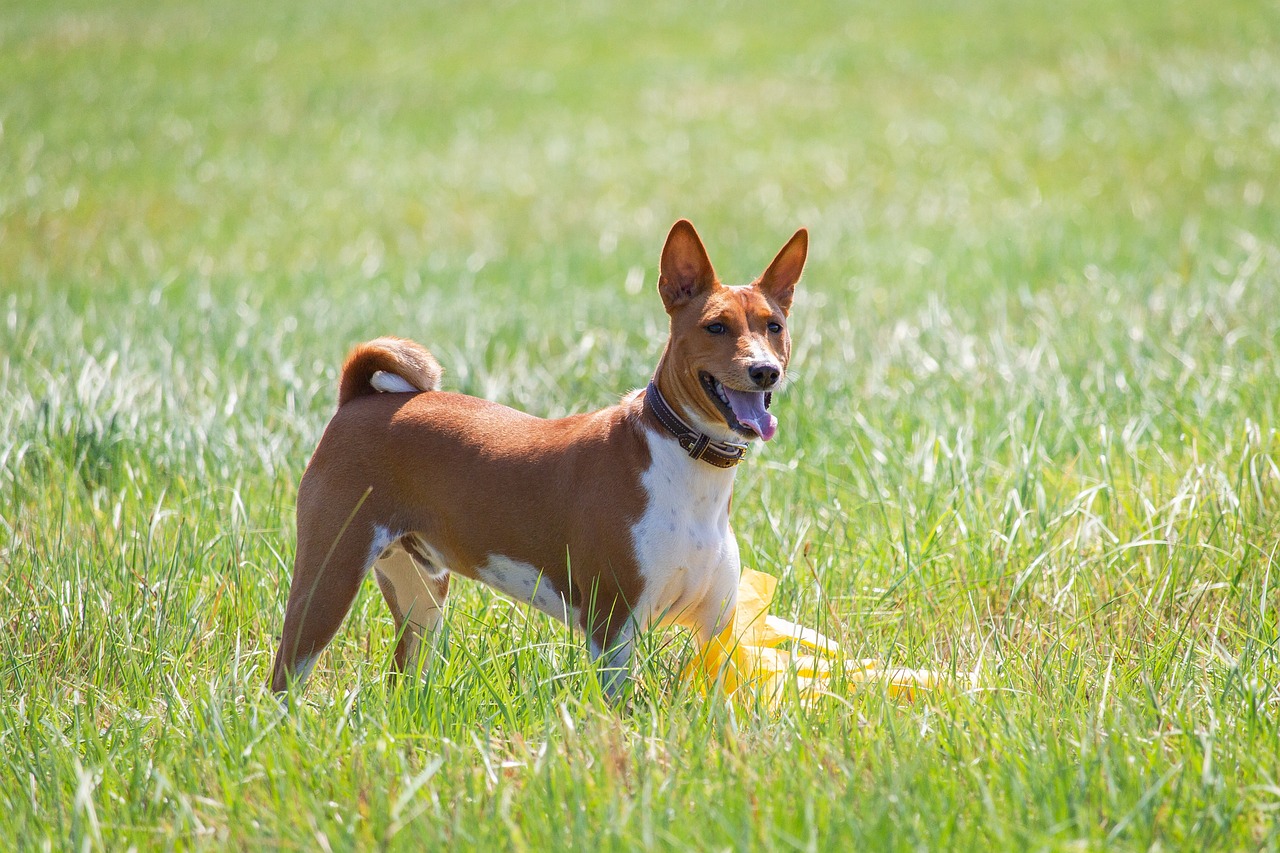
The Basenji, often referred to as the “barkless dog” from Africa, is well-suited for tropical climates. This breed is known for its short, fine coat and unique ability to clean itself like a cat, making it well-adapted to hot environments. Basenjis are also known for their high energy levels and curious nature, perfect for exploring tropical landscapes. Their small to medium size and lean build help them stay cool, and their minimal shedding is a bonus for a cleaner home environment.
2. Chihuahua
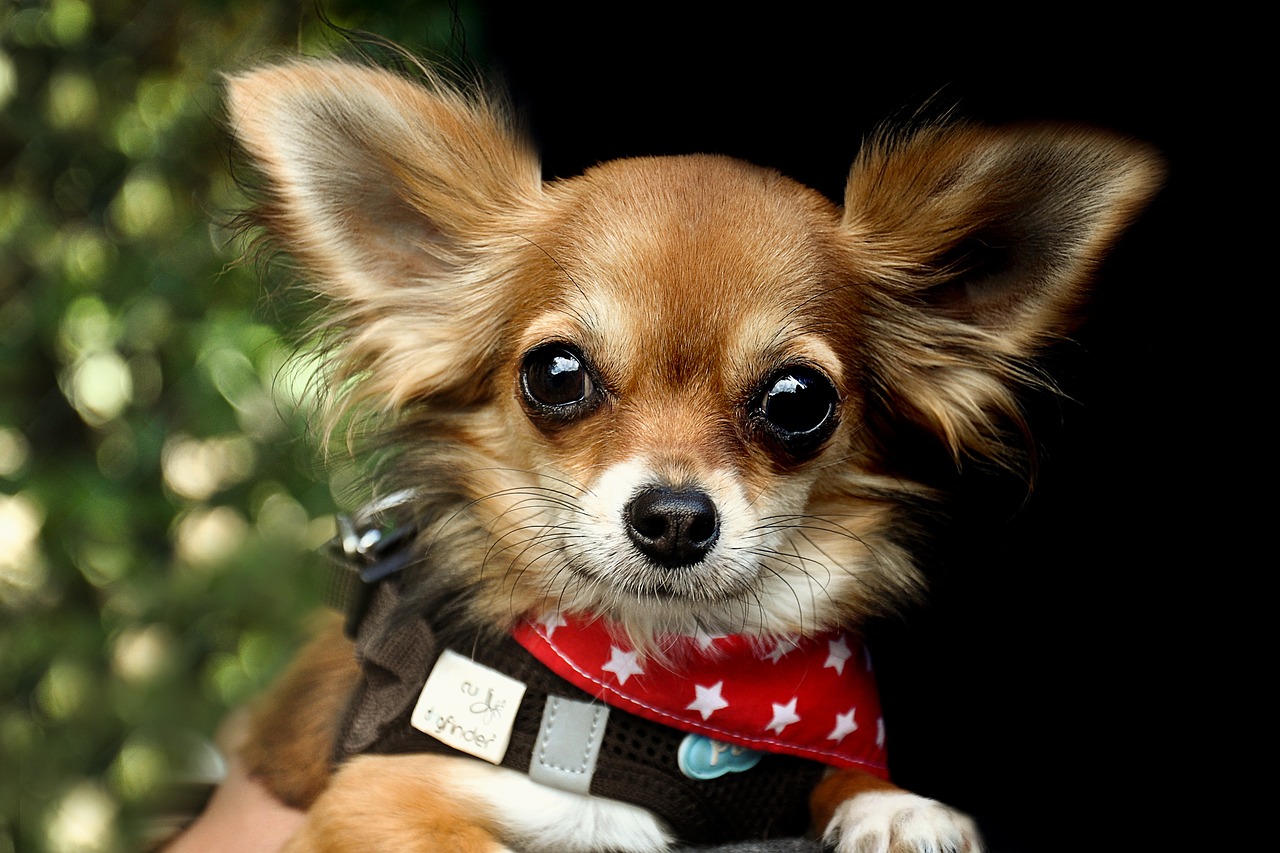
Chihuahuas are one of the smallest dog breeds, and their tiny size makes them ideal for hot climates. Their short coats (especially in the smooth-coat variety) allow them to stay cool more effectively. Chihuahuas are adaptable and can easily adjust to living indoors, which can be beneficial in extremely hot weather. Their spirited and lively personality is well-suited for the vibrant life often found in tropical regions.
3. Dalmatian
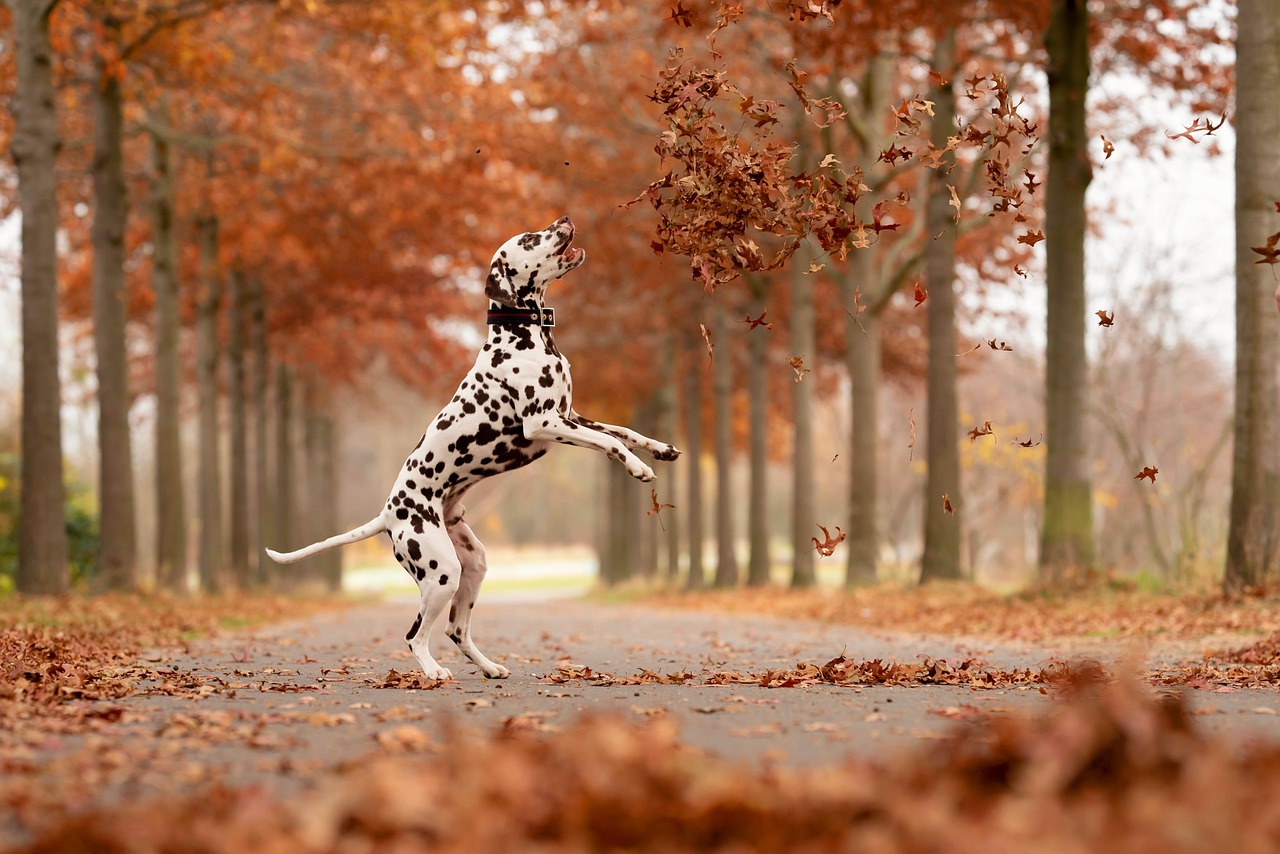
Dalmatians, with their distinctive spotted coats, are highly suited for warmer climates. Originally bred as carriage dogs, they have high energy levels and a love for outdoor activities, making them perfect companions for tropical adventures. Their short, sleek coat helps in heat dissipation, and they are generally robust dogs that can handle active lifestyles in warmer regions.
4. Whippet
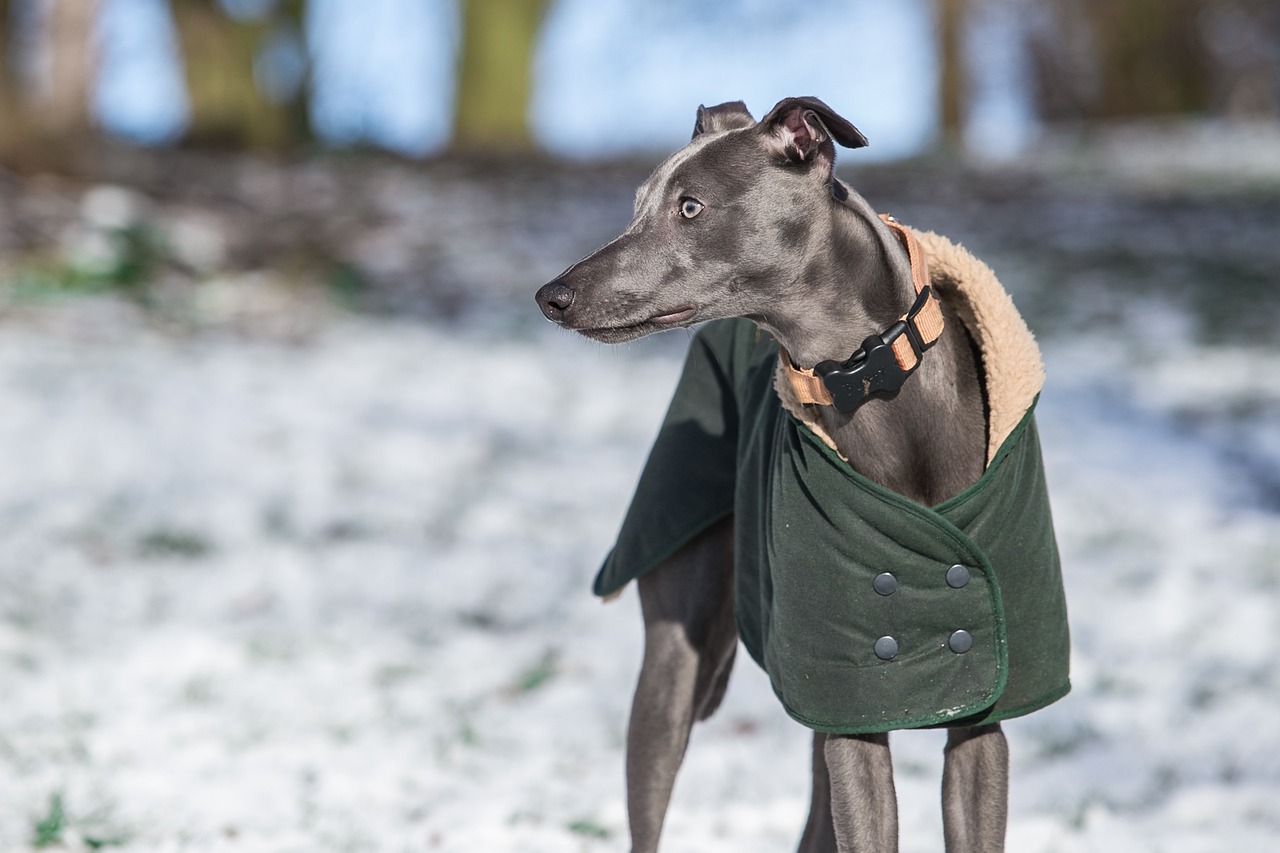
The Whippet, a relative of the Greyhound, is another breed that does well in tropical climates. They have short, fine coats and a lean body, which helps them stay cool in hot weather. Whippets are also known for their calm and gentle nature, making them great indoor companions during the hottest parts of the day. They enjoy bursts of outdoor activities, especially in cooler mornings or evenings.
5. Doberman Pinscher
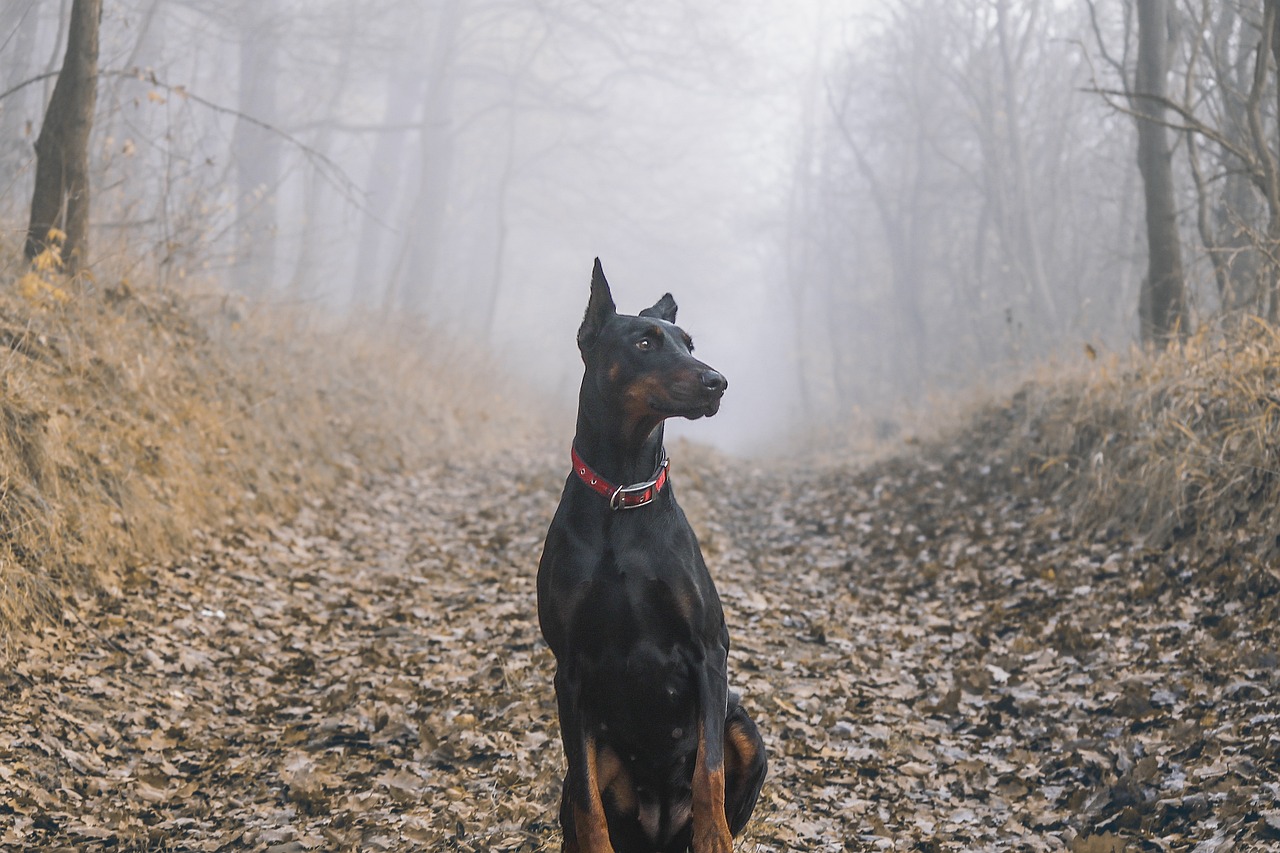
Doberman Pinschers, with their short coats and muscular build, are well-adapted for life in warmer climates. They are energetic and need regular exercise, making them suitable for the outdoor lifestyle that tropical regions often offer. Dobermans are also protective and alert, providing an added sense of security in any environment. Their ability to stay cool thanks to their short fur makes them comfortable in hot weather.
6. Great Dane
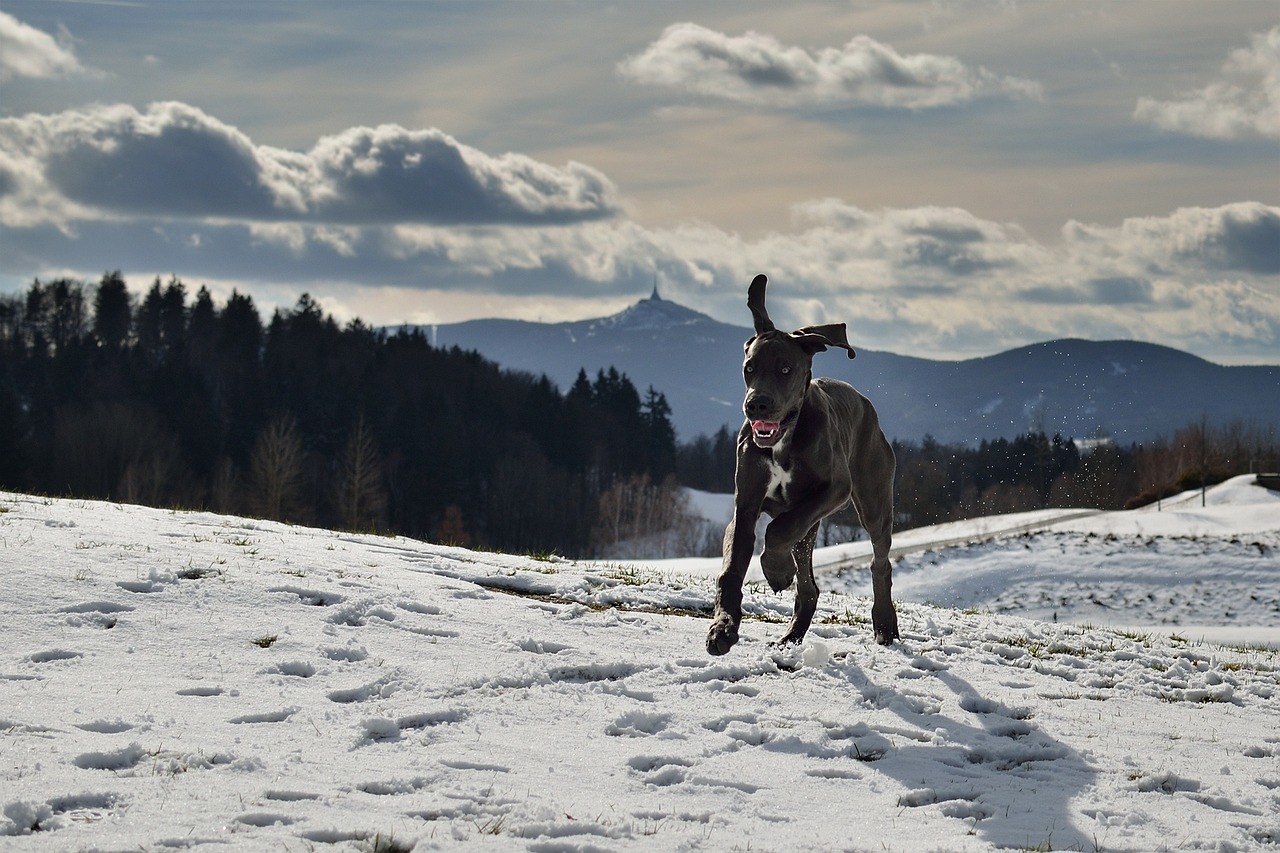
Great Danes, despite their large size, have a short coat and can adapt to warmer climates. They are gentle giants and enjoy both active and calm environments. Their friendly and affectionate nature makes them great family pets in any climate.
7. Italian Greyhound
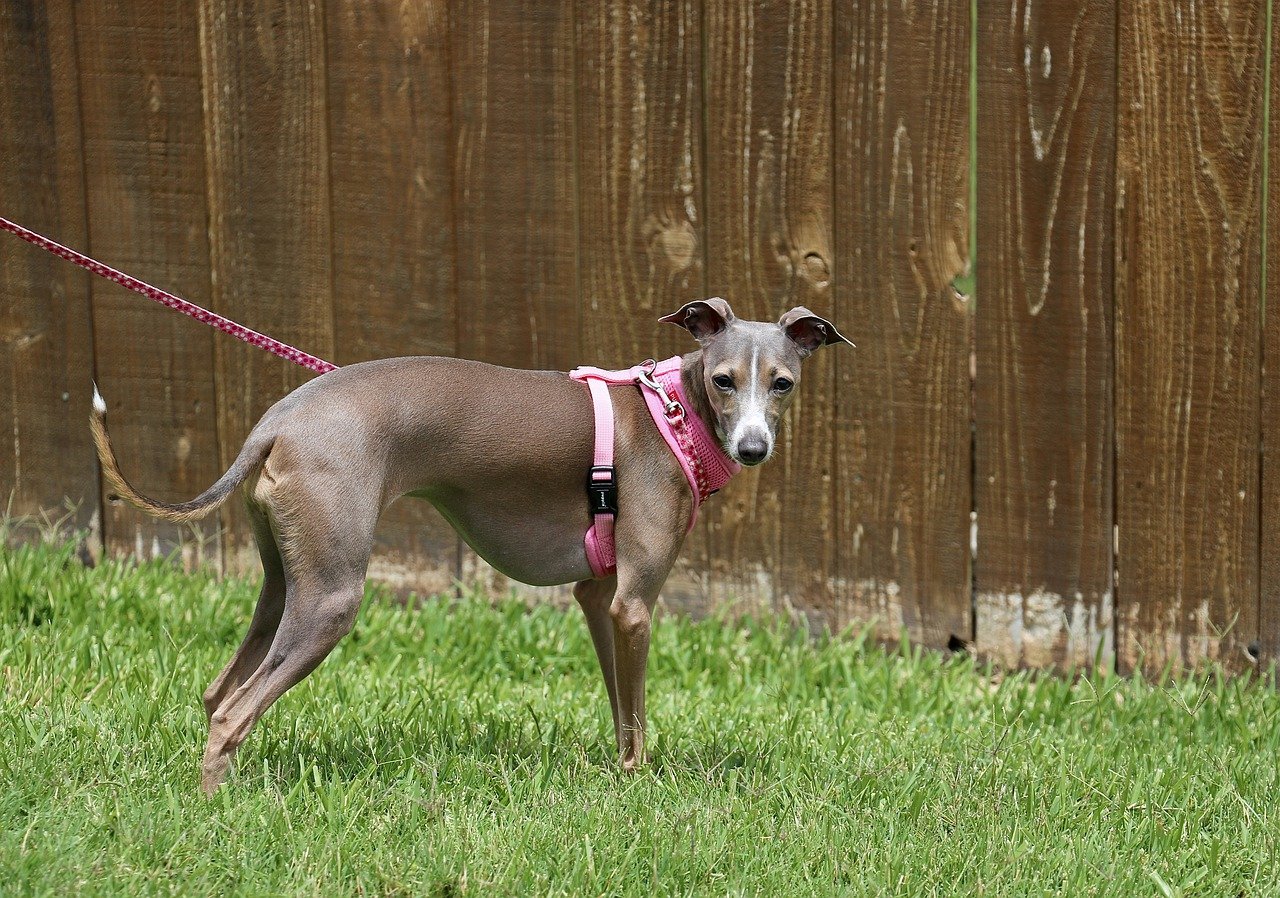
The Italian Greyhound, a smaller cousin of the Greyhound, is well-suited for warm climates due to its thin coat and lean body. They are known for their affectionate nature and adapt well to indoor living, which can be a respite from the tropical heat. Italian Greyhounds are playful and enjoy short bursts of running and playing, making them perfect for active living in a warm environment.
8. Rhodesian Ridgeback
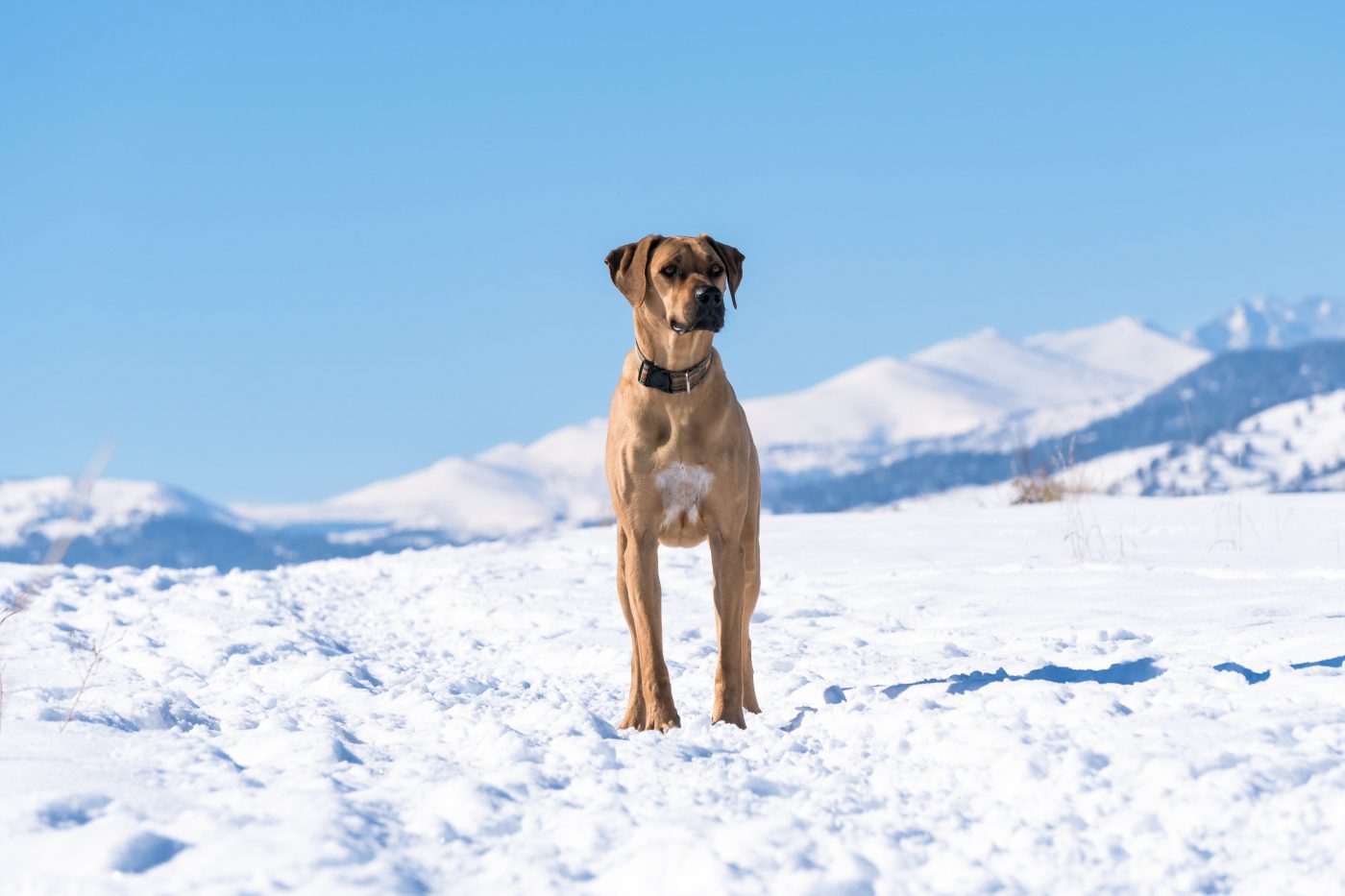
Originally bred in Africa, the Rhodesian Ridgeback is inherently suited for hot, tropical climates. Known for their distinctive ridge along the back, these dogs have short, dense coats that protect them from the heat. They are large, athletic dogs, requiring regular exercise, making them ideal for active tropical lifestyles. Their history of hunting and guarding in hot African climates demonstrates their suitability for similar environments elsewhere.
Frequently Asked Questions About Dog Breeds for Tropical Climates
-
What dog breeds are best suited for tropical climates?
Breeds like the Basenji, Chihuahua, Doberman Pinscher, and Dalmatian are among the best suited for tropical climates. These breeds typically have short coats, high heat tolerance, and originate from or have adapted well to warmer regions. -
Why are some dog breeds better suited for hot weather than others?
Dogs with short coats, lean builds, and longer snouts generally cope better in tropical heat. These traits help them regulate body temperature more efficiently, preventing overheating compared to thick-coated or brachycephalic (short-nosed) breeds. -
Is it safe to keep a dog with a thick coat in a tropical climate?
While not ideal, some double-coated breeds can live in tropical climates with proper care. This includes constant access to shade and water, regular grooming, and limiting activity during peak heat hours. However, it’s best to choose breeds naturally adapted to warm conditions. -
How can I help my dog stay cool in a tropical environment?
Provide plenty of water, create shaded outdoor spaces, avoid walking during midday heat, and consider cooling mats or vests. Indoor fans or air conditioning can also help your dog stay comfortable. -
Do tropical dog breeds require special grooming?
Generally, dogs suited for tropical climates have low-maintenance coats, but they still benefit from regular brushing to remove dirt and shed hair. Routine baths with gentle shampoo can also help keep their skin healthy and free of irritants. -
Can tropical dog breeds still suffer from heatstroke?
Yes, even heat-adapted breeds are at risk of heatstroke in extreme conditions. Always watch for signs like heavy panting, drooling, lethargy, or vomiting. Immediate cooling and veterinary attention are crucial in such cases. -
Are there small dog breeds suitable for tropical weather?
Absolutely. Small breeds such as the Italian Greyhound, Rat Terrier, and Miniature Pinscher thrive in hot climates due to their size, short coats, and energy levels, which make them easier to manage in warm environments.
Conclusion
Choosing a dog breed that is well-suited for a tropical climate can greatly enhance both the dog’s and the owner’s quality of life. These eight breeds, with their unique adaptations to heat and humidity, represent some of the best choices for potential dog owners in tropical regions. Each breed brings its unique personality and characteristics, making it possible to find a perfect tropical companion, whether one prefers a small lap dog or a large, active breed. It’s always important to provide any dog with adequate shade, water, and rest, especially in hot climates, to ensure their health and well-being.
 Toledo, United States.