
iHeartDogs is reader-supported. When you buy through links on our site, we may earn an affiliate commission at no extra cost to you.
If you’re a teacher, you already know the drill: early mornings, long days on your feet, grading papers at night, and somehow finding the energy to be “on” for 25+ kids every single day. So when you finally walk through the door, the last thing you need is a dog that’s going to make your life harder.
The right breed won’t just survive your schedule. It’ll actually make the chaos worth coming home to. You want a dog that’s patient, low-drama, and genuinely happy to see you after a 10-hour day. Bonus points if they’re good with kids, because let’s be honest, some of these breeds might end up visiting your classroom.
Here are 12 breeds that match the teacher lifestyle, whether you’re an elementary school veteran, a high school coach, or somewhere in between.
1. Labrador Retriever
There’s a reason Labs are the most popular dog breed in America for over 30 years running. They’re friendly to a fault, ridiculously patient, and they genuinely love being around people. For teachers, that means a dog who won’t hold a grudge when you’re gone all day and will greet you like you just came back from war.
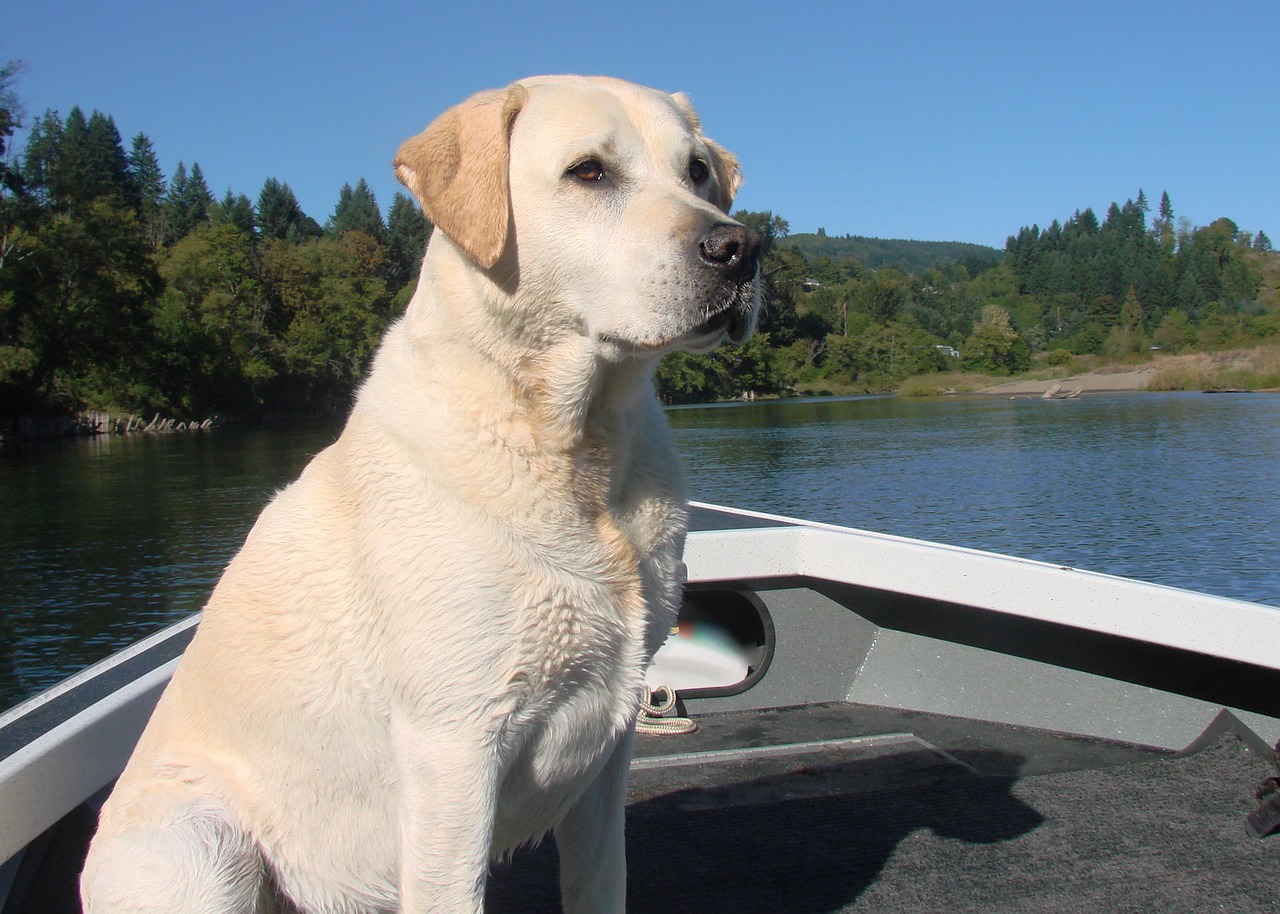
Labs are also one of the top therapy dog breeds in schools. Many reading programs use Labs specifically because they’ll sit there patiently while a nervous second-grader sounds out words. They need about 60 minutes of exercise daily, but a good walk before school and a quick game of fetch after usually covers it.
📊 Labrador Retriever Quick Stats
Size: 55-80 lbs | Energy: High (60+ min/day) | Grooming: Moderate shedding
Good with kids: Excellent | Trainability: One of the easiest breeds to train
Teacher fit: Best for active teachers with a yard or nearby park
2. Golden Retriever
Goldens and Labs get lumped together a lot, and honestly, the comparison is fair. Both are friendly, patient, and great with kids. But Goldens have a slightly softer, more intuitive side that makes them especially good at reading your mood. Had a rough parent-teacher conference? Your Golden will know.
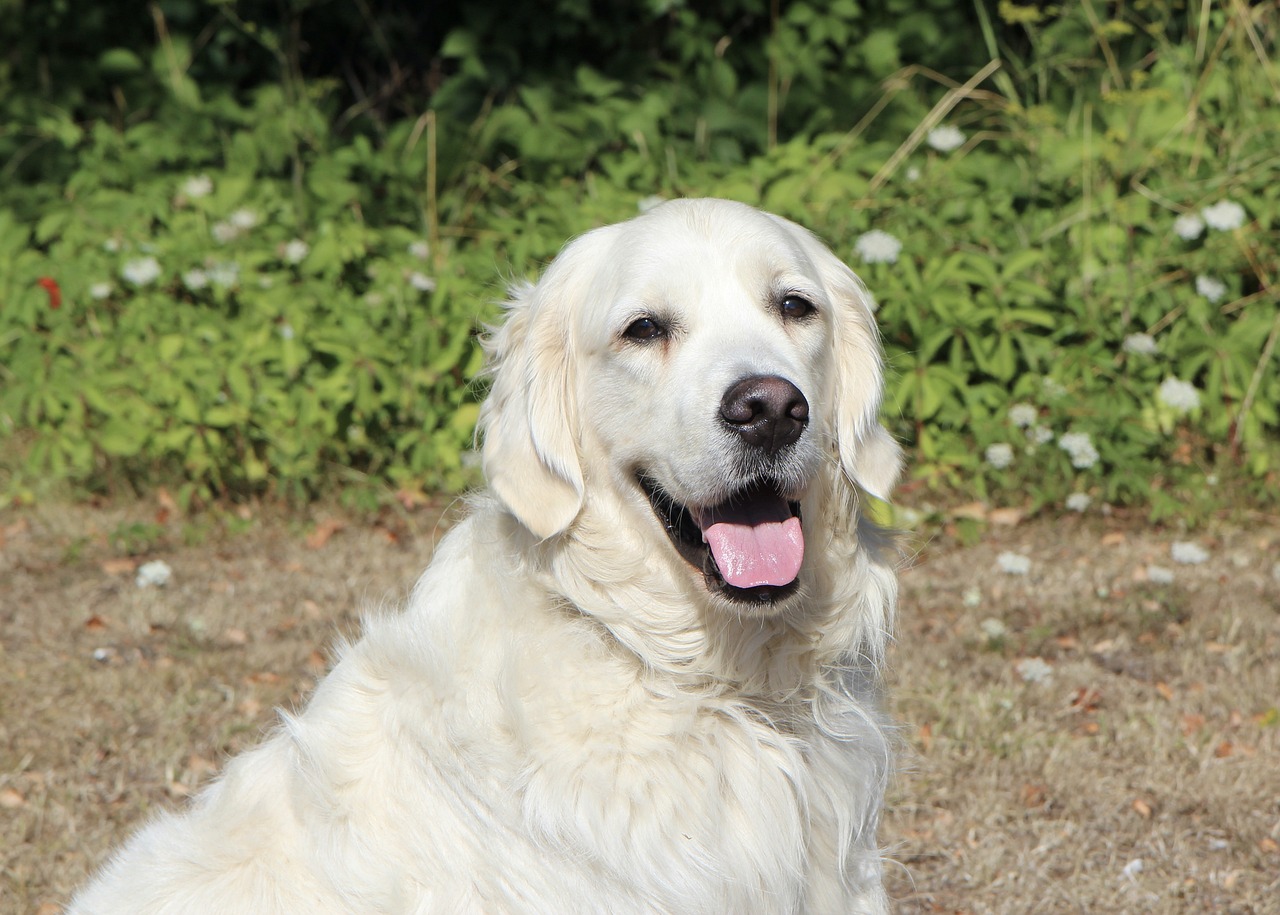
They’re also one of the most intelligent dog breeds out there, ranked 4th by canine psychologist Stanley Coren. That intelligence makes training straightforward, and it means they adapt well to routines, which is kind of your whole life as a teacher.
The one thing to know: they shed. A lot. If you’re wearing black slacks to school, invest in a good lint roller. But that’s a small price for a dog that’ll make every bad day better.
3. Beagle
Beagles are the class clown of the dog world. They’re goofy, curious, and always up for an adventure, but they also know when it’s time to curl up on the couch. At 20-30 pounds, they’re small enough for apartment living but sturdy enough to keep up with an active lifestyle.
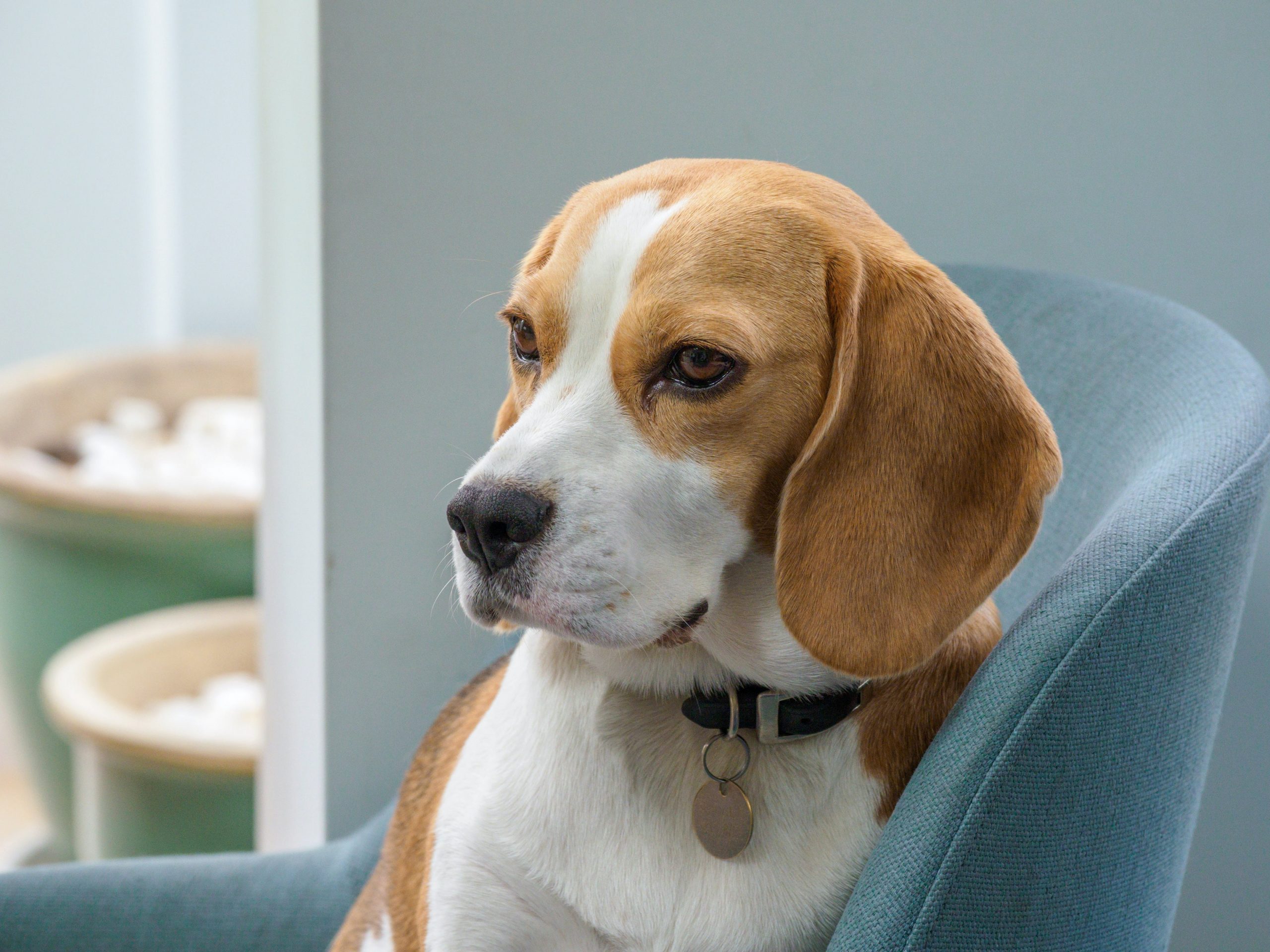
For teachers, the big selling point is their temperament around kids. Beagles are pack animals who thrive in social settings, and they tend to be incredibly gentle with children. If you teach younger grades and your school does a “bring your pet” day, a Beagle is pretty much guaranteed to be the star of the show.
Fair warning though: Beagles follow their noses. A secure yard is non-negotiable, because once they catch a scent, they’re gone. And they can be vocal. Your neighbors will get to know your dog’s “I heard a squirrel” howl.
4. Cavalier King Charles Spaniel
If you want a dog that’s basically a living, breathing stress ball (in the best way), look at Cavaliers. These little guys were literally bred to be lap dogs for royalty, and they’ve never forgotten it. They want to be near you. Always.
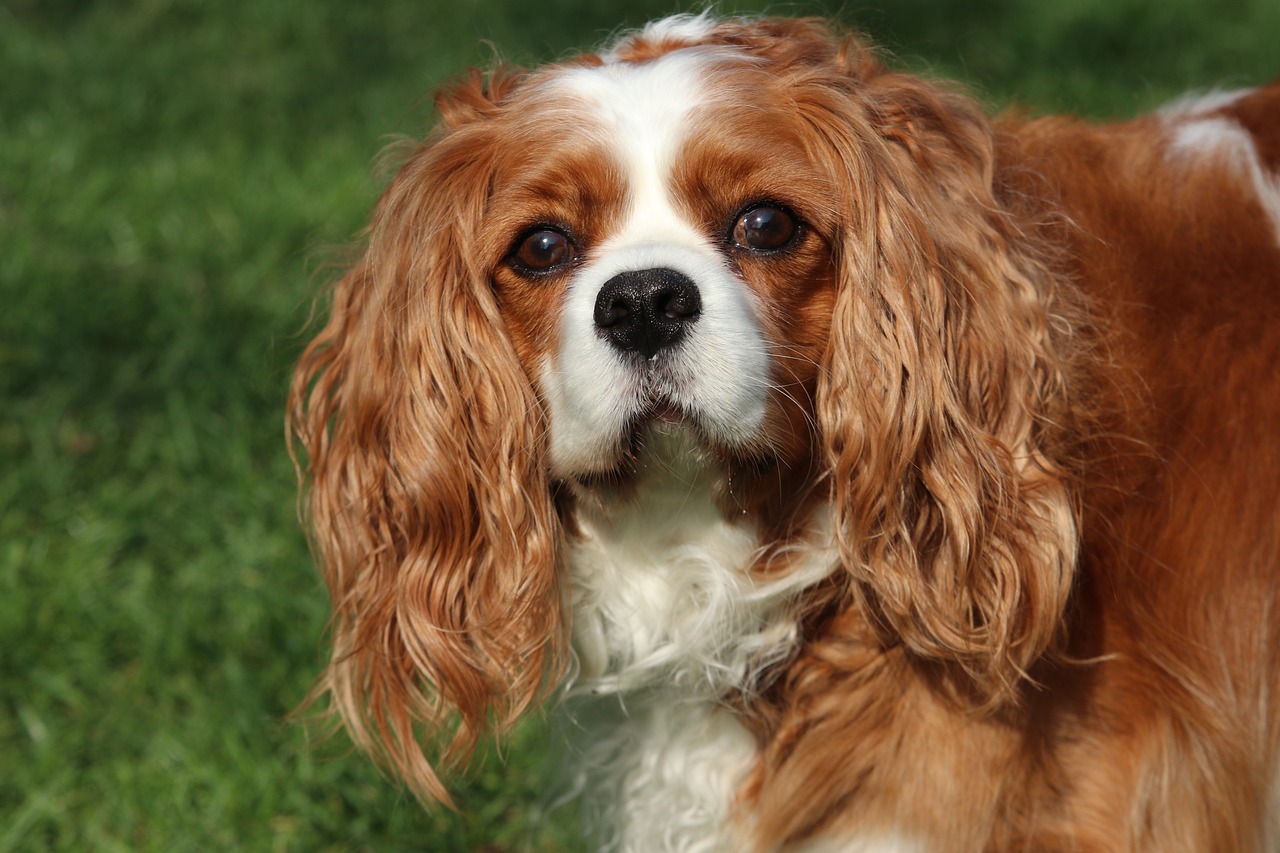
At 13-18 pounds, they’re one of the dog breeds that stay small forever, which makes them great for apartments or smaller homes. Their exercise needs are modest, maybe 30-40 minutes a day, and they’re just as happy with a walk around the block as a romp in the yard.
Cavaliers are also naturals in therapy settings. Their calm, gentle presence makes them popular in hospitals and nursing homes, and the same qualities work wonders after a stressful school day. Just know that they don’t love being left alone for long stretches, so if you’re a teacher who’s out 10+ hours, consider doggy daycare or a pet sitter.
🐾 Best Small Breeds for Teachers at a Glance
Cavalier King Charles Spaniel: 13-18 lbs, low exercise, thrives on companionship
Bichon Frise: 12-18 lbs, hypoallergenic, cheerful personality
Shih Tzu: 9-16 lbs, calm demeanor, minimal exercise needs
5. Poodle (Standard or Miniature)
Poodles get a bad rap for looking “prissy,” but don’t let the haircut fool you. These are seriously athletic, whip-smart dogs that ranked #2 in intelligence behind the Border Collie. They learn commands faster than most dogs, pick up on routines quickly, and they’re one of the few breeds that are genuinely hypoallergenic.
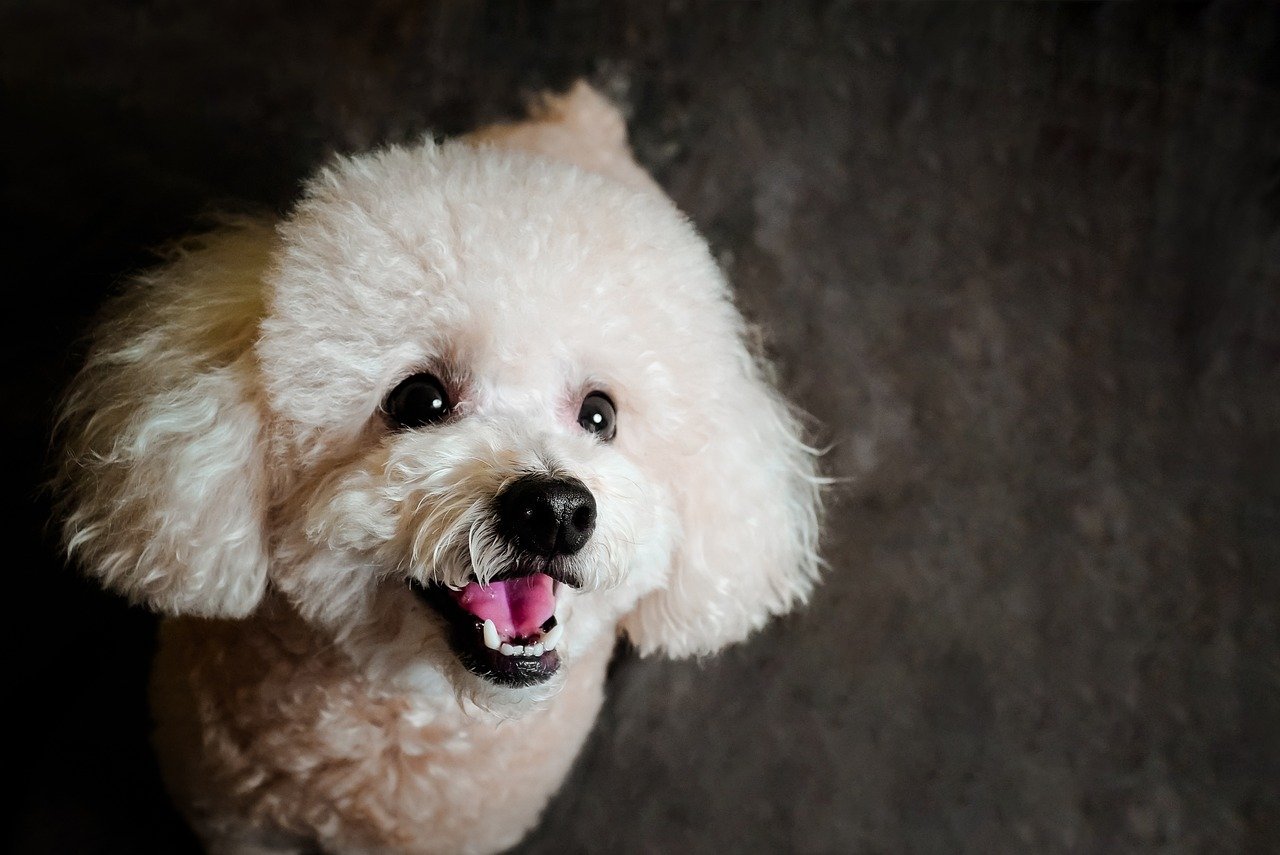
That hypoallergenic coat is a big deal for teachers. If you’ve ever thought about bringing your dog to school for a special event or reading program, allergies are always the concern. Poodles produce significantly less dander than most breeds, which opens up possibilities that a Lab or Golden simply can’t.
Standard Poodles weigh 40-70 pounds and need regular exercise, while Miniatures (10-15 pounds) are better suited for smaller spaces. Either way, you’re getting a dog that’s eager to please, easy to train, and won’t leave your furniture covered in fur.
6. Pembroke Welsh Corgi
Corgis are everywhere on the internet, and there’s a reason for that. They’re funny, expressive, and packed with personality in a compact 25-30 pound body. They were originally herding dogs, so they’re smart, responsive, and surprisingly athletic for their size.
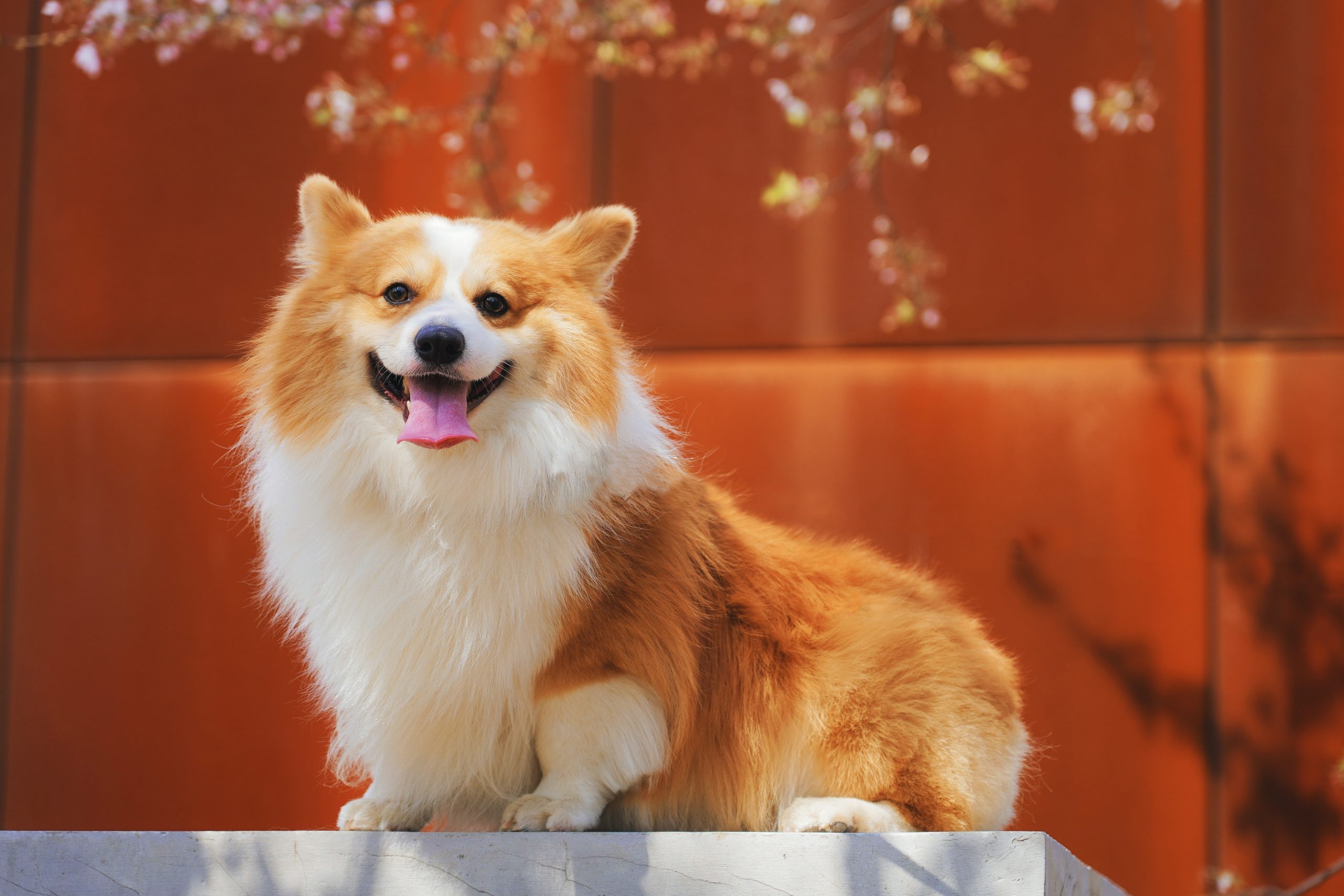
For teachers, Corgis offer a nice middle ground: small enough for any living situation but tough enough to join you on weekend hikes. They’re great with kids too, though that herding instinct sometimes kicks in. Don’t be surprised if your Corgi tries to “herd” your students during a school visit. Most kids find it hilarious.
One heads up: Corgis shed like they’re getting paid for it. They blow their coat twice a year, and during those weeks, you’ll find fur in places you didn’t think fur could reach. A good deshedding brush is a must.
7. Bichon Frise
Bichons are like having a tiny, perpetually happy cloud living in your house. They weigh 12-18 pounds, they barely shed, and they have this natural cheerfulness that’s genuinely contagious. After eight hours of managing classroom behavior, a Bichon bouncing around your living room is exactly the energy shift you need.
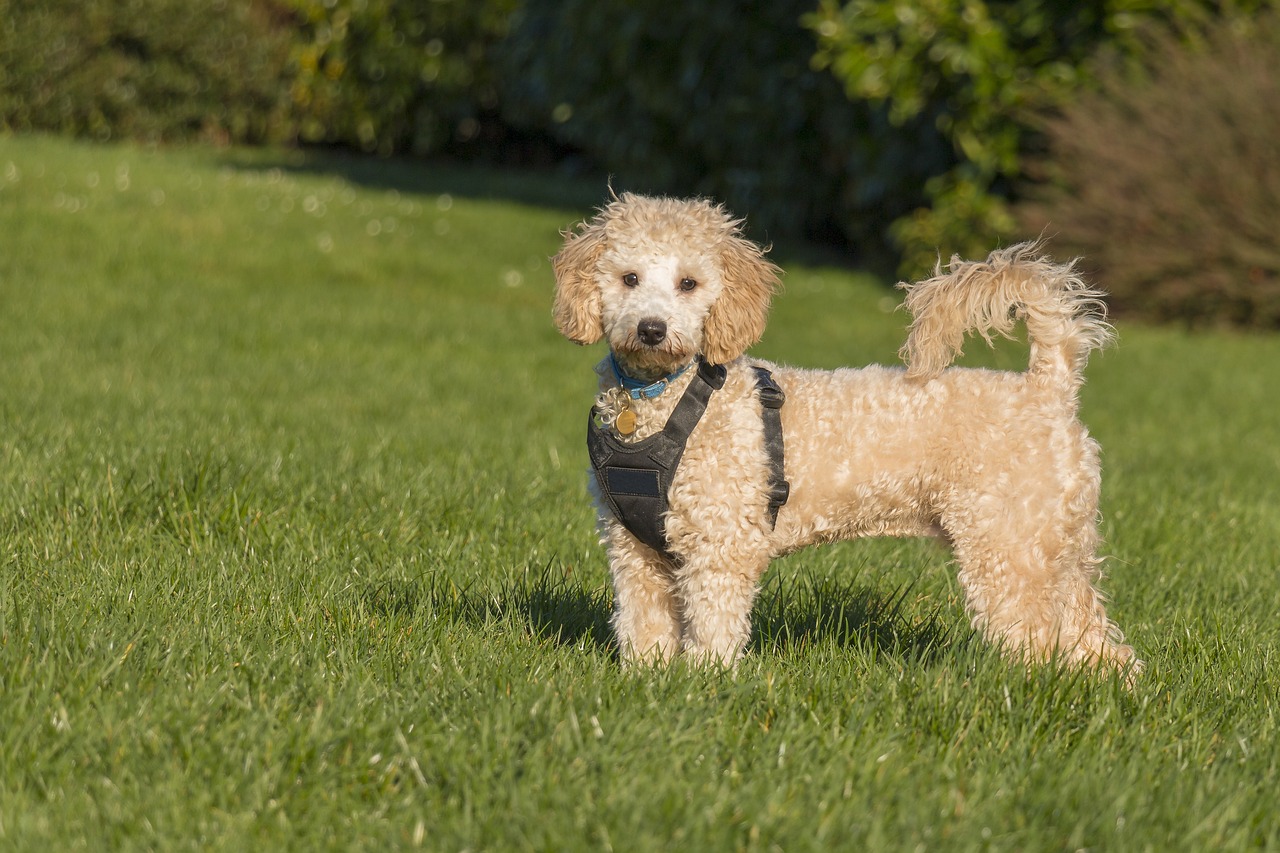
Like Poodles, Bichons are hypoallergenic, which makes them a strong pick for teachers who might bring their dog to school events. They’re gentle with younger kids and have enough patience for even the roughest toddler petting. They do need regular grooming (every 4-6 weeks for that signature fluffy look), but their low-shedding coat means your black pants are safe.
Exercise needs are minimal. A couple of short walks and some indoor playtime will keep a Bichon perfectly happy. That’s a real advantage during the school year, when your free time practically disappears.
8. Boxer
Boxers are the class protector. They’re loyal, affectionate, and endlessly playful, with a goofy streak that makes them impossible not to love. They form incredibly strong bonds with their families and are fiercely protective without being aggressive.
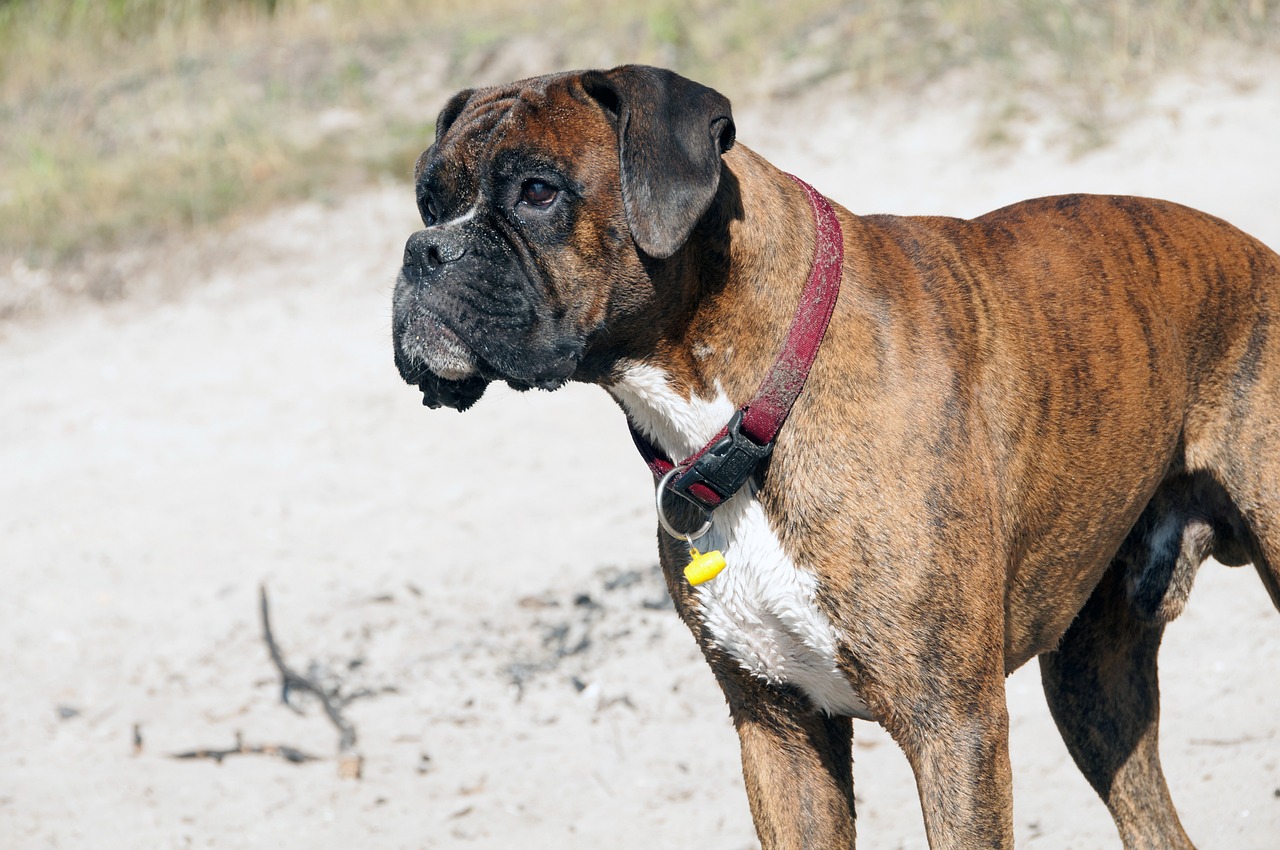
For teachers with kids of their own, Boxers are one of the best family dogs around. They’re patient, they love roughhousing, and they have a natural instinct to watch over children. They’re also the kind of dog that’ll sprint laps around the backyard with your kids and then collapse next to you on the couch for movie night.
The trade-off? Boxers are high-energy dogs. They need at least 60 minutes of exercise daily, and a bored Boxer will find creative (read: destructive) ways to entertain itself. They’re best for teachers who are active outside of school hours and have a yard for them to burn off steam.
9. Australian Shepherd
Aussies are the overachievers of the dog world. Smart, driven, and always ready to learn something new. If you’re the kind of teacher who runs the after-school club, coaches a sport, and still has energy for a weekend hike, an Aussie will match you stride for stride.
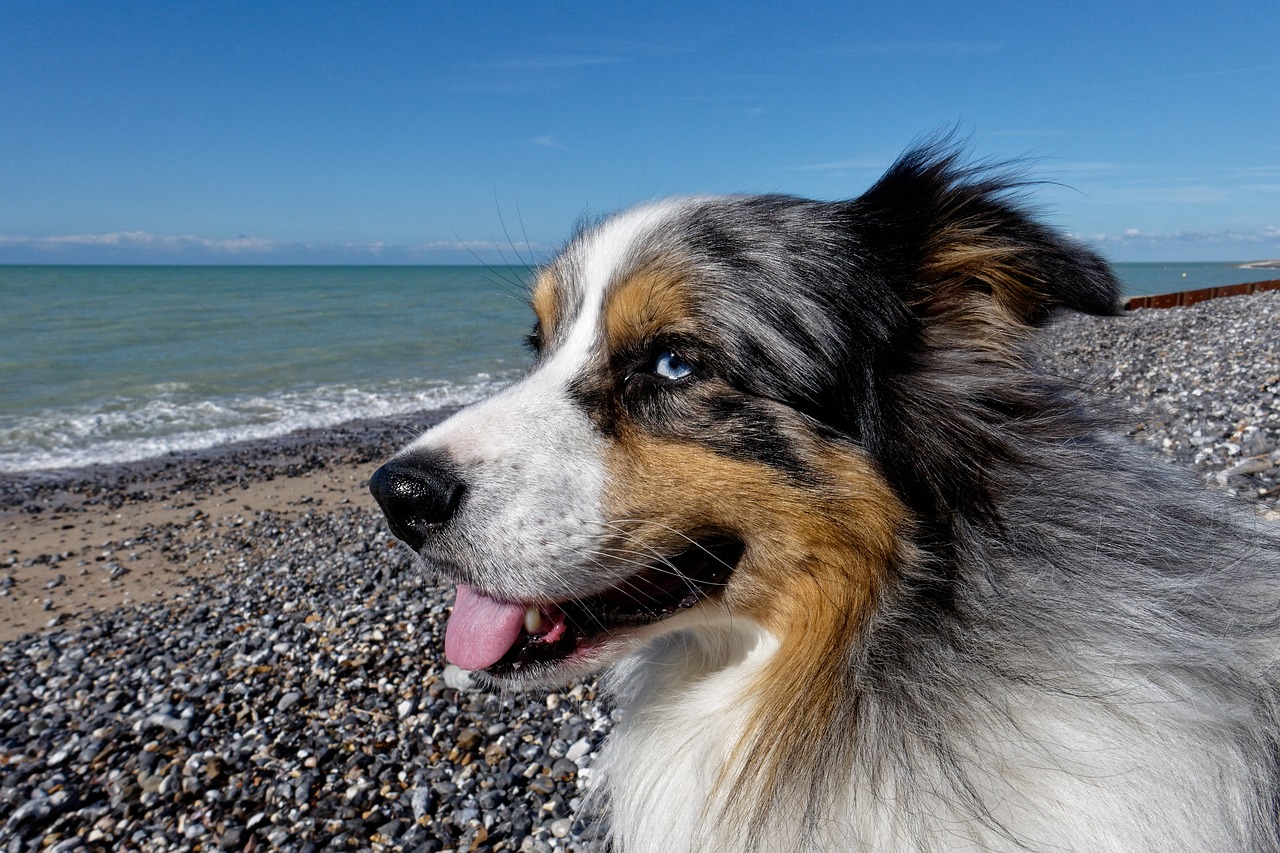
They’re incredibly trainable and rank among the most loyal dog breeds you’ll find. Aussies bond deeply with their owners and thrive on mental stimulation, whether that’s learning tricks, running agility courses, or figuring out a puzzle toy.
The catch: they’re not a good fit for teachers who just want a chill couch buddy after work. Aussies need 90+ minutes of exercise per day, and they need mental challenges on top of that. If they don’t get enough stimulation, they’ll start herding your furniture. Seriously. But if you’re an active person, they’re unbeatable.
🏃 High-Energy Breeds: Teacher Compatibility Check
Australian Shepherd: 90+ min exercise/day. Best for PE teachers, coaches, outdoor enthusiasts
Border Collie: 90+ min exercise/day. Best for rural teachers with property or agility hobbyists
Boxer: 60+ min exercise/day. Best for active families with a yard
10. Border Collie
Border Collies are the smartest dog breed on the planet. Full stop. They can learn hundreds of words, follow multi-step commands, and solve problems that would stump most dogs. If intelligence is your top priority, nothing comes close.
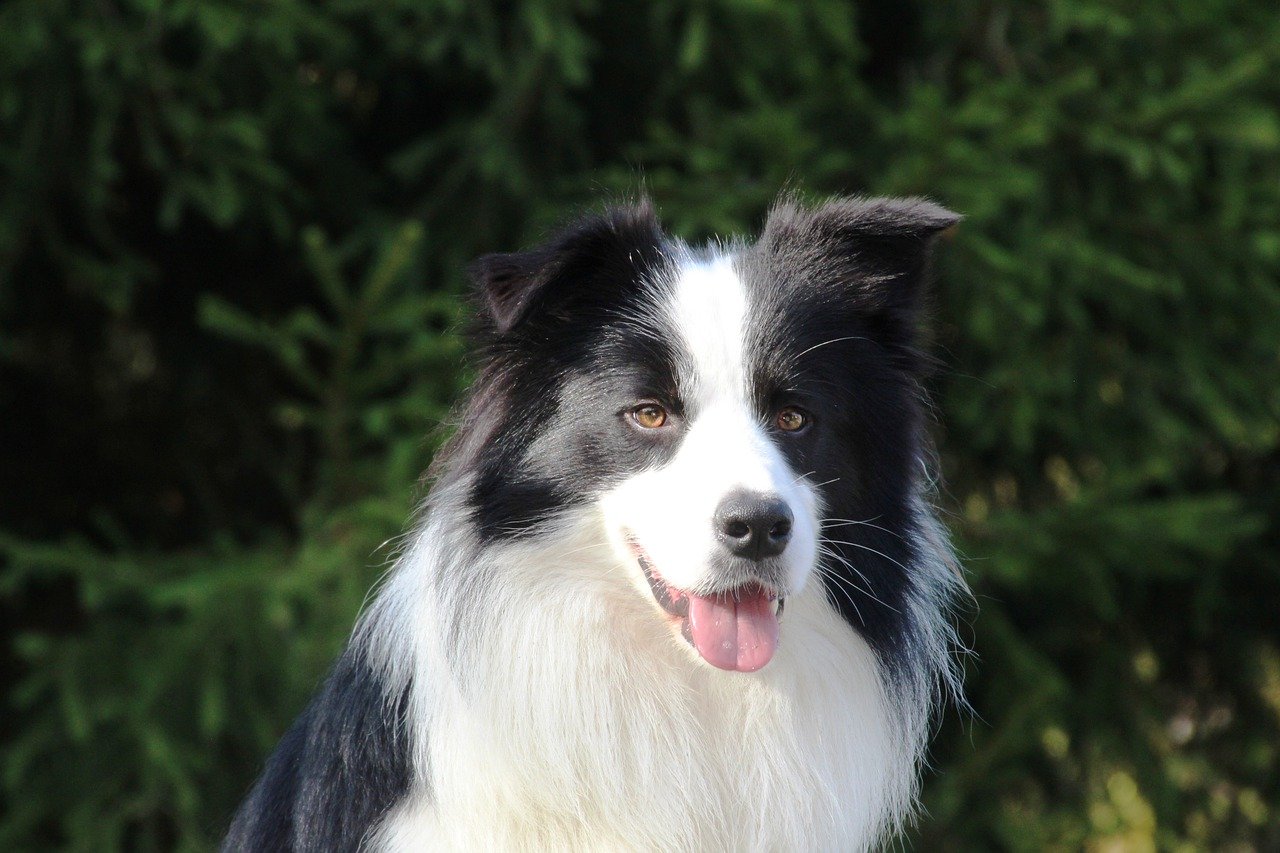
For teachers, that brainpower is a double-edged sword. A well-exercised, mentally stimulated Border Collie is the most amazing companion you could ask for. But an under-stimulated one? They’ll redecorate your living room. They need a job to do, whether that’s agility training, frisbee, herding (yes, actual herding), or advanced obedience work.
If you live in a rural area or have access to a lot of outdoor space, and you’re willing to commit serious time to exercise and training, a Border Collie will give you a partnership unlike anything else in the dog world. They’re not for everyone, but the teachers who match with them wouldn’t trade them for anything.
11. Shih Tzu
Shih Tzus were bred to be companions, and they’ve perfected the role over thousands of years. At 9-16 pounds, they’re portable, adaptable, and perfectly content to spend the evening on your lap while you grade papers. No guilt trips about skipping the evening walk when it’s raining, because they’d honestly rather stay inside too.
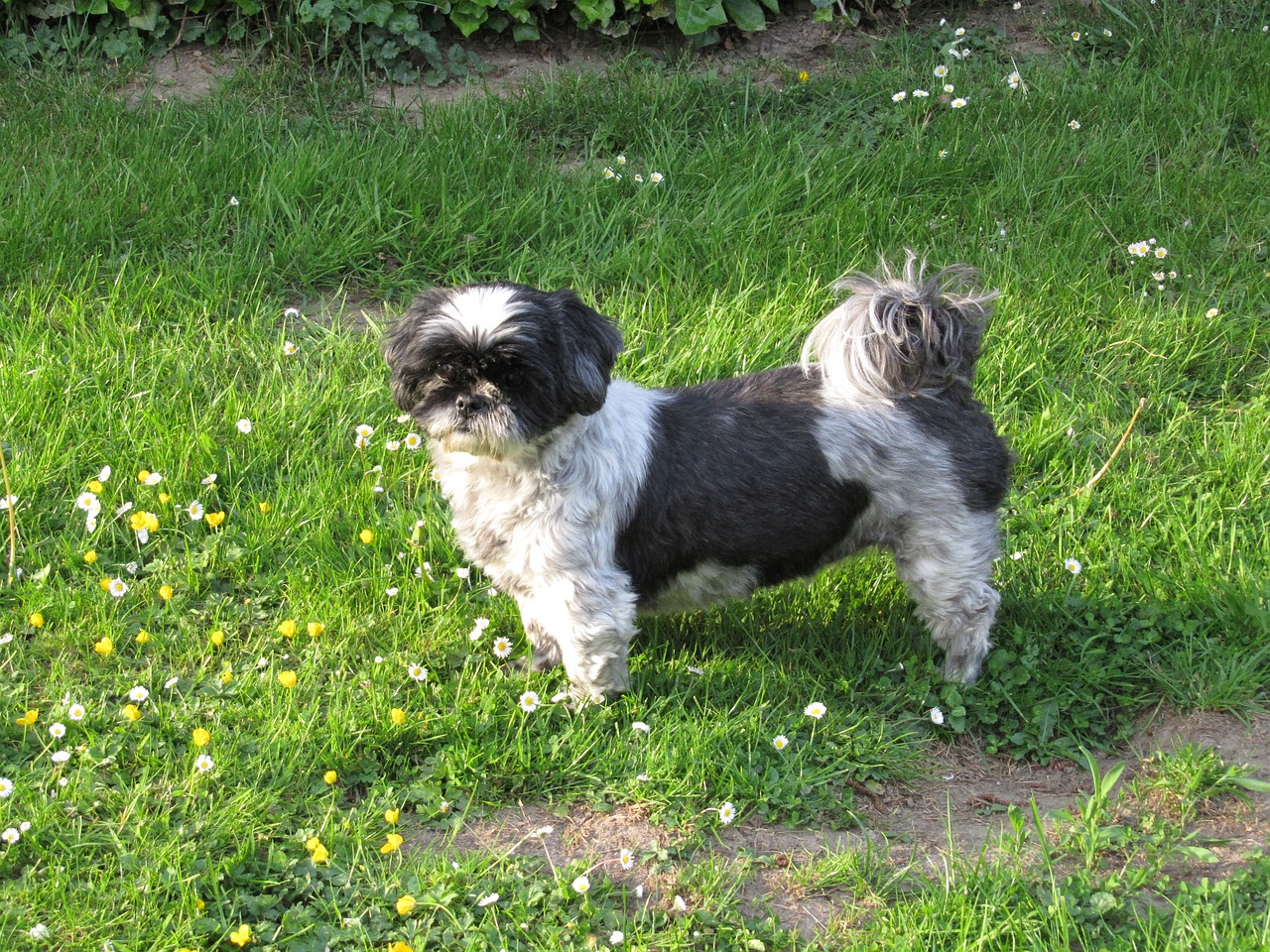
They’re surprisingly good with kids too. Their patience is legendary, and they have a calm confidence that means they rarely get rattled by loud noises or chaotic environments. Sound familiar? That’s basically every school in America.
Grooming is the main commitment. Their long coats need regular brushing (daily if kept long, or you can opt for a puppy cut that’s much easier to maintain). But exercise-wise, they’re about as low-maintenance as dogs get. A 20-minute walk and some indoor play is plenty.
12. Irish Setter
Irish Setters are the life of the party. They’re playful, outgoing, and have a zest for life that’s absolutely infectious. If you’re a teacher who loves spending weekends outdoors, running, hiking, or just playing in the park with your kids, an Irish Setter will be your perfect adventure buddy.
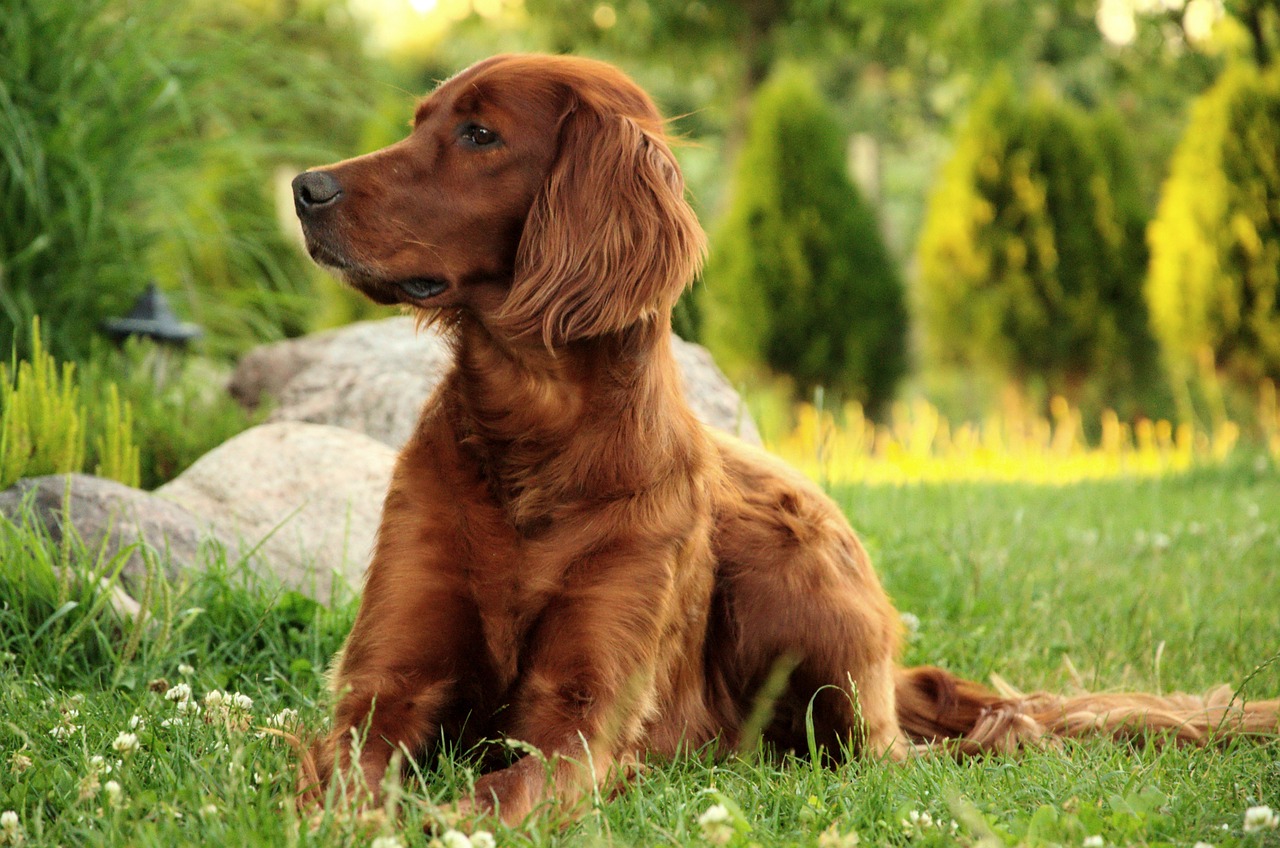
They’re also one of the friendliest dog breeds for homes with frequent visitors. Irish Setters greet everyone like a long-lost friend, which makes them great for families who entertain or have kids constantly bringing friends over. They’re patient with children and have a sweet, gentle nature that belies their size (they typically weigh 60-70 pounds).
Like Boxers and Aussies, Irish Setters are high-energy. They need at least 60-90 minutes of exercise daily. They mature slowly too, so expect puppy-like behavior well into their third year. If you can handle the energy, you’ll get one of the most devoted, joyful companions around.
How to Pick the Right Breed for Your Teaching Schedule
Choosing a dog isn’t just about which breed you like the look of. Your daily routine matters. A lot. Here’s a quick framework:
If you’re gone 8-10 hours a day: Stick with breeds that handle alone time well, like Shih Tzus, Beagles, or Labs. Avoid Cavaliers and Border Collies, which can develop separation anxiety.
If you live in an apartment: Smaller breeds like Cavaliers, Bichons, and Shih Tzus are your best bet. Standard Poodles and Corgis can work too, but they need dedicated outdoor time.
If you want a running or hiking partner: Aussies, Border Collies, and Irish Setters will outpace you. Labs and Goldens are solid middle-ground options.
If allergies are a concern: Poodles and Bichons are your safest choices. Both produce minimal dander.
If you have young kids at home: Labs, Goldens, Beagles, and Boxers are all excellent with children. Cavaliers and Shih Tzus work great for calmer households.
🎓 Breed Match by Teaching Style
Elementary teacher (lots of kid interaction): Lab, Golden, Beagle
High school teacher (longer hours, more grading): Shih Tzu, Cavalier, Bichon
PE teacher or coach (active lifestyle): Aussie, Border Collie, Irish Setter
Special education (calm, therapeutic environment): Golden, Cavalier, Poodle
Frequently Asked Questions
What’s the best dog breed for a teacher who lives alone?
Labs and Golden Retrievers are great because they’re independent enough to handle your work hours but still excited to see you when you get home. Shih Tzus work well too if you want something smaller and lower-energy. The key is picking a breed that doesn’t develop severe separation anxiety during the school day.
Can teachers bring their dogs to school?
It depends on your school’s policy. Some schools welcome therapy dogs or allow pets for special events. If your school is open to it, calm, friendly breeds like Goldens, Labs, and Cavaliers tend to do best in classroom settings. Always check with your administration first.
How much does it cost to own a dog as a teacher?
Budget roughly $1,500-$3,000 per year for food, vet visits, grooming, and supplies. Larger breeds typically cost more to feed, and breeds like Poodles and Bichons need regular professional grooming ($40-$80 every 4-6 weeks). Pet insurance runs $30-$60/month and can save you thousands on unexpected vet bills.
What if I work long hours and can’t walk my dog midday?
Doggy daycare ($25-$50/day), a dog walker ($15-$25/walk), or even a trusted neighbor can fill the gap. Low-energy breeds like Shih Tzus and Cavaliers handle longer stretches better, but no dog should be left alone for more than 8-10 hours regularly.
Are mixed breeds a good option for teachers?
Absolutely. Mixed breeds from shelters can be incredible companions, and they often come with fewer breed-specific health issues. Look for a dog with a calm temperament, good social skills, and moderate energy. Many shelters will let you foster first, so you can test the fit before committing.
Which dog breeds are best for teachers with allergies?
Poodles (Standard or Miniature) and Bichon Frises are the top hypoallergenic picks. Both produce very little dander and don’t shed, which makes them safer for teachers with allergies and better candidates for school visits where student allergies might be a concern.
The Best Dog for You Is the One That Fits Your Life
Here’s the thing nobody tells you about picking a dog breed: the “best” one doesn’t exist. There’s only the best one for you. A Border Collie is an incredible dog, but not if you’re exhausted after work and just want something to cuddle. A Shih Tzu is the perfect low-key companion, but not if you’re training for a half marathon and want a running partner.
Think honestly about your schedule, your energy levels on a random Tuesday in February, and how much time you can realistically give. Then match that to a breed’s actual needs, not the Instagram version of the breed.
Whatever you pick, you’re giving a dog a great home. And you’re giving yourself a reason to smile every single day, no matter how many papers are left to grade. That’s pretty hard to beat.
 Toledo, United States.