
 Shutterstock
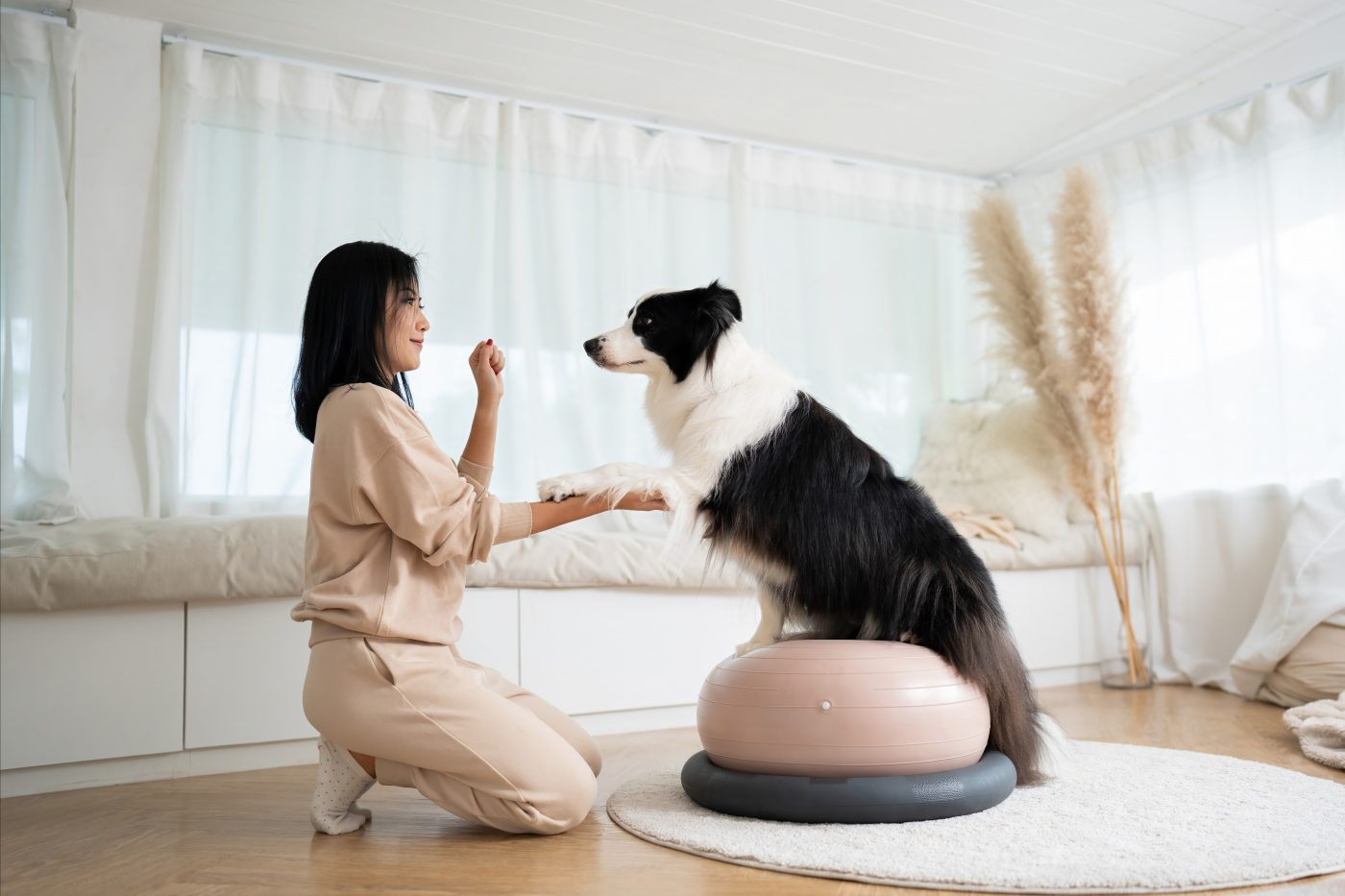
House training is a vital milestone for any dog owner, as it builds trust, communication, and habits that last a lifetime. While all dogs can be house-trained with patience and consistency, some breeds make the process easier thanks to their intelligence, eagerness to please, or natural cleanliness. These dogs quickly adapt to routines and understand commands, turning what might seem daunting into a smooth experience. For pet parents, especially first-timers, these breeds are a perfect match for stress-free house training.
Labrador Retriever
 Shutterstock
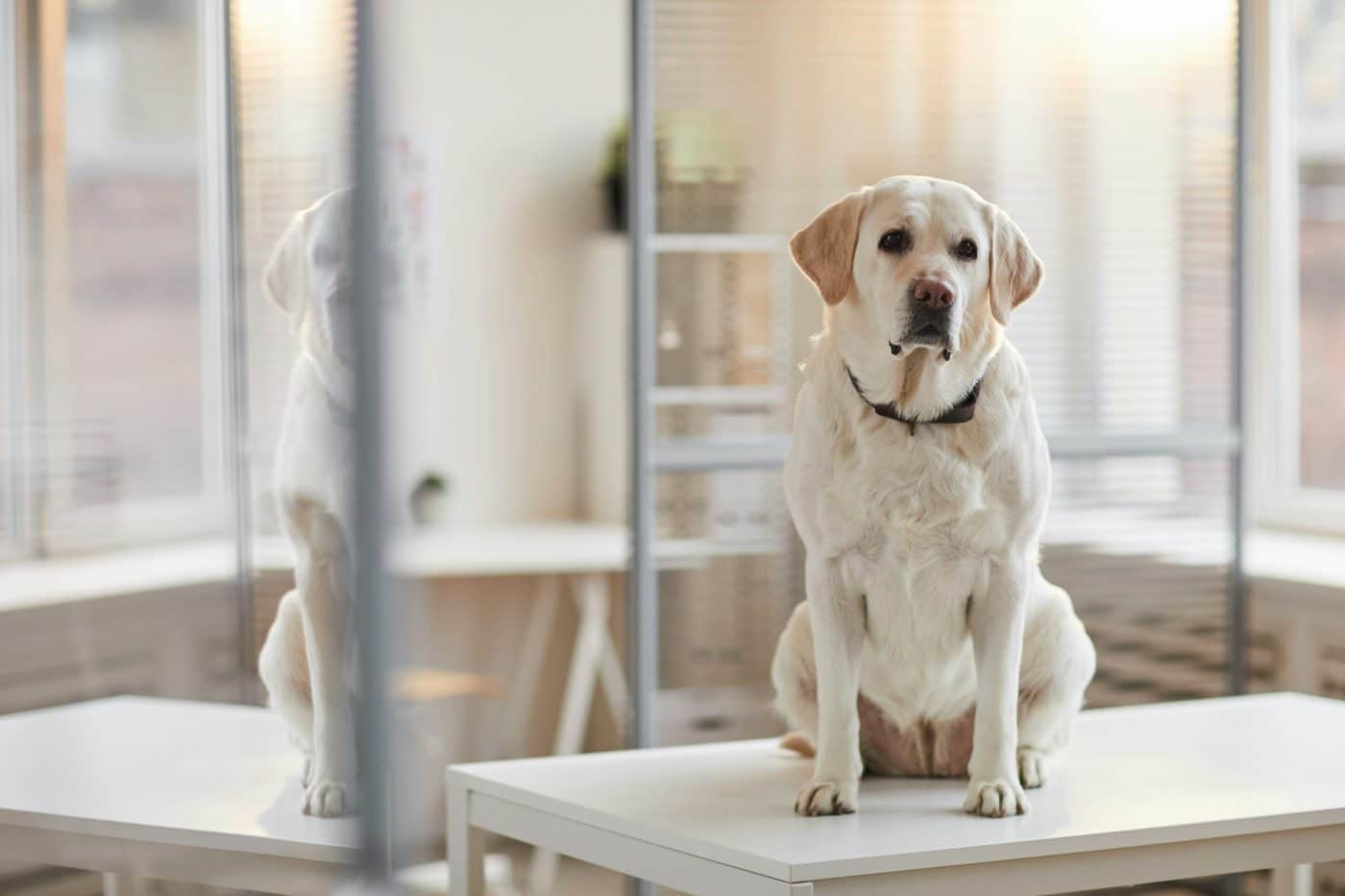
Labrador Retrievers are known for their intelligence and eagerness to please, making them one of the easiest breeds to house-train. Their love for structure and routine helps them quickly adapt to bathroom schedules. Labs are highly food-motivated, so positive reinforcement with treats and praise works wonders during training. They’re also naturally clean dogs, which minimizes accidents inside the home. With consistency and patience, Labradors can quickly become house-training pros, leaving more time for their favorite activity—playtime!
Poodle
 Shutterstock
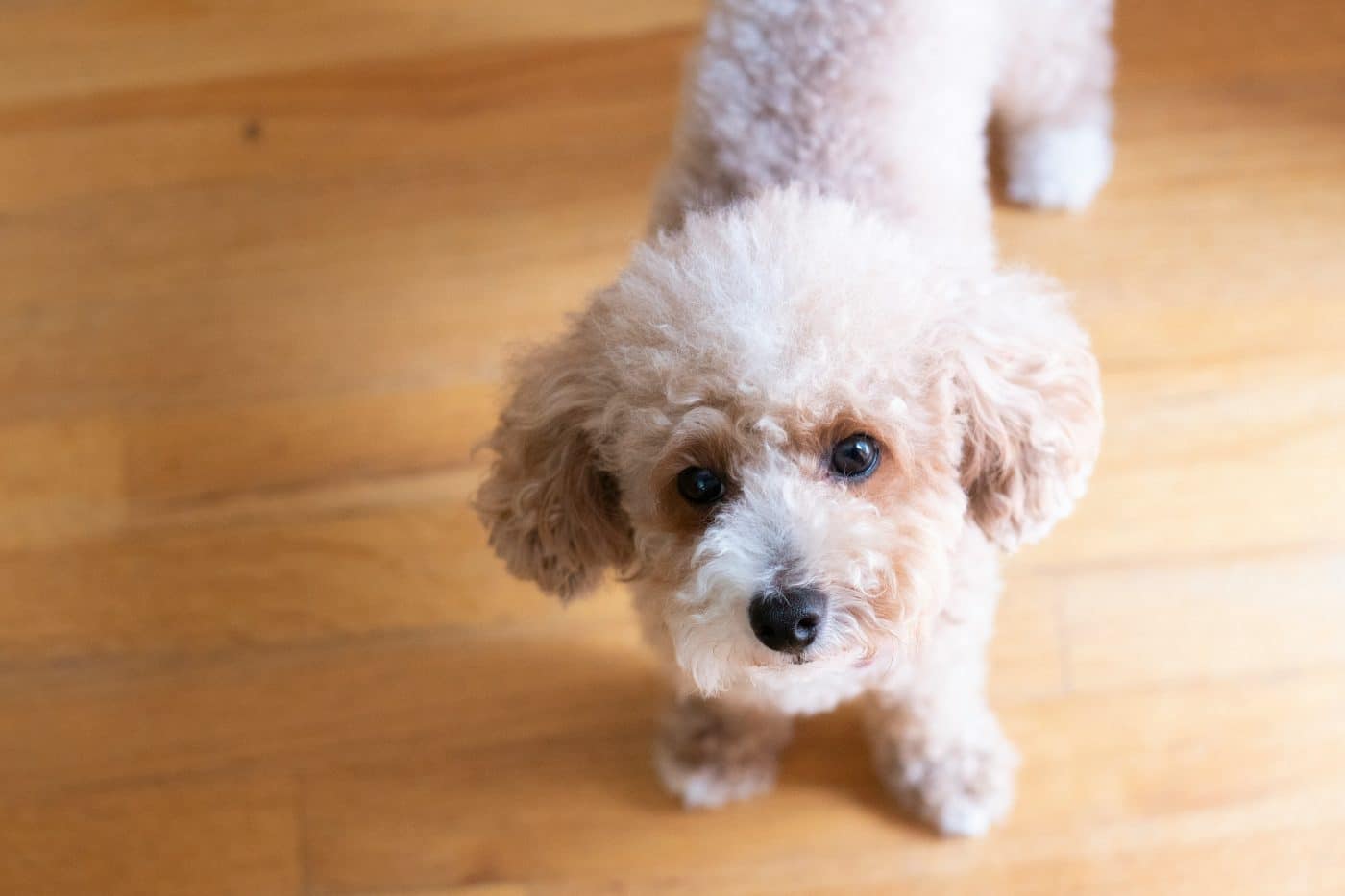
Poodles, whether standard, miniature, or toy, are among the smartest breeds, and their intelligence extends to house training. These dogs pick up on routines quickly and thrive on praise and rewards. Poodles are highly adaptable, making them great for families or individuals in various living situations. Their keen observational skills allow them to learn bathroom etiquette by watching other dogs or following your guidance. A structured training schedule and a little patience will have a Poodle house-trained in no time.
Shih Tzu
 Shutterstock
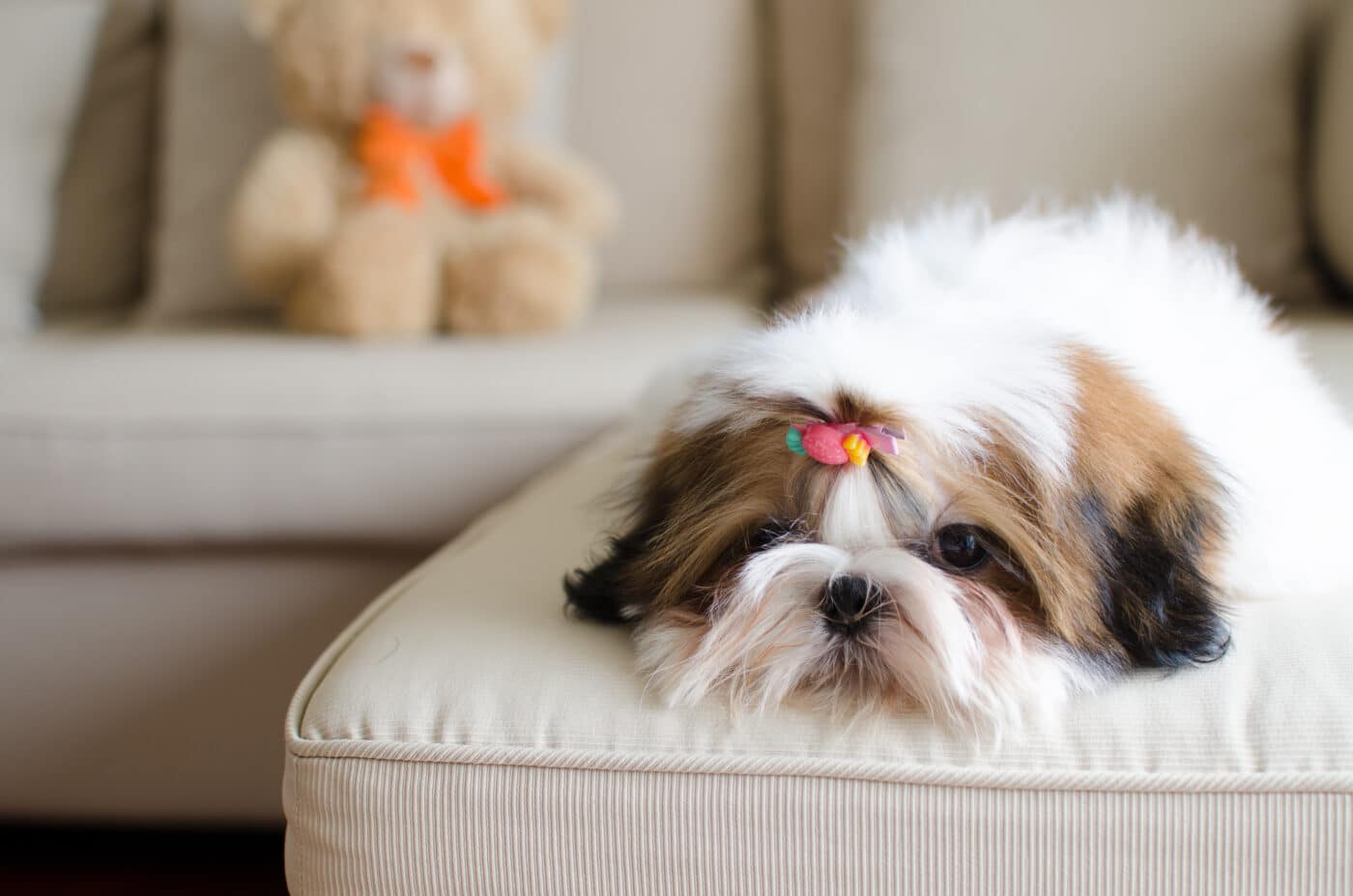
Despite their reputation for being pampered lapdogs, Shih Tzus are surprisingly quick learners regarding house training. Their desire to please their owners makes them responsive to positive reinforcement techniques like treats and praise. While they might have a little stubborn streak, their small size makes accidents easier to manage, and they adapt well to routines. Patience and consistency are key, but Shih Tzus can become house-training champions with the right approach.
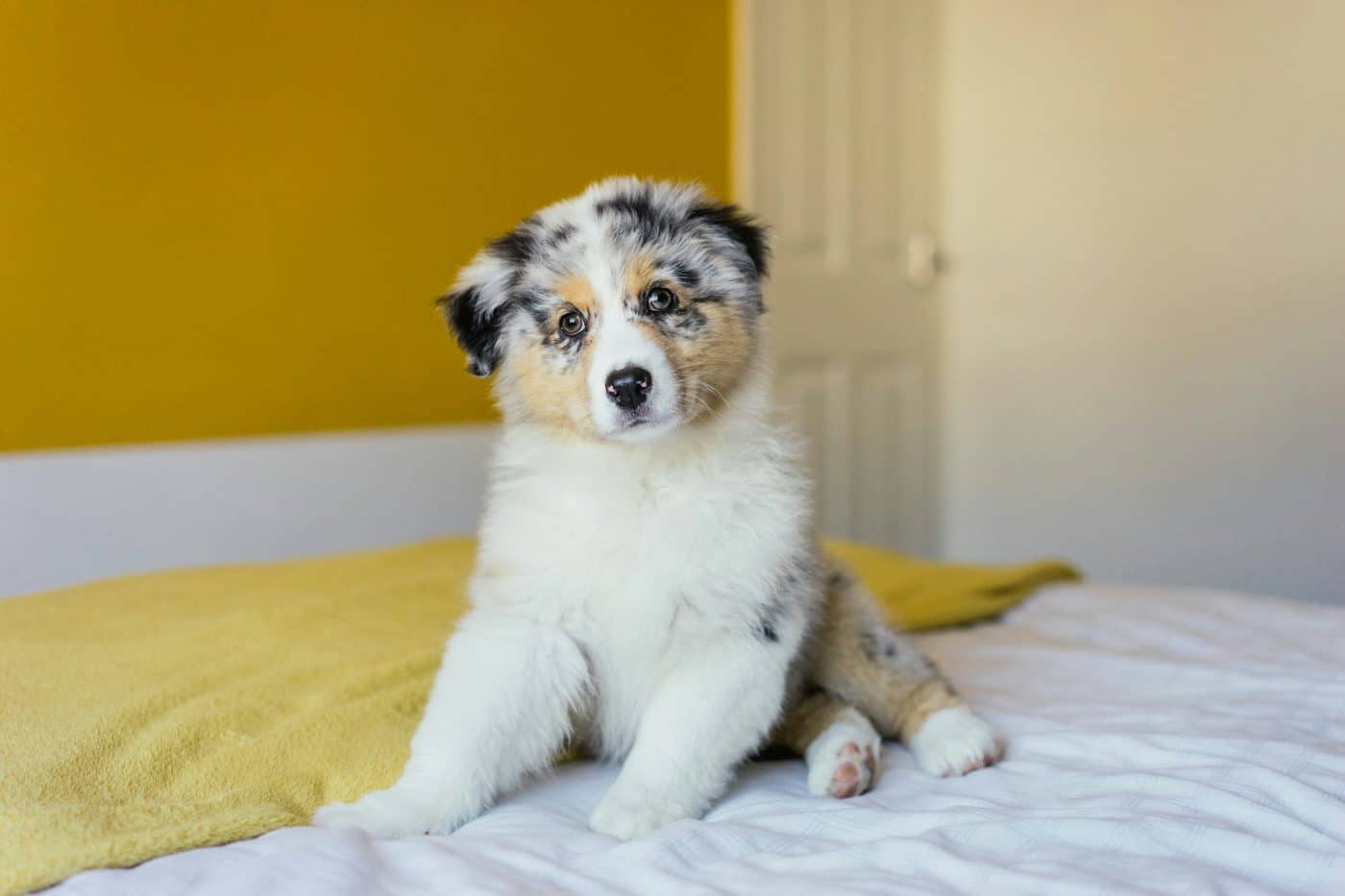
Australian Shepherd
 Shutterstock
Australian Shepherds are known for their intelligence, focus, and trainability, making them one of the easier breeds to house-train. These energetic dogs thrive on routine and structure, so establishing a consistent schedule is essential. They quickly pick up on patterns and cues, making them attentive students during training sessions. Aussies love positive reinforcement and will work hard to earn praise and affection. With regular outdoor breaks and plenty of encouragement, an Australian Shepherd will master house training in no time.
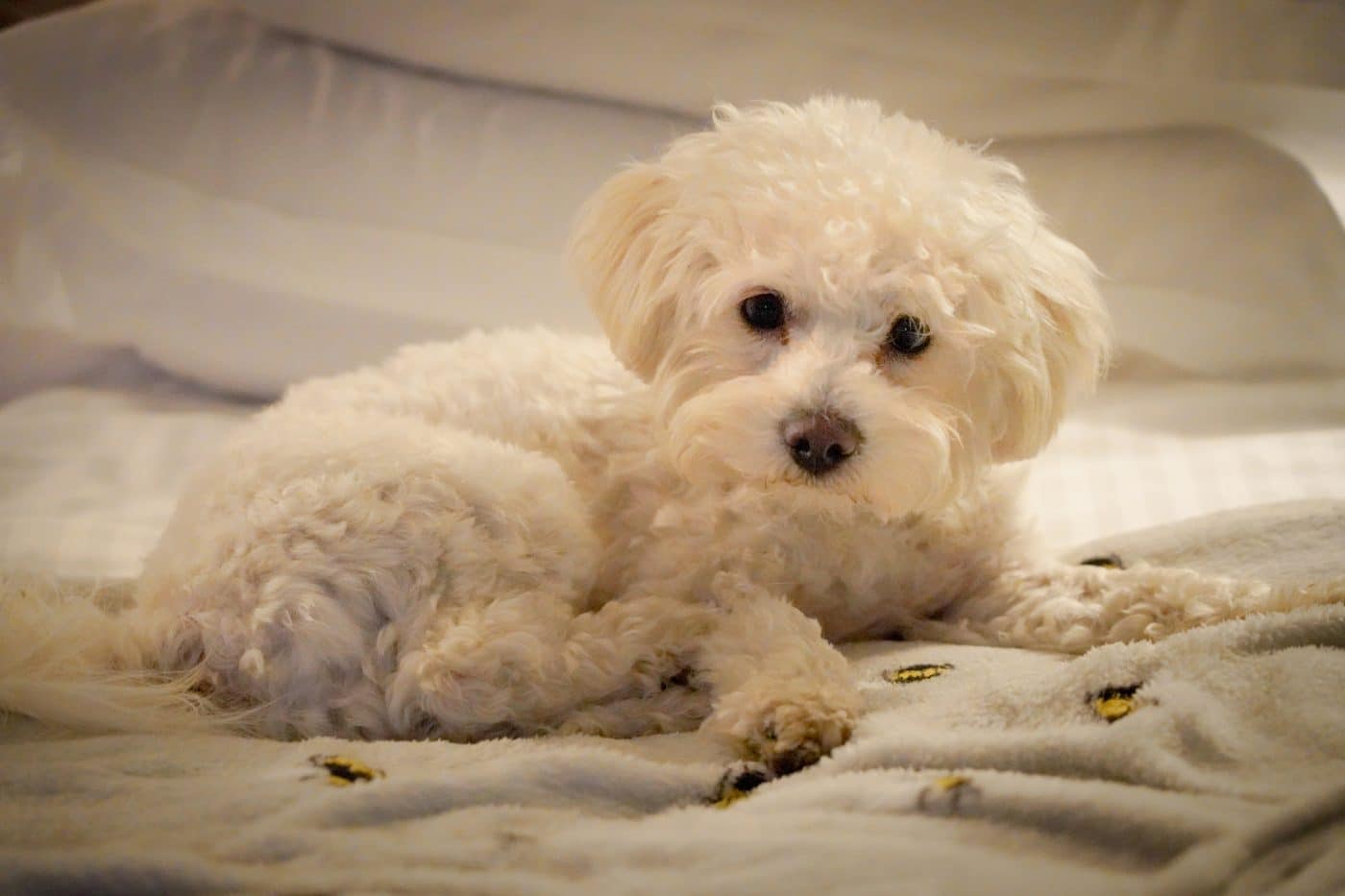
Bichon Frise
 Shutterstock
The bichon frise’s cheerful and eager-to-please nature makes them surprisingly easy to housetrain. These small, fluffy dogs thrive on attention and positive reinforcement, responding well to treats and praise. Bichons love having a routine, which helps them quickly adapt to bathroom schedules. While their tiny bladders require frequent breaks, their intelligence and cleanliness make them quick learners. With patience and consistency, Bichons become house-training pros and delightful indoor companions.
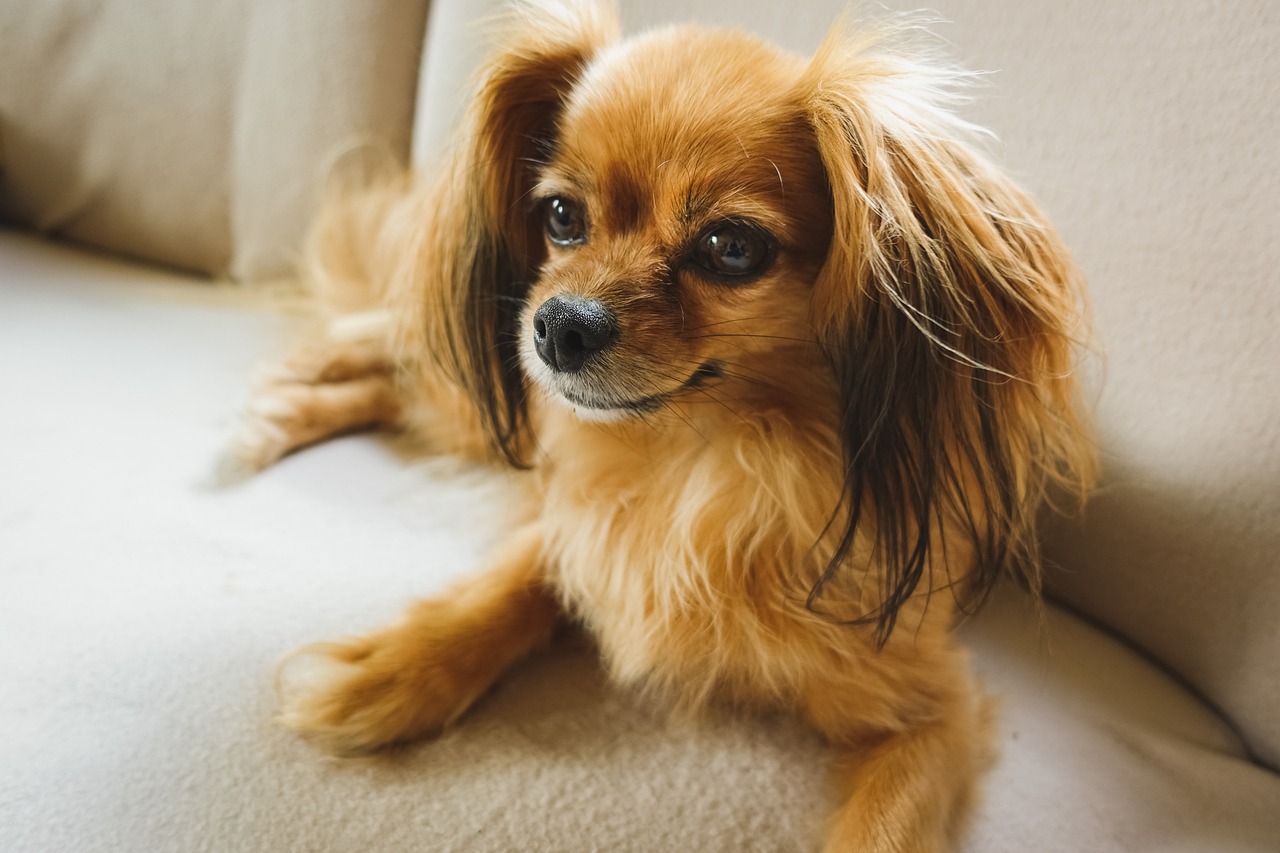
Papillon
 Shutterstock
Papillons are highly intelligent and responsive, making house training a relatively easy task. These tiny, elegant dogs are eager to please and love learning new things, including where to do their business. Papillons respond well to structured routines and positive reinforcement, such as treats and praise. They’re also observant and quick to pick up on cues, which speeds up the training process. Once house-trained, Papillons are neat, tidy companions who bring charm to any home.
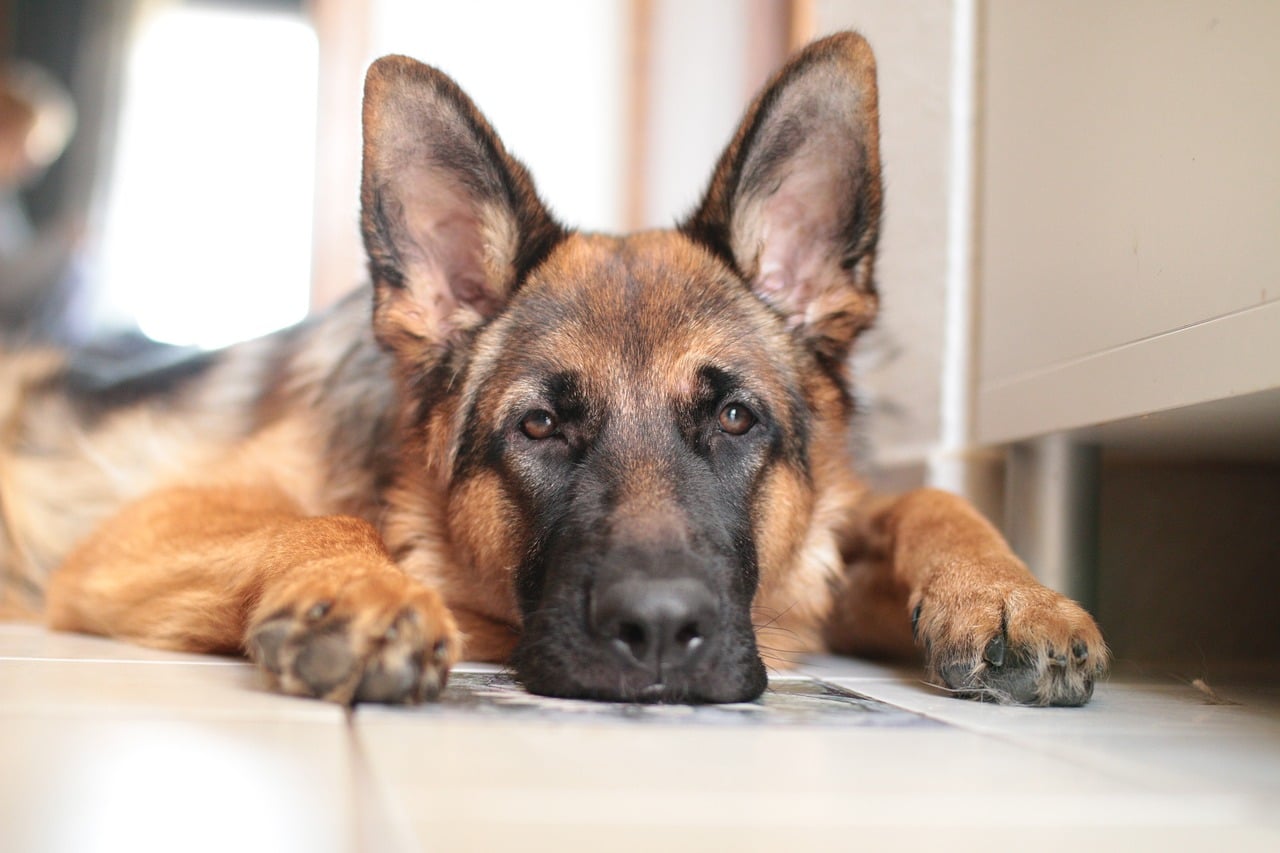
German Shepherd
 Shutterstock
German Shepherds are renowned for their intelligence and trainability, which extend to house training. These loyal and disciplined dogs quickly understand routines and commands, making them attentive trainees. German Shepherds thrive on positive reinforcement and are eager to please their owners, which speeds up the learning process. Their strong work ethic ensures they take house training seriously and aim to master it quickly. With consistency and praise, a German Shepherd will soon prove they’re as reliable in the home as they are in other areas.
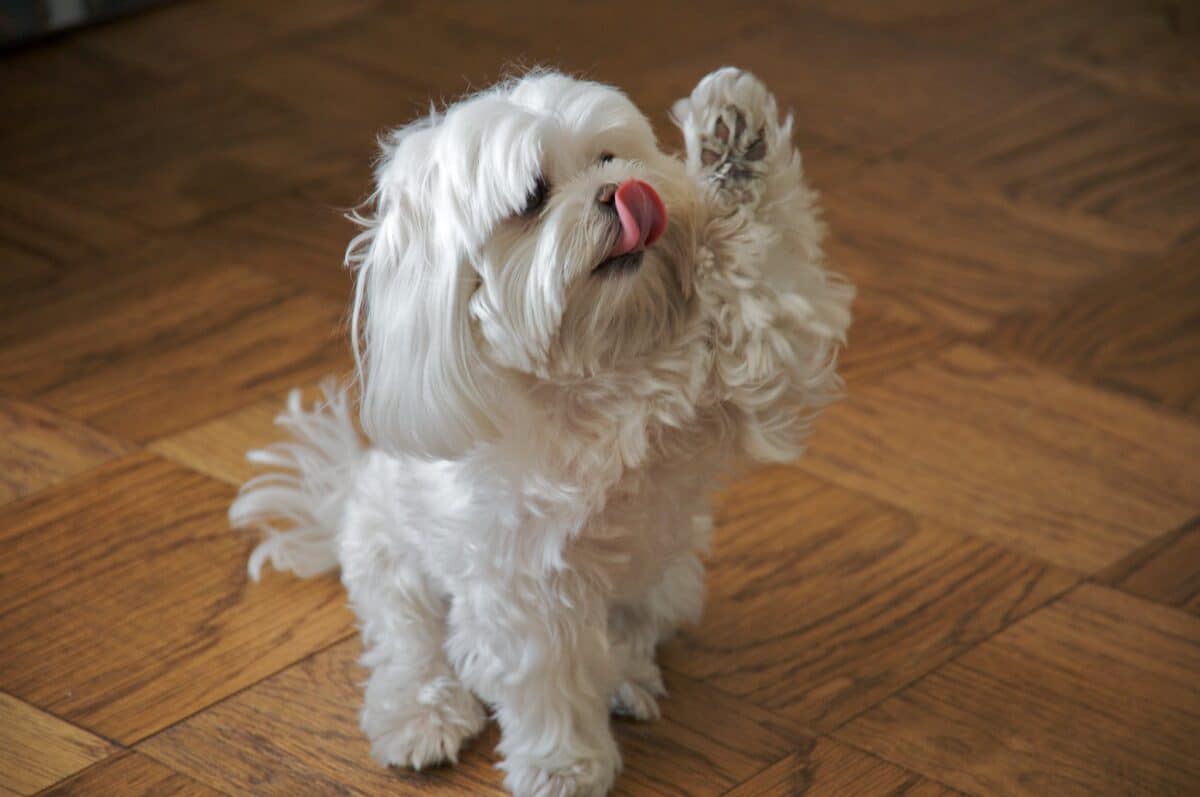
Maltese
 Shutterstock
Maltese dogs might be small, but their trainability is mighty. These adorable, white-coated companions love learning and excel when routines are clear and consistent. They respond well to positive reinforcement, such as treats and enthusiastic praise, which motivates them during house training. While their small size means frequent potty breaks are necessary, their intelligence and eagerness to please make the process straightforward. With the right approach, a Maltese can master house training and become a tidy, affectionate housemate.
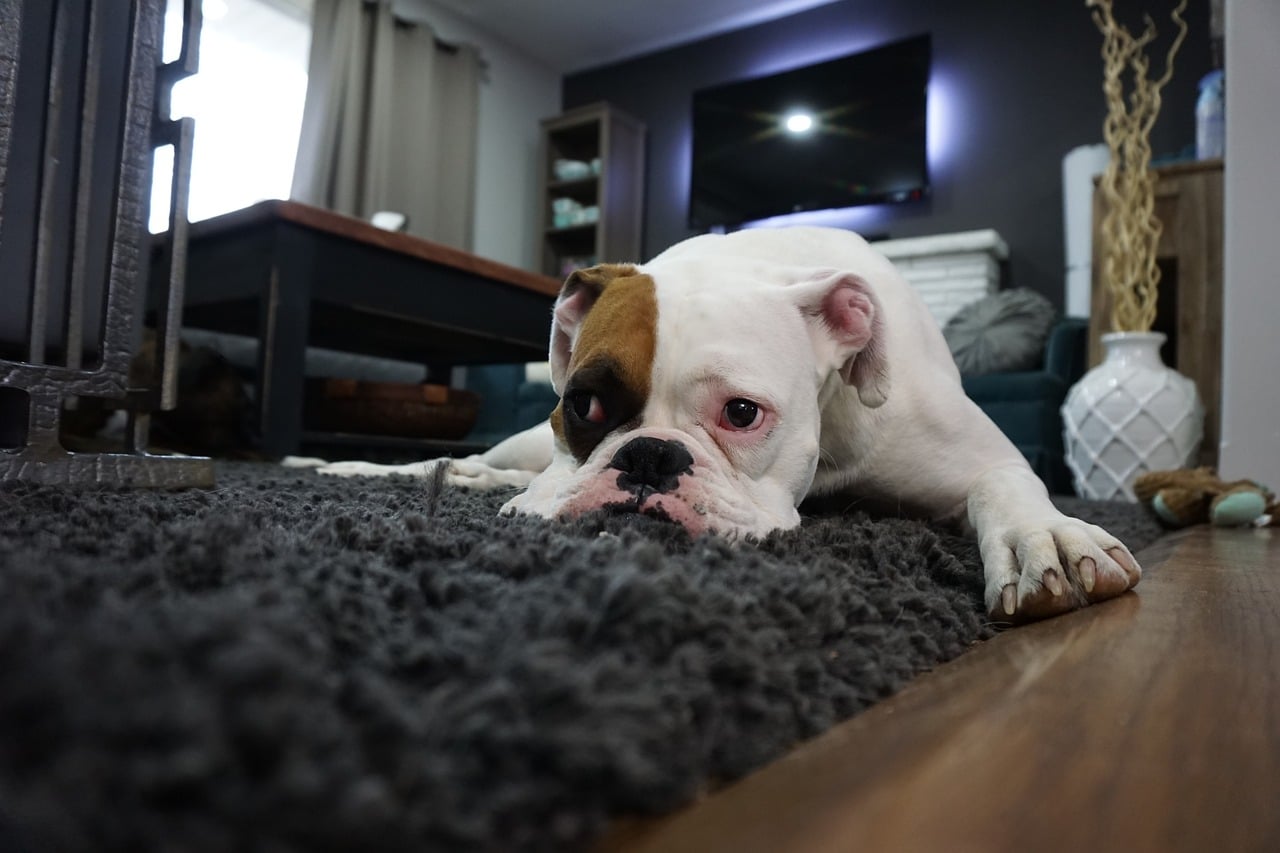
Boxer
 Shutterstock
Boxers are playful and energetic, but their intelligence and eagerness to please make them easy to house-train. They thrive on routine and clear communication, quickly associating outdoor trips with bathroom breaks. Boxers respond well to positive reinforcement and enjoy the challenge of learning new things, including house-training basics. While their energy levels mean they need plenty of exercises; their trainability ensures they’ll quickly get the hang of where to do their business. With consistency, Boxers make loyal and well-trained companions.
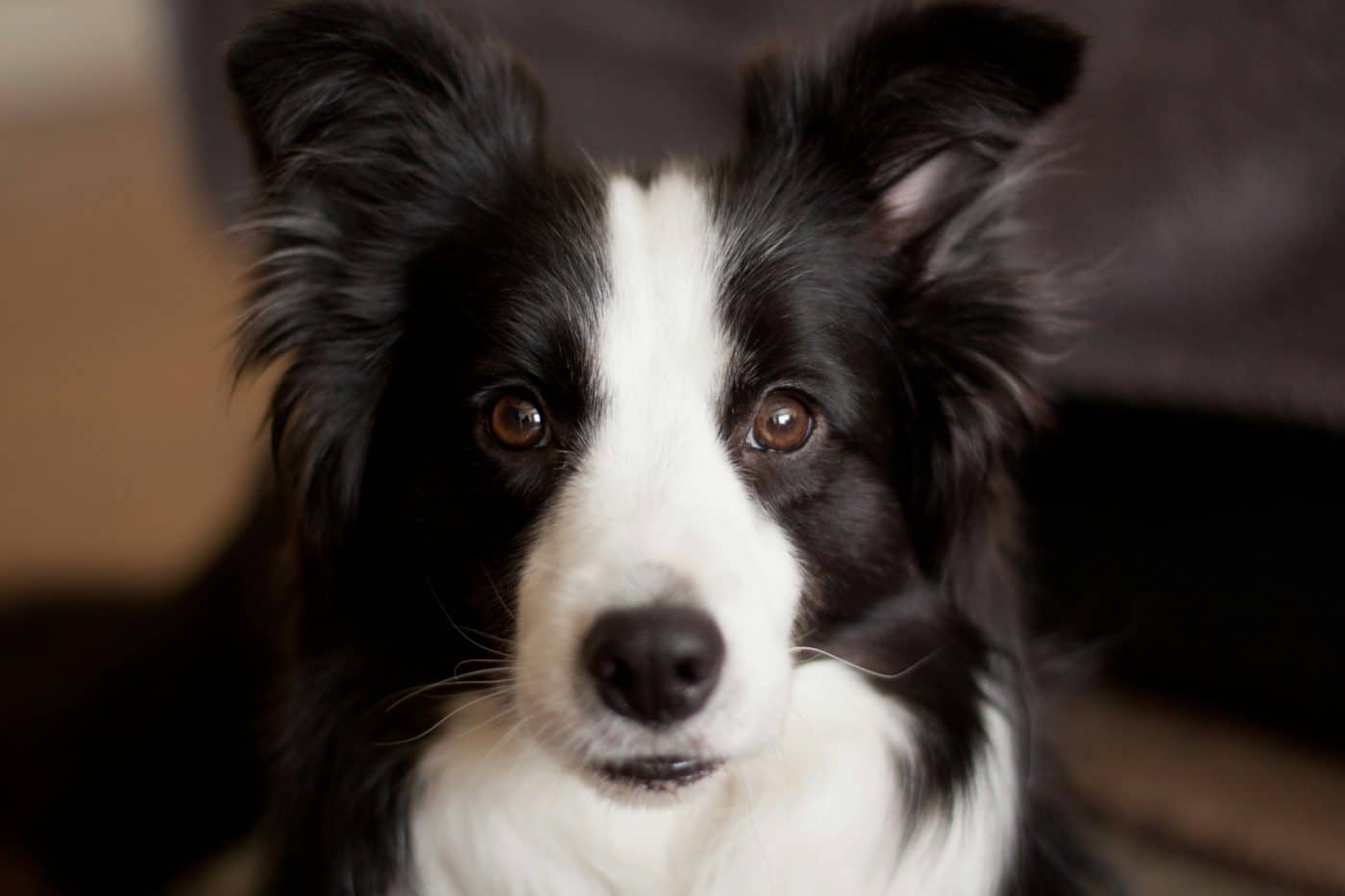
Border Collie
 Shutterstock
As one of the most intelligent breeds, Border Collies excel at understanding and following commands, including house-training instructions. Their strong work ethic and eagerness to learn to make them attentive students during training. Border Collies also enjoy having a job to do, so incorporating house training into their daily routine keeps them mentally stimulated. Be consistent; they’ll quickly associate the right behaviors with positive reinforcement. A well-trained Border Collie is a clean housemate and a delightful companion.
Doberman Pinscher
 Shutterstock
Doberman Pinschers are known for their intelligence, loyalty, and eagerness to learn, all contributing to their ease of house training. These sleek, athletic dogs pick up on routines quickly and respond well to structured training methods. Positive reinforcement, such as treats and praise, motivates them to master house-training basics. Dobermans also thrive on forming strong bonds with their owners, which makes them attentive to your cues and commands. With patience and consistency, Dobermans become clean, well-mannered indoor companions.
The Tail-Wagging Truth About House-Training
 Shutterstock
House training might seem daunting, but it can be a smooth and rewarding experience with the right breed and approach. With their intelligence, eagerness to please, and adaptability, these breeds make mastering bathroom etiquette a breeze. Sure, there might be a few accidents, but that’s all part of the journey. Remember, a little patience, a lot of praise, and maybe a few extra treats can go a long way. After all, who needs spotless carpets when you’ve got a loyal, house-trained best friend by your side?
 Toledo, United States.