
 Shutterstock
Some dogs are masters of vocal communication, but others prefer a more tactile approach. These pups use their paws like little communication tools, tapping your arm during dinner, nudging your leg when they want attention, or gently smacking your face at the crack of dawn because breakfast can’t wait. It may seem funny or even mildly annoying, but it’s their way of speaking with love, urgency, and charm. Over time, you begin to understand their language, one paw tap at a time, and honestly, you wouldn’t want it any other way.
Boxer
 Shutterstock
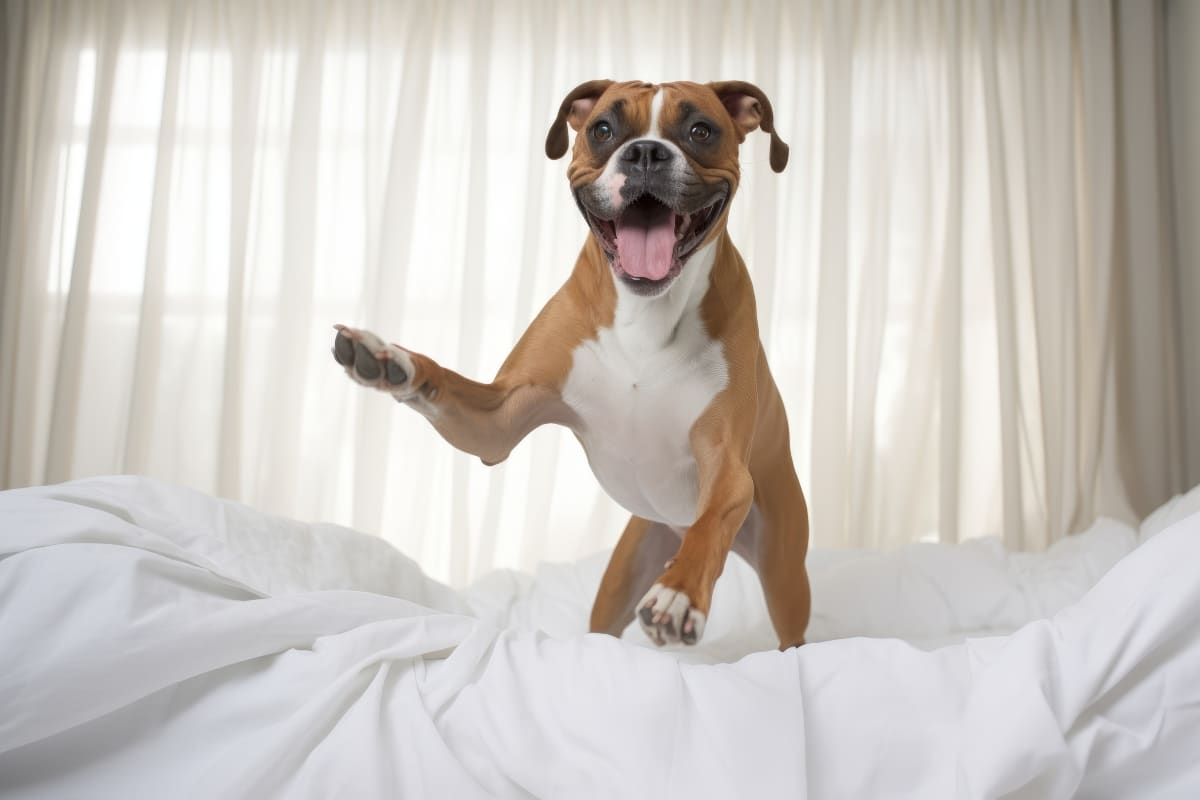
Boxers are animated, expressive, and absolutely love using their paws to make a point. If they want something, expect a solid smack of the paw on your arm or lap. They’re not subtle, but they are hilarious. Boxers often stand up on their hind legs to bat at you or play-box with their front paws, which ties back to their playful and affectionate nature. They’re like toddlers with fur and muscles who never learned the concept of personal space.
Golden Retriever
 Shutterstock
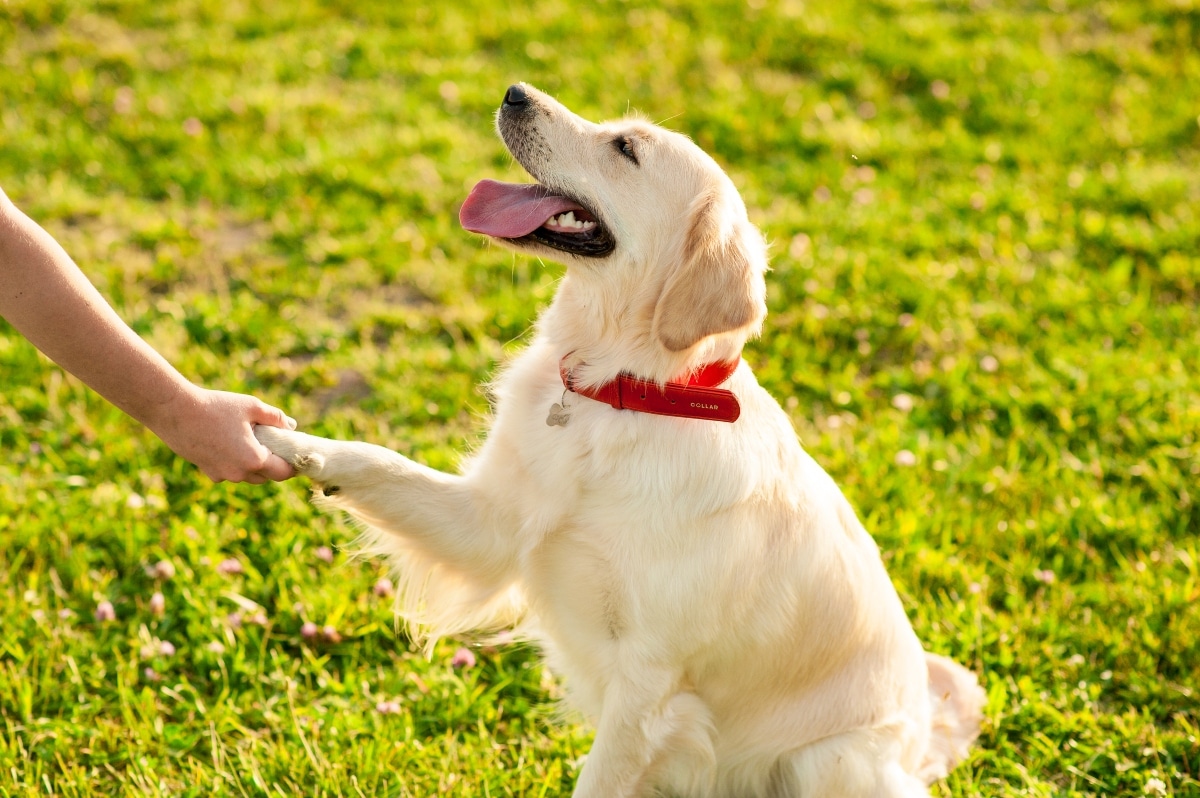
Golden Retrievers are known for their gentle, people-pleasing personalities, and that includes a very polite use of the paw. When they want love or reassurance, they’ll gently rest their paw on your hand or knee and look up with those soulful eyes. It’s impossible to ignore, and they know it. Goldens often use their paws to ask for affection, food, or just to feel close to their people. It’s one of the many ways they wrap you around their paw without even trying.
Bernese Mountain Dog
 Shutterstock
Bernese Mountain Dogs are gentle giants who love staying close to their people. They use their big, fluffy paws to communicate in a way that’s surprisingly tender for such large dogs. Whether it’s placing a paw on your arm during a quiet moment or reaching out to initiate snuggles, their gestures are deliberate and affectionate. You might feel like a bear is tapping you, but it’s just your Berner asking for some quality time.
Australian Shepherd
 Shutterstock
Australian Shepherds are intelligent and communicative, and that includes a whole lot of paw action. They’re always thinking, always watching, and often using their paws to get your attention or offer their input. Aussies will tap you, bat at toys, or use their paws to herd their humans around. It’s all part of their high-energy, human-focused nature. You’ll never wonder what your Aussie is thinking they’ll make sure you know.
Border Collie
 Shutterstock
Border Collies are known for their sharp minds and keen awareness, and they’re not shy about using their paws to interact. They’ll place a paw on your leg to redirect your attention or slap a toy at your feet when they’re ready for action. Their pawing is purposeful, calculated, and often accompanied by intense eye contact. A Border Collie doesn’t just talk with their paws; they make demands.
Great Dane
 Shutterstock
Great Danes may be massive, but they’re surprisingly tender when they “talk” with their paws. These gentle giants often use a single paw tap to signal affection or request attention, and it can feel like being touched by a giant marshmallow. They’ll rest a paw on your lap or lightly tap your shoulder like an oversized friend checking in. You’ll feel it physically and emotionally.
Shih Tzu
 Shutterstock
Shih Tzus are little royalty with big opinions, and they use their paws like a scepter. If they want up, want food, or want your spot on the couch, they’ll let you know with a well-timed paw tap. Their gestures are dainty but deliberate, like a gentle reminder that you exist to serve them. It’s adorable, it’s manipulative, and it works every time.
Cocker Spaniel
 Shutterstock
Cocker Spaniels are emotional and expressive, and pawing is one of their favorite forms of communication. They often use their paws to get your attention, especially if they’re feeling left out or need comfort. Their soft touch and soulful eyes make the gesture especially touching. You’ll be mid-conversation and suddenly feel a paw on your knee, as if they’re saying, “Remember me?”
Beagle
 Shutterstock
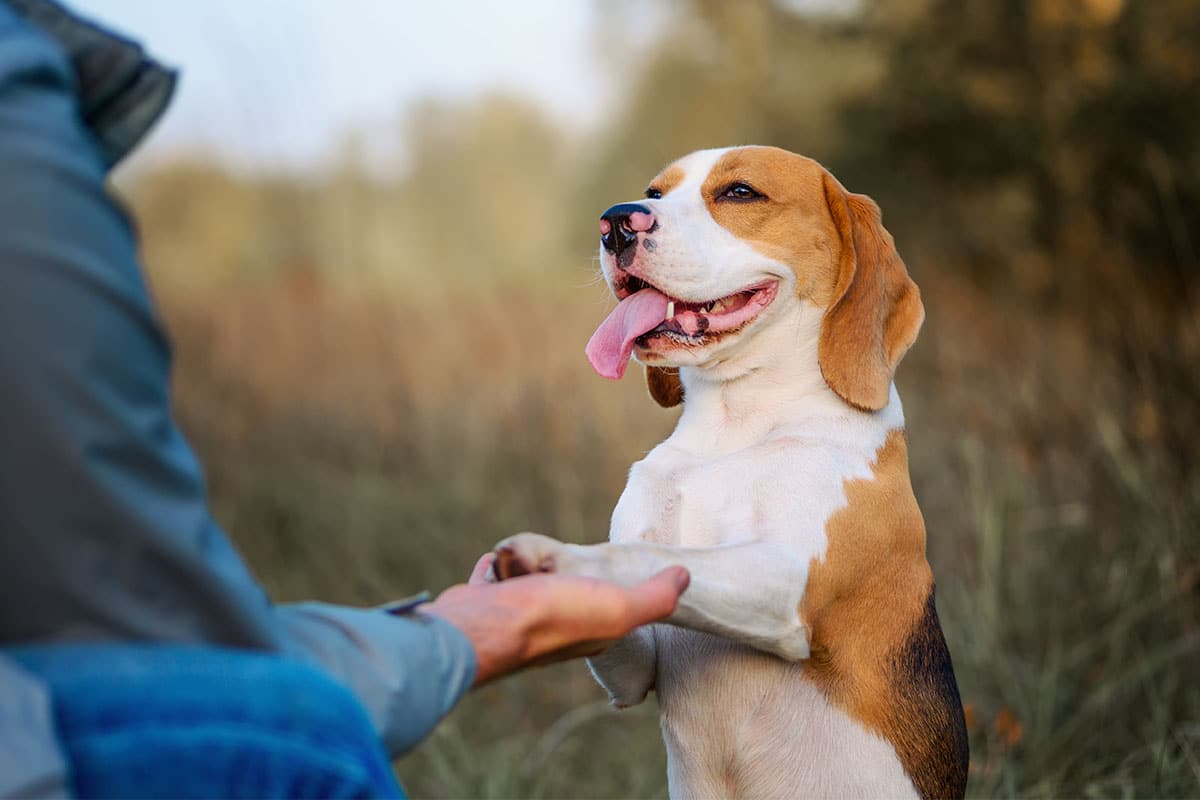
Beagles are curious and driven by their noses, but don’t underestimate how much they use their paws, too. If they’re not pawing at you for food, they’re pawing to alert you to something they found interesting. They’re not shy about it, and they’ll throw in a whine or two for good measure. Their paws are just one more tool in their expressive, lovable toolbox.
French Bulldog
 Shutterstock
French Bulldogs are dramatic little characters, and paw gestures are part of their expressive toolkit. They’ll paw at your leg when they want to be picked up, nudged, or adored. It’s usually paired with a head tilt or a dramatic sigh for maximum effect. Frenchies know how to make themselves the center of attention using every resource, including their adorable paws.
American Pit Bull Terrier
 Shutterstock
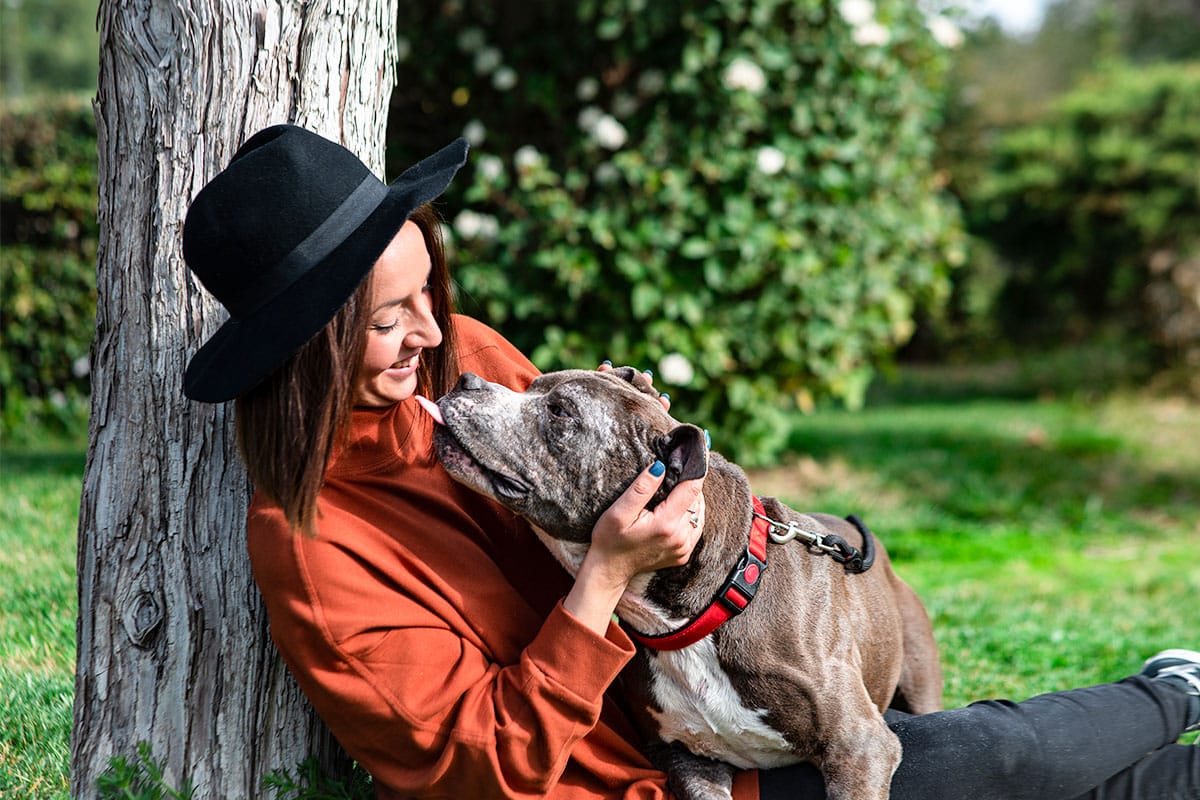
Pit Bulls are deeply affectionate and thrive on human contact. They use their paws to initiate connection, often resting them on your lap or reaching out when you stop petting them. It’s not pushy, it’s loving, sincere, and sometimes a little clingy. They use those strong, soulful eyes and gentle paw taps to keep the bond strong. They’re emotional communicators who just happen to have really expressive paws.
Labrador Retriever
 Shutterstock
Labradors are affectionate and social, and their paws are part of their charm offensive. Labs will often paw at you to start play, ask for treats, or just make sure you haven’t forgotten about them. It’s a behavior that starts in puppyhood and never really fades. Their paw gestures tend to be exuberant and enthusiastic, just like their personalities. A Lab’s paw is basically their way of saying, “Hey, I’m still here and you’re not petting me.”
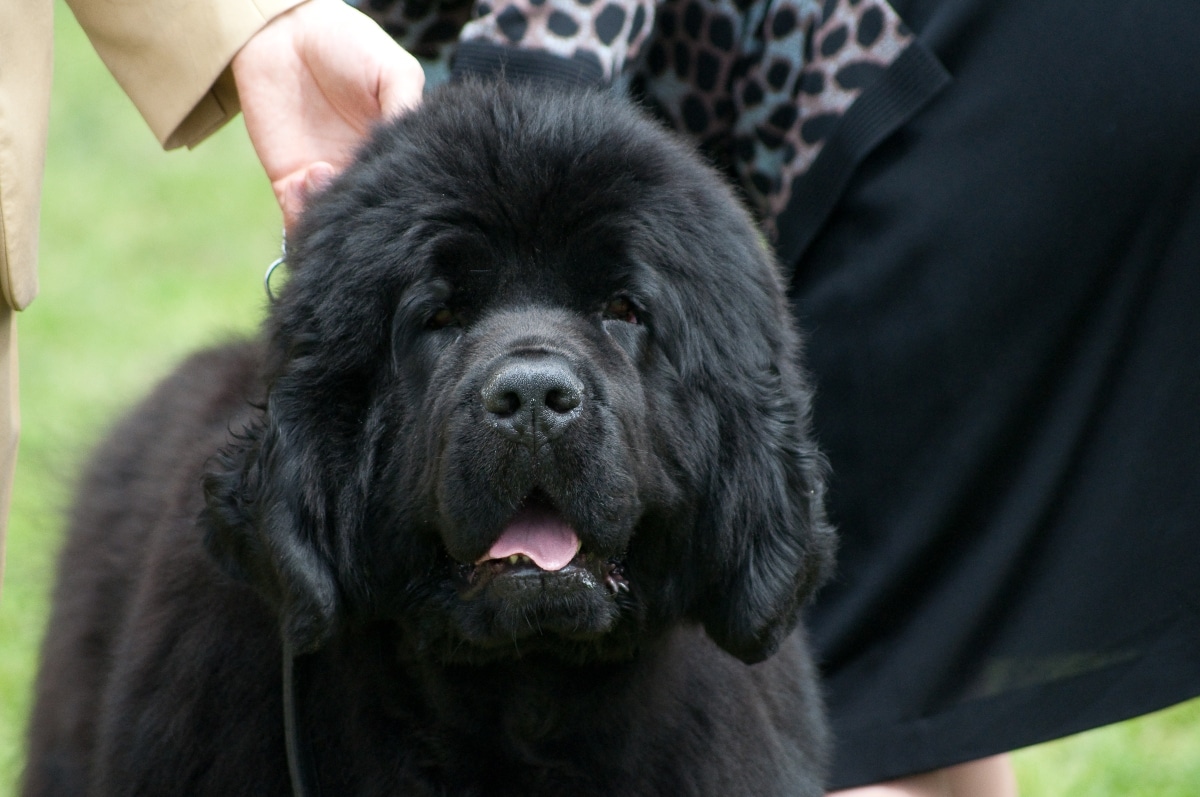
Newfoundland
 Shutterstock
Newfoundlands are massive softies who love being close to their people. They’ll use their big, bear-like paws to rest gently on you or tap for attention, often in the quietest, most gentle way imaginable. These dogs might be huge, but their paw communication is all about tenderness. They speak softly and carry a very big paw.
Paw-lease, You Know What I Mean
 Shutterstock
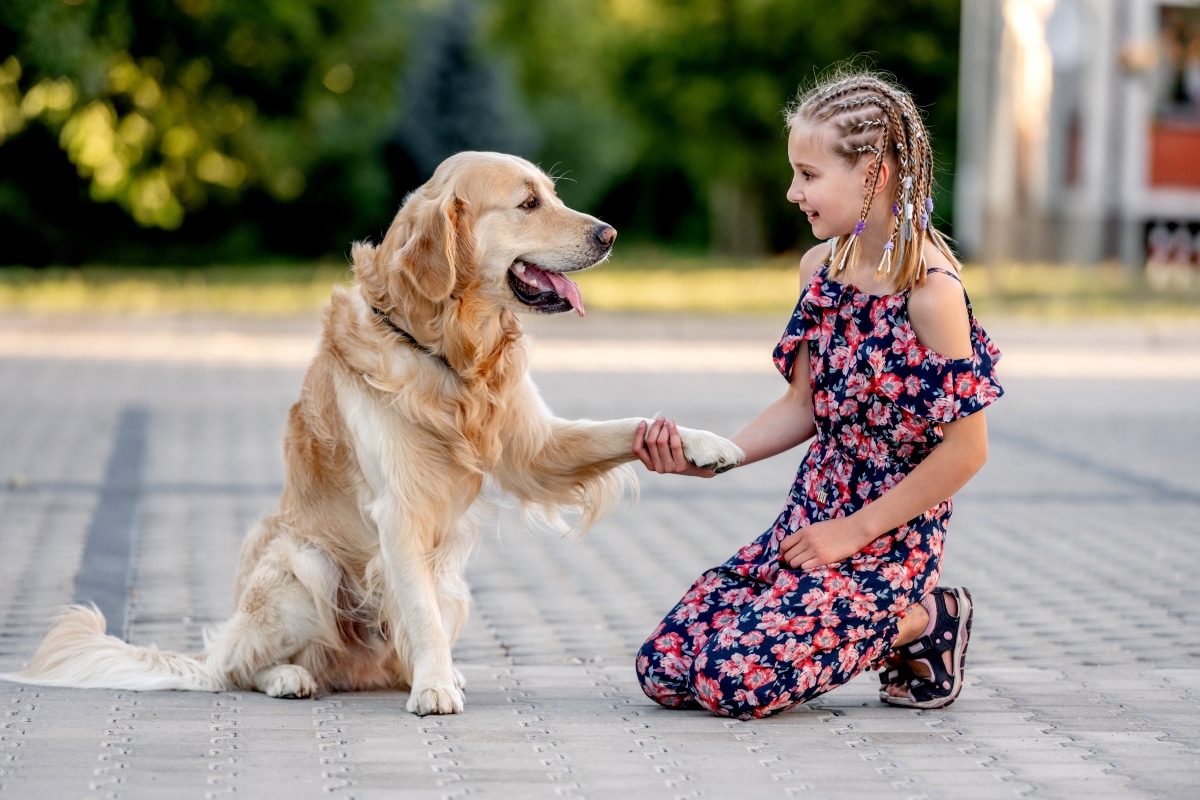
These dogs don’t just use their paws to shake or high-five. They use them to connect, communicate, and stay close in their own unique way. Living with a paw-talker means becoming fluent in nudges, soft taps, and unexpected face pats at all hours of the day. It’s their gentle, persistent way of saying “I’m here,” “I need you,” or simply “Pay attention to me now.” These paw-powered interactions are more than just cute quirks. They’re part of a sweet, ongoing dialogue that makes every day feel a little more loved.
 Toledo, United States.