
 Shutterstock
Some dogs seem convinced that every meal deserves a personal inspection, especially when delicious smells drift from the kitchen. They watch food preparation, investigate unfamiliar aromas, and appear whenever someone opens a snack. Although their enthusiasm does not make every human food safe for dogs, certain breeds are known for hearty appetites and strong food motivation. From enthusiastic retrievers to determined little companions, these dogs would gladly volunteer for the imaginary job of family taste tester, happily inspecting every dog-safe treat with excitement and curiosity.
Labrador Retriever
 Shutterstock
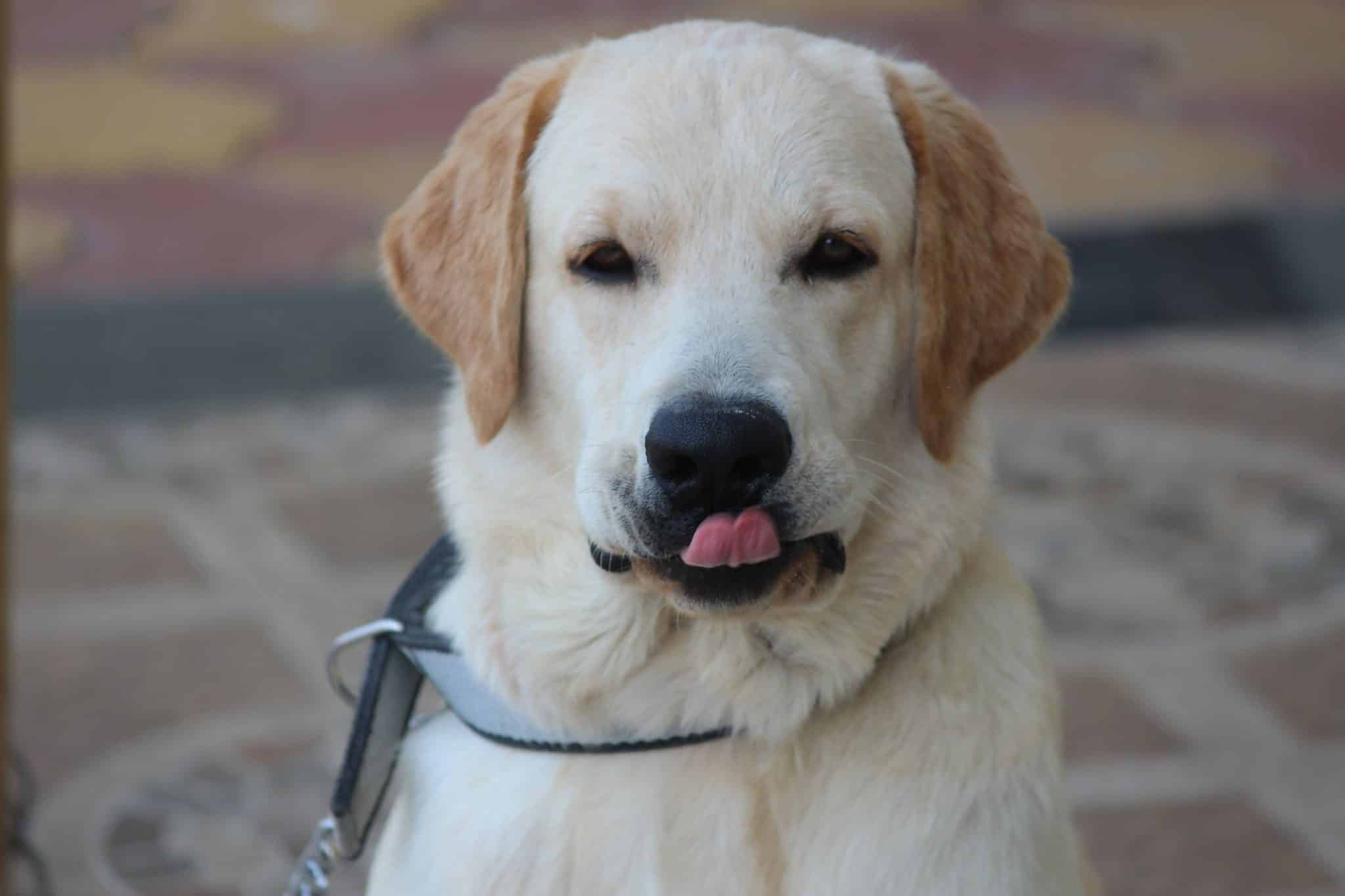
Labrador Retrievers have a well-earned reputation for loving food, making them natural candidates for an imaginary taste-testing team. Their enthusiasm often appears during mealtimes, training sessions, and even quiet moments when someone happens to be holding a snack, because many Labs are highly motivated by edible rewards. This appetite can make training easier when treats are used thoughtfully, but it also means owners should pay attention to portions and prevent unwanted snacking. A Labrador might happily inspect every new dog-safe recipe, but its family still needs to choose nutritious ingredients and keep tempting human foods out of reach. Their friendly personalities and eager expressions make them seem ready to approve every delicious offering.
Beagle
 Shutterstock
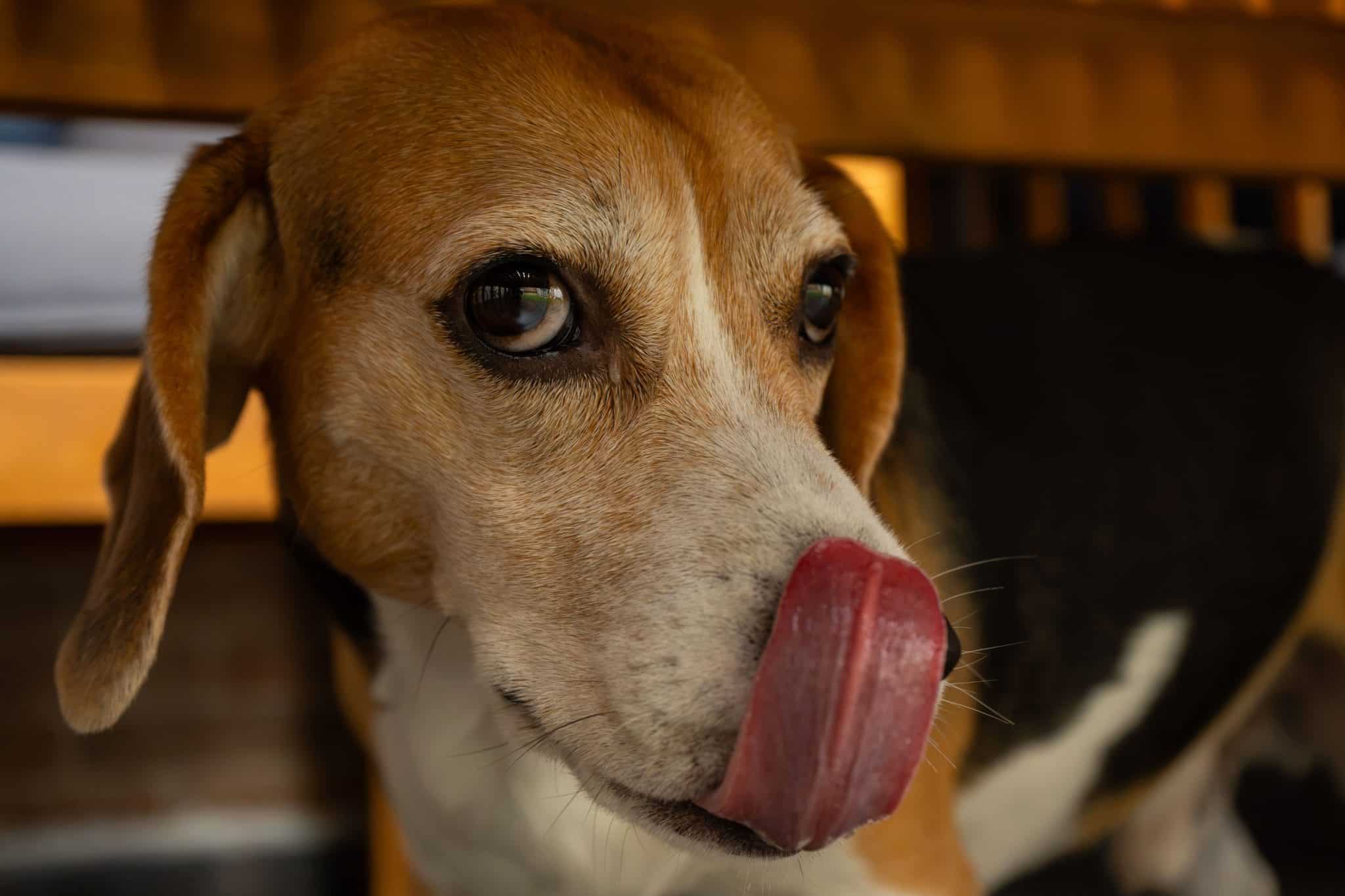
Beagles have powerful noses and curious personalities, so food-related investigations can quickly become their favorite activity. Bred to follow scents while hunting, these dogs are naturally interested in interesting aromas, including those coming from kitchens, cupboards, and food containers. Their enthusiasm for snacks can make reward-based training effective, although their determination may also lead them to investigate unattended groceries or search for crumbs. Beagles often approach mealtime with impressive excitement and may act as though every new smell deserves a thorough inspection. Owners should manage portions carefully and provide balanced meals rather than allowing their little detectives to sample everything they discover.
Golden Retriever
 Shutterstock
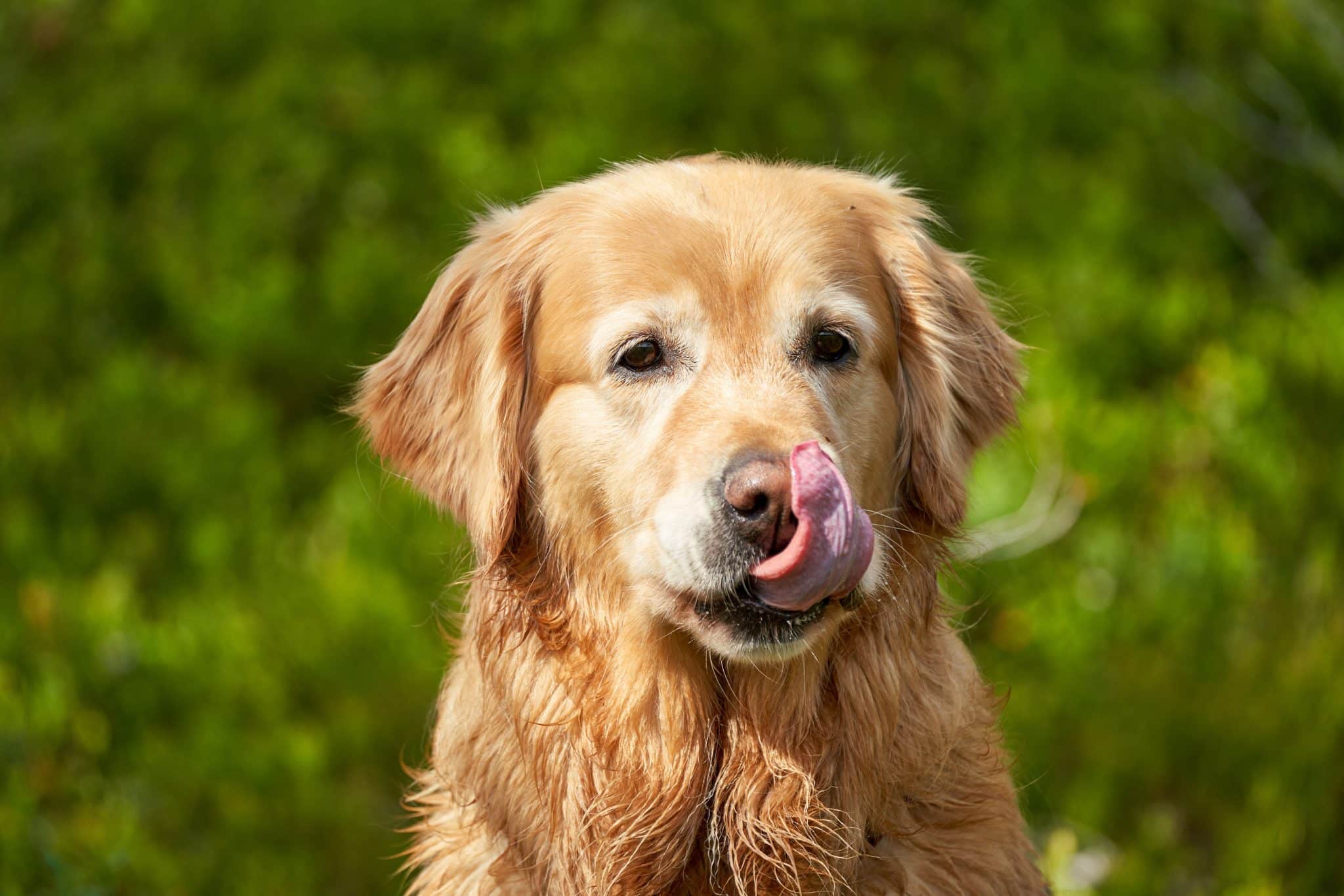
Golden Retrievers combine affectionate personalities with an enthusiasm for treats that can make them seem like cheerful kitchen assistants. Many enjoy food-based training and are quick to respond when a reward is involved, often offering their best manners in exchange for something tasty. Their friendly nature may also encourage them to stay close during family meals, hoping for a little attention or an approved snack. Golden Retrievers can gain excess weight if treats and meal portions are not managed, so owners should keep their food intake balanced. Their gentle expressions and enthusiastic approach make them convincing candidates for a job that involves appreciating every dog-safe bite.
Dachshund
 Shutterstock
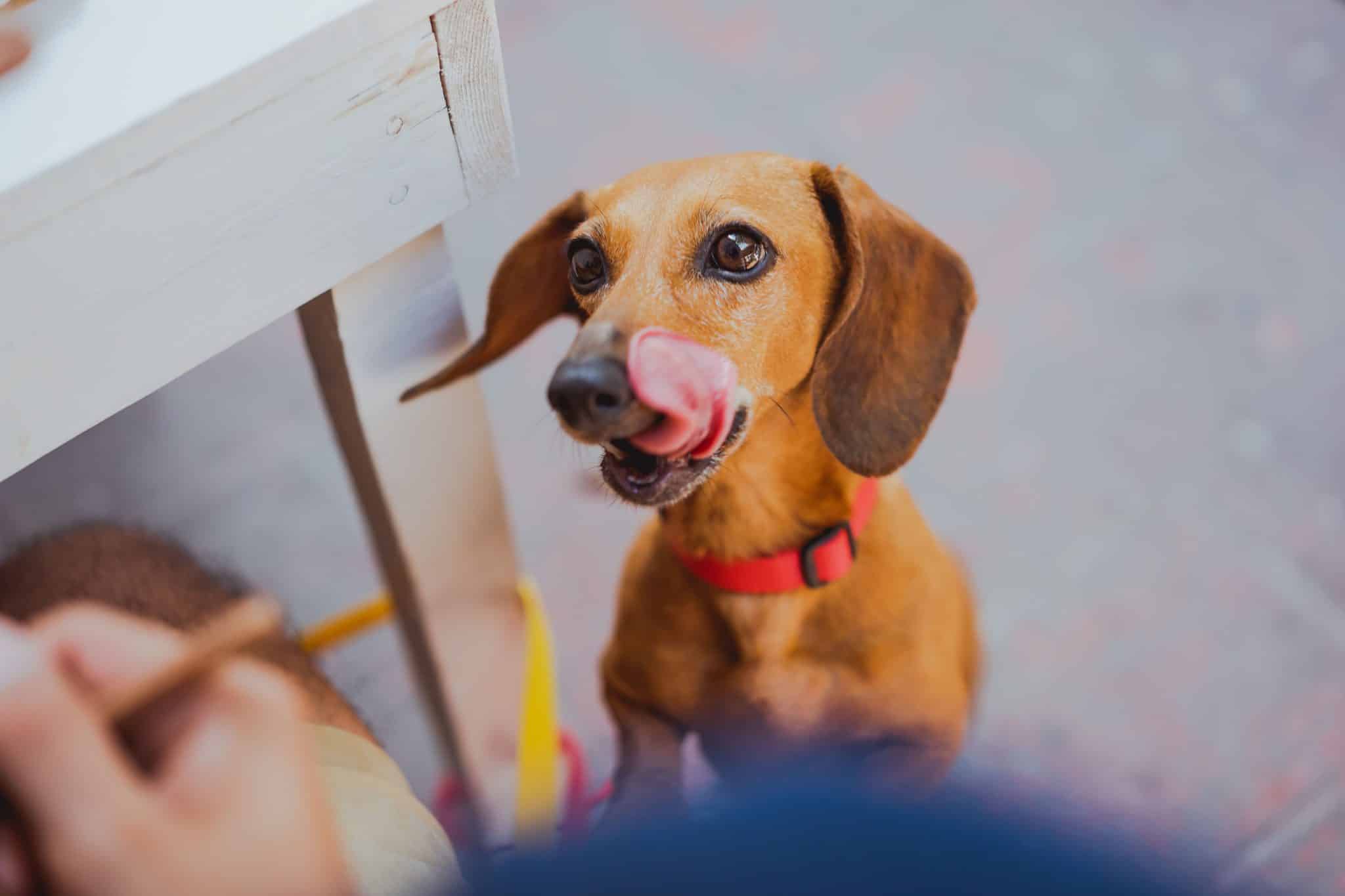
Dachshunds may have short legs, but their interest in food can be enormous. Originally developed to hunt animals in underground dens, these clever dogs often bring determination and curiosity to everyday activities, including searching for snacks. Their confident personalities can make them surprisingly persistent when they notice something delicious nearby, and they may quickly learn which family members are most likely to offer treats. Because Dachshunds can be prone to weight gain, keeping them at a healthy body condition is especially important for supporting their backs and mobility. Their enthusiasm for food is entertaining, but sensible portions and regular exercise should always come first.
Pug
 Shutterstock
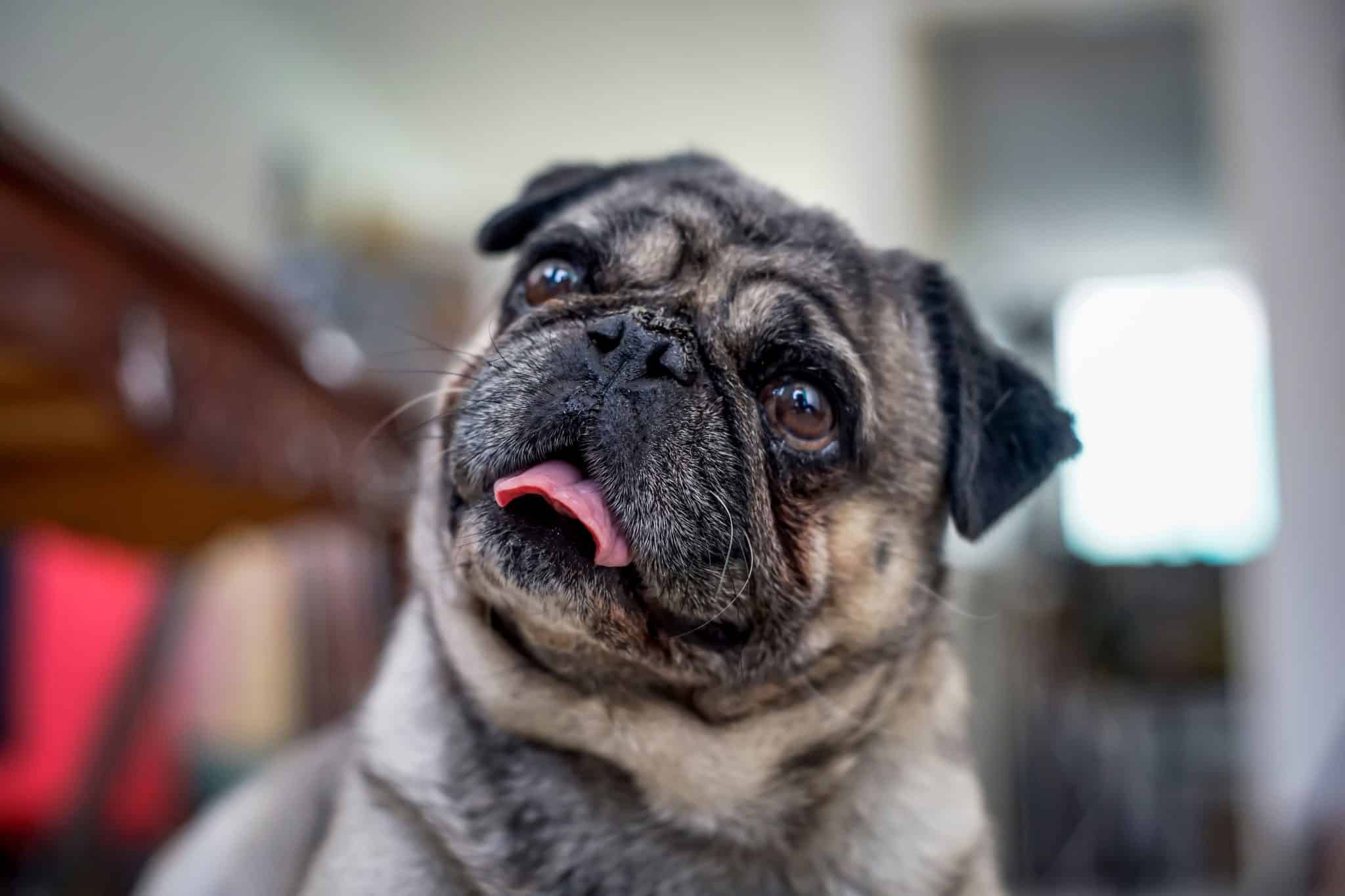
Pugs are affectionate companions who often enjoy being wherever their favorite people are, especially when food is involved. Their expressive faces and charming personalities can make even a simple request for a snack look like an important negotiation. Many Pugs are highly interested in treats, which can be useful during training but require careful portion control. Their compact bodies and tendency toward weight gain mean that frequent extras can quickly add unnecessary calories. Owners should also consider their breathing limitations and avoid strenuous activity in hot weather. A Pug may appear ready to sample every offering, but its healthiest rewards are measured, nutritious, and appropriate for its needs.
Cocker Spaniel
 Shutterstock
Cocker Spaniels are affectionate, lively dogs that often enjoy activities involving their families, including treat-based games and training. Their enthusiasm for rewards can make them attentive learners, particularly when lessons include small, appealing snacks. Many have a cheerful approach to mealtimes and may show interest whenever food appears, although individual appetites and preferences vary. Their long ears and flowing coats also mean owners should keep them clean and comfortable after meals, especially if food gets caught in their fur. With thoughtful feeding habits, a Cocker Spaniel can enjoy a variety of appropriate treats without turning every family meal into an opportunity for extra calories.
English Bulldog
 Shutterstock
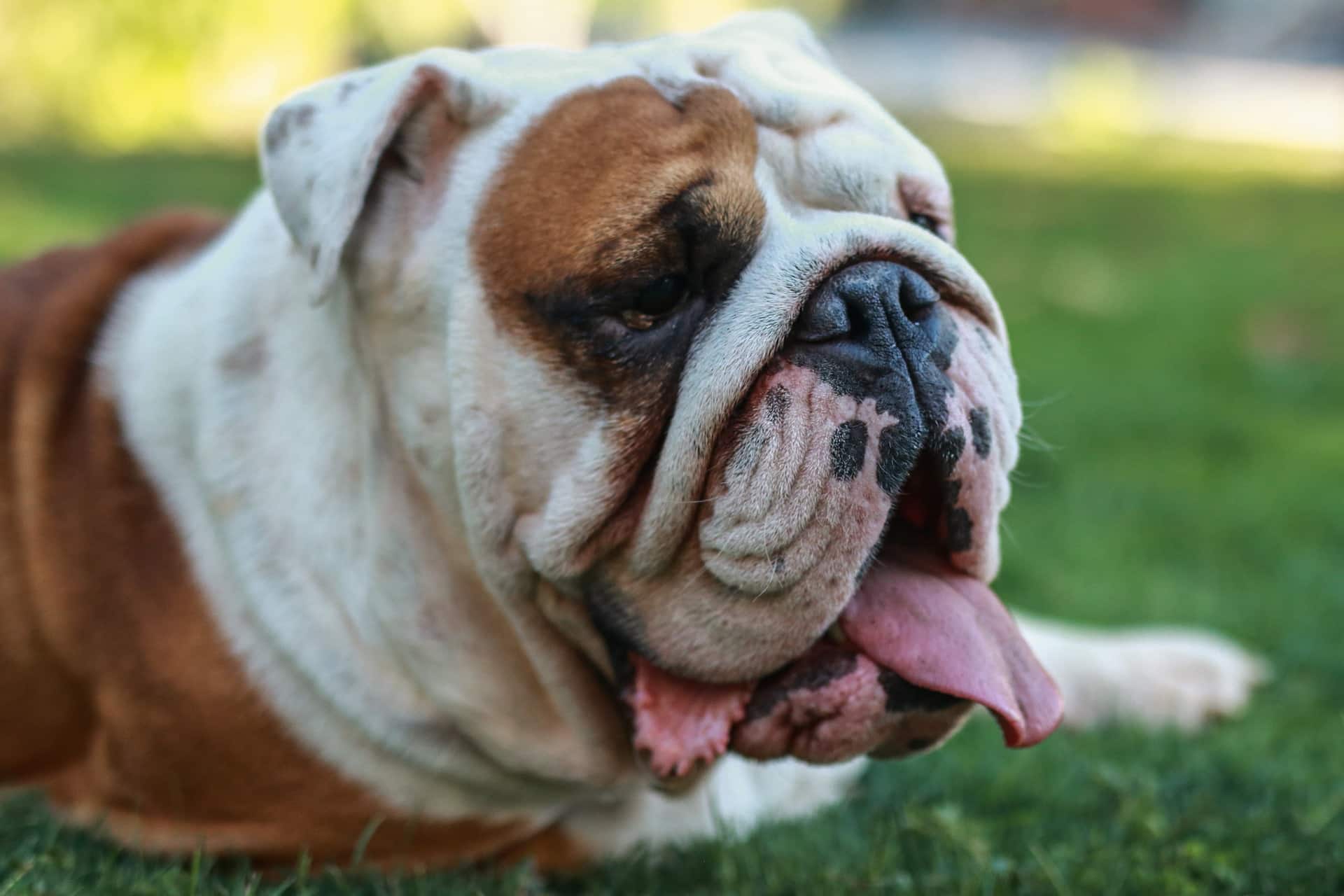
English Bulldogs often enjoy relaxing with their families, and a tasty snack can make an already pleasant afternoon even better. Their sturdy appearance and laid-back personalities may give them the look of experienced food critics, especially when they watch someone prepare a meal. Many Bulldogs appreciate treats, but their tendency toward weight gain makes careful feeding particularly important. Their short muzzles can also make breathing and cooling themselves more challenging, so owners should avoid excessive exercise and keep them comfortable. A Bulldog can certainly enjoy an occasional dog-safe taste, but its ideal tasting menu should support a healthy weight and overall well-being.
Pembroke Welsh Corgi
 Shutterstock
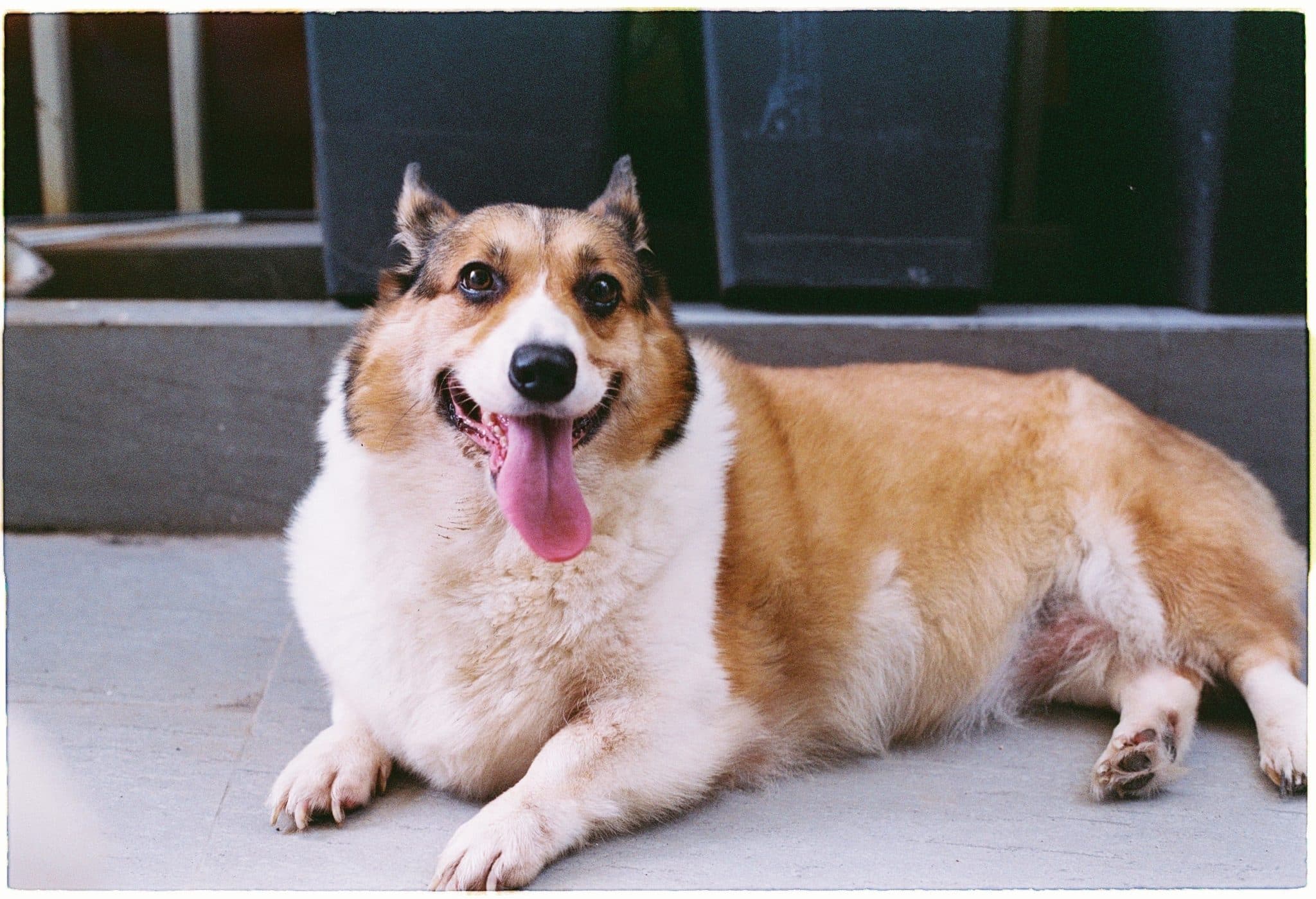
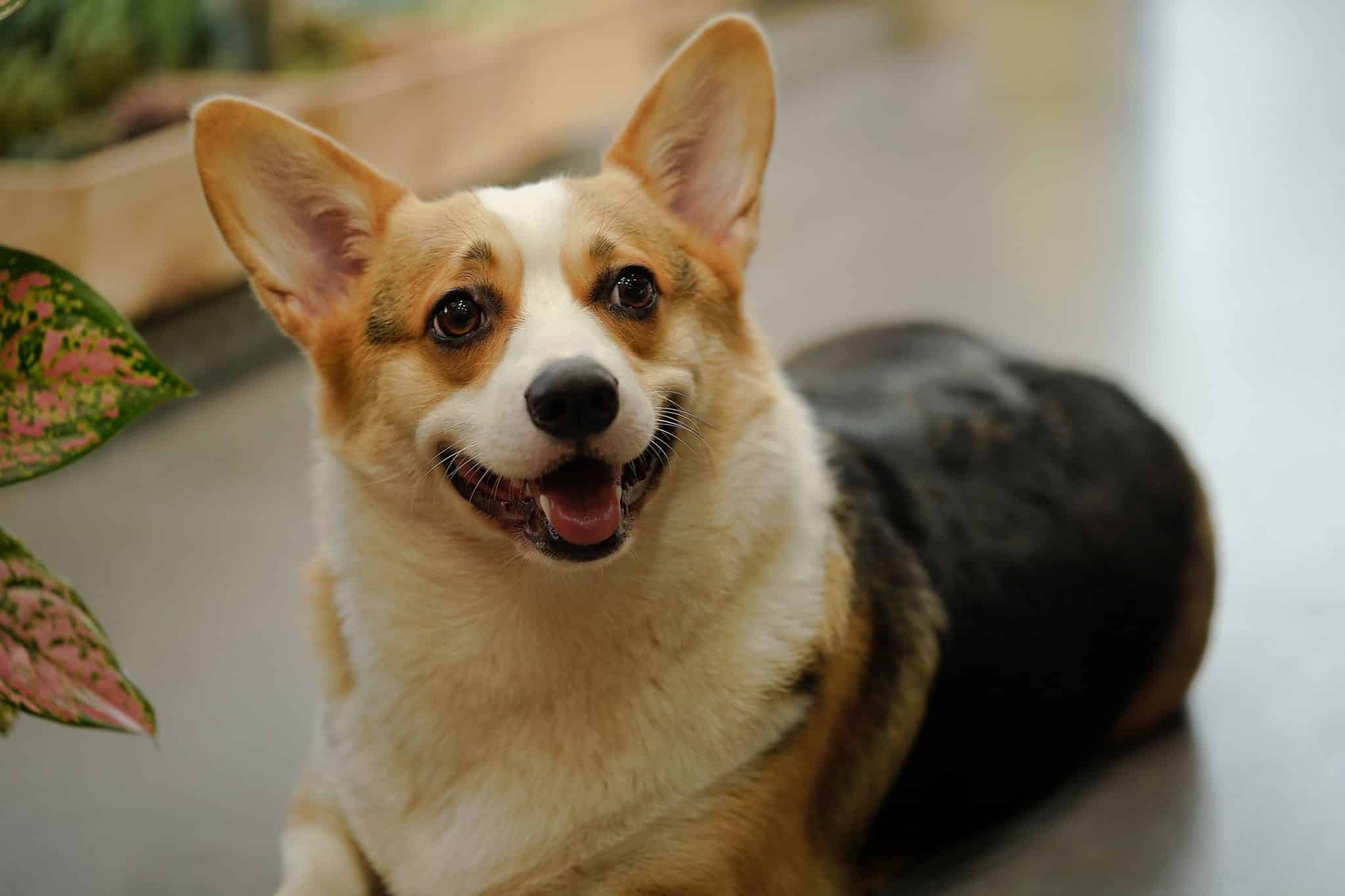
Pembroke Welsh Corgis are smart, energetic dogs with plenty of personality and a noticeable appreciation for rewards. Their history as cattle herders helped develop their alertness and willingness to work, while their food motivation can make training sessions especially productive. A Corgi may quickly learn the sound of a treat container or recognize when someone is preparing something interesting in the kitchen. However, these dogs can gain weight easily, and extra pounds can place additional strain on their long backs and short legs. Keeping snacks small and meals balanced allows a Corgi to enjoy its favorite rewards without compromising its health.
Basset Hound
 Shutterstock
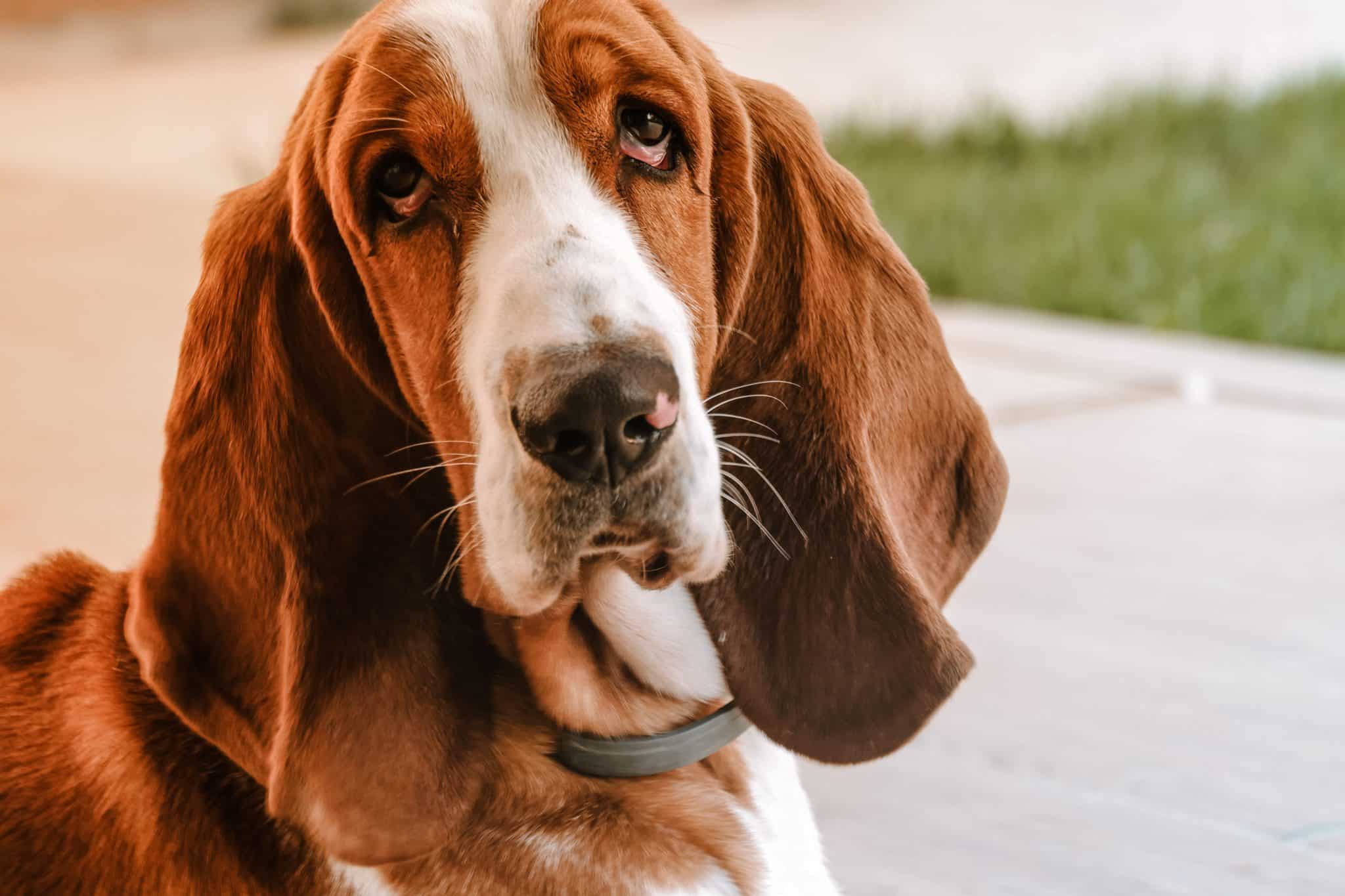
Basset Hounds are famous for their remarkable noses, relaxed personalities, and impressive ability to follow an interesting scent. Food can be especially exciting for these scent-driven dogs, which may investigate a kitchen aroma with the seriousness of a professional detective. Their long ears and low-set bodies give them a distinctive appearance, while their determined nature can make them persistent when searching for something delicious. Basset Hounds can be prone to weight gain, so owners should avoid giving too many treats and provide suitable daily activity. Their enthusiasm makes them entertaining companions, but their best food discoveries should always come from a carefully managed, nutritious diet.
Boxer
 Shutterstock
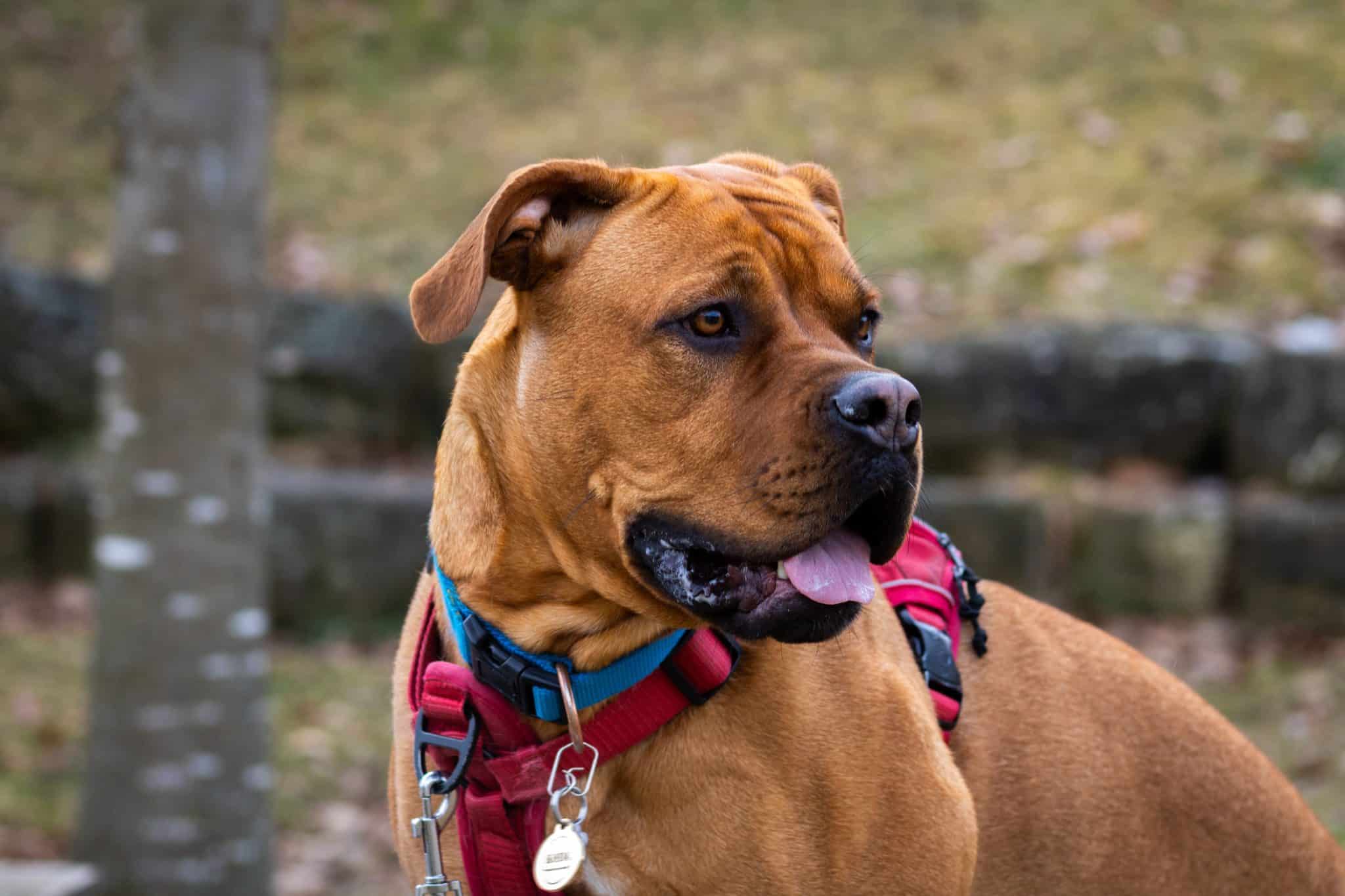
Boxers are playful, energetic companions who often approach life with enthusiasm, including anything involving treats. Their athletic builds and lively personalities make reward-based games a fun way to provide mental stimulation, while small snacks can help reinforce positive training. Many Boxers enjoy being involved in household activities and may appear whenever they hear food packaging or notice someone preparing a meal. Despite their enthusiasm, treats should remain a limited part of their daily calories, and owners should choose options that suit their age and activity level. A Boxer might enthusiastically volunteer for every taste test, but its real talent is making ordinary moments feel like an exciting event.
Miniature Schnauzer
 Shutterstock
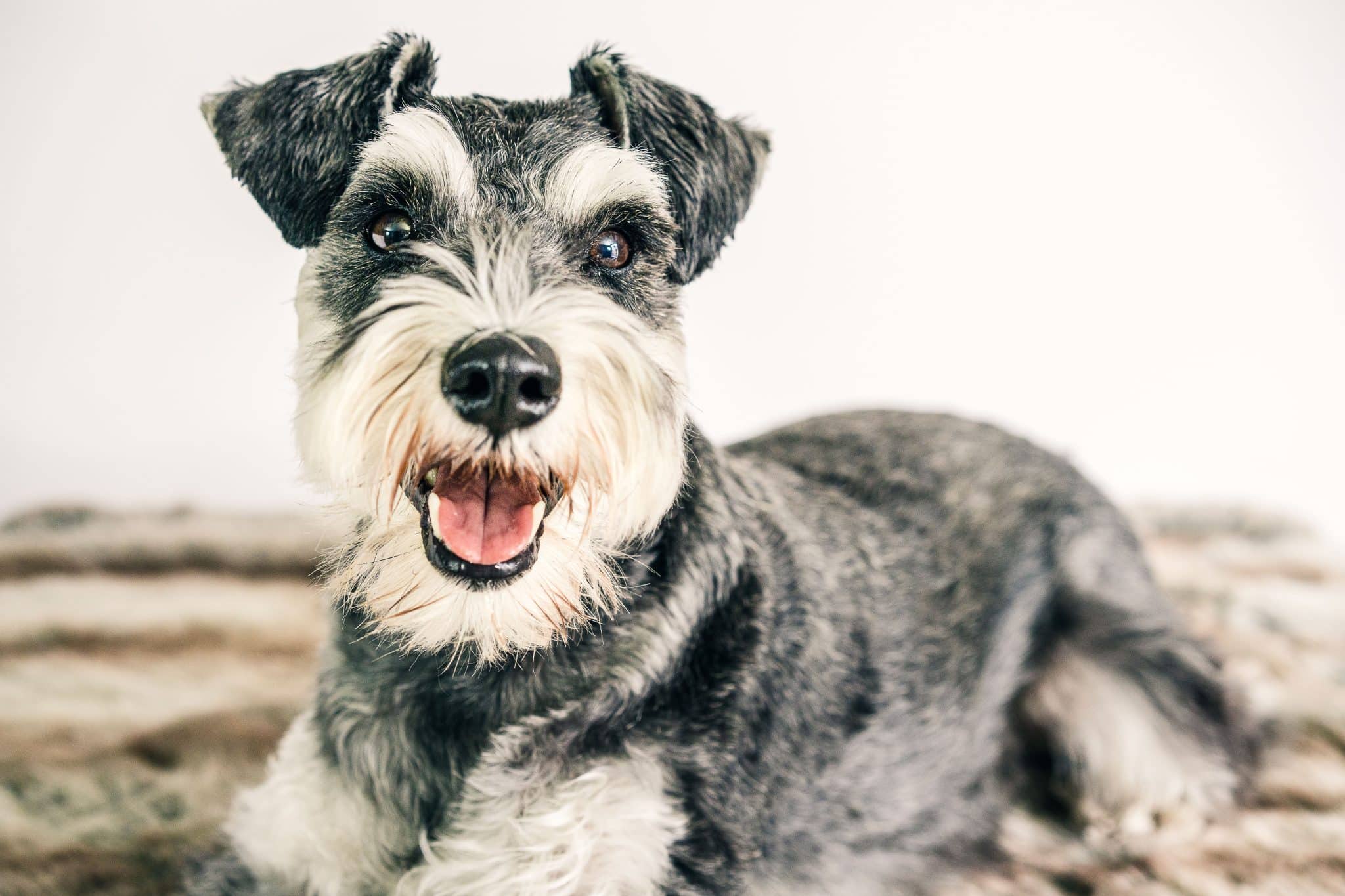
Miniature Schnauzers are bright, spirited dogs that often enjoy learning new tricks and earning rewards along the way. Their alert personalities can make them attentive whenever food appears, and their intelligence helps them quickly recognize routines connected with mealtimes and treats. These small dogs may look like serious kitchen supervisors, especially when they watch their families prepare something that smells appealing. Owners should be mindful of portion sizes and choose appropriate treats, since Miniature Schnauzers can be susceptible to certain health concerns, including pancreatitis and urinary stones. A balanced diet and veterinary guidance help ensure that their enthusiasm for food remains a healthy part of daily life.
The Official Snack Inspection Department Has A New Boss
 Shutterstock
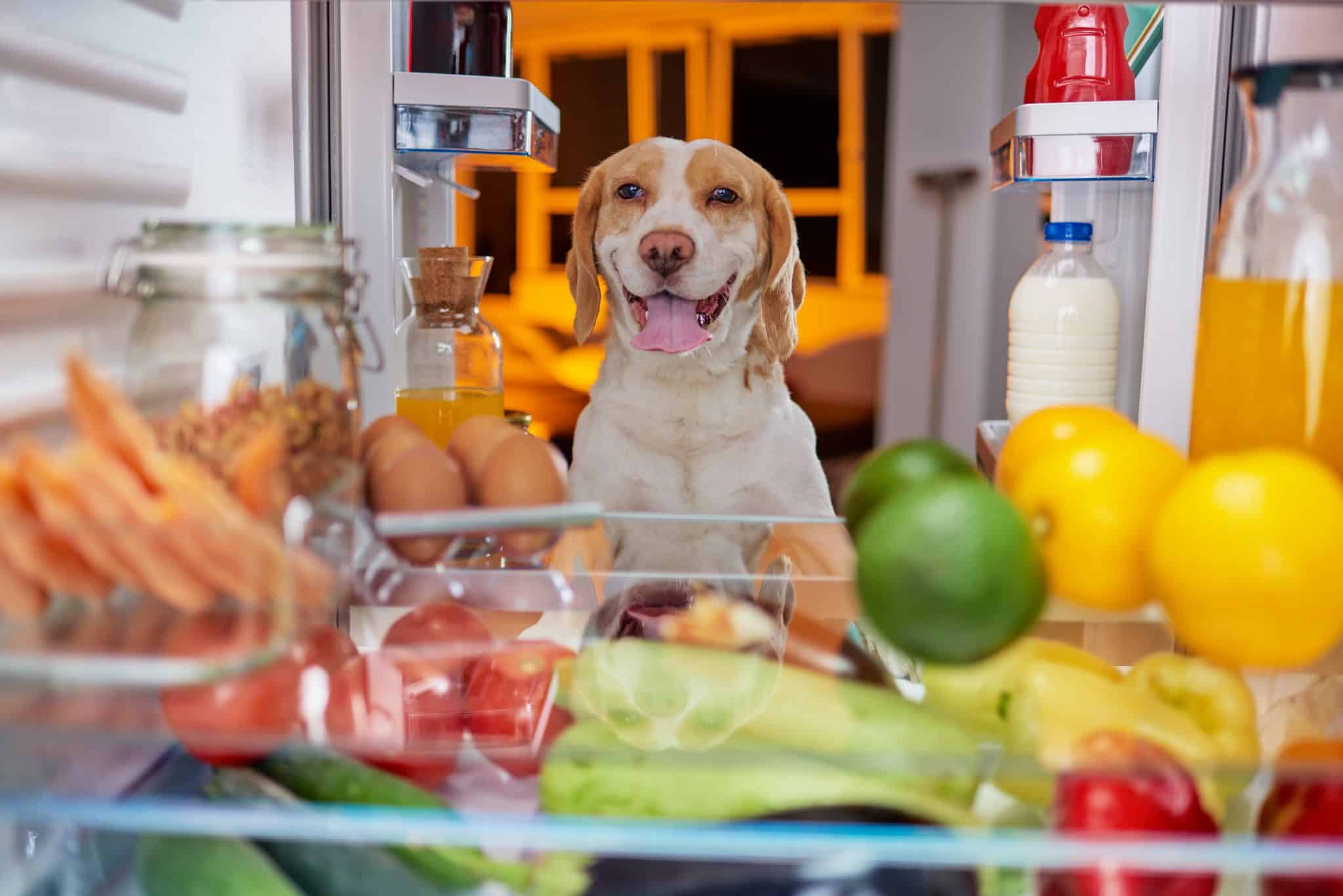
These food-loving breeds might happily inspect every meal and supervise every snack break. Their enthusiasm makes training fun, but dogs should never sample everything on the menu. Chocolate, grapes, raisins, onions, garlic, and xylitol can be dangerous. Owners should offer only safe treats, control portions, and maintain balanced meals. Every canine taste tester needs fresh water, exercise, and regular veterinary care. Dogs may believe they deserve five-star meals, but their greatest reward is a healthy, happy life filled with love.
This content was created with AI assistance and edited by the iHeartDogs team.
 Toledo, United States.