
Dogs are beloved family members, but like people, they can inherit genetic conditions that impact their long-term health and well-being. While some breeds are more predisposed than others, every dog can benefit from early insights into their genetic makeup. Dog DNA testing allows pet parents to uncover hidden health risks, better understand their pup’s unique background, and take proactive steps toward preventive care. From joint pain and heart issues to eye conditions and spinal concerns, being informed makes a big difference. Understanding these risks enables us to act early, schedule screenings, and provide the best possible support. With the knowledge gained from DNA testing and consistent care, we can help our furry companions live longer, more comfortable, and joy-filled lives.
Why DNA Testing Matters for Every Dog

Knowledge is power when it comes to your dog’s health. Even if your pup is not one of these higher-risk breeds, DNA testing provides valuable peace of mind by revealing genetic conditions you might not otherwise know about.
The Basepaws Breed + Health Dog DNA Test goes far beyond standard breed identification, using advanced next-generation sequencing (NGS) technology to deliver one of the most accurate and comprehensive analyses available. With screening for 280+ genetic health markers, Basepaws helps detect risks for conditions like heart, kidney, and joint disease early, giving you and your veterinarian the chance to take proactive steps and design a personalized wellness plan that keeps your pup healthier for longer.
In addition to health screening, Basepaws provides a detailed breed breakdown of over 330 breeds and insights into more than 30 genetic traits, ranging from coat color to body size. With ongoing updates and a growing genetic database, Basepaws gives pet parents actionable knowledge, lasting peace of mind, and a powerful tool for supporting their dog’s lifelong health and happiness.
DNA test kits are now 50% OFF when you buy two or more on the Basepaws site!
Ready to uncover your dog’s unique DNA? Order the Basepaws Breed + Health Dog DNA Test today and get detailed insights into their health, breed, and traits. Don’t wait—give your pup the gift of a healthier, happier future!


The following breeds (in no particular order) are known for their predisposition to certain genetic diseases.
Labrador Retriever
 Labradors are beloved for their friendly nature, but they face risks of hip and elbow dysplasia. Those joint conditions can develop early and lead to pain or reduced mobility. Progressive retinal atrophy also affects this breed, threatening their vision as they age. Regular vet checks and healthy weight management can mitigate stress on joints. Screening tests help catch eye conditions early, preserving the quality of life.
German Shepherd
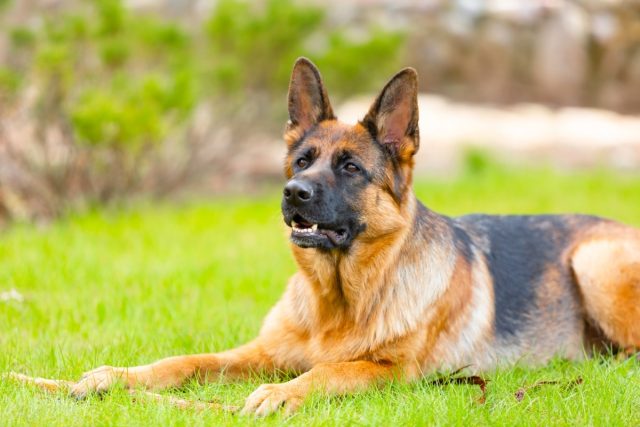 German Shepherds have a strong build but are at risk for degenerative myelopathy, a spinal disease that causes weakness in the hind legs. Hip dysplasia is also common, affecting mobility and comfort. Many also inherit exocrine pancreatic insufficiency, which impacts digestion and nutrient absorption. Keeping them slim and active reduces stress on joints and the spine. Early diagnosis of neurological signs enables veterinarians to manage progression more effectively.
Golden Retriever
 Golden Retrievers face a higher incidence of heart issues like subvalvular aortic stenosis, which reduces blood flow to the body. They’re also prone to cancer, particularly hemangiosarcoma and lymphoma. Skin allergies and hypothyroidism appear regularly, impacting coat condition and energy. Regular exams and blood tests can help identify early thyroid or allergy issues. Annual cardiac assessments help detect valve issues before symptoms worsen.
Cocker Spaniel
 Cocker Spaniels may be sweet-natured, but they carry higher risks for progressive retinal atrophy and glaucoma, both of which can lead to blindness. Ear infections are also common due to their long, floppy ears. Regular ear cleaning and annual eye exams are essential for maintaining their health. They can also be prone to hip dysplasia and autoimmune disorders. With a consistent grooming routine and early detection, Cocker Spaniels can continue to thrive despite their inherited sensitivities.
Boston Terrier
 Boston Terriers are prone to breathing issues due to their short snouts, particularly in hot weather or during high-intensity activity. They also experience higher rates of cataracts and cherry eye, a visible condition of the tear gland. Their compact bodies can lead to patellar luxation and spinal problems. A balanced lifestyle, moderate activity levels, and regular veterinary visits help ease the strain. With attentive care, these feisty pups maintain their cheerful charm and health.
French Bulldog
 French Bulldogs are vulnerable to brachycephalic airway syndrome, short snouts that cause breathing struggles. Spinal issues like intervertebral disc disease are also common because of their compact bodies. Skin fold dermatitis develops from facial wrinkles that are not properly cleaned. Weight management and air cool-downs help ease respiratory strain. Gentle exercise and support enable spinal health and skin care.
Cavalier King Charles Spaniel
 This breed is at high risk for mitral valve disease, a heart condition causing blood leakage from the heart. Syringomyelia, a painful neurological condition, is also associated with a specific skull shape. Regular cardiac monitoring and neurological exams can identify problems early. Medications and lifestyle adjustments help manage both disorders. Family support can preserve lifespan and quality of life despite genetic challenges.
Dachshund
 Long-bodied Dachshunds are prone to frequent back problems, including intervertebral disc disease. Their shape puts spinal discs at risk of injury when subjected to tension. Obesity exacerbates risks, making diet and posture crucial. Supporting their back with harnesses and avoiding jumping can help prevent exacerbation. Surgery and rehabilitation can be effective when a spinal injury occurs.
Boxer
 Boxers struggle with cardiomyopathy, a disease that weakens the heart muscle over time. They also face mast cell tumors as skin cancer and hip dysplasia. Regular cardiac ultrasounds and skin checks are crucial for early detection and treatment. Maintaining a lean body weight and moderate exercise supports joint and heart health. Early detection and care help Boxers enjoy higher-quality, longer lives.
Rottweiler
 Rottweilers are predisposed to osteosarcoma, an aggressive bone cancer, and hip dysplasia. Obesity increases joint stress in this large, heavy breed. Regular X-rays and weight checks are crucial for detecting issues early. Balanced nutrition, low-impact exercise, and joint supplements support skeletal health. Addressing bone pain with vet guidance improves their comfort and mobility.
Bulldog
 Bulldogs face a host of genetic ailments, including respiratory problems, hip dysplasia, heat intolerance, and skin infections due to folds, all of which are a result of breeding for short snouts and heavy bodies. Daily cleaning of skin folds and climate-controlled rest reduce risks. Gentle walks and cooling vests help ease breathing stress. Monitoring hip and skin health preserves their comfort throughout life.
Pug
 Pugs often struggle with brachycephalic airway syndrome and eye disorders, such as corneal ulcers, due to their protruding eyes. Obesity worsens breathing difficulty and joint stress. Clean airways and moist eyes with veterinary care protect against injury. Small meals distributed throughout the day maintain a healthy weight. Caring for their airways and joints prolongs playful moments.
Doberman Pinscher
 Dobermans face dilated cardiomyopathy, a weakening heart that impacts blood flow, and von Willebrand’s disease, affecting blood clotting. Thyroid dysfunction and hip dysplasia also appear commonly. Yearly heart tests and blood typing help detect and manage these conditions. A balanced lifestyle, including moderate exercise and a healthy diet, helps control weight and joint stress.
Yorkie
 Yorkshire Terriers are prone to luxating patella, collapsing spine, and tracheal collapse due to their small body structure. Regular orthopedic exams identify joint flexibility and spinal concerns. Harness use and low-impact exercise support joint health. Monitoring their breathing and collar use preserves throat health. With supportive care, Yorkies stay spirited companions.
Great Dane
 Great Danes face dilated cardiomyopathy and bloat, twisting of the stomach that can be life-threatening. Hip dysplasia and osteosarcoma also affect this giant breed. Elevated feeding, slow mealtimes, and regular heart monitoring help reduce the risks of bloat and cardiomyopathy. Comfortable bedding helps joint health. Proactive screening guides interventions before a crisis.
DNA Testing for Dogs: Why Knowing Your Dog’s Genetic Health Can Save Their Life
At iHeartDogs, we believe every dog deserves a long, happy, and healthy life. Genetic health testing is one of the most powerful tools we have to make that possible. Whether your pup is a beloved rescue or a mystery mix, DNA testing can uncover risks before symptoms appear, giving you the chance to step in early, adjust care routines, and potentially add years to their life.
Think of it as a roadmap to your dog’s well-being. By understanding their unique genetic blueprint, you can provide targeted nutrition, schedule the appropriate screenings, and collaborate with your veterinarian to create a proactive wellness plan.
Because when we know better, we can do better…for the dogs who trust us with their lives and love us unconditionally.
So go ahead, dig into their DNA. They might not understand the science, but they’ll feel the difference in every belly rub, vet visit, and happy tail wag.
Every dog matters. Let’s give them the future they deserve.
 Toledo, United States.