
iHeartDogs is reader-supported. When you buy via links on our site, we may earn an affiliate commission at no extra cost to you.
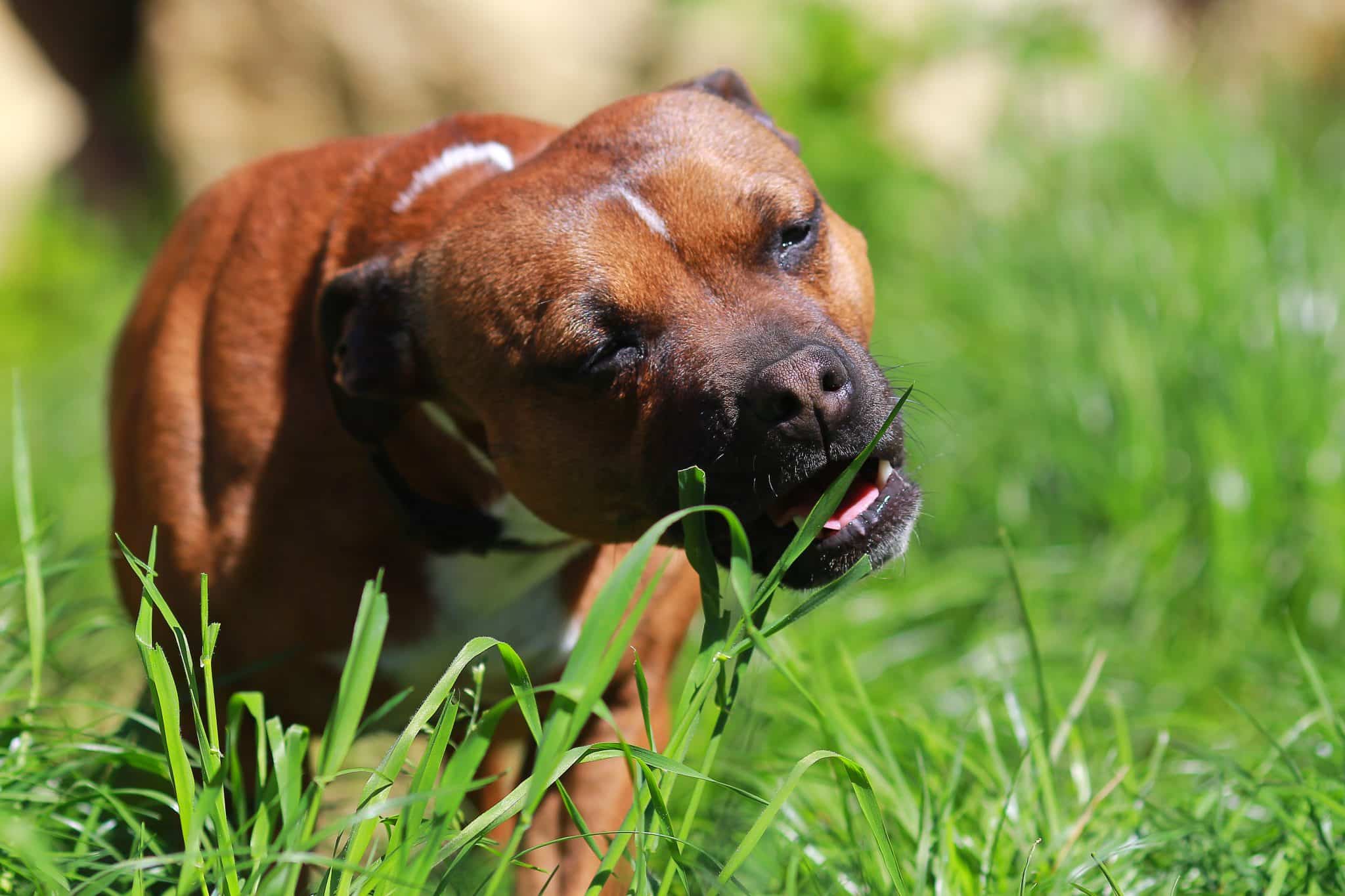
Your dog isn’t the only one doing it. Grass eating stumps a lot of pet parents, and it’s actually pretty common. Most of the time it’s harmless, but when it happens constantly, it’s worth paying attention to.
Plenty of dogs nibble on grass here and there with zero issues. But when it starts happening every single day, or right before your dog vomits, the questions pile up fast. Is it an upset stomach? A weird habit? Something missing from their diet?
Honestly, there’s no single answer. Dogs eat grass for several different reasons, and it doesn’t always point to a problem. But if your dog also has a sensitive stomach, getting their digestion on track can make a real difference in how often they reach for the grass.

Why Do Dogs Eat Grass?
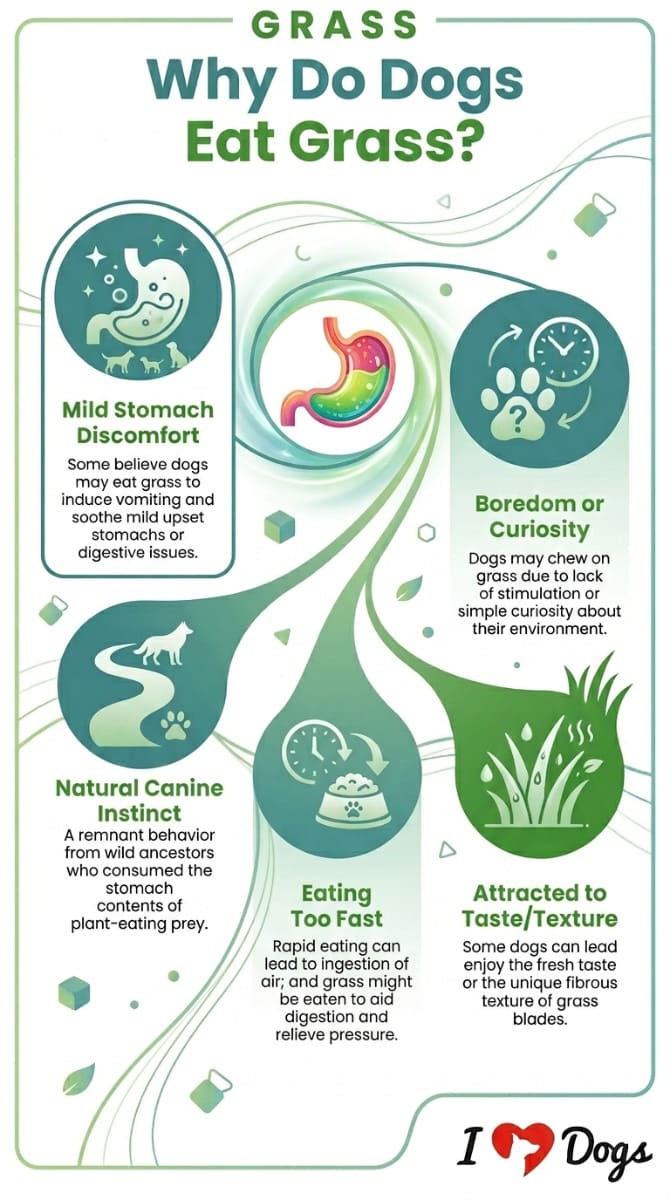
Dogs eat grass for all kinds of reasons, and most of them are pretty ordinary. It’s not automatically a red flag.
Here are the most common causes:
- Mild stomach discomfort
- Natural instinct or inherited behavior
- Curiosity or boredom
- Attraction to texture or taste
- Eating too quickly or having inconsistent digestion
So if your dog has a sensitive stomach, you might notice the grass-eating picks up on rough digestion days. It doesn’t always mean something is seriously wrong. But it can be a hint that their gut could use a little help.
When Should You Be Concerned?
Once in a while, grass eating is no big deal. But there are times when it signals something worth looking into.
Watch for:
- Frequent vomiting after eating grass
- Diarrhea or changes in stool
- Loss of appetite
- Low energy or unusual behavior
- Repeated or excessive grass consumption
If your dog is showing any of those signs, don’t wait it out. A quick check-in with your vet can help rule out anything more serious.
11 Products for Sensitive Stomachs and Better Digestion
1. Purina Pro Plan Veterinary Supplements FortiFlora Daily Probiotics
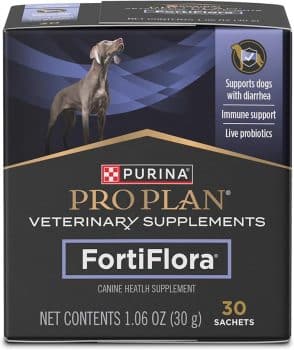
FortiFlora is one of the most widely recommended probiotic supplements for dogs, especially those with sensitive stomachs or inconsistent digestion. It’s designed to support gut balance, which may help reduce behaviors like frequent grass eating when they’re linked to digestive discomfort.
Why it helps: Promotes healthy gut bacteria and supports digestive balance
Best for: Dogs with sensitive stomachs or frequent grass eating
What to look for: Easy-to-use powder packets that mix right into food



2. Bernie’s Perfect Poop Digestion & General Health Supplement for Dogs

This all-in-one digestive supplement combines fiber, prebiotics, probiotics, and enzymes to support overall gut health. It’s a great option for dogs that experience irregular digestion, which can sometimes lead to grass eating.
Why it helps: Supports stool quality, digestion, and gut balance
Best for: Dogs with ongoing digestive sensitivity or inconsistent stools
What to look for: Multi-functional formula that covers several digestive needs
3. Native Pet Pumpkin for Dogs
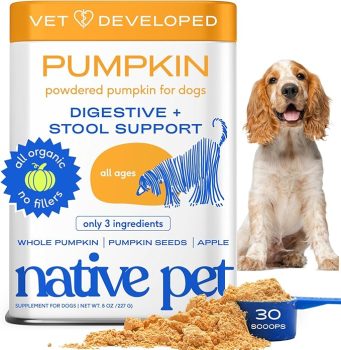
Pumpkin is a natural source of fiber that can help regulate digestion and support stool consistency. This powder form makes it easy to add to meals and is especially helpful for dogs with mild tummy issues.
Why it helps: Supports digestive regularity and gut health
Best for: Dogs with occasional stomach upset or loose stools
What to look for: Simple, natural ingredients with no unnecessary fillers
4. NaturVet Digestive Enzymes
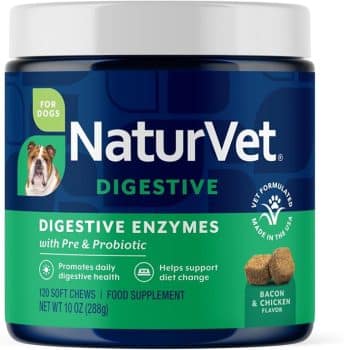
Digestive enzymes help break down food more efficiently, which can improve nutrient absorption and reduce digestive strain. This can be especially helpful for dogs that eat too quickly or have trouble processing certain foods.
Why it helps: Aids digestion and supports nutrient absorption
Best for: Dogs with sensitive stomachs or poor digestion
What to look for: Enzyme blends designed specifically for dogs
5. Zesty Paws Probiotics for Dogs
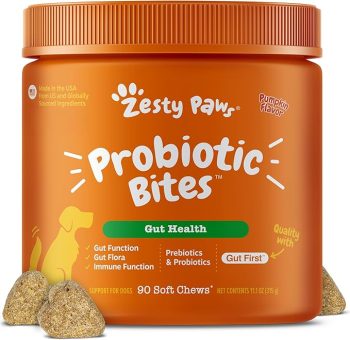
Zesty Paws offers a popular probiotic chew that supports gut health while also being easy to give daily. It’s a convenient option for maintaining digestive balance and helping reduce occasional stomach issues.
Why it helps: Supports healthy digestion and gut flora
Best for: Daily digestive support and maintenance
What to look for: Chewable format with added digestive ingredients
6. Outward Hound Fun Feeder Slo Bowl
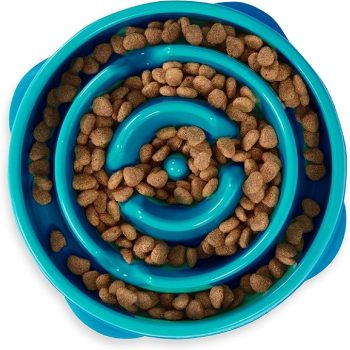
Fast eating can contribute to digestive discomfort, which may lead some dogs to eat grass. This slow-feeder bowl helps regulate how quickly your dog eats, supporting better digestion.
Why it helps: Encourages slower eating and reduces digestive strain
Best for: Dogs that gulp their food too quickly
What to look for: Durable design with maze-like patterns
7. LUKITO Lick Mat for Dogs
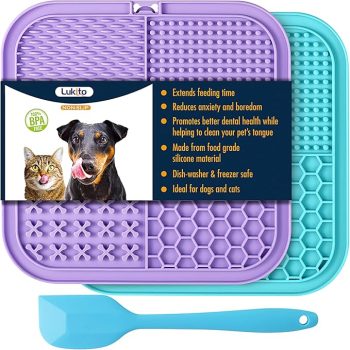
Lick mats promote slower, calmer eating by encouraging dogs to lick rather than gulp their food. This can help reduce stress and support better digestion overall.
Why it helps: Slows eating and encourages calmer behavior
Best for: Dogs that eat too quickly or experience mealtime anxiety
What to look for: Textured surface and easy-to-clean design
8. Instinct RawBoost Functional Mixers – Gut Health

This freeze-dried food topper is packed with ingredients that support digestive health, making it an easy way to upgrade your dog’s meals. It’s especially helpful for picky eaters who need a little extra support.
Why it helps: Adds gut-friendly nutrients and supports digestion
Best for: Dogs needing a boost in digestive support
What to look for: High-quality, minimally processed ingredients
9. Olewo Original Carrots for Dogs
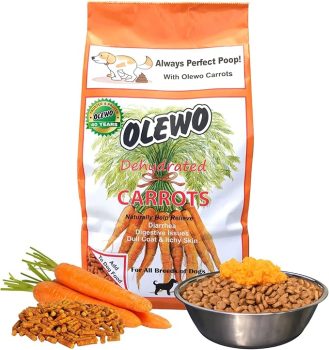
These dehydrated carrots are a natural fiber source that can help regulate digestion and support gut health. They’re a simple, wholesome addition to your dog’s diet.
Why it helps: Supports healthy digestion and stool consistency
Best for: Dogs with mild digestive issues or irregular stools
What to look for: Single-ingredient, natural fiber source
10. KOHA Limited Ingredient Bland Diet Sensitive Stomach Chicken & White Rice Wet Dog Food

This bland diet formula is designed specifically for dogs with sensitive stomachs. With limited ingredients and easy-to-digest components, it’s a great option during digestive upset.
Why it helps: Gentle on the stomach and easy to digest
Best for: Dogs recovering from digestive issues or needing a simple diet
What to look for: Limited ingredient, vet-recommended formulas
11. Stella & Chewy’s Beef Bone Broth for Dogs – Joint & Gut Health
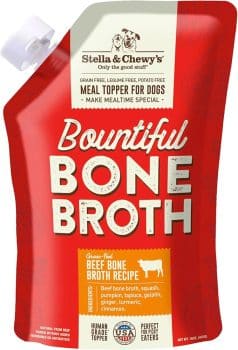
Bone broth is a great way to support hydration and digestion while making meals more appealing. It’s rich in nutrients that can support gut health and overall wellness. Plus, when added to your dog’s bowl as a food topper, it can encourage a picky eater to dive in.
Why it helps: Supports digestion, hydration, and gut health
Best for: Picky eaters or dogs needing extra digestive support
What to look for: High-quality broth with clean ingredients
What Helps Dogs with Sensitive Stomachs?
If your dog keeps going for the grass and you’ve noticed digestive issues alongside it, gut health is a good place to start. There are a lot of products built specifically for dogs with sensitive stomachs, and many of them work quickly.
The most effective options include:
- Probiotic chews that support healthy gut bacteria
- Digestive enzyme supplements that help break down food
- Pumpkin or fiber supplements for stool consistency
- Sensitive stomach or limited ingredient dog food
- Slow feeder bowls to prevent fast eating
- Lick mats to encourage calmer, slower meals
- Nutrient-rich toppers or broths to support picky eaters
Combining a few of these tends to work better than picking just one, especially for dogs whose sensitive stomachs flare up regularly. It’s not about finding a single fix. It’s about building better digestive habits from the ground up.
Frequently Asked Questions
1. Why does my dog eat grass?
Most dogs eat grass because of mild stomach discomfort, natural instinct, boredom, or simply the texture and taste. It’s usually harmless. But if it’s happening every day alongside vomiting or other digestive symptoms, it’s worth looking into further.
2. Is it bad if my dog eats grass every day?
Not necessarily. Some dogs eat grass regularly with no problems at all. But daily grass eating paired with vomiting, diarrhea, or changes in energy or appetite can point to an underlying issue. Talk to your vet if you’re seeing those patterns.
3. What can I give my dog instead of grass?
Dogs with digestive discomfort often do well with fiber-rich additions like pumpkin, probiotic supplements, or digestive enzyme chews. These options can address the root cause rather than just the symptom, which tends to be more effective long-term.
4. Can probiotics stop my dog from eating grass?
They can help. If the grass eating is tied to gut imbalance or digestive discomfort, a quality probiotic may reduce how often it happens. It’s not a guarantee, but many dog owners notice a real difference after a few weeks of consistent use.
5. When should I take my dog to the vet for eating grass?
Head to the vet if your dog is vomiting frequently after eating grass, showing low energy, losing their appetite, or eating grass in large amounts. Any sudden change in the behavior is worth getting checked out sooner rather than later.

Helping Your Dog Feel Better from the Inside Out
Occasional grass eating? Probably fine. But when it’s a daily thing, your dog might be telling you something about how their stomach feels.
The good news is there are real, practical steps you can take. Supporting digestion with the right supplements, food, or feeding tools can reduce the discomfort that sends dogs to the grass in the first place. Small changes, made consistently, tend to add up.
That said, if you’re seeing other symptoms alongside it, your vet should always be your first call. They know your dog best, and some things just need a professional eye.
 Toledo, United States.