
Most pet parents think hydration starts and ends with the water dish. It doesn’t.
Here’s something your vet probably knows but hasn’t had time to explain: dogs are reactive drinkers. They’re triggered to drink by a rise in blood plasma concentration, which means they’re already slightly behind on fluids before the urge to drink kicks in. They’re not tracking their intake throughout the day. They’re playing catch-up after the fact.
This is normal dog physiology. But in summer, when they’re panting constantly just to stay cool, that natural lag becomes a real problem.
And then there’s the food bowl, which most owners never think about in the context of hydration at all.
Hydration your dog doesn’t have to think about.
The Farmer’s Dog fresh recipes are over 70% moisture, so your dog takes in water with every bite. Plans are portioned to your dog and delivered to your door. New customers get 50% off their first box.
Panting Is a Dog’s Air Conditioning, and It Uses a Lot of Water
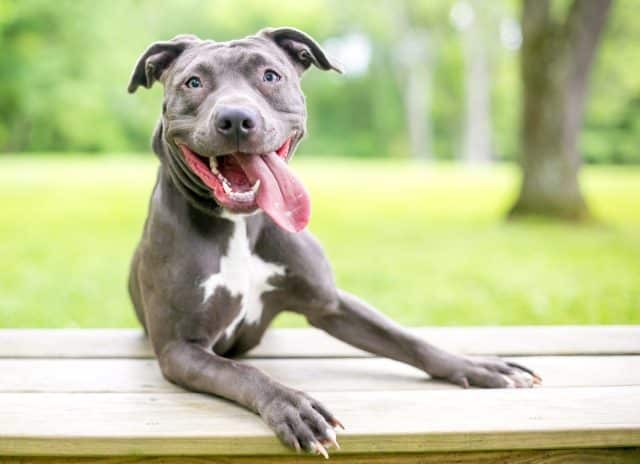
Dogs sweat only through their paw pads. A negligible surface area for an animal that can run, fetch, and wrestle for hours in July heat.
So panting does almost all the work. Here’s the mechanism: rapid breathing evaporates moisture from the respiratory tract, pulling heat away from the body. It’s evaporative cooling, and it’s remarkably effective right up until the water reserves start to run out.
Every panting breath expels moisture. In sustained heat, a dog can lose a significant volume of water through respiration alone, before you’ve seen them touch the water bowl at all. By the time the drinking starts, the deficit is already built up.
There’s another piece most owners don’t know about. Dogs also radiate some heat through vasodilation in the ears and face. But that’s a supporting role. Panting is the main event, and it starts the moment your dog steps outside on a warm day.
Hydration in summer isn’t just a comfort issue. It’s a performance issue for the systems keeping your dog safe.
By the Time Your Dog Acts Thirsty, They’re Already Behind
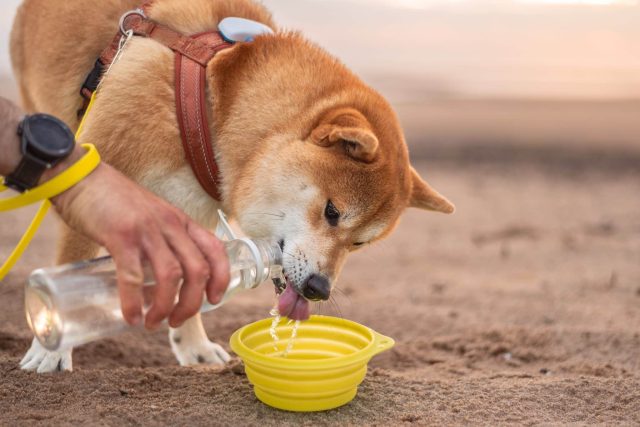
This is the part worth stopping to read carefully.
Research confirmed what many veterinarians have long suspected: dogs are reactive, not proactive, drinkers. They drink in response to a central increase in plasma osmolality. Translated out of the science: they don’t feel the urge to drink until their hydration is already slipping.
So by the time your dog ambles over to the water bowl, they’re already behind.
In normal conditions, that lag isn’t a big deal. In summer, with panting running continuously, it matters a lot.
How to check your dog right now (takes 15 seconds):
- Gum check. Press your finger to your dog’s gums. Healthy gums are slick and wet. If they feel tacky or sticky, that’s an early signal.
- Skin tent test. Gently pinch and lift the scruff of skin at the back of your dog’s neck, then release. It should snap back immediately. A slow return, even a half-second delay, signals dehydration.
Other signs to watch for: sunken eyes, reduced energy or reluctance to move, thick or ropy saliva, and reduced urination or noticeably dark urine.
The reason these symptoms get missed? They’re easy to write off as “just tired from the heat.” That’s the problem. By the time a dog is visibly lethargic and uninterested in water, dehydration is past the mild stage.
Want hydration built into every meal instead of left to the water bowl?
Answer a few questions about your dog and get a fresh plan with over 70% moisture in every portion. It takes about 2 minutes.
Some Dogs Start Summer at a Disadvantage
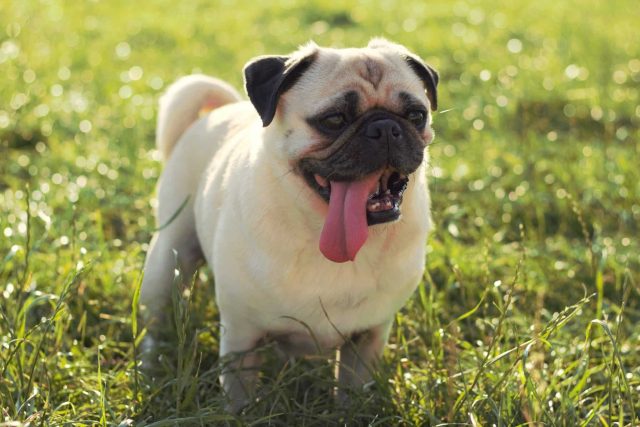
Not all dogs handle summer heat the same way. A few groups face meaningfully higher risk, and if your dog falls into one of these categories, hydration isn’t a nice-to-have. It’s a real safety priority.
Brachycephalic Breeds (Flat-Faced Dogs)
Bulldogs, French Bulldogs, Pugs, Boston Terriers, Boxers: these dogs have shortened airways that make panting less efficient at moving air. The evaporative cooling that works reasonably well in other dogs doesn’t work nearly as well here. Peer-reviewed research in Veterinary Evidence (2022) confirmed that brachycephalic breeds are at elevated risk for heat-related illness and are over-represented in heatstroke presentations. For flat-faced dogs, staying ahead on hydration is a basic safety measure, not an optional upgrade.
Double-Coated Breeds
Huskies, Golden Retrievers, Bernese Mountain Dogs, Samoyeds: the double coat that protects them in the cold can trap heat in warm weather. These dogs can overheat even in moderate temperatures when activity is high, and their hydration needs during warm-weather exercise run higher than lighter-coated dogs of similar size. A Bernese Mountain Dog on a 75-degree hiking day is working a lot harder to stay cool than they look.
Senior Dogs and Puppies
Senior dogs have reduced thirst sensation and kidneys that are less efficient at conserving water, which means the reactive-drinker problem gets worse with age. Puppies are small, metabolically active, and have a higher surface-area-to-body-mass ratio, which means they lose heat and water faster than adult dogs. Both groups need closer monitoring.
Every plan from The Farmer’s Dog is built around your dog’s breed, size, age, and activity level. A French Bulldog’s needs aren’t the same as a Lab’s, and the plan reflects that.
A Frenchie’s summer isn’t a Lab’s summer.
Every Farmer’s Dog plan is built around your dog’s breed, size, age, and activity level, with high-moisture meals portioned to their needs.
Dogs on Fresh Food Drink Less From Their Bowl and Get More Water Overall
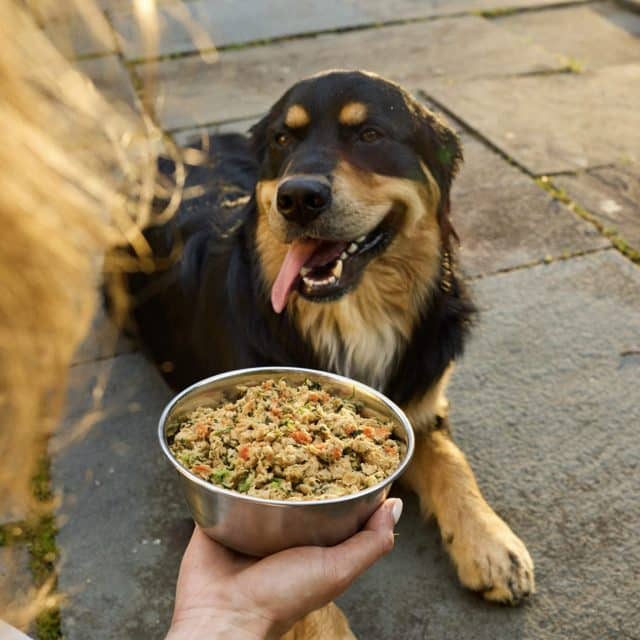
Here’s something that surprises most dog owners when they hear it: dogs eating moisture-rich food drink noticeably less from their bowl, but their total daily water intake goes up by about 20% compared to kibble-fed dogs.
Less bowl drinking, better hydration. That sounds like it shouldn’t work, but the numbers back it up.
The visual is the argument.
Dry kibble contains about 6% moisture. The Farmer’s Dog fresh recipes contain over 70%. One image, no chart-reading required: set those two bowls side by side in your mind. One is almost entirely dry. One delivers water with every single bite.
The research stated plainly.
The Farmer’s Dog veterinary nutrition team didn’t wait for someone else to study this. They conducted the first studies ever to measure total water intake from fresh food and published the results in the peer-reviewed journal Frontiers in Veterinary Science. Company-funded research, disclosed up front, peer-reviewed by the journal. The transparency matters.
Here’s what the research found:
- Dogs fed fresh food consumed an average of 522.5 grams of total daily water, compared to 434.1 grams for kibble-fed dogs.
- Fresh-food dogs reached 141% of their calculated daily water requirement, meaning they exceeded it by 41%.
- Kibble-fed dogs reached only 102% and actually drank more from their bowl.
- The fresh food was delivering water automatically with every meal.
- The kibble-fed dogs were drinking more to compensate, and still ending up further behind.
A second study in the same series compared fresh food to canned food. Both high-moisture formats exceeded daily requirements. Dogs consumed 93% of their fresh food and 79% of their canned food, a palatability signal worth noting.
Dr. Joseph Wakshlag, DVM, PhD, DACVIM (Nutrition), ACVSMR, one of the study authors, put it this way:
“These are the first ever datasets we have that quantify the total water intake from fresh food. The results confirm what many of us in the veterinary community have long suspected: moisture in food directly impacts overall daily hydration in dogs.”
The Farmer’s Dog fresh recipes are made with human-grade ingredients, gently cooked to preserve natural moisture, and delivered pre-portioned for your dog’s size, breed, age, and activity level. The hydration benefit isn’t a feature layered on top. It’s a natural result of using real, whole food.
See how much of your dog’s daily water their food could be delivering.
Fresh-fed dogs in the study reached 141% of their daily water requirement. Build your dog’s plan in about 2 minutes and get 50% off your first box.
What You Can Do Right Now
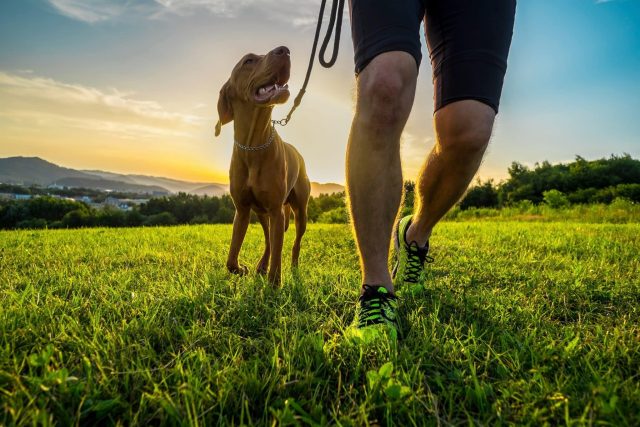
Add more water stations. Dogs won’t proactively seek water until they’re already behind. If the only bowl is in the kitchen and they’re napping in the living room on a hot afternoon, they’re probably not making the trip until they’re already thirsty. A second bowl in a different room actually helps.
Keep the bowl clean. Dogs are sensitive to smell, and a stale or plastic-smelling bowl can reduce how much they drink. Rinse it daily, wash it every few days.
Bring water on every walk. Dogs lose meaningful moisture on any walk when the temperature is above 75 degrees. Don’t wait for heavy panting to offer it. If your walk is more than 20-30 minutes in warm weather, bring a portable bowl.
Walk early or late. Morning and evening walks aren’t just more comfortable. They’re hydration management. Less panting, less moisture loss, fewer risk hours.
Watch for high humidity. Humidity matters as much as temperature. High humidity reduces panting efficiency because there’s less evaporation happening per breath. A dog can overheat faster on a humid 80-degree day than on a dry 90-degree day. If it feels muggy, treat it like a high-risk day.
Add water to dry kibble. If your dog eats kibble, adding a small amount of water to the bowl is a free, low-effort improvement. It’s not a full fix, but it’s better than nothing. A high-moisture food is the higher-impact version of the same idea: the difference between remembering to add water and hydration being built into every meal automatically.
Emergency signs. If your dog shows signs of heatstroke (heavy panting that won’t slow down, bright red gums, vomiting, disorientation, or collapse), contact a veterinarian immediately. Access to water doesn’t eliminate heatstroke risk. Don’t wait to see if they improve on their own.
FAQs: Your Summer Dog Hydration Questions, Answered
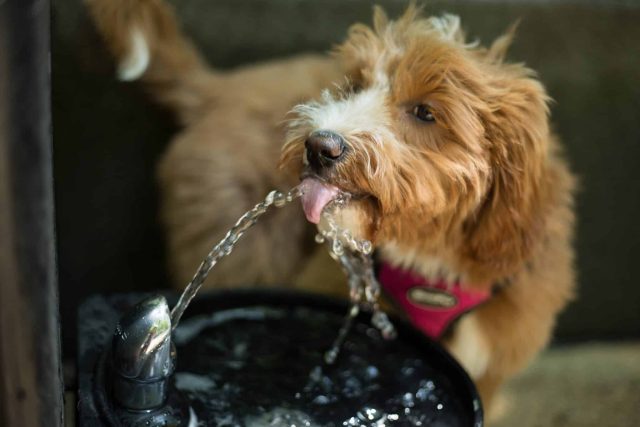
Q1: How much water does a dog need per day?
The general veterinary guideline is about one ounce of water per pound of body weight per day, including moisture from food, not just bowl drinking.
Here’s what that looks like in practice:
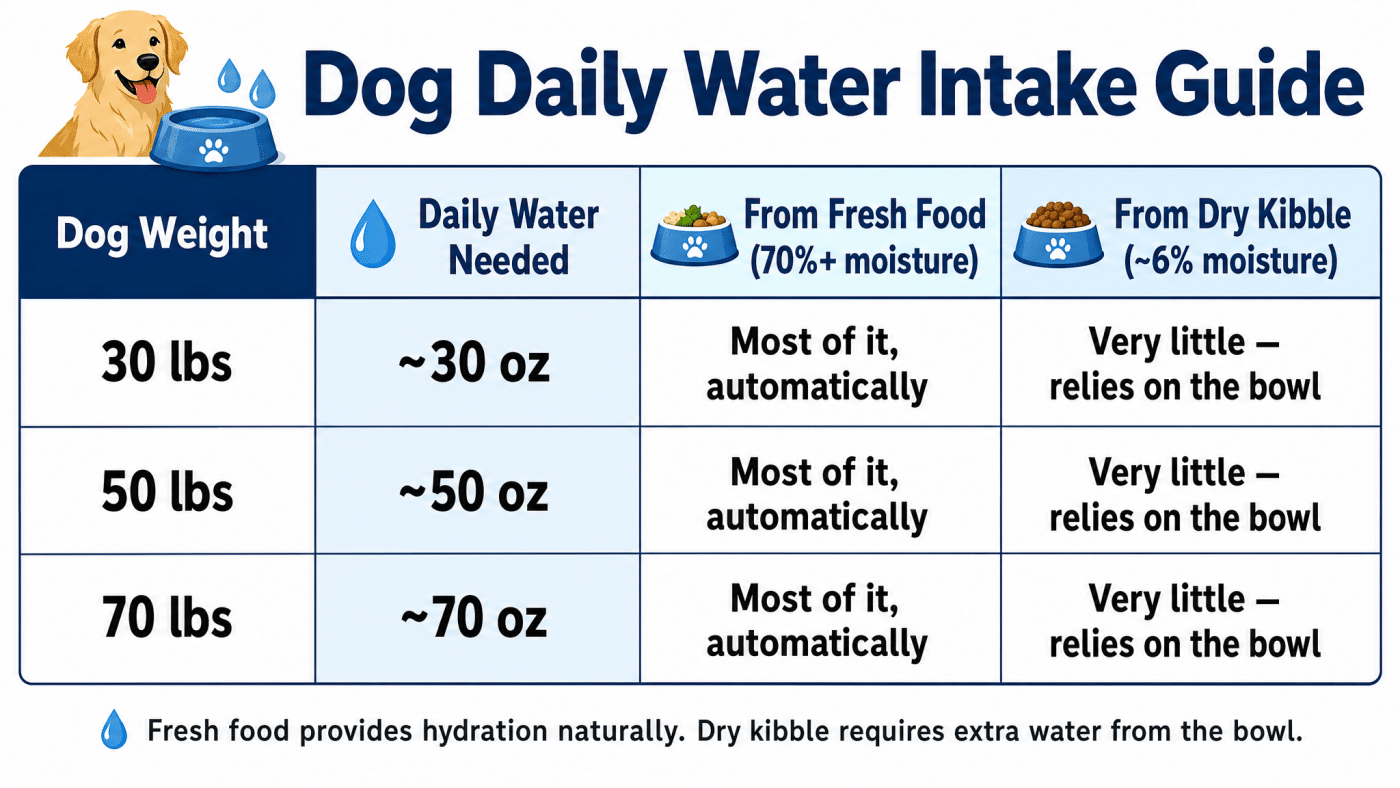 The practical implication: a 50-pound dog on fresh food is getting a substantial share of their daily water requirement delivered with meals, without any effort on your part. The same dog on kibble is almost entirely dependent on the water bowl. In summer, that difference shows up.
Q2: What are the early signs of dehydration in dogs?
The earliest signs are subtle enough that they’re routinely missed. Gums that feel slightly tacky instead of slick and wet. A skin tent test that returns slowly instead of snapping back immediately. Mild lethargy. Saliva that looks thicker or more ropy than usual. By the time a dog is visibly exhausted or disinterested in water, dehydration is already well established.
One simple habit: check your dog’s gums after every summer walk. It takes five seconds, and it’ll tell you more than watching the water bowl.
Q3: Are some dog breeds more at risk for summer dehydration?
Yes. Brachycephalic breeds (Bulldogs, French Bulldogs, Pugs, Boston Terriers) are at elevated risk because their shortened airways make panting less efficient, and panting is the primary cooling mechanism. Double-coated breeds like Huskies, Bernese Mountain Dogs, and Golden Retrievers can overheat quickly even in moderate temperatures. Senior dogs and puppies are also at higher risk because both groups regulate water balance less efficiently than healthy adult dogs.
Q4: Does the type of food my dog eats affect how hydrated they are?
Yes, significantly. A peer-reviewed study published in Frontiers in Veterinary Science measured total daily water intake in dogs eating fresh food versus dry kibble. Dogs on fresh food consumed 88 grams more total water per day on average and reached 141% of their daily water requirement, compared to 102% for kibble-fed dogs, even though kibble-fed dogs drank more from the bowl. Each study used ten dogs in a crossover design, so the findings are directional rather than definitive, but the result was consistent across both studies.
Q5: Can heatstroke happen even if my dog has access to water?
Yes. Access to water reduces risk but doesn’t eliminate it. Dogs are reactive drinkers, meaning by the time they feel the urge to drink, they may already be behind on hydration. High humidity reduces panting efficiency further, so on very humid days, dogs can overheat faster than they can replace lost moisture through drinking alone. Water access, shade, and cool conditions all matter. Any one of them alone isn’t enough.
Q6: What’s the difference between fresh dog food and kibble for hydration?
The biggest practical difference is moisture content. Dry kibble contains about 6% moisture. Fresh food like The Farmer’s Dog contains over 70%. That means a meaningful portion of your dog’s daily water intake arrives automatically with every meal instead of depending entirely on bowl drinking. In summer, when dogs are already working hard to stay hydrated, that built-in daily baseline matters more than at any other time of year.
Q7: Does hydration affect my dog’s urinary health?
It can. A study in the same peer-reviewed research series evaluated urine relative supersaturation, which is a measure of crystal-formation risk in the urinary tract. Dogs fed fresh food showed values in the favorable undersaturated zone for struvite and the lower metastable zone for calcium oxalate, suggesting that the hydration provided by high-moisture food may also support healthy urinary function.
Q8: How much does The Farmer’s Dog cost?
It depends on your dog, since every plan is portioned to their individual calorie needs. The fastest way to see your price is to build your dog’s plan, which takes about two minutes. New customers currently get 50% off their first box.
A Better Baseline Before Summer Even Starts
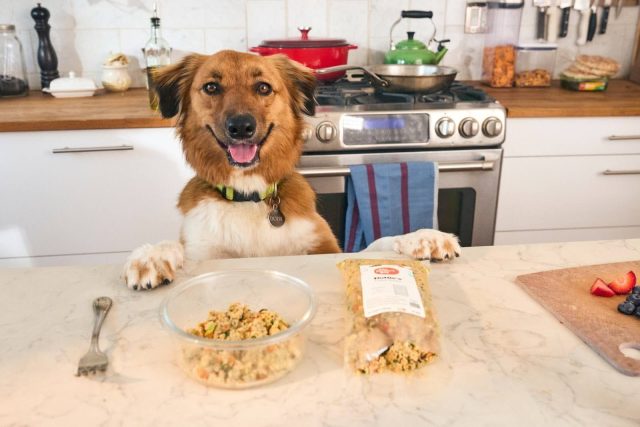
Here’s an honest point about timing.
The best moment to improve your dog’s hydration baseline is before peak summer heat, not during a crisis. Fresh food with high moisture content isn’t a seasonal hack. It’s a daily foundational choice that pays off more in summer because the need is higher. But it works year-round.
If you’re considering switching, know that transitioning a dog to a new food gradually takes about two weeks. Starting now means a fully established routine before the hottest months of summer.
Every plan from The Farmer’s Dog is formulated by on-staff Board-Certified Veterinary Nutritionists who take your dog’s breed, age, weight, activity level, and spay/neuter status into account. It’s not a generic meal. It’s portioned and balanced for your specific dog.
The research backing that approach is published. The team that did the work is named. That’s what it looks like when a pet food company is willing to show its work.
Give your dog a better hydration baseline before the heat peaks.
A gradual food transition takes about two weeks, so starting now means the routine is set before the hottest stretch of summer.
New customers get 50% off their first box.
 Toledo, United States.