
 Shutterstock
Dogs have an incredible ability to communicate their emotions, and their ears and tails play a crucial role in this expression. These body parts help dogs convey feelings, needs, and intentions, allowing them to interact with other animals and humans without words. Dogs instinctively use their ears and tails to signal their emotions and reactions, giving us valuable insights into their moods. By understanding how dogs use these body parts, we can better interpret their behavior and strengthen our bond with them.
Ears That Move Like Satellite Dishes
 Shutterstock
Dogs can rotate their ears up to 180 degrees, allowing them to hear sounds from all directions. This remarkable ability helps dogs stay aware of their surroundings and respond to their environment quickly. Not only do dogs use their ears to detect sounds, but the position of their ears also indicates their mood. Ears perked up may signal curiosity or attention, while ears flattened against the head suggest fear or submission.
Tail Wagging – The Joyful Expression
 Shutterstock
One of the most recognizable ways dogs express themselves is through tail wagging. A wagging tail generally signals excitement or happiness, but the speed, direction, and angle of the wag can tell us more. For example, a fast wag can indicate pure joy, while a slower wag may show uncertainty or hesitation. Dogs use their tails as a primary way of communicating, with their tail movements giving insight into their emotional state and intentions.
The Helicopter Tail Wag
 Shutterstock
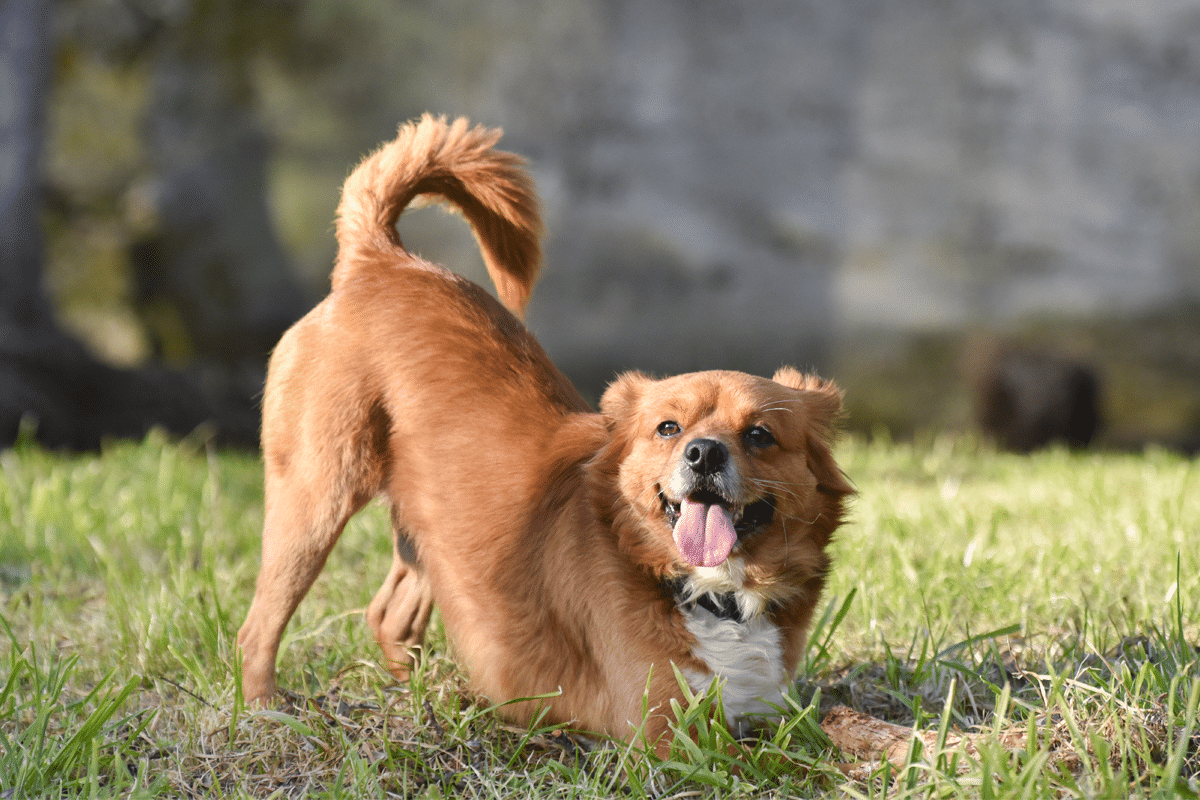
When a dog’s tail is wagging so fast that it spins in circles, it’s often referred to as the helicopter tail. This exaggerated wag is seen when a dog is incredibly excited, often in greeting. The dog’s joy is so overwhelming that their tail becomes an uncontrollable force, spinning in delight. It’s one of the cutest and most obvious signs of a dog’s affection, as they eagerly express their happiness in a way that’s hard to miss.
Ears Flattened in Fear
 Shutterstock
Flattened ears are one of the clearest indicators of fear or anxiety in dogs. When a dog pulls its ears back tightly against its head, it is typically feeling threatened or frightened. This is a defensive posture, signaling that the dog feels vulnerable or is trying to avoid confrontation. In addition to flattened ears, dogs may also display other signs of fear, such as a lowered body posture or a tucked tail.
Ears Flicking with Curiosity
 Shutterstock
When a dog is curious or trying to pinpoint the source of a sound, you’ll often see its ears flicking back and forth. This subtle movement shows that the dog is focused and trying to listen carefully. Dogs use their highly sensitive hearing to detect noises that we might miss, and their ability to move their ears helps them do this more effectively. A dog’s flicking ears can also show attentiveness or heightened awareness in unfamiliar situations.
Tail Between the Legs: Fear or Submission
 Shutterstock
When a dog tucks its tail between its legs, it’s one of the clearest signs that it feels afraid or submissive. This defensive posture helps the dog make itself appear smaller, signaling to others that it doesn’t want to engage in conflict. A tail tucked tightly under the body is often accompanied by other signs of fear, such as trembling or avoidance behavior. This behavior is instinctual and part of a dog’s effort to protect itself in threatening situations.
Tail Used for Balance
 Shutterstock
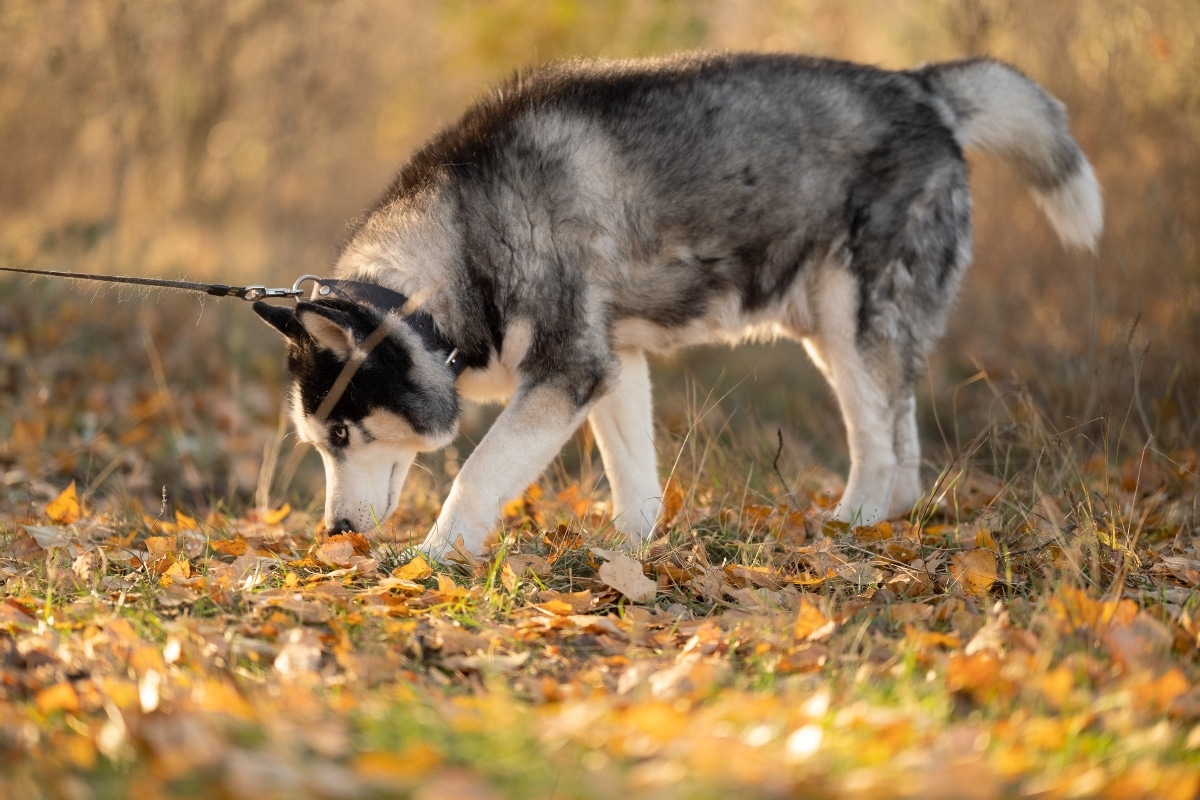
Many dogs use their tails as a counterbalance while running or making sharp turns. The tail helps the dog maintain balance, especially when they are moving quickly or engaging in physical activities. This is particularly evident in breeds that are built for agility, such as herding dogs. Their tails serve a practical purpose, helping them navigate complex movements with ease and providing stability during high-energy activities.
Ears in a Relaxed Position
 Shutterstock
When a dog’s ears are in a relaxed position, it usually indicates that the dog is calm and comfortable. Dogs with floppy ears often let them hang loosely, while dogs with erect ears may have them angled slightly forward or relaxed to the side. Relaxed ears are a clear sign that the dog feels safe in its environment, whether it’s enjoying a moment of relaxation or spending quality time with its human family members.
Tail Wagging in Different Directions
 Shutterstock
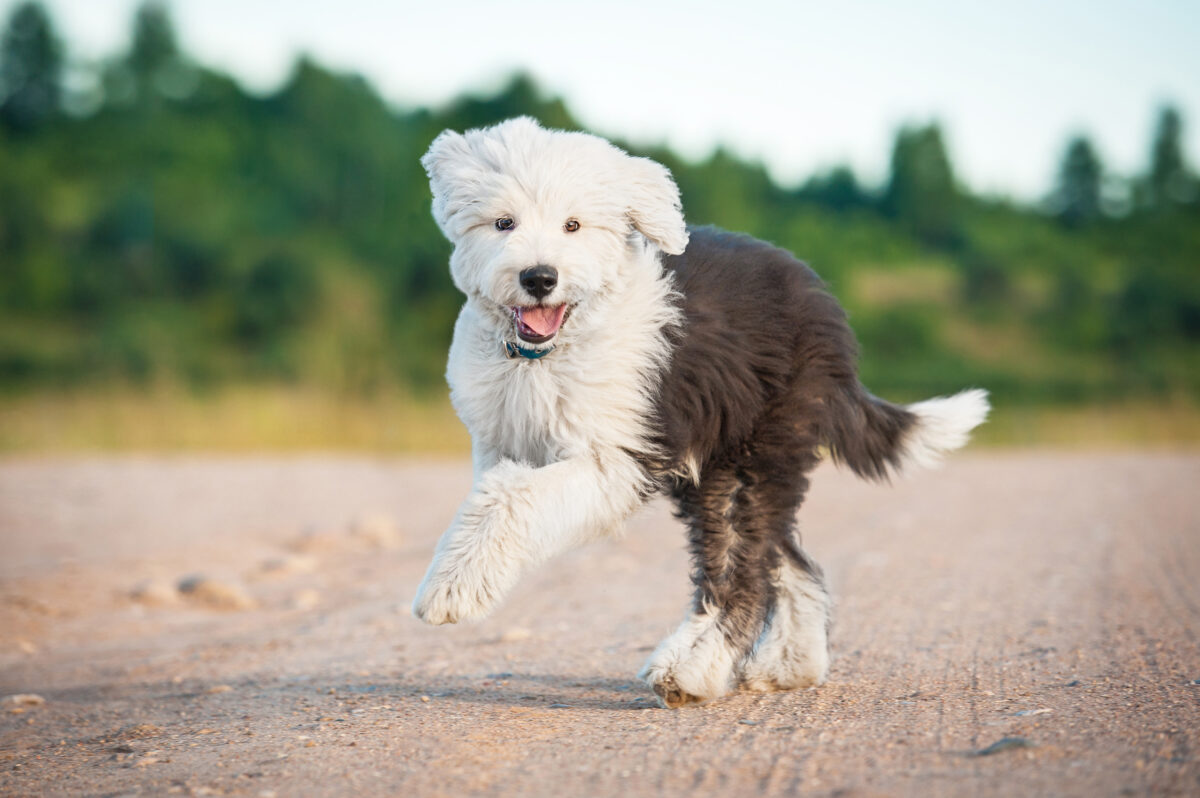
Dogs wag their tails in different directions to communicate specific emotions or intentions. For instance, a dog may wag its tail to the right when it’s happy or to the left when it feels anxious or uncertain. This subtle difference in tail movement helps owners better understand their dog’s feelings. By paying attention to these tail wagging patterns, you can gain more insight into your dog’s emotional state and tailor your interactions accordingly.
Ears and Tail as Social Signals
 Shutterstock
Dogs use their ears and tails to communicate with each other and with humans, making them an essential tool for social interaction. When dogs meet each other, they often use their ears and tails to gauge each other’s mood and intentions. A dog with ears perked up and a tail wagging confidently may be signaling friendliness, while a dog with ears back and a tucked tail may be signaling submission or discomfort. These non-verbal cues help dogs navigate social situations and communicate effectively within their pack.
The Expressive Language of Tails and Ears
 Shutterstock
Dogs’ tails and ears serve as a form of language, allowing them to communicate complex emotions and needs. For instance, when a dog’s tail is held high, it can indicate confidence or dominance, while a low, slow wag may signal confusion or hesitation. Similarly, dogs can use their ears to communicate attentiveness, excitement, or fear. These body parts work together to provide a visual and auditory language that humans can interpret with practice, creating a deeper understanding of what their dog is experiencing emotionally.
The Ears And Tails That Speak Volumes
 Shutterstock
Dogs don’t need words to communicate; their ears and tails speak volumes. A wagging tail often signals joy, while flicking ears may show curiosity or attention. A tucked tail can indicate fear, and a perked-up stance suggests alertness. These subtle body movements give us a glimpse into how they feel, helping us connect with them on a deeper level. So, the next time you notice a tail wagging or ears flicking, remember your dog is talking to you, expressing emotions without uttering a single word.
 Toledo, United States.