
 Shutterstock
Dogs don’t just exist in our lives, they feel their way through them. Ever had your pup crawl into your lap when you’re crying or zoom around the room when you’re laughing? That is not a coincidence. Dogs feel emotions deeply, sometimes even more than we do. They are not just companions, they are emotional athletes. They sense our moods, reflect our energy, and connect with us on a soul level. The bond we share with them is real, raw, and built on unconditional love and feeling.
Sensing Human Emotions
 Shutterstock
Your dog doesn’t need you to say “I had a tough day.” They already know. Dogs are experts at picking up on facial expressions, voice tone, and even subtle hormonal shifts. They don’t just see you, they feel you.
Catching Our Feelings
 Shutterstock
Dogs don’t just observe emotions, they absorb them. If you’re stressed, your dog might be too. Emotional contagion is real and powerful in our canine friends. They’re your furry emotional echo.
Empathy in Action
 Shutterstock
Ever sobbed on the couch and felt a wet nose against your cheek? That’s dog empathy in motion. Dogs don’t just sense sadness, they try to soothe it. Their comfort is pure and intentional.
Tail Talk
 Shutterstock
Tail wagging is emotional Morse code. A loose, fast wag often means happiness, but a slow, stiff wag can say “I’m unsure.” Some dogs even wag more to the right when happy and to the left when nervous. Who knew tails had opinions?
Body Language Clues
 Shutterstock
A dog’s body speaks volumes. Tucked tails, lowered heads, and lip-licking can all say “I’m not okay.” A playful bow means “Let’s have fun.” Every movement is an emotional clue.
Bark Whine and Growl
 Shutterstock
Vocalizations aren’t just noise, they’re messages. Whining can mean anxiety or a cry for attention. Growling might mean discomfort, but not always aggression. Listen closely, their voices have variety.
Expressive Faces
 Shutterstock
Dogs use their faces to talk, especially when we’re watching. Raised brows and widened eyes aren’t just adorable, they’re strategic. Studies show dogs evolved these expressions to connect better with humans. It’s emotional evolution, right on their faces.
Emotions by Scent
 Shutterstock
Dogs smell emotions — literally. They can detect chemical changes related to stress, fear, or even joy. That’s why some pups alert their humans before panic attacks. Their noses know your mood before you do.
Emotional Memory
 Shutterstock
Dogs remember how things made them feel. A traumatic vet visit or a joyful beach day leaves a lasting impression. Emotional memory helps them avoid danger and seek comfort. They carry yesterday’s feelings into tomorrow.
Bonding and Attachment
 Shutterstock
Dogs don’t just like us, they love us. They form deep attachments that cause distress when we’re gone. And joy that’s explosive when we return. Their loyalty isn’t just instinct, it’s emotional commitment.
Unique Personalities
 Shutterstock
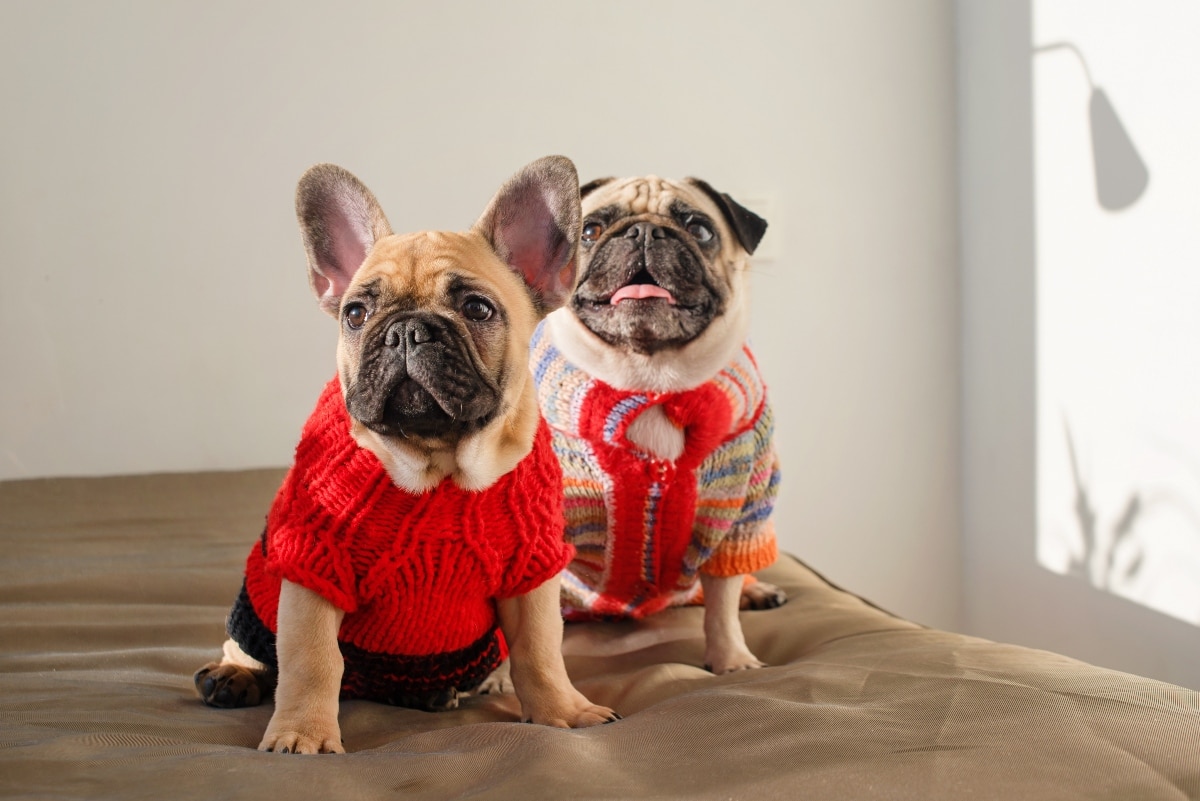
No two dogs are emotionally alike. Some are sensitive, others are fearless. Some love crowds, others love quiet cuddles. Respecting their unique emotional style is how we show real love.
The Tail End Of All The Feels
 Shutterstock
We’ve walked through wagging tails and teary eyes, and here we are. The emotional world of dogs is deep, honest, and beautifully raw. They don’t just exist in our lives, they live in our hearts. Loving them means feeling it all, right alongside them. So next time your pup curls up beside you when you are low, remember they are not just guessing. They know. They feel every beat of our joy and our pain. And in return, they give us love that is pure, steady, and beautifully true.
 Toledo, United States.