
 Shutterstock
Dogs are loved for their companionship, loyalty, and playful nature, but there’s much more to them than we often realize. Many people know the basics about their furry friends, yet there are plenty of fascinating facts that remain unknown. Dogs have an incredible sense of smell and possess surprising talents that continue to amaze us. If you’re a dog lover, discovering these lesser-known facts will deepen your appreciation and highlight just how remarkable and extraordinary these loyal creatures really are, making them even more special.
Dogs Have a Sense of Time
 Shutterstock
Many dog owners notice their pets seem to anticipate when it’s time for walks, meals, or their owner’s return. This isn’t just a coincidence—dogs have a natural sense of time! While they can’t read clocks, they can pick up on the cues that signal certain events are about to happen. Dogs learn to recognize daily routines through patterns, such as when the sun sets or when certain activities occur. Their sense of time might not be as precise as ours, but they are undoubtedly in tune with our schedules, and they often act accordingly when they know it’s time for something fun or comforting.
Dogs Can Hear Frequencies That We Can’t
 Shutterstock
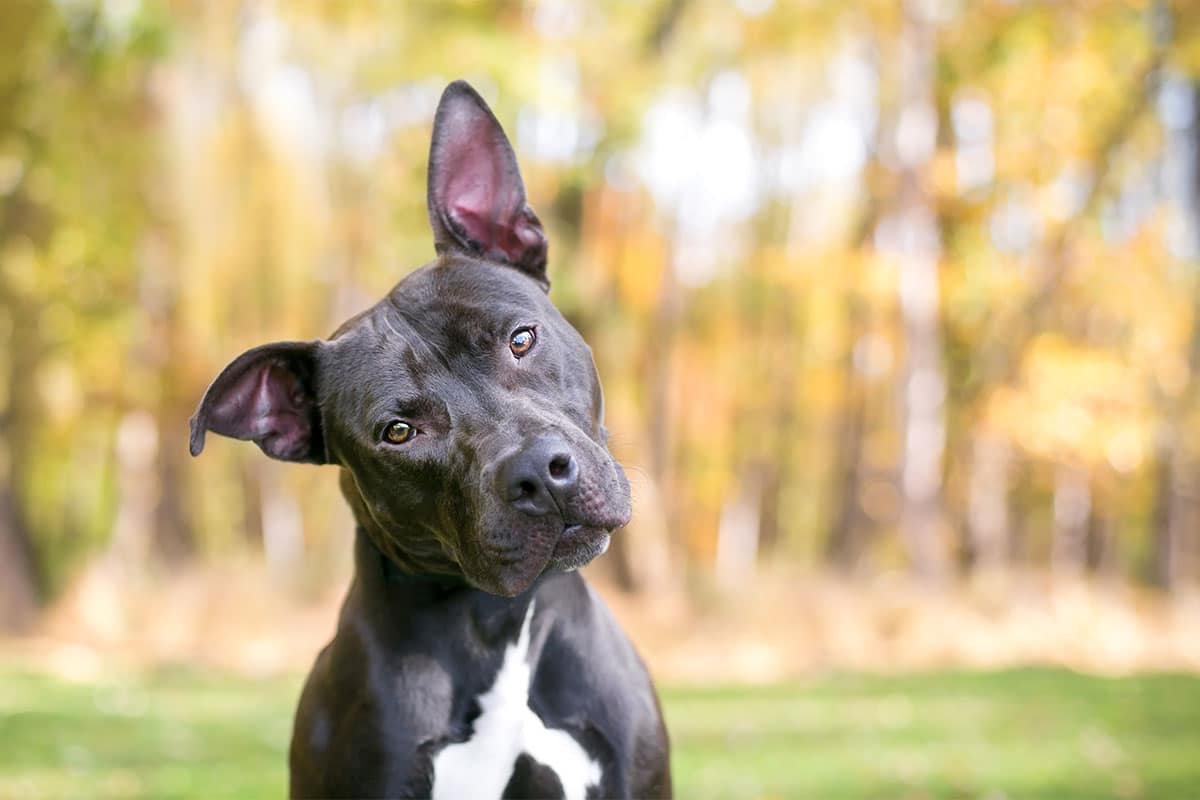
Dogs have an extraordinary sense of hearing, far beyond what humans can detect. A dog’s hearing range extends from 40 Hz to 60 kHz, compared to the human hearing range of 20 Hz to 20 kHz. This means they can hear sounds at much higher frequencies, such as dog whistles and certain dog toys that emit high-pitched noises. Their ability to hear these sounds helps them in many situations, such as sensing danger or being able to pick up on certain subtle sounds, making them even more incredible companions.
Dogs Can Smell Your Feelings
 Shutterstock
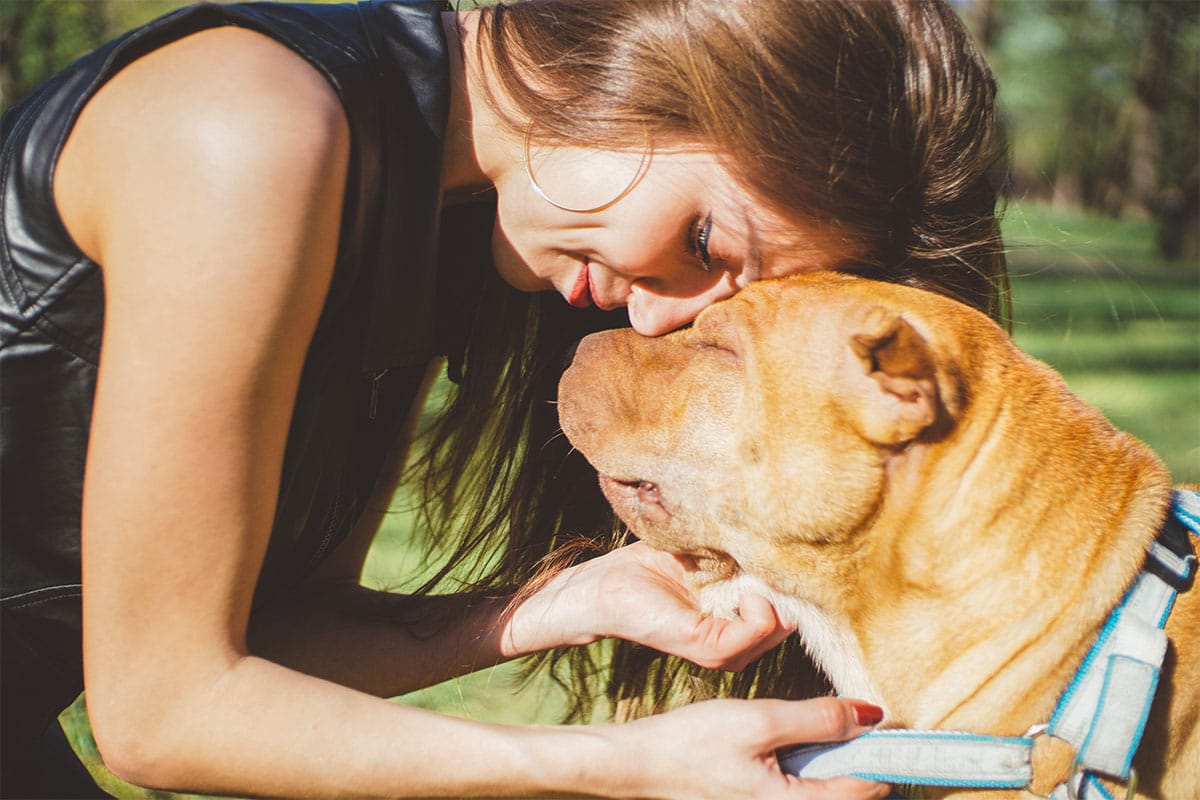
Dogs have an incredible sense of smell, but did you know that they can also sense your emotions? Dogs can detect changes in a person’s body odor caused by emotional states, like stress or anxiety. They can pick up on pheromones and other chemical changes that signal how you’re feeling. This unique ability allows dogs to respond empathetically to their owners, offering comfort when you’re sad, anxious, or stressed. Their heightened sense of smell, combined with their emotional intelligence, makes them wonderful companions for emotional support.
Dogs Have “Talking” Tails
 Shutterstock
While dogs may not speak our language, they sure have their own way of communicating. One of the most obvious and expressive forms of dog communication is through their tails. A wagging tail isn’t just a sign of excitement—it can convey different emotions depending on the speed, position, and movement of the tail. A slow wag can indicate uncertainty, while a rapid wag usually signifies happiness or eagerness. The direction of the wag can also provide insight—dogs tend to wag their tails to the right when they’re feeling happy and to the left when they are anxious.
Dogs Can Be Left or Right-Pawed
 Shutterstock
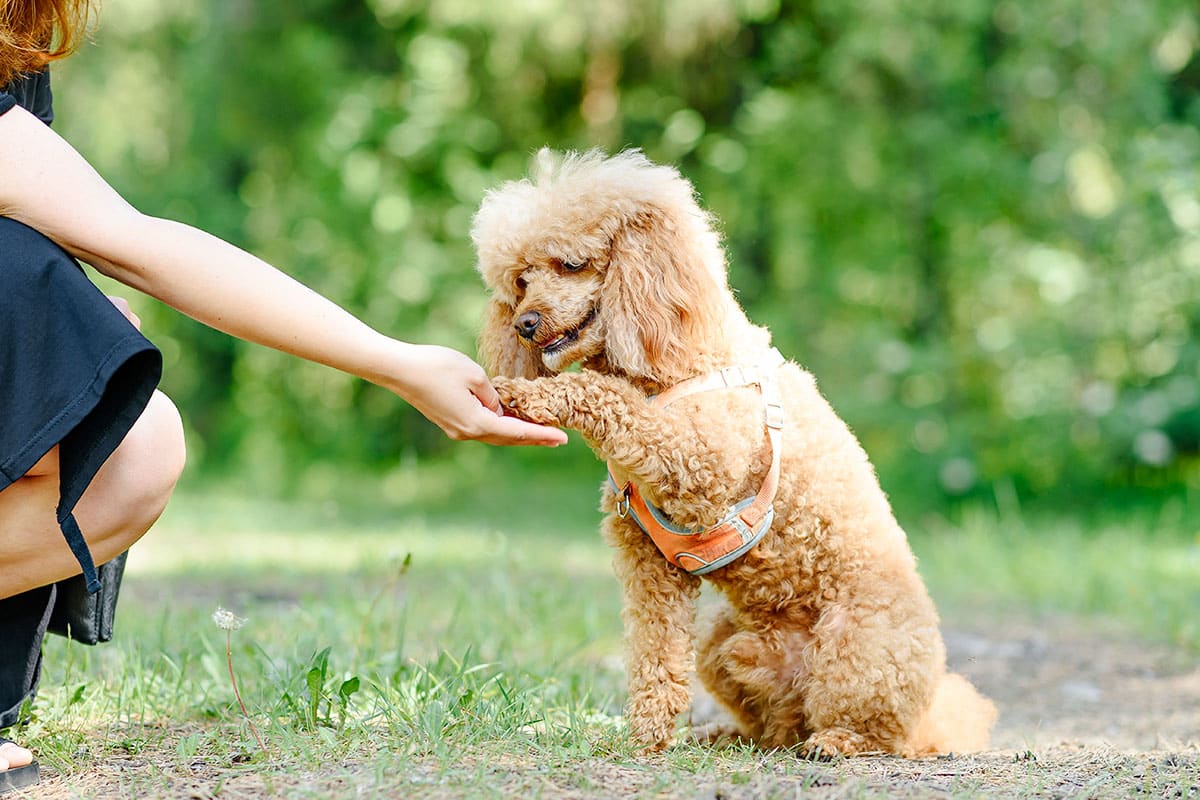
Just like humans are left- or right-handed, dogs can have a dominant paw as well. Research has shown that dogs tend to favor one paw over the other when performing tasks, such as playing with a ball or reaching for food. Interestingly, this trait can also reflect a dog’s personality—left-pawed dogs are often more anxious, while right-pawed dogs tend to be more confident. So, just like people, your dog may have a preferred paw, adding another layer of personality to their character.
Dogs Can Understand Human Emotions
 Shutterstock
Dogs are incredibly in tune with human emotions and can easily read the emotional state of their owners. Studies have shown that dogs can recognize when a person is sad or happy based on their facial expressions and tone of voice. They may even respond to these emotions in kind, offering comforting behavior when you’re upset or playful energy when you’re happy. This ability to empathize and respond to human emotions is one of the reasons dogs are such wonderful companions—they truly understand us in a way that few other animals can.
Dogs Dream About Their Owners
 Shutterstock
Just like humans, dogs experience rapid eye movement (REM) sleep, which means they dream. Research suggests that dogs dream about their daily experiences, including playing, eating, and even interacting with their humans. You may notice your dog twitching, moving their legs, or making soft noises while they sleep—these are signs that they’re dreaming. Since dogs form such strong bonds with their owners, it’s likely that they dream about their time with you, showing just how much they love and care about you.
Dogs’ Nose Prints Are Unique
 Shutterstock
Everyone knows that dogs have an extraordinary sense of smell, but did you know that each dog’s nose print is unique, much like a human fingerprint? The patterns on a dog’s nose are one-of-a-kind, and they can be used for identification purposes. While this fact may not be commonly known, it’s a fascinating example of how every part of a dog is designed to be unique. Their noses are not just for sniffing but also carry their own identity, showcasing yet another layer of their remarkable individuality.
Dogs Can Be Trained to Detect Diseases
 Shutterstock
Dogs’ remarkable sense of smell allows them to detect certain medical conditions, including diseases like cancer and diabetes. Research has shown that dogs can sense changes in a person’s body chemistry, such as the scent of cancerous cells or changes in blood sugar levels. This ability makes dogs incredible companions for those with medical conditions. Some service dogs are specifically trained to alert their owners to health changes, providing life-saving assistance and showing how deeply dogs can care for their humans.
Dogs Don’t Sweat Like Humans
 Shutterstock
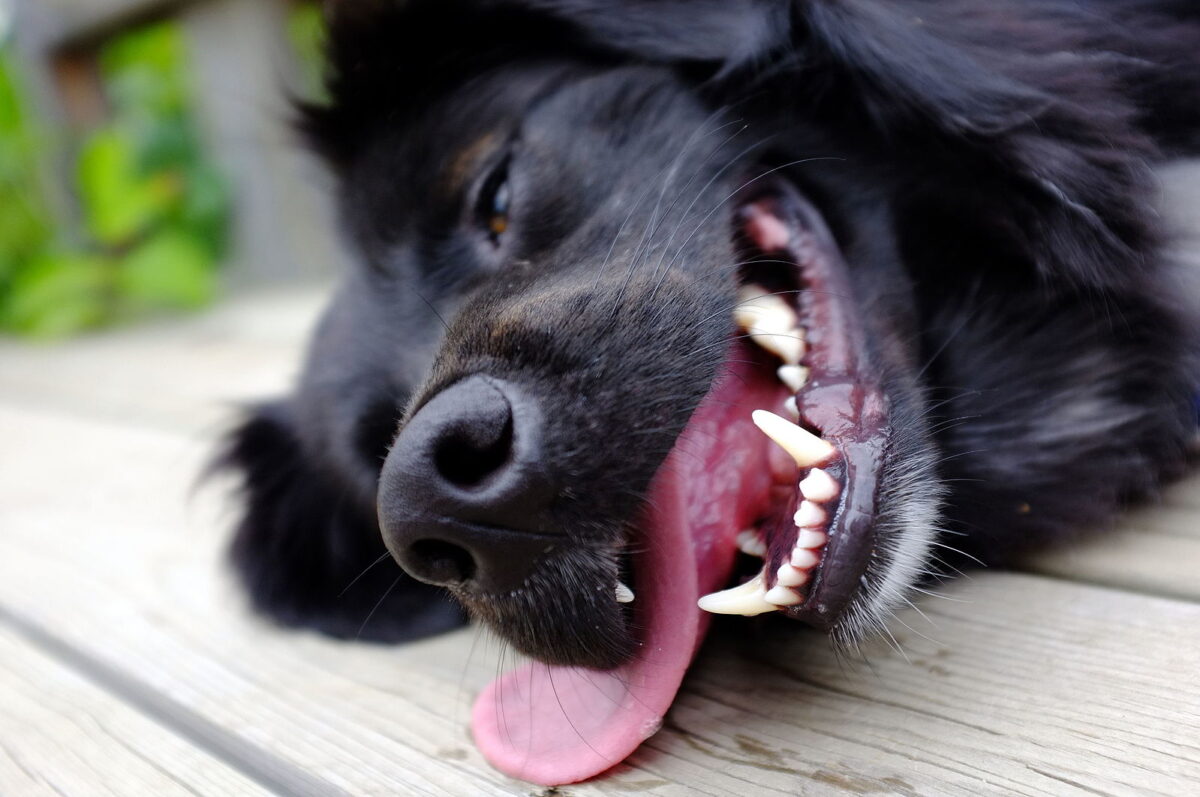
Dogs are often seen panting when they’re hot, but did you know they don’t sweat like humans do? While we sweat all over our bodies to cool down, dogs only sweat through their paws. This is why you may sometimes see damp paw prints on the floor after your dog has been walking around in the heat. Dogs also regulate their body temperature by panting, which helps to cool them down. This unique system helps them deal with heat, but also makes them more susceptible to overheating in extreme temperatures.
Dogs Can Recognize Their Name and Other Words
 Shutterstock
Dogs are highly intelligent and capable of learning a wide range of commands and words. Most dogs can recognize their own name and respond to it with excitement, indicating they understand that it’s a signal for their attention. In addition to their name, dogs can also learn other words and phrases, especially when associated with a certain action, such as “sit,” “stay,” or “walk.” The more time you spend teaching your dog, the better they become at understanding and responding to various cues, showing just how trainable they are.
The Dogs Who Know More Than You Think
 Shutterstock
Dogs are full of surprises, showcasing just how remarkable our furry friends really are. Their ability to recognize emotions, impressive memory, and keen sense of smell highlight their complexity. These unspoken traits make them more than just pets, they are loyal companions deeply connected to us in ways that go beyond the surface. With each new discovery, it becomes clear that dogs are incredible creatures, with talents and abilities that continue to amaze and inspire us, deepening our bond with them.
 Toledo, United States.