
 Shutterstock
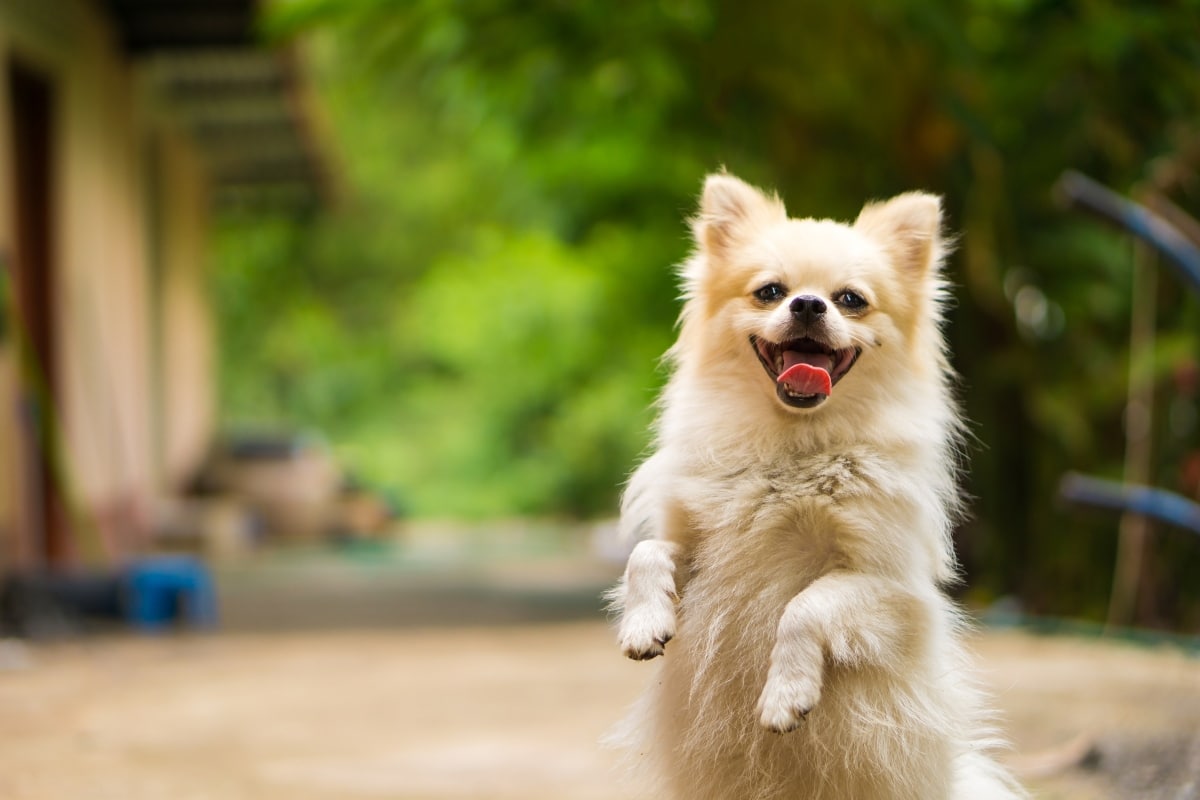
Dog paws are one of the most overlooked wonders of the canine world. We see them every day, hear them tap across the floor, and feel their little nudges, but we rarely stop to think about how fascinating their texture truly is. A dog’s paw isn’t just cute or squishy; it’s a complex structure designed for protection, grip, temperature control, and sensory awareness. Whether they’re rough from outdoor adventures or soft from lounging on the couch, those paws have stories to tell.
Paw Pads Are Tough but Not Indestructible
 Shutterstock
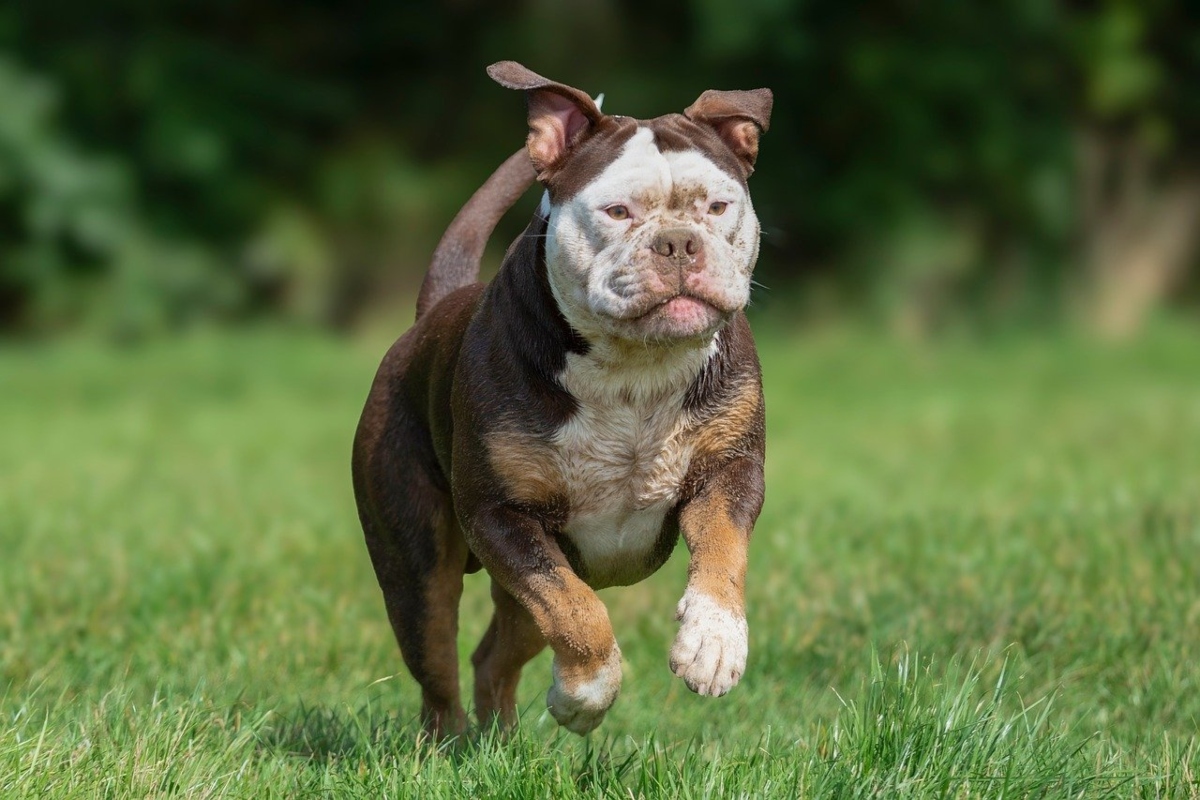
Dog paw pads may feel rough like sandpaper, but they’re designed that way for a reason. These textured pads help dogs walk on rough surfaces, offering traction and durability. However, despite their toughness, they’re not invincible. Extreme heat, ice, or sharp terrain can still damage them. Their texture is protective, but it’s also a signal for when paws need some extra TLC.
The Texture Changes with Age and Activity
 Shutterstock
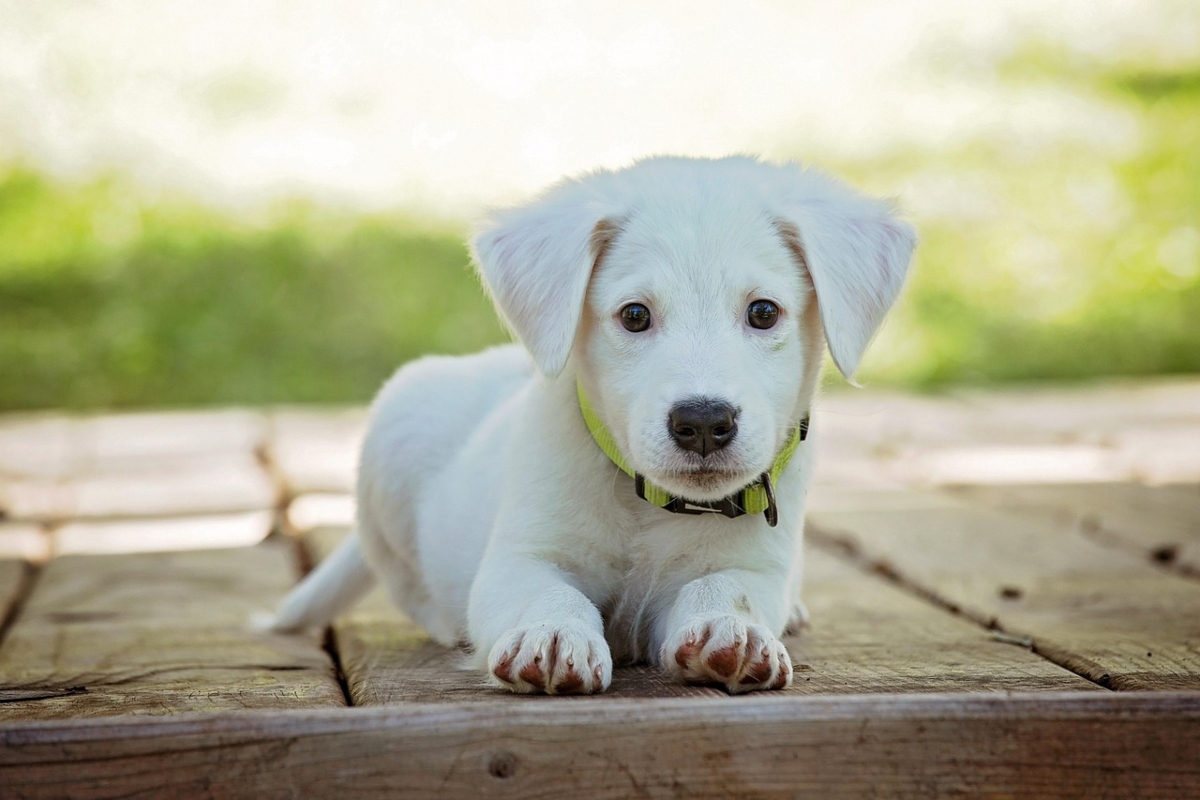
Just like human hands, a dog’s paw texture can change over time. Puppies often have soft, pink pads that gradually become thicker and rougher as they grow. The more active a dog is, especially on outdoor surfaces, the tougher and more calloused their paws get. In contrast, indoor dogs might have smoother, softer pads. Their texture tells a story of where they’ve been and how they live.
Paws Sweat But Only a Little
 Shutterstock
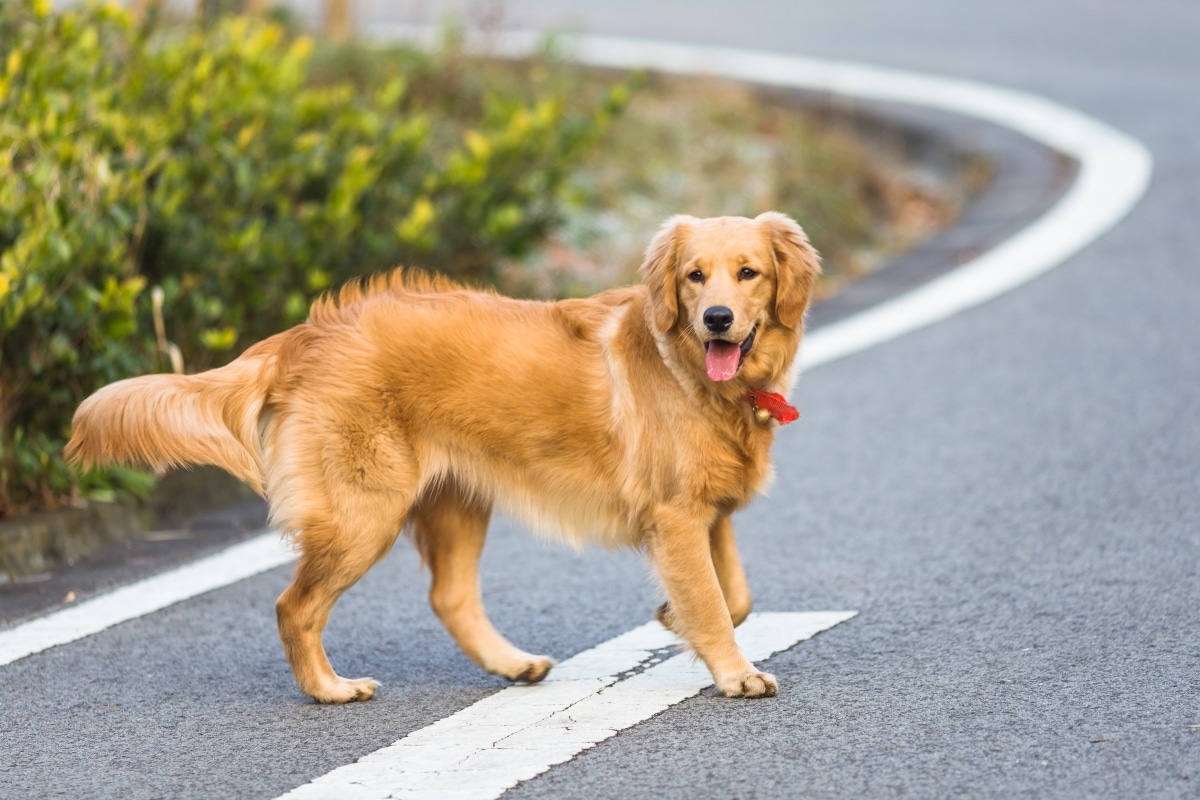
Dog paws have sweat glands, and this often surprises people. These glands don’t soak their feet like ours, but they do release small amounts of moisture to help regulate body temperature. This can leave their pads slightly damp or cool to the touch, especially in warm weather. The combination of this natural moisture and their textured surface helps keep them from slipping. Its function is disguised as fluff.
They Have a Naturally Protective Layer
 Shutterstock
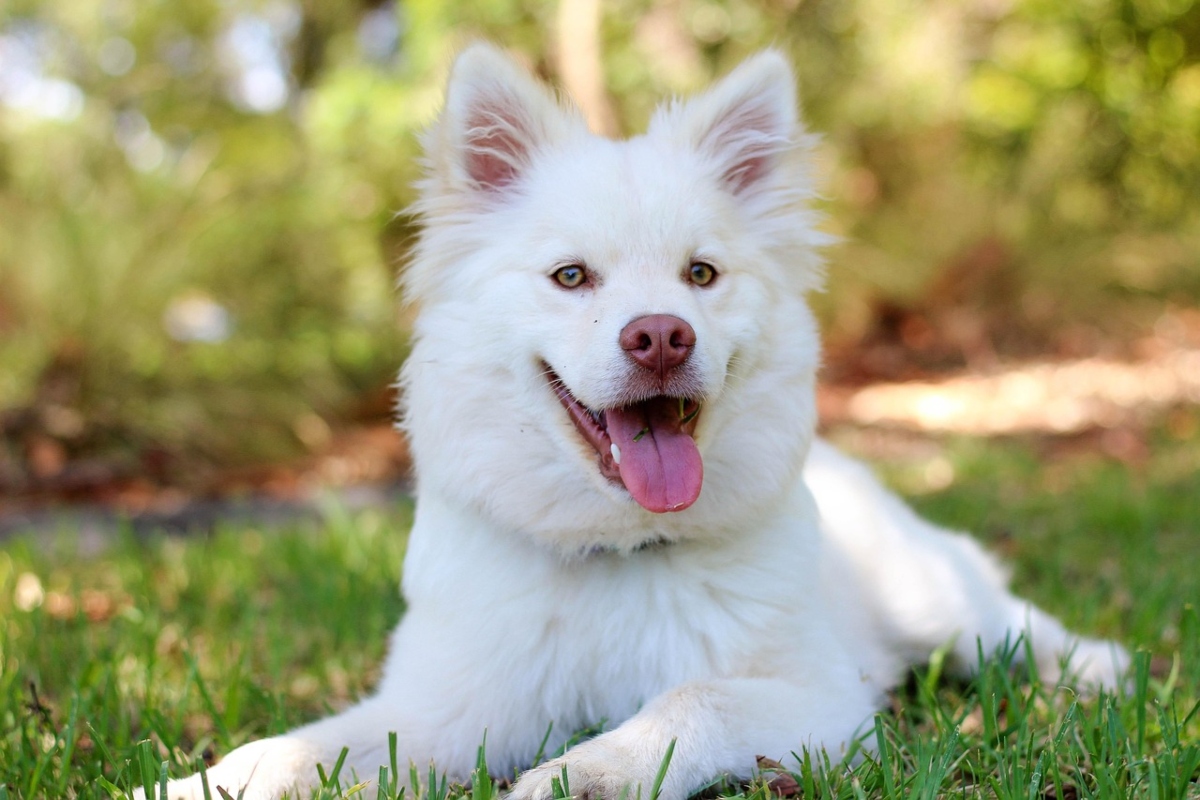
The outer layer of a dog’s paw pad is made up of thick keratin, the same protein found in claws and human nails. This gives paws a slightly rubbery, firm texture that helps absorb shock and resist wear. It’s like built-in armor that protects their feet with every step. This tough layer feels bumpy and hard, but it plays a crucial role in supporting joints and protecting bones.
Each Paw Has a Unique Feel
 Shutterstock
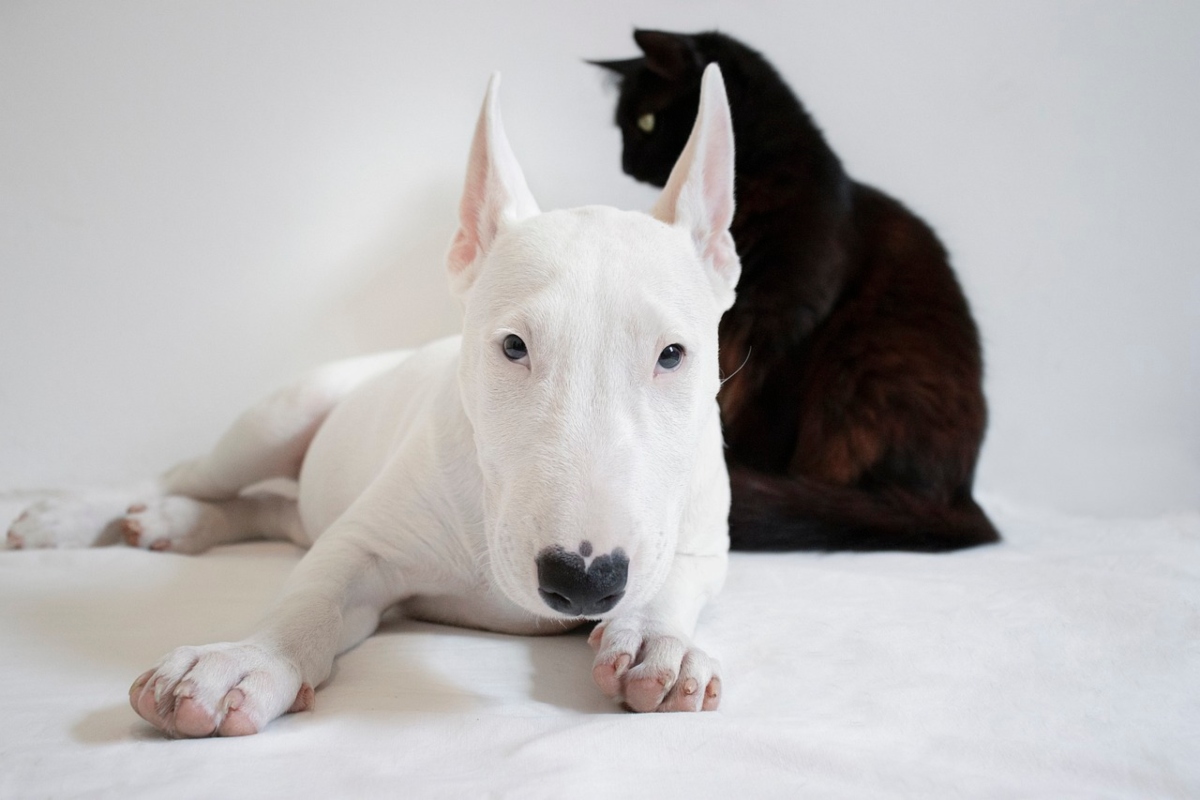
Just like noses or fingerprints, no two dog paws feel exactly the same. Some dogs have more calloused, coarse pads, while others feel smoother or more velvety. It depends on their breed, age, weight, and environment. This variety makes paw texture a fun and curious feature to notice during cuddle time or grooming sessions.
Winter and Summer Affect Paw Texture
 Shutterstock
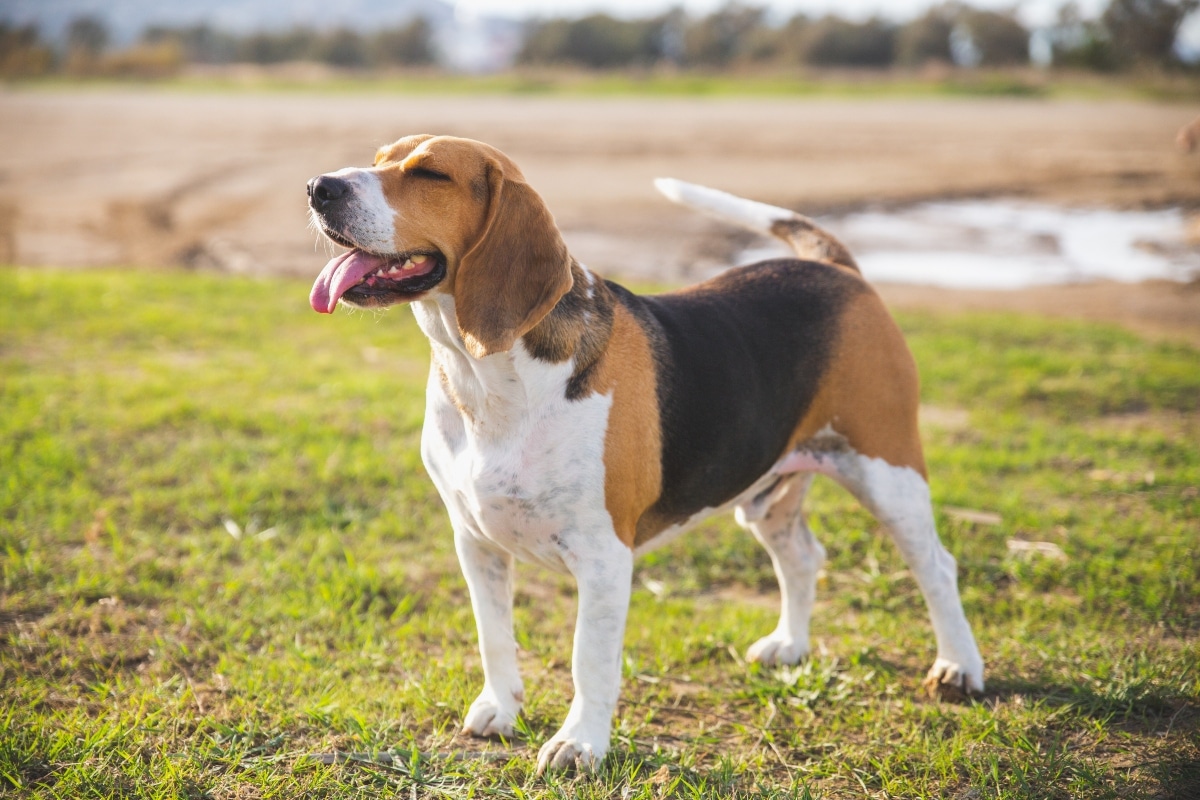
Seasonal changes can make a big difference in paw texture. Cold, dry air can leave pads feeling cracked or rough, while hot pavement in summer can burn or dry them out. You might notice your dog’s paws feel rougher in winter and more sensitive in the heat. Their texture shifts just like ours does with the weather, only they don’t wear socks.
Dogs Use Paws for Scent Marking
 Shutterstock
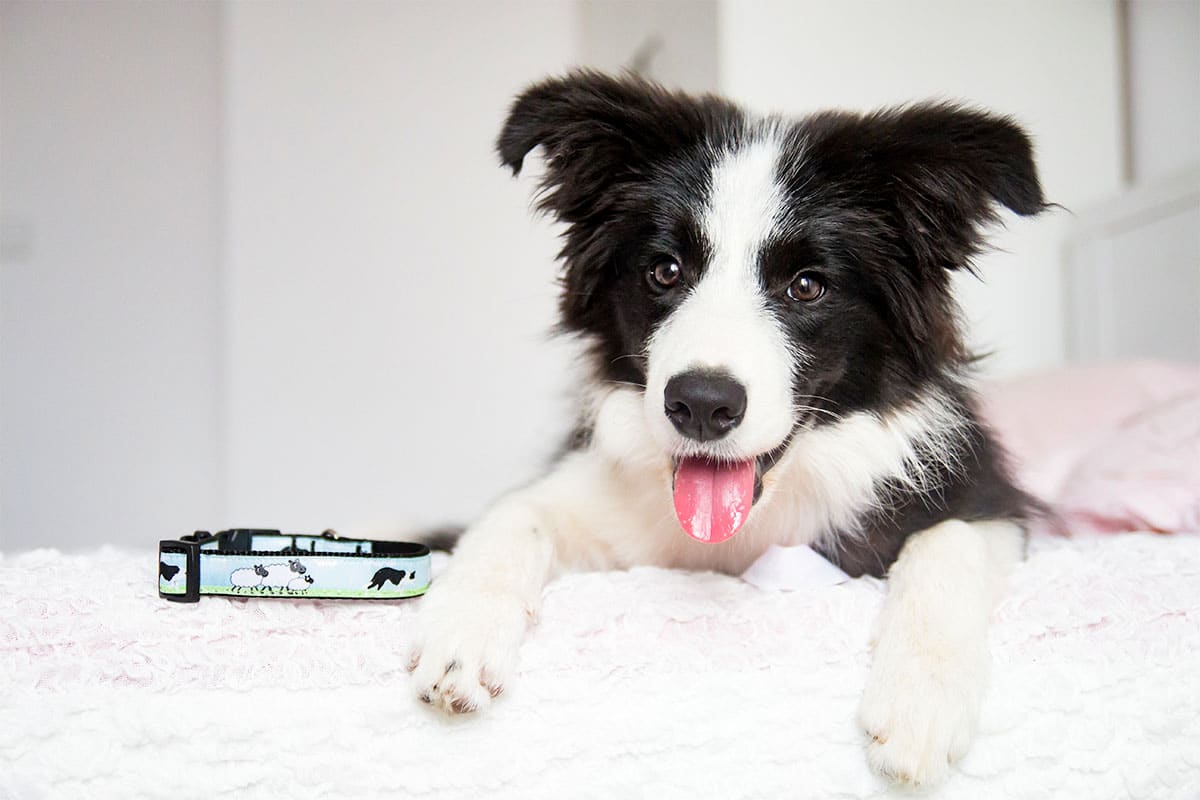
Believe it or not, dogs have scent glands in their paws. When they scratch the ground, they’re not just being dramatic; they’re leaving their scent. This can also influence paw texture by making the pads slightly oilier or more worn, depending on how often they do it. It’s a reminder that paws aren’t just for walking, they’re for communication too.
Paw Texture Can Indicate Health Issues
 Shutterstock
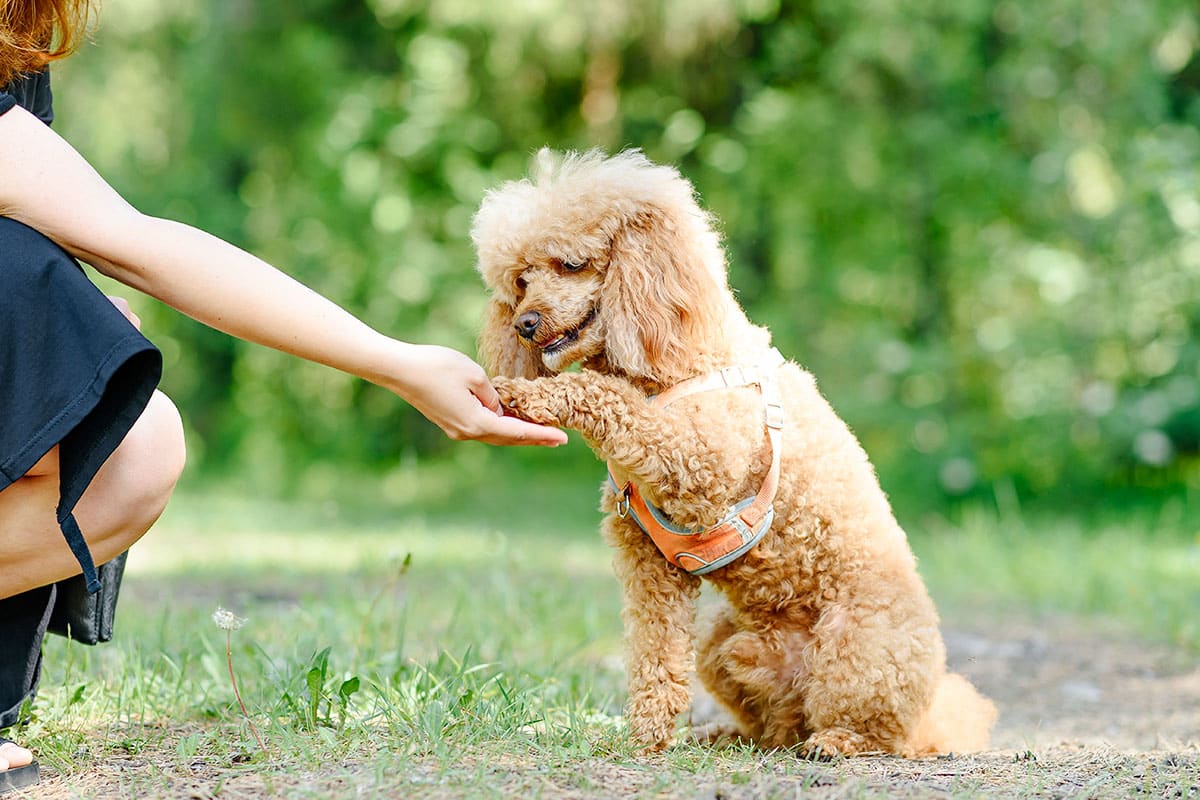
Sudden changes in paw texture can be a sign of health problems. If a normally rough pad becomes too soft, cracked, or inflamed, it could be due to allergies, infections, or even nutritional issues. Paying attention to how their paws feel can be an early clue that something’s off. A strange texture isn’t always just from terrain; it could be telling you to check in on your dog’s health.
Rough Paws Aren’t Always a Problem
 Shutterstock
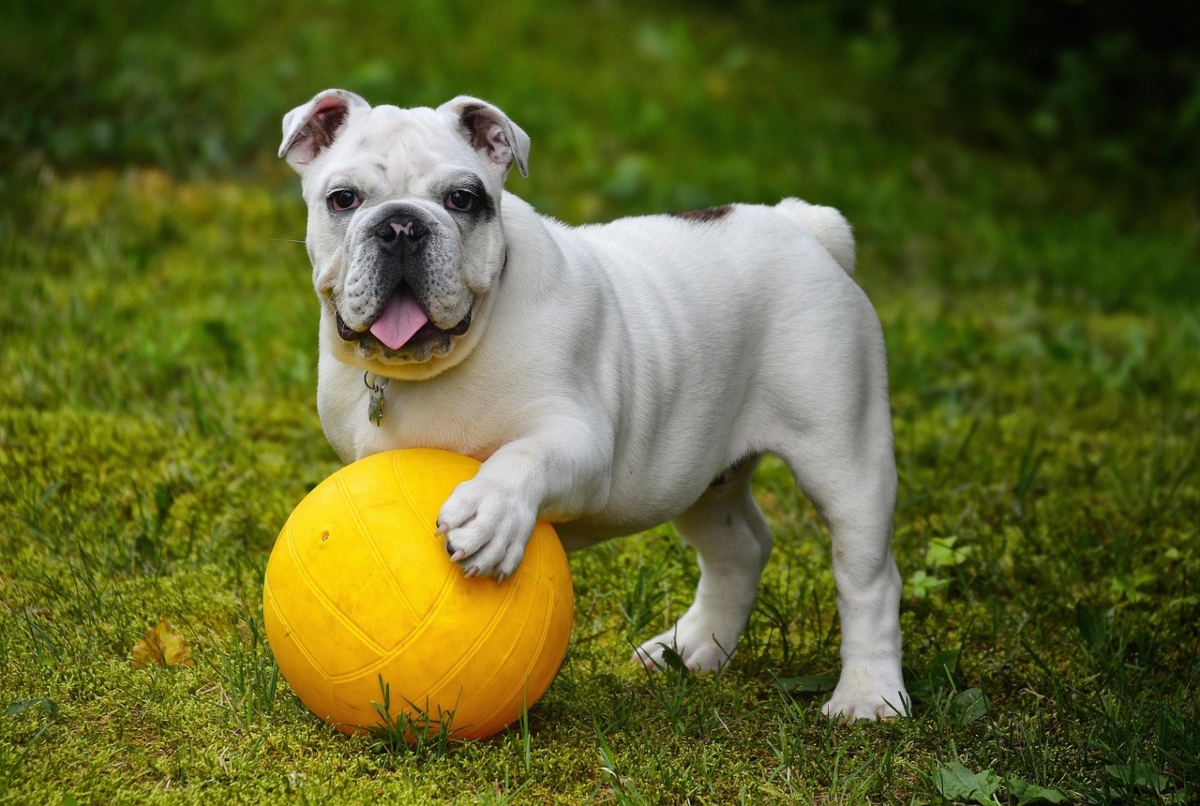
Many dog parents worry when their pup’s paws feel like sandpaper, but roughness isn’t always a bad thing. In fact, rough paws are often a sign of an active lifestyle. Hiking, running, and playing on outdoor surfaces naturally toughen up paw pads. It’s a bit like a badge of honor, a textured paw pad that says, “I’ve been places.”
Soft Paws Can Mean They’re Spoiled (In a Good Way)
 Shutterstock
If your dog’s paws feel soft and smooth, especially compared to other pups, they’re probably living the pampered life. Dogs who spend most of their time indoors or on soft surfaces tend to have gentler textures. Think plush beds, carpeted floors, and plenty of naps. Their paws might not be rough, but they’re just as healthy, and maybe a little spoiled.
Texture Plays a Role in Traction
 Shutterstock
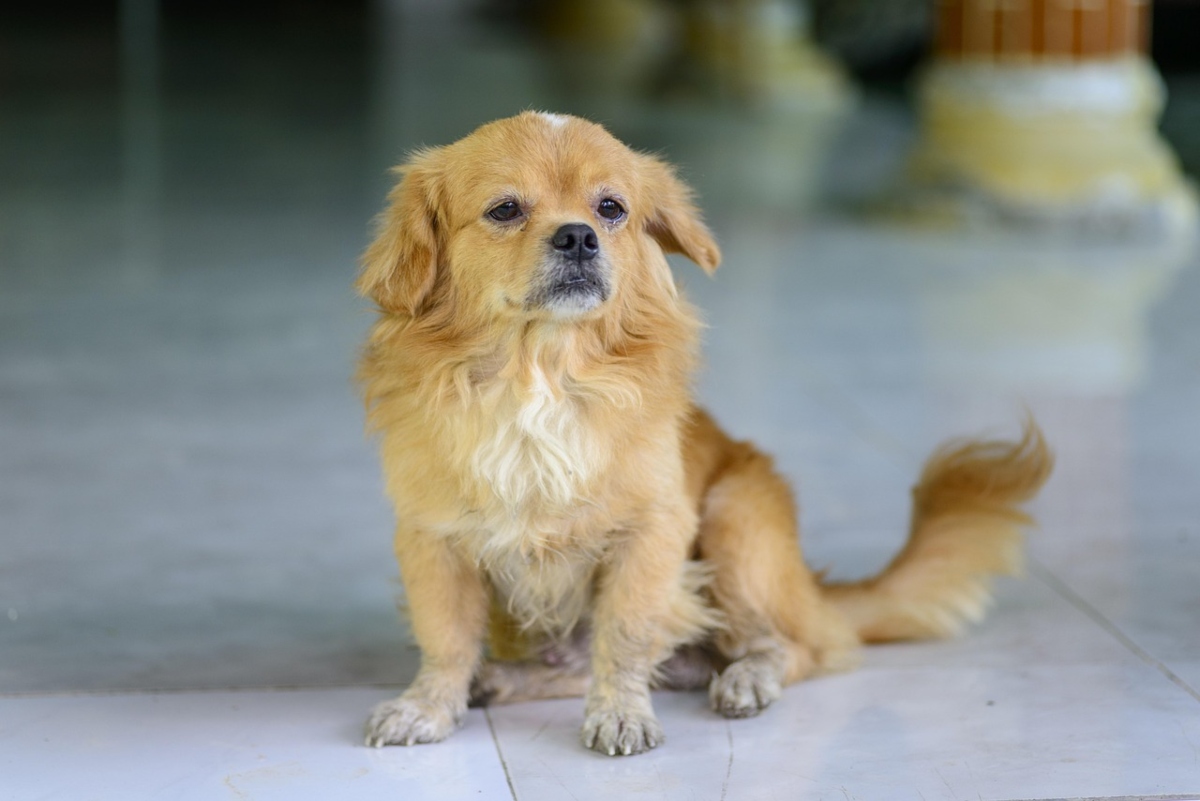
The grooved, bumpy texture of a paw pad helps dogs keep their footing on a variety of surfaces. It acts like a built-in anti-slip sole, allowing them to sprint, stop, and turn with precision. This is especially important for working dogs or those who love agility. A smooth paw wouldn’t grip nearly as well; the texture is the secret to their zoomie power.
They Get Dry Just Like Human Skin
 Shutterstock
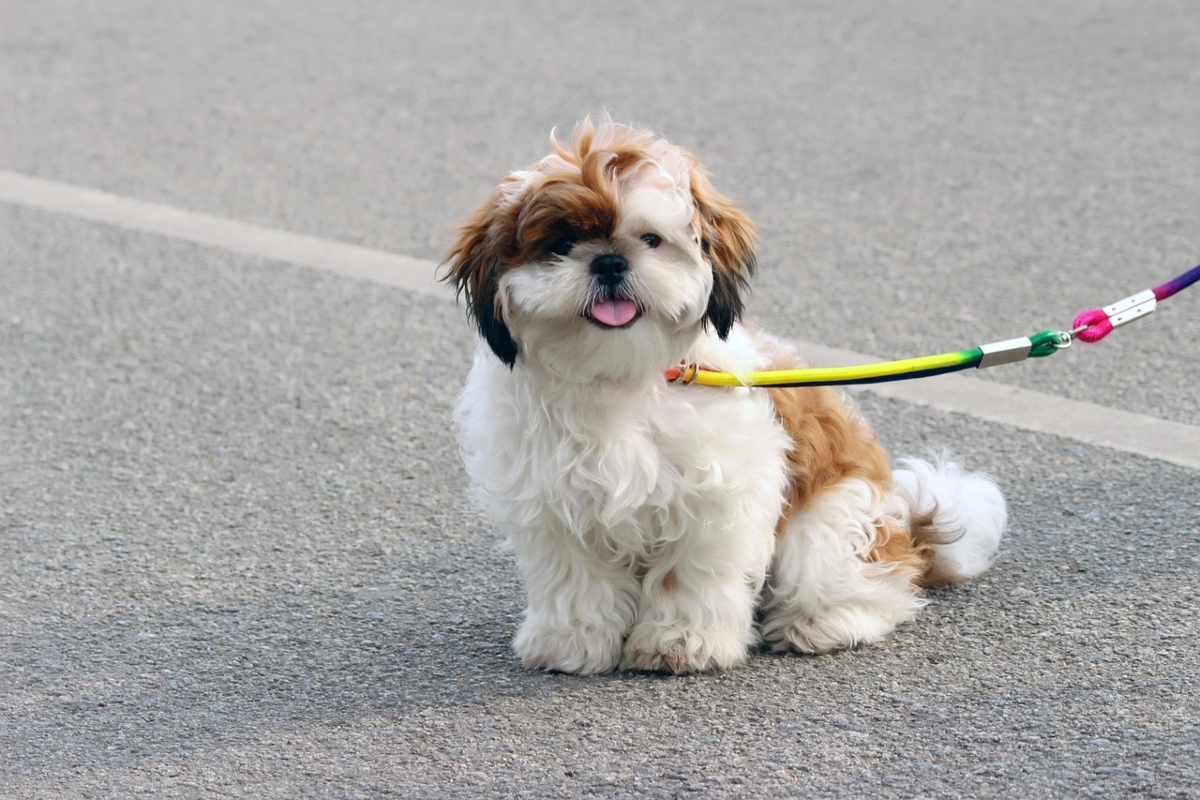
Dog paws are prone to dryness, cracking, and even peeling, especially in extreme weather or after exposure to chemicals like salt or cleaning agents. This gives the pads a rougher, more brittle texture. Moisturizing balms made specifically for dogs can help restore softness. So if your dog’s paws feel a bit like tree bark, don’t panic, just give them a little paw care.
Dogs Feel Through Their Paws
 Shutterstock
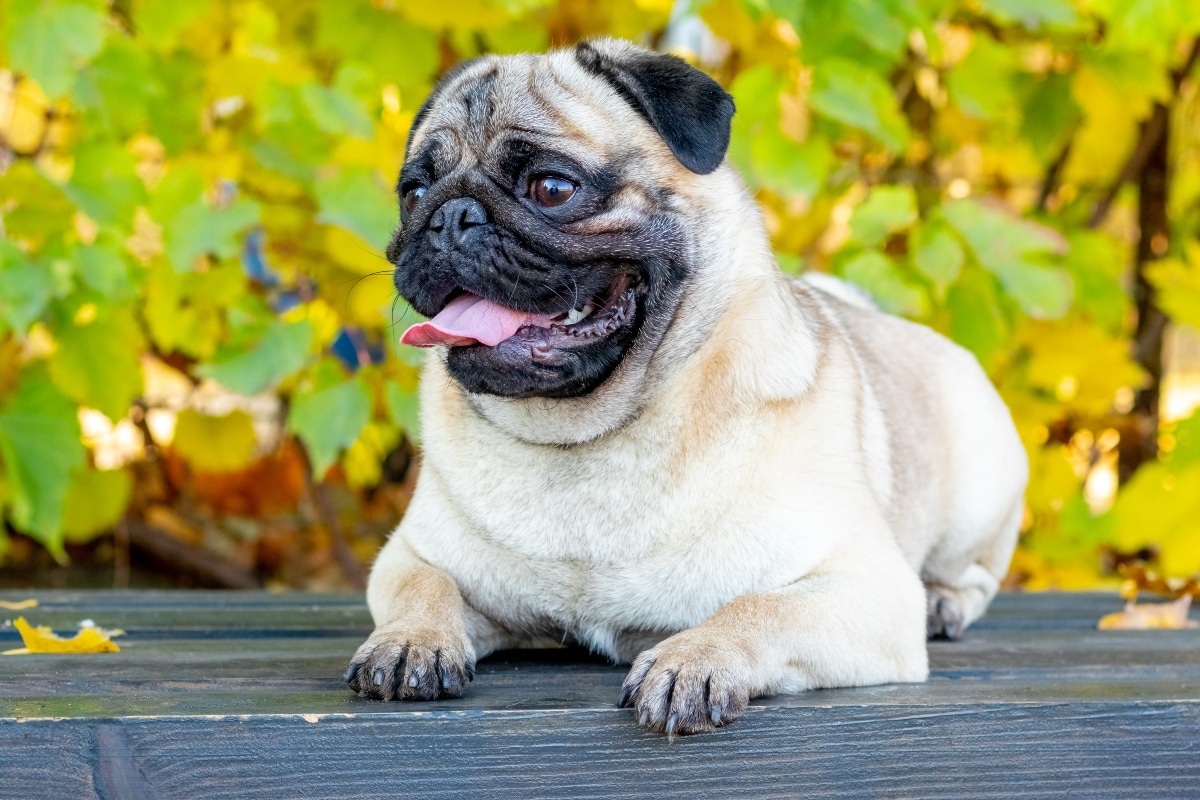
Even though they look tough, dog paws are surprisingly sensitive underneath the surface. Nerve endings run through the pads, helping them feel vibrations, textures, and temperature. This sensitivity makes their unique texture even more important, as it protects the soft tissue while still letting them gather sensory info. Their paws are like tough little sponges with built-in sensors.
The Paws Have Spoken
 Shutterstock
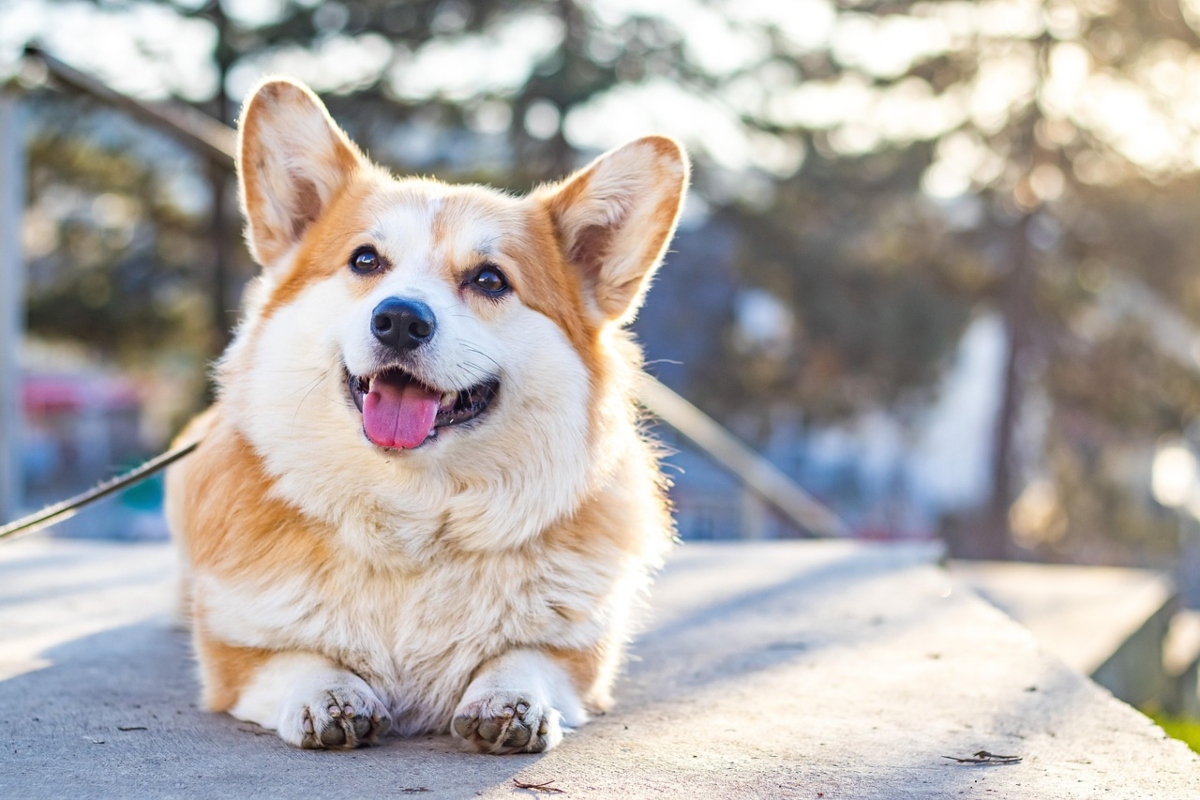
Dog paws aren’t just adorable, they’re smart, strong, and filled with purpose. Whether your pup has soft pads from indoor naps or rough ones from outdoor adventures, each texture tells a story. Paws help with traction, sensing the environment, and even communication. They do more than carry your dog around; they support every step, jump, and cuddle. So next time your dog offers you a paw, give it a little love. It’s one of the hardest-working parts of their body, and it deserves attention.
 Toledo, United States.