
 Shutterstock
Some dogs were shaped by landscapes where steep slopes, rocky ground, harsh weather, and demanding work were simply part of everyday life. These rugged breeds developed strength, endurance, confidence, protective coats, sturdy feet, and determined personalities that helped them handle challenging environments. Their histories include guarding livestock, hunting, hauling loads, rescuing travelers, and working beside people across difficult terrain. Although modern companions still need safe conditioning and responsible supervision, these thirteen fearless dogs carry physical and mental traits connected to generations of demanding outdoor work.
Bernese Mountain Dog
 Shutterstock
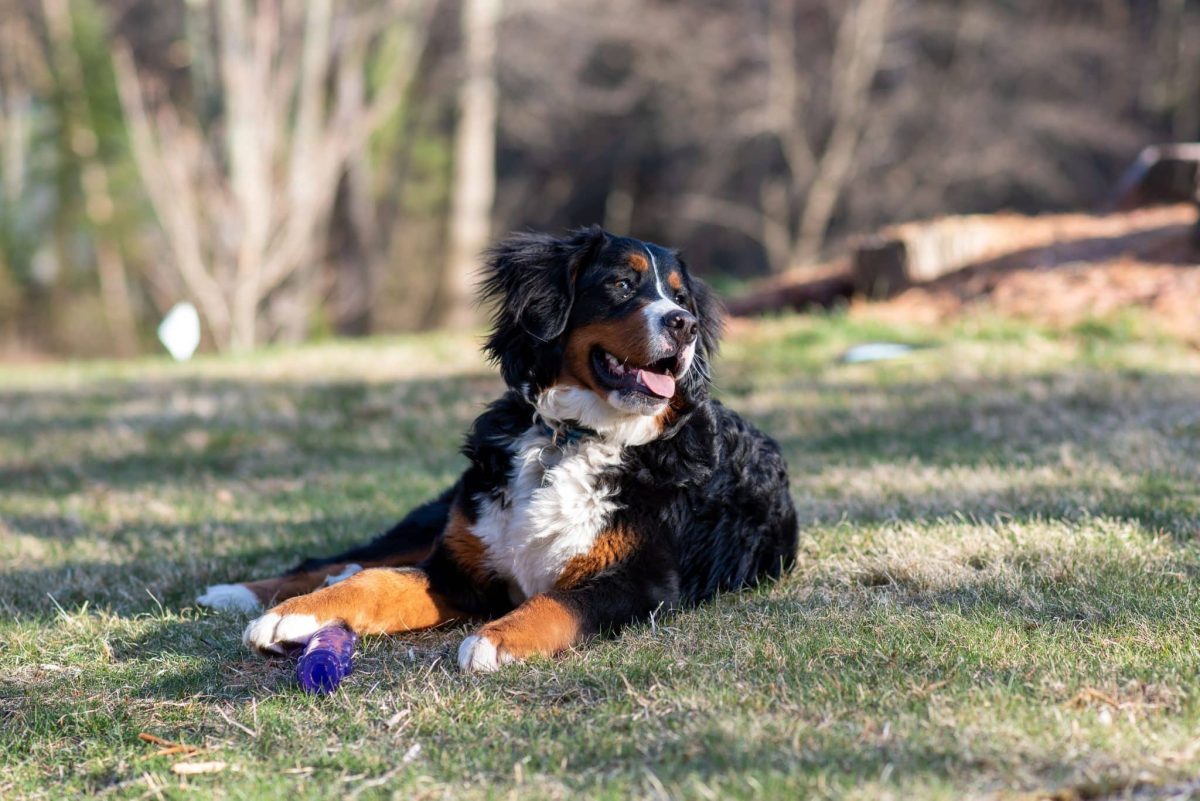
Bernese Mountain Dogs originated in Switzerland, where their powerful bodies and steady temperaments helped them perform demanding farm work amid mountainous surroundings and changing weather conditions. These substantial dogs historically drove cattle, guarded farms, and pulled carts, requiring strength, endurance, dependable footing, and enough confidence to remain productive while moving across challenging landscapes. Their thick double coats offer protection in cold conditions, while muscular bodies and sturdy legs contribute to the substantial construction expected from a versatile mountain worker, although modern Berners still require appropriate conditioning and protection from excessive heat. Despite their rugged heritage, they are often affectionate family companions, creating an endearing combination of outdoor capability and a personality that may happily exchange mountain duty for comfortable family time.
Great Pyrenees
 Shutterstock
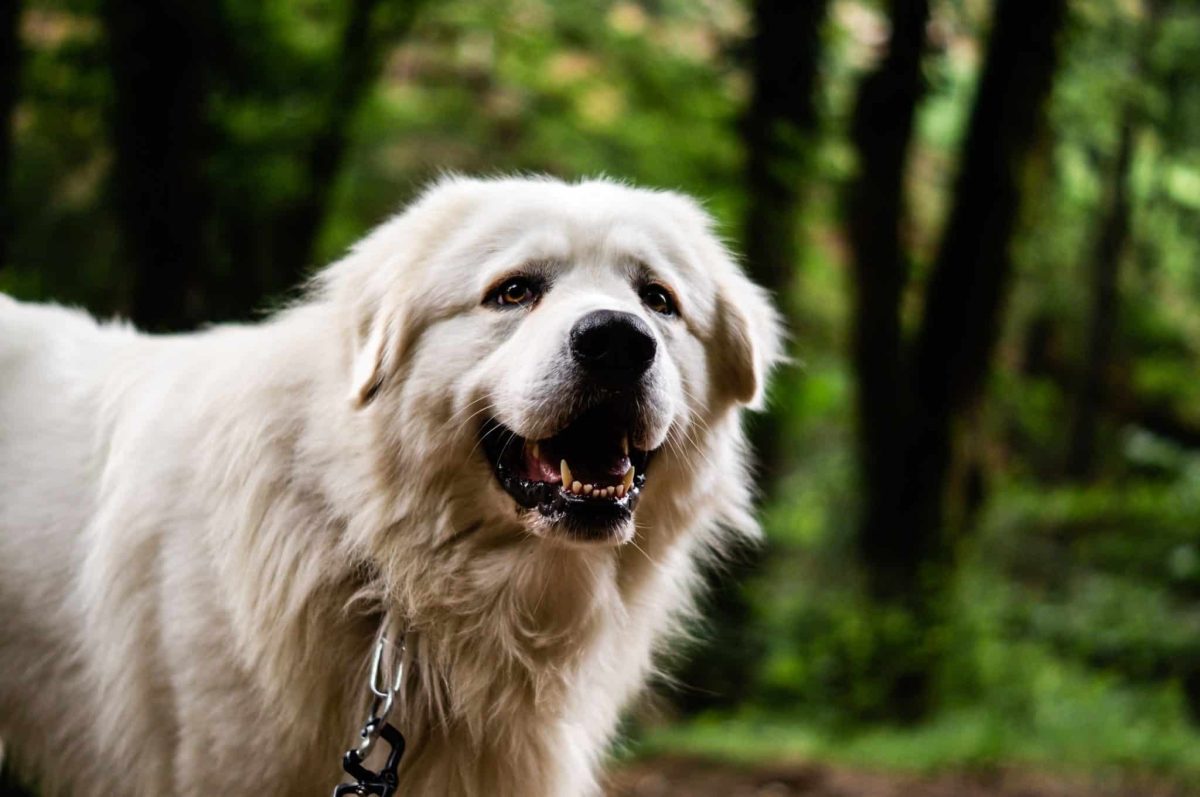
Great Pyrenees dogs were developed to protect livestock in the Pyrenees Mountains, where independent judgment and physical resilience were essential for guardians working across remote, difficult landscapes. Their large bodies, weather-resistant double coats, strong legs, and distinctive double dewclaws on the hind limbs accompany a history of traveling with flocks and remaining vigilant against potential predators, sometimes without constant direction from people. That independent heritage helps explain why modern Great Pyrenees can be confident thinkers rather than dogs that automatically consider every human suggestion an unquestionable command, making patient training and secure management particularly important. Their calm appearance can disguise considerable courage, and beneath all that magnificent white fur is a guardian shaped by generations of taking rough ground and serious responsibilities remarkably seriously.
Anatolian Shepherd Dog
 Shutterstock
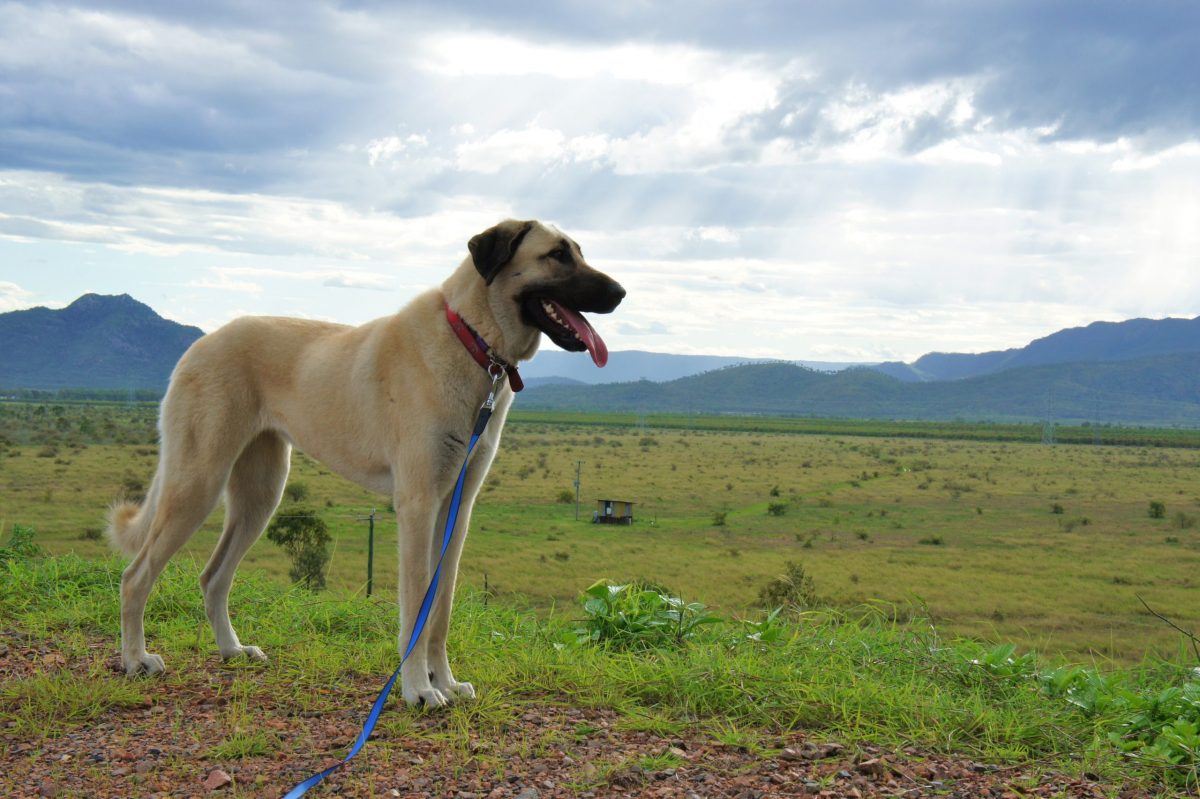
Anatolian Shepherd Dogs developed as livestock guardians in Türkiye, where their ancestors needed the endurance, strength, awareness, and independence required to accompany animals across expansive and sometimes demanding terrain. Unlike extremely heavy guardian breeds, Anatolians combine impressive size with athletic construction, allowing them to cover considerable ground while remaining attentive to potential threats and making decisions without waiting for constant human instruction. Their protective instincts and independent temperament require knowledgeable ownership, extensive socialization, secure boundaries, and patient training, particularly because a dog bred to assess situations independently may have strong opinions about what deserves attention. Physically and mentally, the Anatolian reflects generations of purposeful outdoor work, carrying itself with the confidence of a dog that expects the landscape to be challenging and plans to continue anyway.
Saint Bernard
 Shutterstock
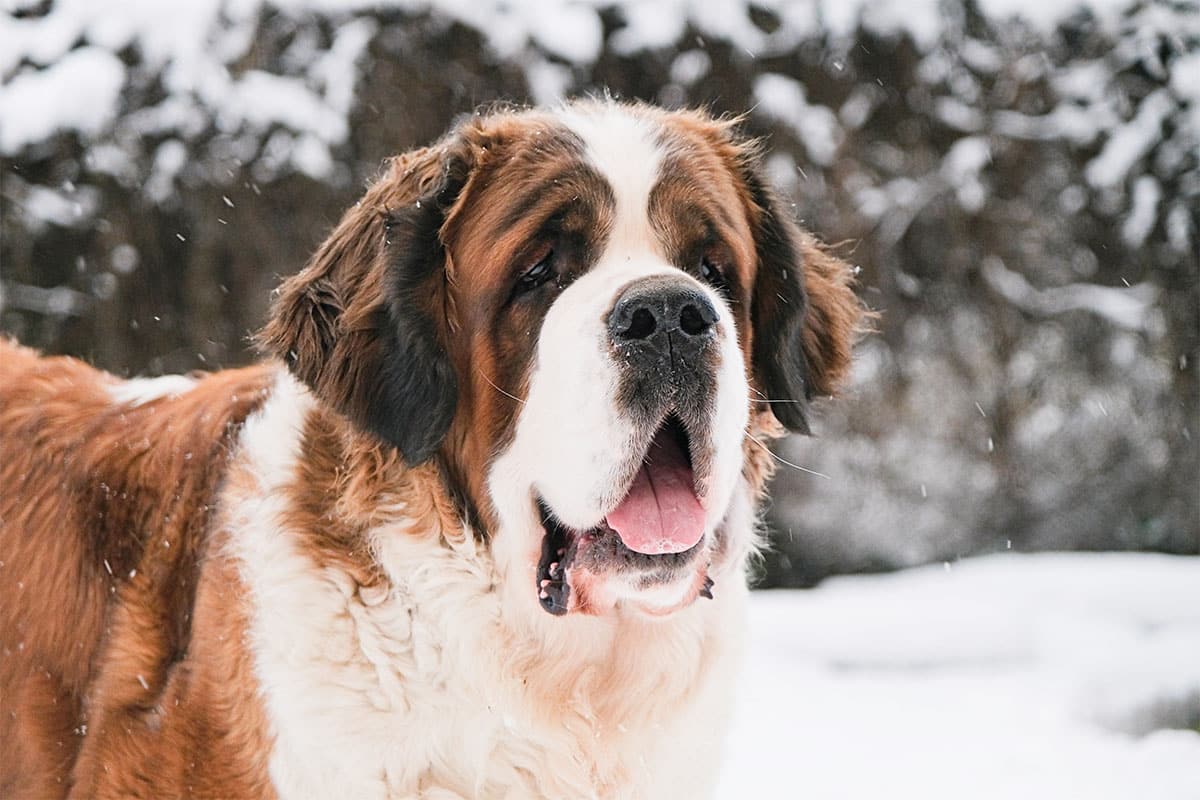
Saint Bernards are closely associated with the Swiss Alps, where dogs maintained by monks at the Great St. Bernard Pass became famous for assisting in rescue efforts involving travelers facing dangerous mountain conditions. Their enormous bodies, strength, dense coats, and substantial feet contributed to an imposing physical package suited to cold environments, although modern Saint Bernards should never be expected to tackle difficult conditions simply because their ancestors were capable mountain workers. Their historical reputation for locating and assisting stranded people helped transform the breed into an enduring symbol of courage, resilience, and service in unforgiving landscapes. Modern companions are often gentle and affectionate, but their tremendous size still provides a striking reminder that these dogs descend from working animals connected to places where an ordinary walk could involve considerably more snow than a sidewalk.
Tibetan Mastiff
 Shutterstock
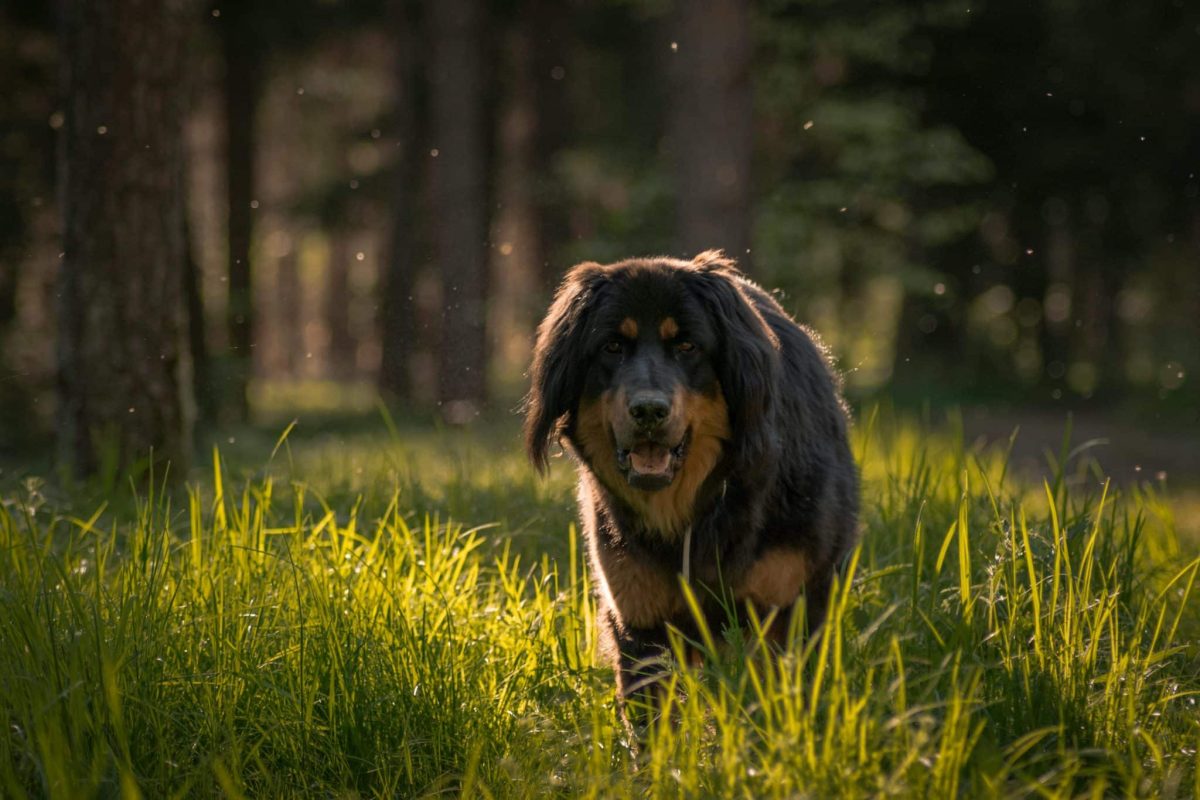
Tibetan Mastiffs possess the heavy bones, thick coats, powerful bodies, and independent guardian temperaments associated with dogs developed around demanding Himalayan environments. Traditionally connected with protecting livestock, homes, and property, these formidable dogs needed confidence and awareness while operating in regions where cold weather, uneven ground, isolation, and potential threats could make guardian work especially challenging. Their dense double coats provide substantial insulation, while their strong construction supports an imposing presence, but their independence and territorial tendencies mean responsible socialization, secure management, and experienced handling are essential in modern homes. Few breeds look more naturally prepared for difficult conditions, and the Tibetan Mastiff carries the unmistakable expression of a dog that considers bad weather somebody else’s reason to complain.
Australian Cattle Dog
 Shutterstock
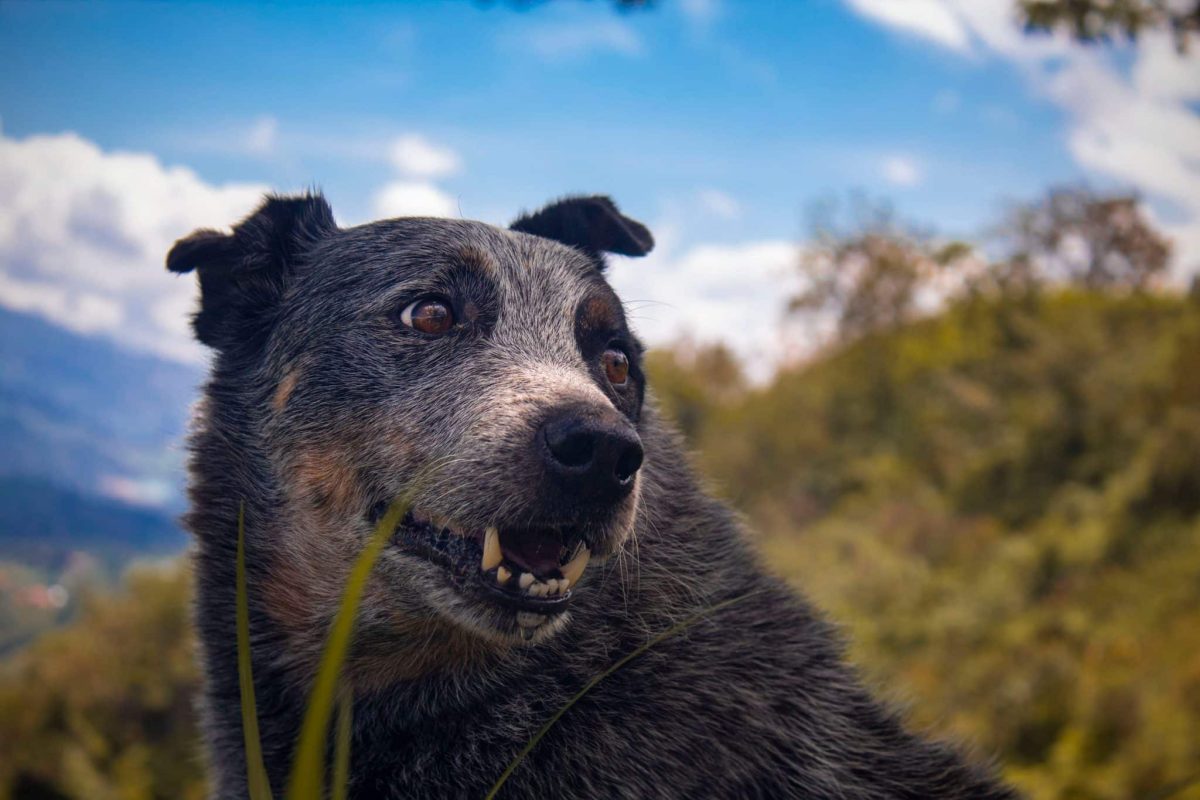
Australian Cattle Dogs were developed to move cattle across vast Australian properties, work that demanded stamina, intelligence, toughness, agility, and enough determination to manage livestock under challenging conditions. Their compact yet muscular bodies allow efficient movement, while their alert minds and remarkable work ethic can keep them focused through activities that would exhaust dogs with less drive, making the breed particularly well-suited to active owners who appreciate structured challenges. Modern Australian Cattle Dogs often thrive with hiking, herding, obedience, agility, scent work, and other activities that engage both their bodies and exceptionally busy minds, provided exercise intensity matches individual health and conditioning. These dogs rarely need enormous size to appear fearless because their confidence suggests they received the memo about difficult terrain and interpreted it as an invitation.
Siberian Husky
 Shutterstock
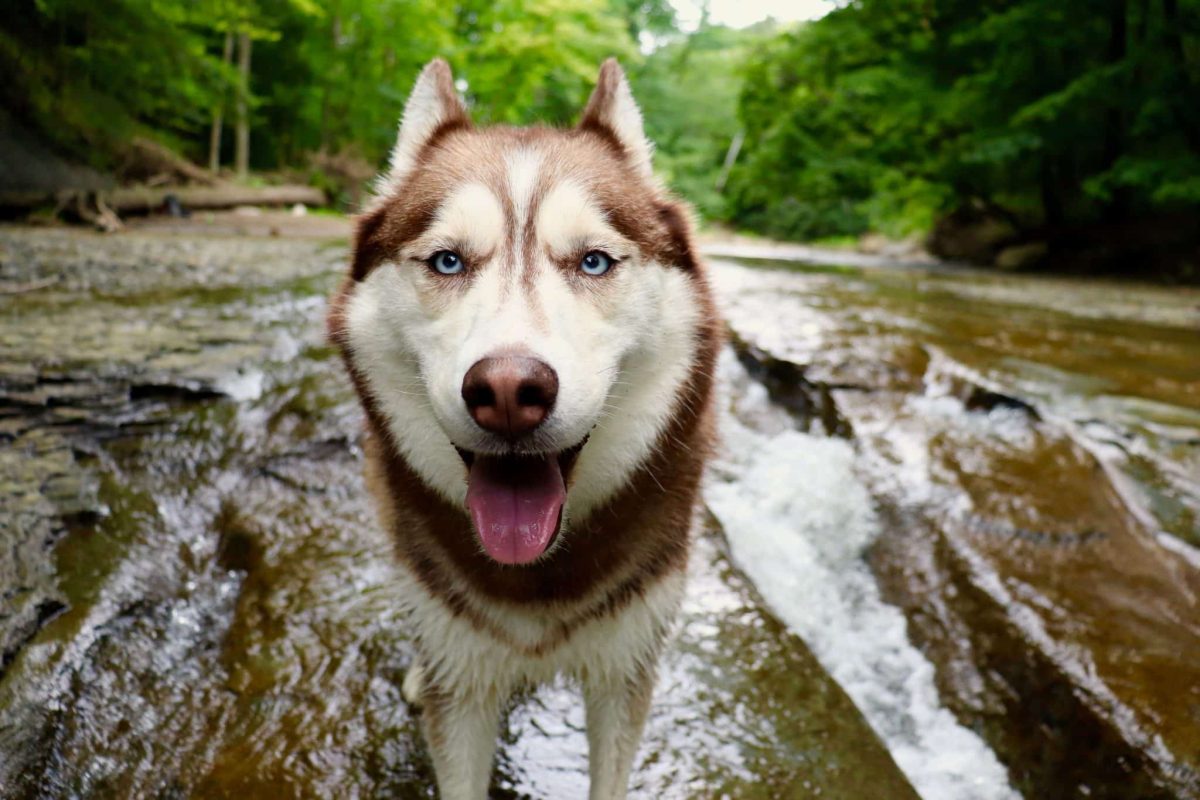
Siberian Huskies were developed by the Chukchi people of northeastern Asia as endurance sled dogs capable of pulling relatively light loads across considerable distances in severe northern conditions. Their efficient athletic bodies, thick double coats, furry feet, and remarkable stamina helped them travel through environments where cold temperatures and snowy surfaces were ordinary parts of working life rather than occasional inconveniences. Modern Huskies still benefit from vigorous exercise and appropriate opportunities to move, although owners must consider temperature, conditioning, secure containment, and the breed’s famously independent personality when planning outdoor activities. A healthy, properly conditioned Husky can approach physical activity with infectious enthusiasm, often looking as though the challenging part of an adventure is convincing everyone else to maintain a respectable pace.
Alaskan Malamute
 Shutterstock
Alaskan Malamutes were developed as powerful Arctic working dogs capable of hauling substantial loads through difficult northern conditions, requiring strength, endurance, durable feet, and protection against severe cold. Their deep chests, muscular bodies, thick double coats, strong legs, and broad paws reflect a history centered on physically demanding work, while their substantial build distinguishes them from lighter sled dogs developed primarily for greater speed over distance. Modern Malamutes can enjoy hiking, recreational pulling activities, and other challenging exercise when appropriately conditioned and supervised, but their heavy coats make careful temperature management essential because cool-weather capability does not translate into comfort during excessive heat. When conditions suit them, these impressive dogs can look remarkably at home outdoors, as though rugged terrain is simply nature’s version of an upgraded exercise program.
Norwegian Elkhound
 Shutterstock
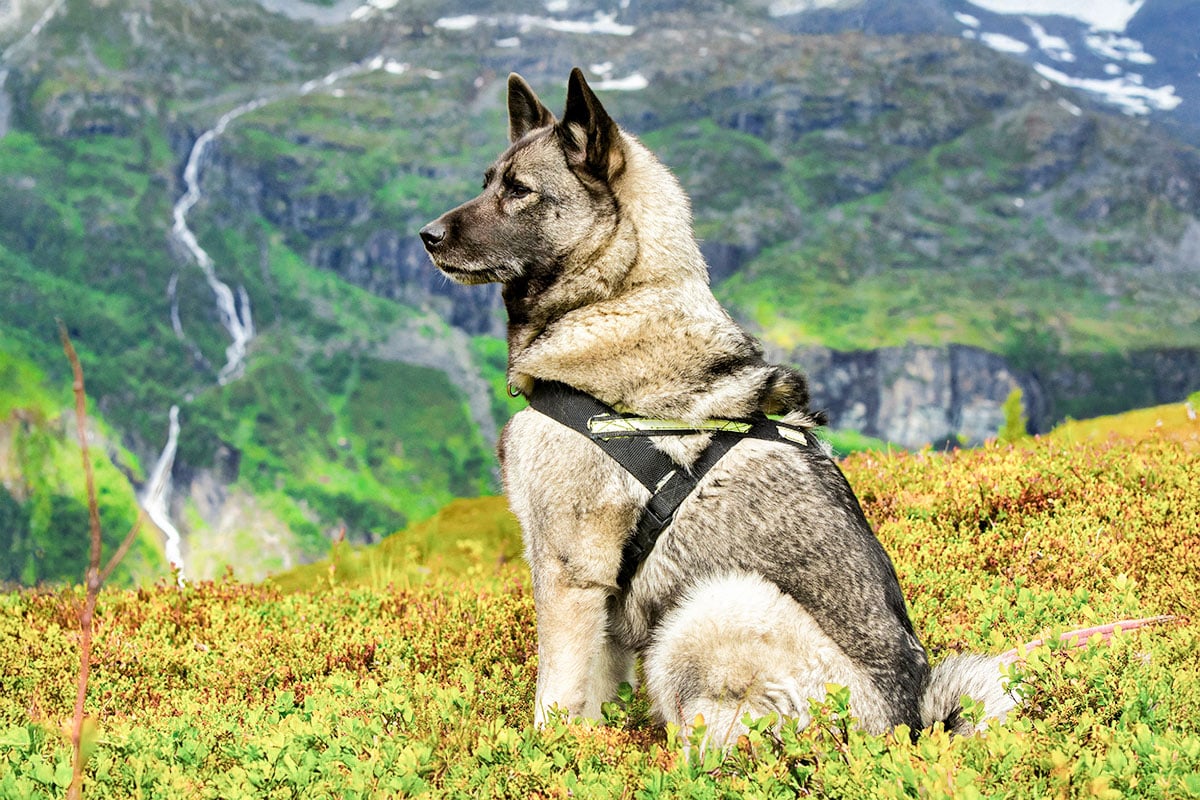
Norwegian Elkhounds have a long history as hardy Scandinavian hunting dogs, combining courage, endurance, agility, and a keen awareness of their surroundings in a compact but powerful body. Traditionally used when pursuing large game such as moose, these dogs needed the ability to travel through forests and difficult terrain while using their voices, scenting ability, and independent judgment to help hunters locate and manage quarry. Their dense coats provide protection in cold climates, while sturdy construction and energetic personalities support active lifestyles, although their independent thinking means consistent positive training remains important. The Elkhound’s combination of physical toughness and bold personality proves that a dog does not need giant proportions to tackle challenging country with the confidence of an explorer who apparently forgot to pack self-doubt.
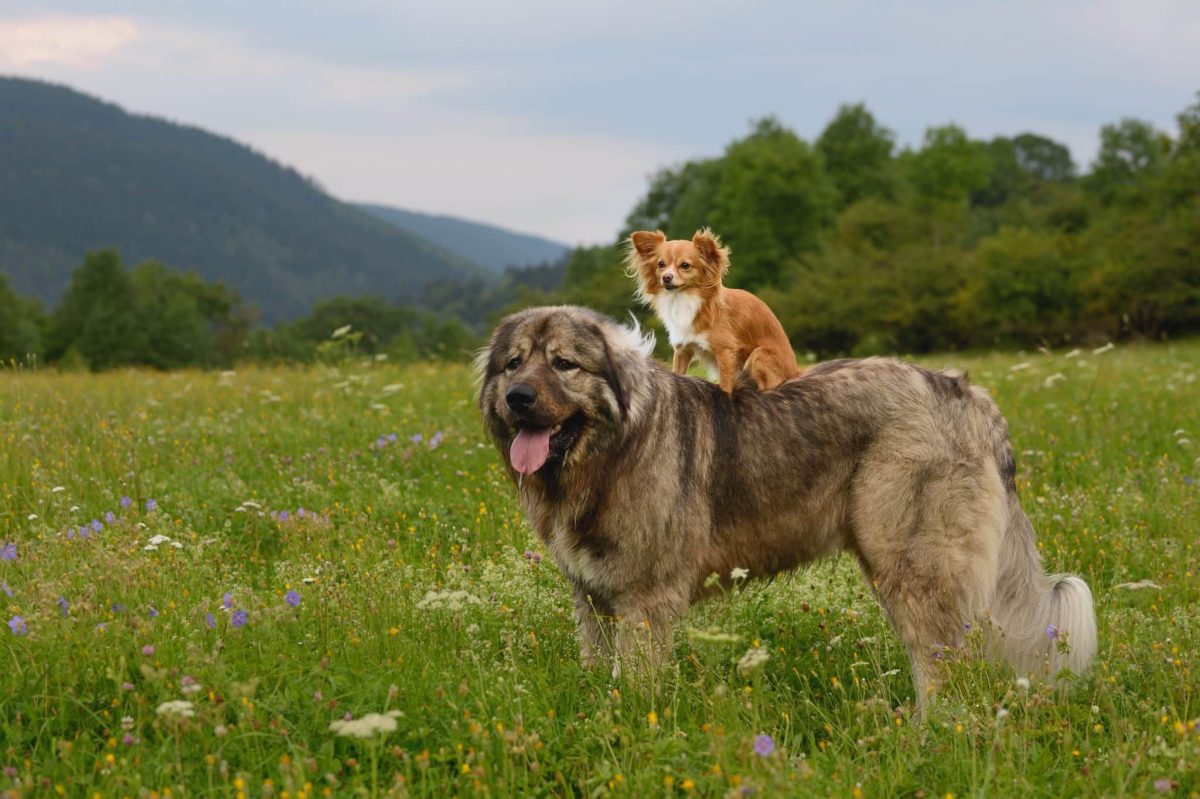
Caucasian Shepherd Dog
 Shutterstock
Caucasian Shepherd Dogs developed as formidable livestock and property guardians across areas of the Caucasus, where difficult landscapes, harsh weather, and serious predators demanded dogs with exceptional courage and physical power. Their massive bodies, strong limbs, heavy bones, and thick coats create an imposing package capable of handling demanding environments, while deeply ingrained guardian instincts encourage independent assessment of unfamiliar situations and potential threats. Those same characteristics make this breed unsuitable for inexperienced ownership because careful socialization, secure management, knowledgeable handling, and respect for its strength are essential for maintaining a stable modern companion. The Caucasian Shepherd does not merely look rugged, as nearly every aspect of its construction and temperament reflects generations of dogs expected to remain confident when the environment offered very few easy assignments.
Border Collie
 Shutterstock
Border Collies developed along the borderlands of Scotland and England, where working sheep across hills and uneven countryside required extraordinary agility, stamina, intelligence, responsiveness, and concentration. Their relatively moderate size allows quick, efficient movement across challenging ground, while their famous herding instinct helps them control livestock through carefully calculated positioning rather than relying on enormous physical strength. Modern Border Collies often excel at hiking and canine sports when properly conditioned, but physical activity alone may not satisfy them because their brilliant minds typically need training, problem-solving, and meaningful challenges as well. Give one a complicated task across demanding terrain, and the Border Collie may look less like a dog confronting an obstacle and more like a professional wondering why everyone else is moving so slowly.
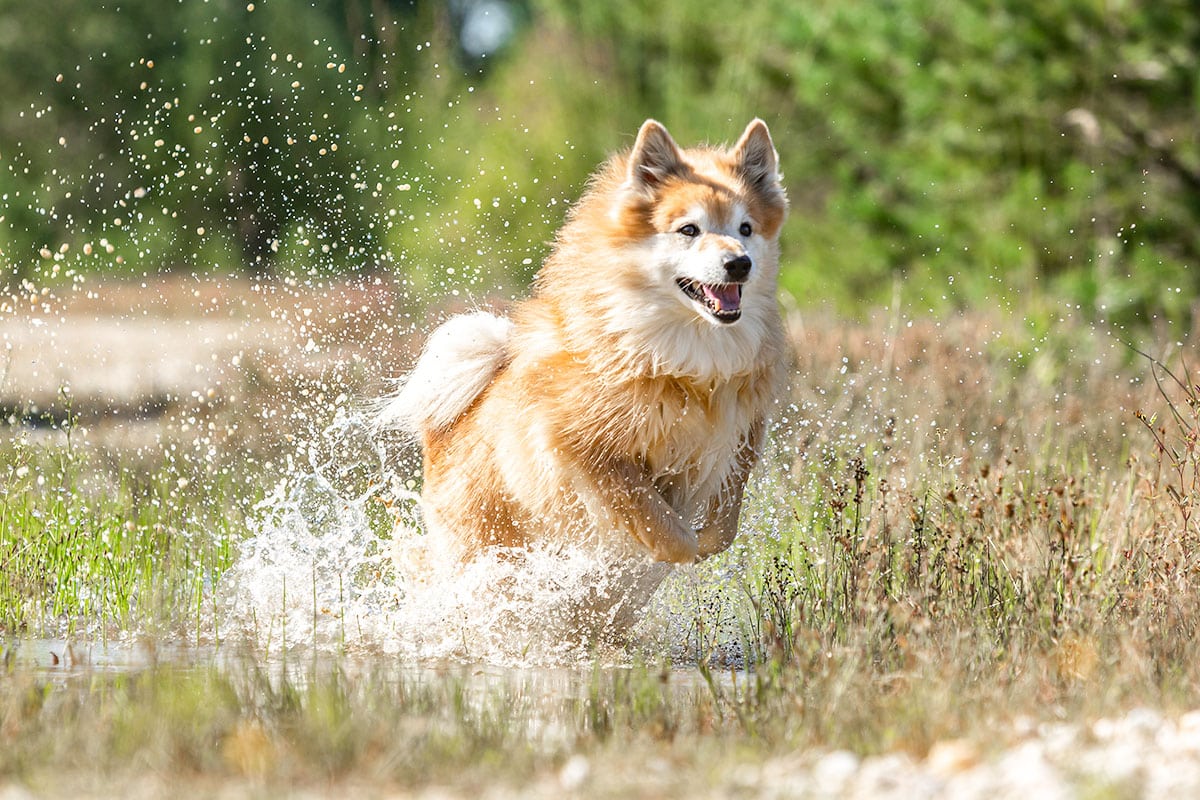
Icelandic Sheepdog
 Shutterstock
Icelandic Sheepdogs developed in Iceland as versatile herding dogs capable of helping farmers manage livestock in an environment shaped by rough landscapes and unpredictable northern weather. Their agile bodies, thick double coats, alert personalities, and energetic movement helped them perform practical farm duties, including locating and gathering sheep across challenging countryside where confidence and mobility mattered greatly. Although smaller than many breeds associated with rugged environments, Icelandic Sheepdogs demonstrate that navigating difficult terrain depends on balance, endurance, intelligence, and determination rather than sheer size, and modern dogs often appreciate active adventures combined with training and mental stimulation. Their cheerful personalities add extra charm, making them look remarkably pleased about situations that might cause a less adventurous dog to request immediate transportation home.
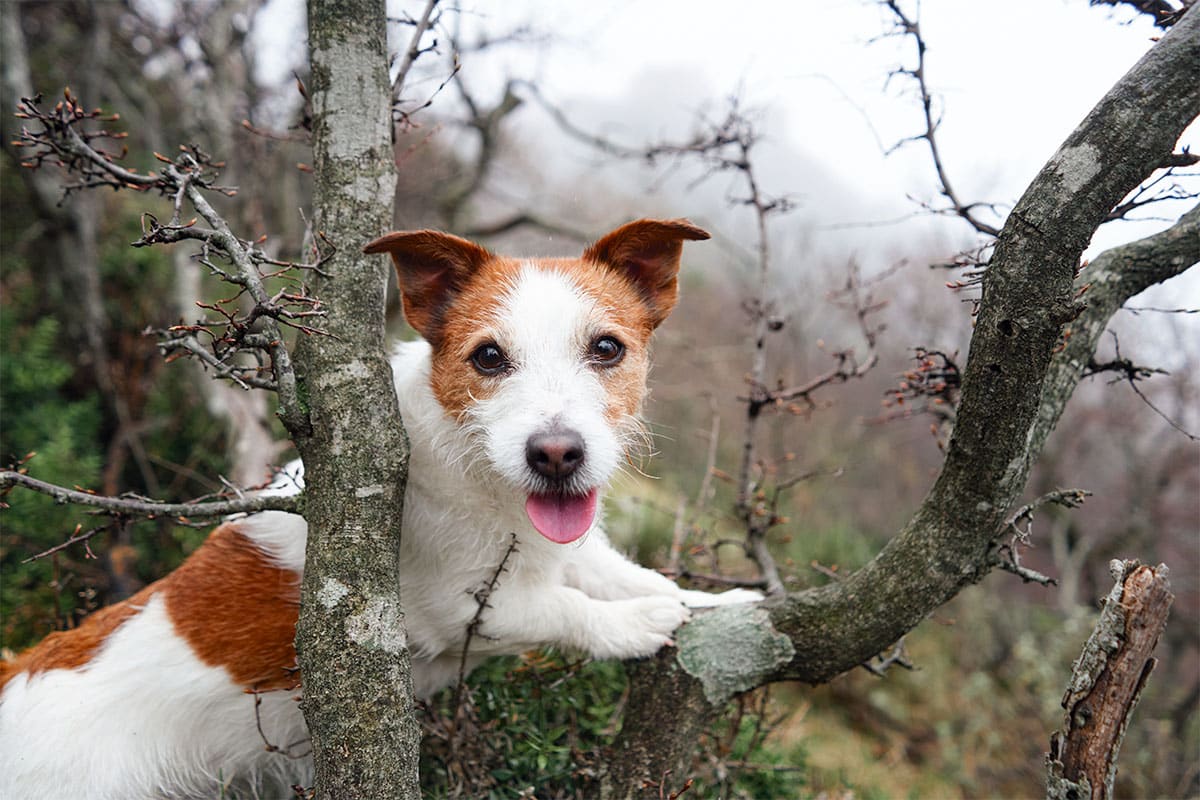
Jack Russell Terrier
 Shutterstock
Jack Russell Terriers may be compact, but generations of hunting work produced dogs with remarkable courage, stamina, flexibility, quick reactions, and determination when navigating difficult ground. Developed in England for fox hunting, these energetic terriers needed to keep pace with demanding activity and investigate tight spaces, uneven terrain, and challenging environments where a much larger body could become a disadvantage rather than an asset. Their intense prey drive and independent streak require secure management, consistent training, and carefully chosen outlets, while activities such as hiking, scent games, earthdog-style sports, and agility can help channel their enormous enthusiasm appropriately. Few breeds demonstrate more convincingly that fearlessness is not measured in pounds, especially when a Jack Russell encounters an obstacle and immediately treats it as a personal challenge.
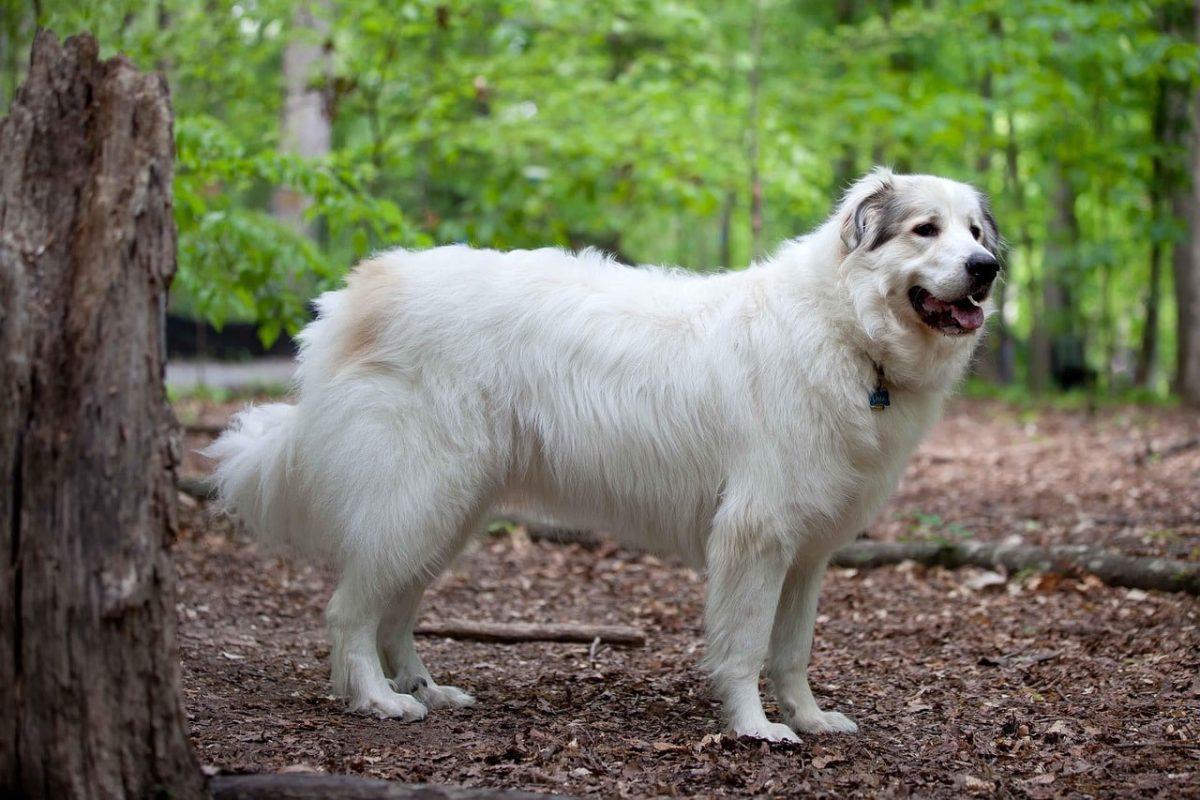
The Trail Asked for a Day Off
 Shutterstock
Rugged terrain has shaped remarkable dog breeds, rewarding generations with strength, endurance, agility, confidence, intelligence, and determined working instincts. Mountain guardians, sled dogs, livestock workers, hunters, and herders developed different abilities for navigating challenging landscapes. Modern dogs still need activities suited to their age, health, conditioning, weather tolerance, temperament, and individual abilities because working history never makes dangerous conditions automatically safe. With thoughtful preparation and responsible supervision, these fearless companions may see a steep hill, muddy trail, or uneven path as another exciting adventure waiting ahead.
This content was created with AI assistance and edited by the iHeartDogs team.
 Toledo, United States.