
iHeartDogs is reader-supported. When you buy via links on our site, we may earn an affiliate commission at no extra cost to you.
Pit Bulls are active, playful dogs that love spending time outdoors, making them more likely to come into contact with fleas and ticks. These parasites can cause itchy skin, allergic reactions, and transmit harmful diseases, so consistent flea and tick prevention is an important part of keeping your Pit Bull healthy. A safe and effective prevention plan helps protect your dog while allowing them to enjoy every walk, hike, and backyard adventure with confidence.
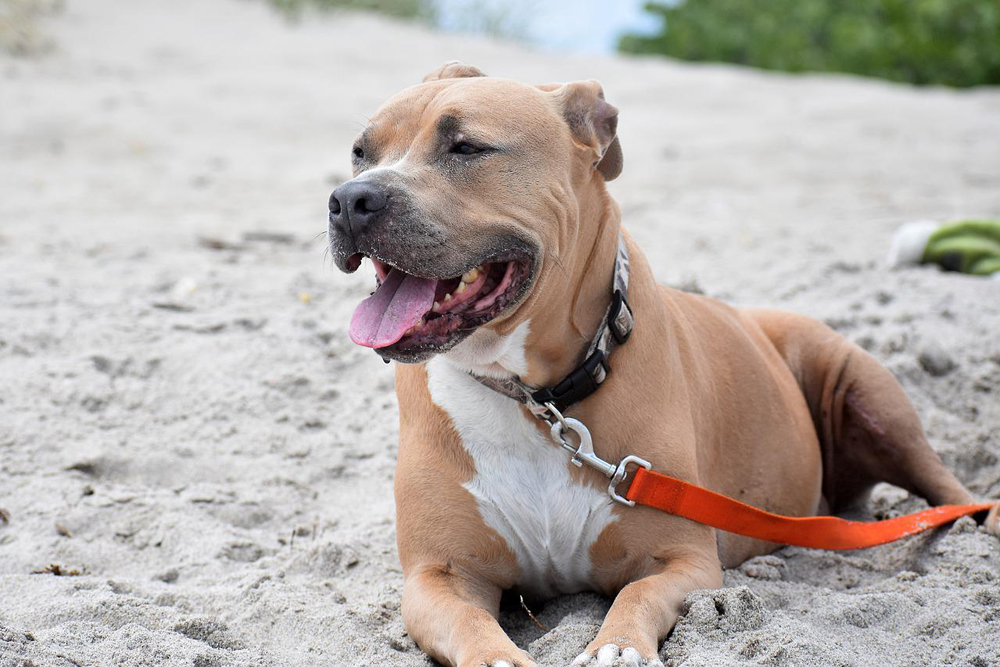
Why Many Pit Bull Parents Are Turning To Safer, Natural Flea & Tick Control Methods
Many pet parents are expressing concerns about using pesticide/chemical-based bug repellents. In August of 2021, the FDA again warned dog and cat owners about the possible adverse effects of chemical flea repellents, including seizures, muscle tremors, and ataxia. While the FDA states that the majority of pets on these medications show no side effects, a growing number of pet parents, including members of this 40,000+ member Facebook community, beg to differ.
In addition to safety concerns, chemical-based pesticides have an inherent flaw: fleas and ticks can adapt over time and become immune to the effects. This is why so many people have to rotate brands of traditional flea control products.
Chemical-based pesticides, however, can be very effective for most dogs and can potentially prevent infestations better than natural methods. Ultimately, the choice is up to you and your veterinarian.
Even if you use pesticide-based flea control products, you might also consider adding natural flea/tick repellents, which can be used alongside traditional flea products to boost their effectiveness.
4 Step Strategy for Safe & Effective Natural Flea & Tick Prevention for Your Pit Bull
Natural prevention methods can work for your Pit Bull, if you can be diligent about these 4 areas:
#1 – Protect your Pit Bull from the inside out
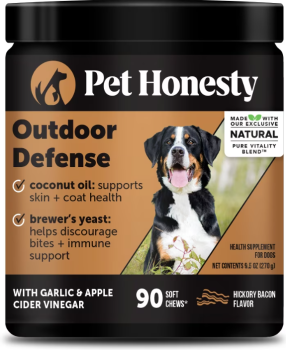
Using nutrition and a natural supplement like this brewer’s yeast and garlic supplement, you can make your Pit Bull’s body inhospitable to fleas. Most dogs find the chews very tasty and think they’re getting a treat.

#2 – Protect your Pit Bull from the outside in
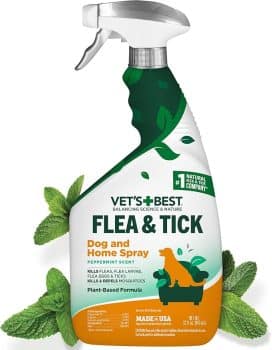
Natural pet-safe essential oil sprays (many available on Amazon) can be applied to your Pit Bull’s fur and bedding to help prevent bugs from making a home on these surfaces. These products contain essential oils that repel fleas and ticks. Some products, such as the one pictured below, also include a plant-based compound that kills fleas and their eggs.


#3 – Don’t forget about your yard and home!
A complete natural pest control program cannot ignore your dog’s environment. Even if you rid your dog of fleas, they will keep infesting your dog if the eggs exist in your home or yard. Our favorite natural method of killing fleas in and around your home is by using diatomaceous earth, available on Amazon or at most hardware stores. Unlike pesticides, DE kills pests mechanically anytime they touch the powder, which is harmless for pets and humans.
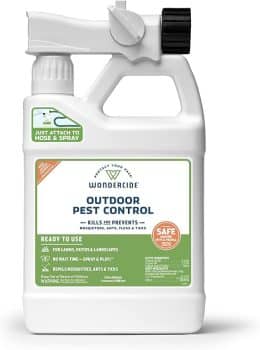
Another option is using a natural yard spray. Wondercide is a popular brand. These work similarly to the pet spray above.
#4 – Check your Pit Bull daily for fleas and ticks
During the warmer months, make sure to check and inspect your Pit Bull daily for fleas and ticks, especially if they spend a significant amount of time outdoors. Often, a sign of fleas will be flea dirt, the waste product that fleas leave behind in your dog’s fur. A flea comb is a simple tool that will help you discover these pests on your Pit Bull.

It should be noted that if your dog is already infested with fleas, you’re going to need to first rid them of the bugs before a natural flea repellant strategy can be effective.
Frequently Asked Questions About Flea & Tick Control Products for Pit Bulls
1. What’s better for my Pit Bull, natural or traditional pesticide-based flea & tick products?
Ultimately, this is a question only you and your veterinarian can answer. Natural and conventional flea and tick products differ in their ingredients, effectiveness, potential side effects, and appropriate uses. Natural methods may appeal to owners seeking alternatives to conventional pesticides, while veterinarian-recommended flea and tick medications may provide more consistent protection. Your veterinarian can help you compare the benefits and risks and choose an appropriate option based on your Pit Bull’s age, weight, health history, lifestyle, and exposure risk.
2. What are the most common side effects of flea & tick medications for Pit Bulls?
According to the FDA, isoxazoline flea and tick products have been associated with neurologic adverse reactions in some dogs and cats, including muscle tremors, ataxia, and seizures. Pet owners should discuss potential side effects with a veterinarian and monitor their Pit Bull after administering any flea or tick medication.
3. What’s the best natural flea & tick preventative for Pit Bulls?
There is no single natural flea and tick preventative that is best for every Pit Bull. The article recommends a multi-step approach, but any product or ingredient used on or around your dog should first be discussed with a veterinarian to make sure it is appropriate and safe for your individual pet.
Use a supplement: The original approach recommends a brewer’s yeast and garlic supplement. However, garlic can be toxic to dogs depending on the amount and formulation, so do not give your Pit Bull a garlic-containing product unless your veterinarian specifically confirms that the product and dosage are appropriate.
Use a flea & tick spray: The approach also includes applying a natural flea & tick spray during warmer months. Follow the product directions carefully and confirm with your veterinarian that its ingredients are suitable for your Pit Bull.
Manage fleas and ticks around your property: The original recommendations include products such as diatomaceous earth or Wondercide. Always follow label instructions and make sure any environmental treatment is appropriate for use around pets.
Check your Pit Bull regularly: Examine your Pit Bull for fleas and ticks after spending time outdoors, particularly during warmer months and in areas where parasites are common. Regular checks can help you identify ticks quickly and notice signs of a flea problem before an infestation becomes more difficult to manage.
4. Are Bravecto, NexGard, Simparica, Seresto, and K9 Advantix II safe for Pit Bulls?
Whether a particular flea or tick product is appropriate for your Pit Bull is a question to discuss with your veterinarian. Different products use different active ingredients and may have different precautions, potential side effects, age or weight requirements, and methods of administration. The FDA has advised pet owners and veterinarians that isoxazoline products have been associated with neurologic adverse reactions, including tremors, ataxia, and seizures, in some animals. Your veterinarian can review your Pit Bull’s medical history, age, weight, current medications, and parasite exposure to help determine an appropriate flea and tick prevention plan.

Keep Your Pit Bull Flea and Tick Free
Protecting your Pit Bull from fleas and ticks starts with a routine that includes veterinarian-approved preventatives, regular skin checks, routine grooming, and a clean home environment. Staying consistent with these simple steps can greatly reduce the risk of infestations and the health problems parasites may cause. With the right preventive care, your Pit Bull can stay comfortable, healthy, and ready for an active life by your side.
Data (USA) from the FDA of reported adverse reactions & deaths after administering flea, tick, and heartworm treatments – updated April 17th, 2021 |
||||
|---|---|---|---|---|
| Brand | Active drug ingredient | Date released | Adverse reactions | Deaths (including euthanasia) |
| Bravecto | fluralaner | 2014 | 43,602 | 1,533 |
| Bravetco plus | fluralaner+moxidectin | 2019-2020 | 77,459 | 4,753 |
| Comfortis | spinosad | 2012 | 1,62,354 | 4.816 |
| Trifexis | spinosad+milbemycin+oxime | 2011 | 2,00,941 | 6,662 |
| Credelio | lotilaner | 2018 | 3,302 | 95 |
| Revolution | selamectin | 2000 | 19,552 | 1,980 |
| Revolution plus | selamectin+sarolaner | 2019 | 31,605 | 2,346 |
| Nexgard | afoxolaner | 2013 | 36,340 | 1,086 |
| Nexgard Spectra | afoxolaner+milbemycin+oxime | 2014 | 1,90,802 | 5,998 |
| Simparica | sarolaner | 2016 | 14,153 | 432 |
| Simparica trio | sarolaner+moxidectin+pyrantel+pamoate | 2020 | 1,40,646 | 6,717 |
| Heartgard, Ivomec | ivermectin | 1996 | 94,798 | 4,103 |
| Heartgard Plus, Triheart | ivermectin+pyrantel+pamoate | 2003 | 1,05,139 | 5,332 |
| Iverhart Max | ivermectin+pyrantel+pamoate+praziquanel | 2018 | 1,29,815 | 6,207 |
| Interceptor | milbemyxin+oxime | 2013 | 1,54,190 | 3,911 |
| Interceptor Plus, Milbemax | milbemyxin+oxime+praziquantel | 2,01,02,015 | 1,72,860 | 4,938 |
| Totals: | 15,77,958 | 60,909 | ||
These statements have not been evaluated by the Food and Drug Administration. This product is not intended to diagnose, treat, cure, or prevent any disease. The information on this website is not intended to replace a one-on-one relationship with a qualified healthcare professional.
 Toledo, United States.