
Did you know that even a minor fender-bender can cause catastrophic injuries to your dog? While humans can brace for impact or are protected by seatbelts and airbags, dogs have no understanding of what’s happening outside the car and no way to protect themselves when sudden stops or collisions occur. In an instant, an unrestrained dog can be thrown forward with tremendous force, potentially injuring themselves or others in the vehicle.
Car travel can be an enjoyable experience for both you and your furry co-pilot, but safety should always come first. From choosing the right harness or carrier to ensuring proper ventilation and comfort, a few simple precautions can make every ride safer and more secure. In this guide, we’ll share essential tips to help you protect your dog on the road so that every trip can be a happy one, from the first mile to the last.
The Dangers Of Distracted Driving
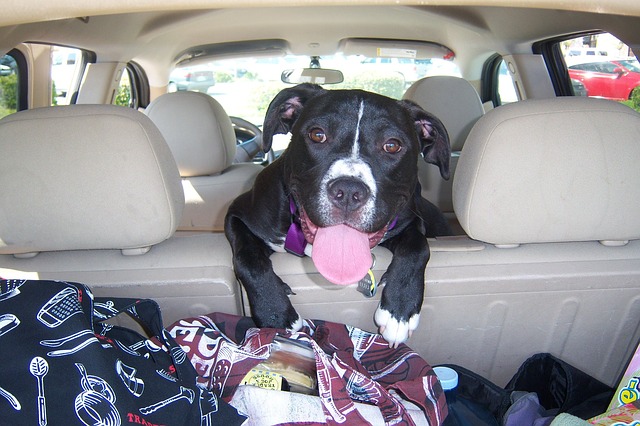
According to a 2026 survey conducted by Volvo Car USA and YouGov, 61% of dog owners who travel with their pets do not use canine safety restraints. Additionally, 73% admitted to becoming distracted by their dogs while driving, highlighting the potential dangers of allowing pets to ride unsecured in vehicles.
Pet owners who allow their dogs to ride unrestrained in the front seat or on their laps are driving with a distraction on par with texting, eating, or putting on makeup. The dog may whine, pace, bark, or climb on them, causing them to take their focus off the road and greatly increasing their risk of a crash.
Driving With An Unrestrained Dog Could Cost You
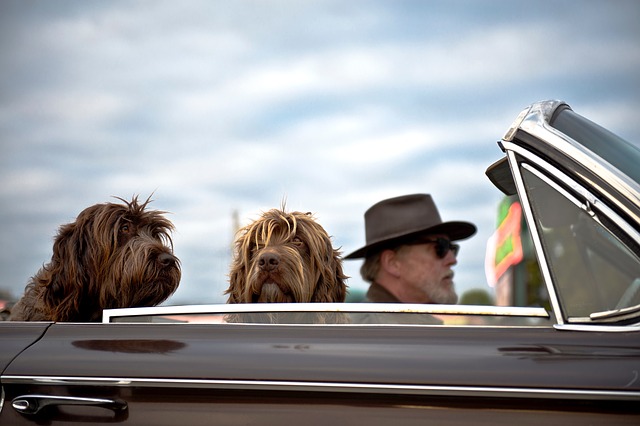
In the United Kingdom, drivers face fines of €5,000 for driving with unrestrained pets as well as potential hikes in their car insurance rates. Unfortunately, most US states do not have such strict regulations for driving with pets.
Several states forbid driving with pets on laps or unrestrained in truck beds, but only New Hampshire, North Dakota, and Rhode Island explicitly require dogs to be restrained with seatbelts or crates.
Backseat Is Better
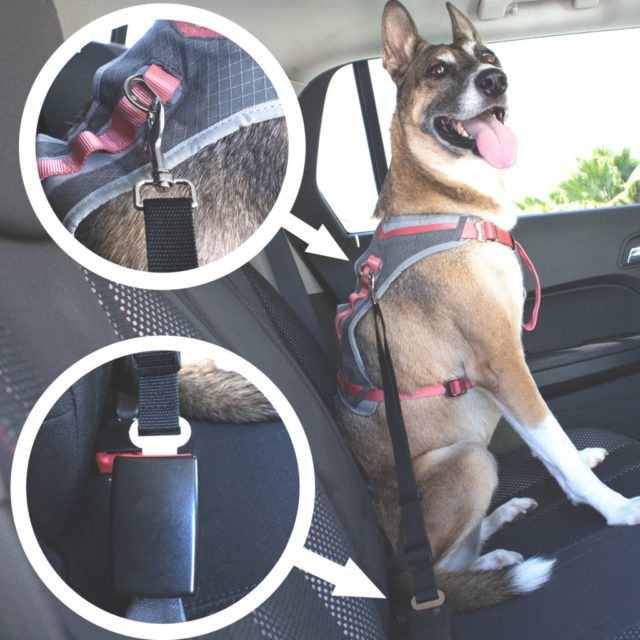
Dogs should not ride in the front seat, even if they are properly restrained, due to the risk of injury from the passenger-side airbag. Much like children, dogs—especially small ones—can be seriously injured or killed by the force of a deployed airbag.
Transporting a dog in the back seat is safer, but they still must be restrained to prevent serious injury and keep them from bolting in the wake of an accident. There are tethers and barriers designed to keep dogs from climbing into the front seat and distracting the driver, but they are not enough to keep them safe in the event of a collision.
Vehicle Restraint Options For Dogs
- Pet harness/safety belt
- Hard- or soft-sided pet travel crate
- Pet vehicle seat
- Vehicle pet barrier
The safest option is to secure your dog in the back seat with a dog seatbelt, car harness, crate, or elevated car seat. If, for some reason, your dog must ride in the front seat, be sure to disable the passenger-side airbag and use one of these approved car safety devices.

Truck Bed Safety
When it comes to pickup trucks, dog safety is a bit more difficult. There was a time when it was commonplace for dogs to ride in truck beds, but we now know this is extremely dangerous.
In addition to the lack of protection in a collision, dogs may jump from a moving truck or fall out due to a large bump or swerve. Even if they are not injured in the initial fall, they could be hit by a car or panic, run away, and become lost. Even tethering a dog in the back of a truck poses its own risks, including hanging or dragging should the animal jump or fall over the side.
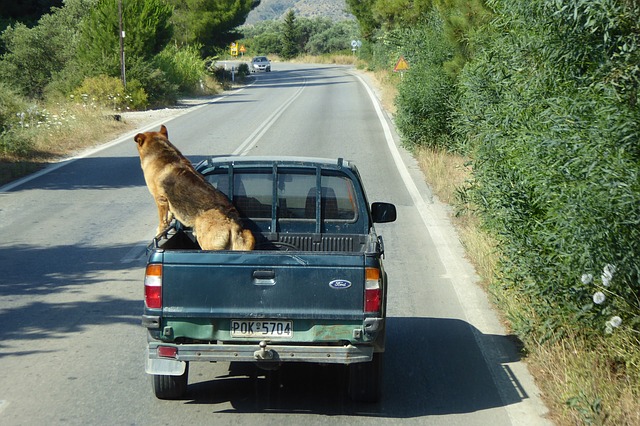
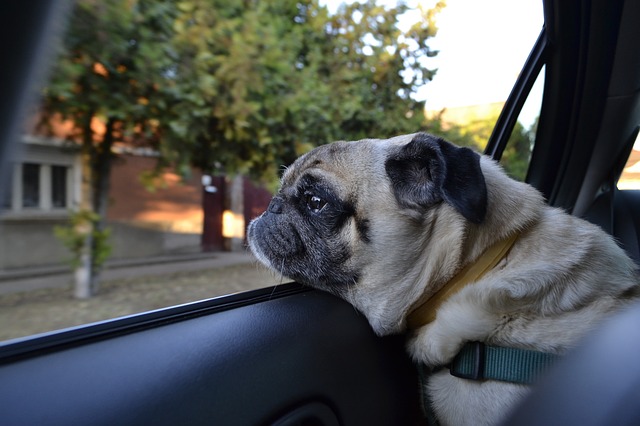
Riding in the open air of a truck bed also exposes dogs to extreme temperatures and weather conditions, as well as the risk of debris entering their eyes, nostrils, or mouth – something that is also a hazard for dogs that hang out car windows.
The safest bet for truck owners is to transport the dog in the cab rather than the bed. Many trucks now have extended cabs with backseats where the dog could be crated or fitted with a seatbelt or safety harness.
Keep Your Dog Safe on Every Car Ride
Whether you’re heading to the dog park, visiting the veterinarian, or embarking on a cross-country road trip, your dog’s safety should always be a priority. Just as seat belts protect human passengers, properly secured travel restraints can help protect dogs from injury during sudden stops, sharp turns, or accidents. They also prevent curious or anxious pups from climbing into the front seat, interfering with the driver, or becoming a dangerous distraction.
Investing in a crash-tested dog harness, secured travel crate, or other appropriate restraint system is one of the simplest ways to make car rides safer for your four-legged companion. Remember, even the calmest, most well-behaved dog can react unpredictably to unfamiliar sights, sounds, or sudden movements. Taking a few extra moments to secure your pup before hitting the road can make all the difference.
After all, our dogs trust us to keep them safe, whether we’re at home or on the highway. Buckle up, secure your pup, and make every adventure a safe one!
 Toledo, United States.