
iHeartDogs is reader-supported. When you buy via links on our site, we may earn an affiliate commission at no extra cost to you.
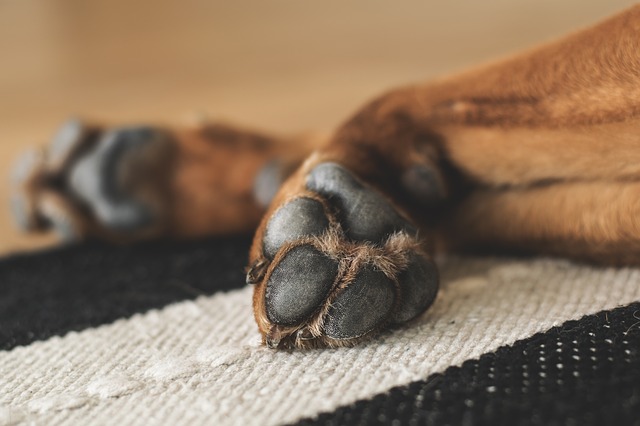
Chewing, licking, and nibbling at the paws are common behaviors for dogs, and an occasional lick is usually nothing to worry about. Dogs often clean their paws after spending time outdoors or briefly groom an area that feels itchy. However, when paw licking becomes frequent, intense, or obsessive, it can be a sign that something more serious is going on.
If your dog’s paws appear red, swollen, irritated, or stained from constant saliva, it’s time to take a closer look. Persistent paw chewing is often a symptom rather than the problem itself, and identifying the underlying cause is the first step toward helping your dog find relief.

How to Know If Your Dog’s Licking & Chewing Is a Problem
There are many reasons a dog may repeatedly lick or chew their paws. Common causes include dry skin, minor cuts or abrasions, foreign objects like burrs or grass awns, insect bites, parasites, anxiety, and environmental or food allergies. In some cases, underlying medical conditions can also contribute to chronic paw irritation.
Left untreated, constant licking and chewing can damage the skin, creating an ideal environment for bacteria and yeast to grow. This can lead to painful infections, limping, and worsening inflammation that becomes increasingly difficult to break. Understanding what’s causing your dog’s discomfort can help you choose the right treatment and prevent the cycle from continuing.
An Easy & Natural Strategy to Reduce Licking, Itching and Chewing (…that most dog owners don’t know!)
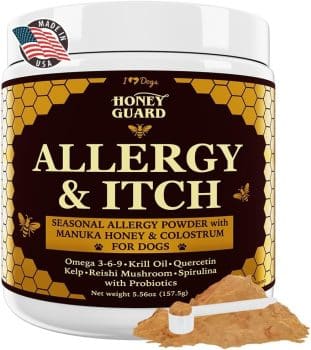
If your dog is excessively licking or scratching themselves, their diet may be deficient in omega-3 fatty acids, often referred to as essential fats. Omega-3 fatty acids (from sources such as krill) benefit your dog’s skin by helping to keep their own natural oils at healthy levels and acting as anti-inflammatories to reduce the intensity of allergens.
Many pet owners incorrectly assume that their dog’s food contains sufficient omega-3’s for their diet. Unfortunately, studies have shown that even when premium dog food brands put a small amount of fish oil in their formulas, the fragile oils are destroyed by the extreme heat required to cook kibble. Even if the fragile fats survive, they often go rancid the moment the dog food is exposed to oxygen.
For these reasons, omega-3 supplements are the second most popular supplement given to dogs (behind glucosamine and joint-related supplements). A recent iHeartDogs poll showed that 29% of pet owners currently give an omega-3 supplement to their dogs daily.
Can Giving Omega-3 To My Dog Daily Help with Licking, Itching, and Biting?
While every dog responds differently, many dogs respond extremely well to omega-3 supplementation. Most dog owners see a noticeable improvement in their dog’s coat within 1-2 weeks, and often a reduction in itching around the same time.
We strongly recommend krill oil as the best source of omega-3. Compared to other fish oil sources, krill contains negligible toxins due to its low place on the food chain. In addition, studies have shown that krill oil’s phospholipid form of omega-3 is more potent and bioavailable to your dog’s body. (Learn more about the krill oil supplement we recommend here)
4 More Strategies to Reduce Excessive Paw Licking and Biting
1. Wipe your pup’s paws. Every time your pooch walks outside, he or she comes in contact with potential allergens and irritants like pollen and lawn chemicals. If you have a paw-chewer in your household, try cleaning their feet with grooming wipes after each walk or romp in the yard.
2. Reduce allergen exposure. In addition to outdoor allergens that travel inside on our clothes and shoes, several indoor substances can also aggravate your dog’s skin. Dust mites, pet dander, cleaning chemicals, and cigarette smoke are just a few of the many potential household irritants. While there is no way to eliminate certain molecules, keeping the dirt and dust to a minimum and frequently laundering your dog’s bedding can work wonders.
3. Weatherproof your home. Hot, moist weather can be particularly difficult for dogs with dermatitis, while winter’s utter lack of humidity can wreak havoc on dry-skinned pups. Keep your home soothingly air-conditioned from the summer heat and use a humidifier to reduce irritation in dry winter conditions.
4. Choose a healthy, minimal allergen diet. The more wholesome your pup’s diet, the better equipped their systems will be to fight off allergens and external irritants. If your dog has food sensitivities, be sure to check labels carefully to ensure you are feeding an allergen-free diet. Consult your vet about whether a limited ingredient, grain-free diet is right for your pooch.
To learn more about the Omega-3 supplement we use and recommend here at iHeartDogs, go here.
The Secret to Happier, Healthier Paws
Helping your dog stop excessive paw licking starts with identifying the underlying cause and supporting healthy skin every day. A combination of proper nutrition, good grooming habits, reducing exposure to common allergens, and working with your veterinarian can make a meaningful difference in your dog’s comfort. While Omega 3 supplements are not a cure for every itchy paw, they can be an important part of a well-rounded skin and coat care routine. With consistent care and the right support, your dog can spend less time licking and more time enjoying life.
These statements have not been evaluated by the Food and Drug Administration. This product is not intended to diagnose, treat, cure, or prevent any disease. The information on this website is not intended to replace a one-on-one relationship with a qualified health care professional.
 Toledo, United States.